If you run a restaurant in Colorado Springs, you need a trusted electrician Colorado Springs on your side, not just when something breaks, but as a steady partner in your day to day operations. Without safe, well planned electrical work, your kitchen, lighting, refrigeration, and even your POS system can fail at the worst possible time.
That sounds a bit dramatic, but I think it is fair. A restaurant is basically a big box of heat, moisture, sharp objects, and people in a hurry. Electricity sits in the middle of all of that. When it works, nobody talks about it. When it does not, tickets pile up, food quality drops, and guests notice very quickly.
If you care about cooking, service, and the feel of your dining room, then you have to care about the wiring behind the walls and the panels in the back hallway. And that is where a consistent relationship with an electrician, not just a one time repair, becomes part of how you run your place.
Why the average restaurant relies so heavily on electricity
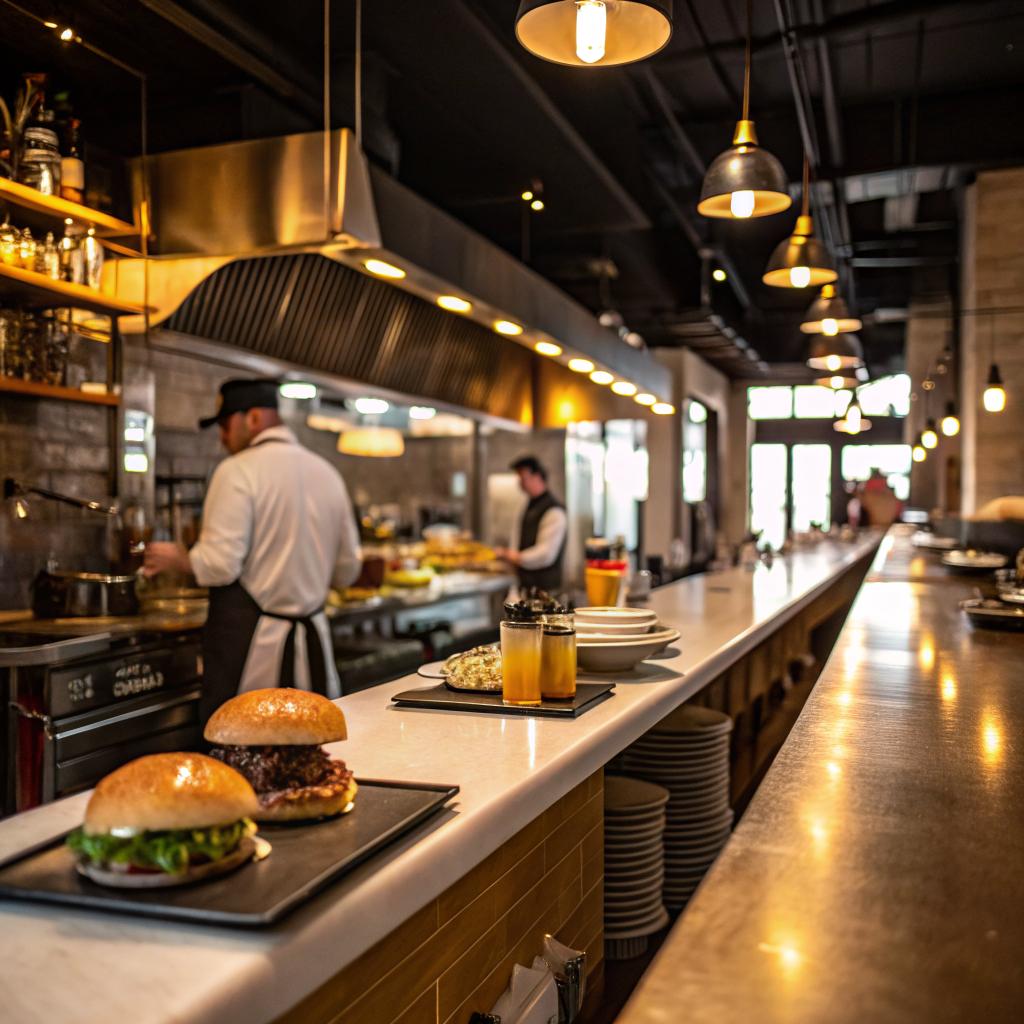
Think about a normal dinner service. The grill is running, fryers are humming, heat lamps are on, the walk-in is cycling, hood fans are pulling steam out, and the bar is slinging drinks with ice machines and blenders going almost non-stop.
Every one of those pieces of equipment needs power. Some draw a little, some a lot, and many of them cycle in bursts. The electrical load is not steady. It spikes. It drops. It stacks in odd ways.
Strong, reliable electrical work is as much a part of your kitchen as your knives, ovens, and recipes.
Here are a few areas where electricity quietly runs the show:
- Cooking equipment like ovens, flat tops, salamanders, and induction burners
- Refrigeration for walk-ins, prep coolers, and reach-ins
- Ventilation and HVAC for both kitchen and dining room comfort
- Lighting for the line, prep areas, bathrooms, and front of house ambiance
- POS systems, printers, tablets, and online ordering screens
- Dishwashers, glass washers, and booster heaters
You probably know this list already from experience. What often gets missed is how these draw together on your panel, and whether your building was ever set up for that kind of load in the first place.
Old buildings, new equipment, and why restaurants in Colorado Springs are tricky
Colorado Springs has a mix of buildings. Some are newer shells in strip centers. Others are older spots that used to be something else. Maybe a small office. Maybe a retail store. Then someone drops in a full commercial kitchen and hopes the existing electrical can keep up.
Sometimes it can. Often it cannot. At least not safely, or not without constant nuisance trips and odd behavior.
I have seen this play out in three ways:
1. Constant breaker trips during rush
The classic sign is the fryer dropping out right when the dining room fills. Or the expo line going dark for a second every time the HVAC kicks on. Usually this means the circuit is overloaded or poorly balanced.
If your breakers “just trip sometimes” during busy hours, that is not normal, and it will not fix itself.
Restaurants learn to work around it. Staff reset breakers, shuffle plugs, and joke about the one outlet you should never use. That kind of workaround feels small, until it is not small anymore.
2. Undersized service for a growing kitchen
Maybe you opened with a smaller menu and a few electric pieces. Then you added a combi oven, more refrigeration, and some induction equipment. The panel looks the same, but the total draw changed quite a bit.
An electrician who understands restaurant usage can:
- Measure actual load over a real service day
- Compare it with your service size and panel capacity
- Suggest upgrades, rebalancing, or equipment scheduling
Without that check, you are guessing. Sometimes the guess works. Sometimes it ends up as an outage on a Friday night.
3. Old wiring that was not meant for commercial kitchens
Some restaurant spaces started life in a different era. Aluminum wiring, old panels, mystery junction boxes with no labels. You might never see them as an owner, because they sit above the ceiling or behind old walls.
A trained electrician can find and correct these silent problems before they become bigger. In a house, that is already important. In a hot, crowded kitchen with gas lines and grease, it matters even more.
Fire safety and code compliance around cooking equipment
For people who enjoy food and cooking, it is easy to focus on the fun side of equipment. New fryers, smokers, combi ovens, wood fired setups. But all of that sits in one of the harsher environments for electrical work.
Grease, steam, vibration, and heat age wiring and connections faster than in an office or store. GFCI protection, proper conduit, and reliable grounding are not just nice extras. They can stop an accident.
Electrical issues are one of the common starting points for restaurant fires, right beside cooking flames and grease build-up.
A local electrician who works with restaurants in Colorado Springs will usually focus on several key areas:
- Correct outlet type and location near wet prep zones
- Right disconnects for large cooking appliances, reachable during an emergency
- Bonding and grounding for stainless equipment and hoods
- Lighting and exit signs that still work when power goes out
- Wiring clear of hot flues and grease paths
This is not the flashy side of owning a restaurant. It is the part that keeps health inspectors, fire marshals, and insurance companies calm. And, more important than that, it protects your staff who stand in that space for long hours.
Customer experience: lighting, sound, and comfort
Most guests never think about your breaker panel, but they notice the effects of poor electrical planning within seconds:
- Lights that are too bright or too dim
- Flickering fixtures above certain tables
- Cold spots or hot pockets in the dining room
- Buzzing from bad dimmers or ballasts
- Outlets that do not work for phone charging at the bar
If you care about plating and atmosphere, you probably care about lighting temperature and placement. A skilled electrician can help you adjust or rework your layout, so your dishes look the same at every table and your staff can read tickets without squinting.
| Area | Common electrical issue | Guest impact |
|---|---|---|
| Dining room | Uneven or flickering lighting | Uncomfortable mood, food looks off |
| Bar | Overloaded circuits on blenders, coolers | Slow drink times, noise from equipment |
| Restrooms | Dim or failing fixtures, bad fans | Guests question cleanliness |
| Patio | Improvised extension cords, weak heating | Shortened patio season, safety risks |
Lighting is where electrical work directly touches the dining experience. A small upgrade from the right electrician can do more for your room than a new coat of paint, at least in terms of how everything actually looks at 7 pm on a busy night.
Kitchen performance and food quality
If you love cooking, you already know consistency is everything. Same temperature, same timing, same results. Electrical problems quietly attack that consistency.
For example:
- An oven that never quite reaches its set temp because it is sharing a circuit with too many other loads
- Refrigeration that cycles too hard on marginal power, leading to uneven cold spots
- Heat lamps that drop out for a few seconds when compressors kick on
These issues do not always look like “the power is out.” They look like a slow drift in performance, which can make cooks think the equipment is old or poorly made, when the real problem is upstream.
A local electrician who understands the rhythm of a service can test and watch during your real rush, not just at 2 pm when the restaurant is half empty. That context matters.
Preventive maintenance vs panic repair
Many restaurants only call an electrician when something has already failed. There is a dead circuit on the line. A portion of the dining room is dark. The walk-in is out and everyone is throwing ice on pans.
There is always going to be some of that. Restaurants are hard on systems. But shifting part of the relationship to regular checkups can reduce the late night emergency calls.
What preventive electrical maintenance can look like
- Annual or semi-annual panel inspection and tightening of connections
- Thermal scanning to catch hot spots before they fail
- GFCI testing in bars, prep sinks, and dish areas
- Verification of emergency and exit lighting
- Labeling circuits clearly so staff can respond faster when needed
Preventive electrical work is not glamorous, but it costs far less than one major outage during a prime service.
There is a small mental shift here. Instead of thinking of an electrician as someone you call when there is “a big problem,” think of them as part of your regular maintenance, like hood cleaning or refrigeration checks.
Energy use, costs, and long hours
Restaurants in Colorado Springs run long days. Prep in the morning, lunch, afternoon work, dinner, and sometimes late night service. Lights stay on for hours. Hoods run. Heating and cooling swing with the outdoor weather.
Energy use stacks up, and the bill follows.
An electrician cannot control your menu or your cooking style, but they can help make sure you are not wasting power where you do not have to.
Areas where a good electrician can help reduce waste
- LED lighting upgrades with sensible dimming instead of full blast all day
- Controls that let you shut off unused zones during slow parts of the day
- Correct sizing of circuits so equipment runs within its design spec
- Review of old, inefficient motors in exhaust fans or make-up air units
Energy savings might not sound as urgent as “the fryer is out,” but small improvements add up over a year. For a narrow-margin business, shaving down the monthly utility bill without compromising quality can be the difference between just getting by and having some room to invest elsewhere.
Health inspections, permits, and peace of mind
If you have ever had a surprise from an inspector about your electrical work, you know how stressful that can feel. Maybe an exit sign was dark. Maybe an outlet near a sink lacked GFCI protection. Maybe there was exposed wiring that nobody had noticed.
Most of these items are not complex fixes. The stress comes from timing. They appear during busy weeks or right before a big event you have already marketed.
When you keep an ongoing relationship with a local electrician, you can have them walk through before major inspections, or when you make menu or layout changes that affect equipment. It is a simple way to avoid unpleasant surprises.
Why Colorado Springs restaurants need local expertise
You might think any electrician can handle restaurant work. In theory, that is true. In practice, familiarity with local building quirks, weather, and local codes makes a real difference.
Colorado Springs has:
- Seasonal temperature swings that strain HVAC systems and their electrical supply
- Older neighborhoods with aging infrastructure and sometimes limited service capacity
- New developments where shell buildings are set up fairly generic, then adapted for heavy kitchen use
- Frequent patio and outdoor dining setups that need safe power in exposed areas
Local electricians who work regularly with restaurants will already know the usual weak spots in certain building types. That saves you time and, often, money. They are less likely to be surprised once they start opening panels and tracing circuits.
Planning for growth, not just fixing today
Many restaurant owners plan their electrical work for opening week, then treat it as frozen. The menu changes, equipment is added, private dining areas appear, patios expand, but the underlying system never really gets revisited.
It can be more useful to treat your electrical layout as a living plan.
- Are you thinking about adding a pizza oven, smoker, or more refrigeration next year?
- Will you introduce more electrical cooking to cut back on gas, or to speed up service?
- Do you plan to expand a bar program that needs more blenders and underbar coolers?
A forward looking electrician can help you rough in extra capacity where it makes sense, so future changes require less tearing apart and redoing. That kind of planning is not perfect, and sometimes you will still need new work, but it avoids painting yourself into a corner.
Common electrical mistakes restaurants make
I do not think restaurant owners are careless. You simply have a lot to think about: food, staff, marketing, rent, online reviews. Electrical details fall down the list. Some recurring mistakes show up again and again, though.
- Using power strips and extension cords for permanent equipment, especially on the line
- Ignoring slightly warm outlets or faint burning smells because “we got through the night”
- Letting multiple vendors modify electrical work over time without clear labels or drawings
- Assuming older wiring is fine because “it has always been that way”
- Skipping professional checks after a water leak or small kitchen fire
Most of these start small. Then they stack. When something finally fails, it seems sudden, but the warning signs were there.
Questions to ask an electrician before trusting them with your restaurant
Not every electrician has real experience with restaurants. Some focus on new homes, others on industrial sites. If you are going to bring someone into your kitchen, it helps to ask a few direct questions.
- How many restaurant projects or service calls have you done in the last year?
- Are you familiar with local health and fire code items that relate to electrical work?
- Can you schedule work during my slower hours or closed days?
- Do you document changes with clear labels and, when needed, updated panel schedules?
- Can you help me plan for future equipment, not just fix the immediate problem?
If the answers feel vague or overly salesy, it may not be the right fit. You want someone who treats your restaurant as a working environment, not just a quick job site.
How this affects people who love cooking and eating out
If you are just someone who enjoys going out to eat, or you like to cook at home and dream about opening a spot someday, you might wonder why you should care about any of this.
The truth is, the best meals you have in restaurants sit on top of a lot of quiet, behind the scenes decisions. The chef’s skill matters. The ingredients matter. But so do the systems that keep that kitchen running smoothly for hours at a time.
A flicker of the lights might seem harmless during your date night, but for the cooks that can signal trouble. A warm dining room on a hot Colorado Springs evening is not always “bad AC.” Sometimes the building’s electrical design never fully supported the current loads.
When restaurants invest in good electrical work, guests feel the result without necessarily knowing the cause. Reliable service. Comfort. Food that arrives hot when it should be hot, cold when it should be cold.
Balancing cost with risk
There is always a tension between spending money on something visible, like new chairs or decor, and something behind the walls, like a panel upgrade. I think it is honest to say that both matter, and that not every restaurant can do everything at once.
You might decide to live with some quirks for a while. A slightly undersized panel. A few odd circuits. That is a judgment call. Still, it helps to make that judgment with clear information from a professional, instead of guessing.
Ask yourself simple questions:
- What happens to my revenue if I lose key equipment in the middle of a week?
- How many guests can I afford to disappoint before reviews hurt my reputation?
- Would I rather plan upgrades on my schedule, or react during an emergency?
I do not think there is one “right” answer. Some owners are very risk averse. Others push equipment hard. But pretending the risk does not exist is the one approach that tends to end badly.
Wrapping this back to your restaurant
So, does every restaurant really need a relationship with an electrician? I think yes, but not in a dramatic, constant emergency sense. More like you need a good plumber, or a good refrigeration tech. Someone who knows your building, your kitchen layout, and your priorities.
The work they do affects:
- Safety for your staff and guests
- Reliability of your cooking and refrigeration
- Comfort and mood in the dining room
- Compliance with local codes and inspections
- Long term operating costs on energy and repairs
A restaurant runs on people and power. Ignore either one for too long and service will suffer.
Common questions restaurant owners ask electricians
Q: Do I really need to upgrade my panel, or can I just add one more circuit?
A: Sometimes you can add another circuit safely, but often an overloaded or outdated panel is already near its limit. An electrician who has looked at your building and load can give a clear answer. Patching on top of a weak base usually costs more in the long run.
Q: How often should my restaurant have a full electrical check?
A: A lot depends on age of the building, how heavy your equipment is, and how often you change the layout. As a rough starting point, many busy restaurants do a deeper check every 1 to 2 years, with quick looks during other scheduled maintenance.
Q: If everything is working right now, is it worth calling an electrician just to take a look?
A: It can feel unnecessary when lights are on and equipment is running. The value comes from finding problems before they appear in the middle of a rush. If your restaurant has grown, or the building is older, a preventive visit is often cheaper than one emergency call.