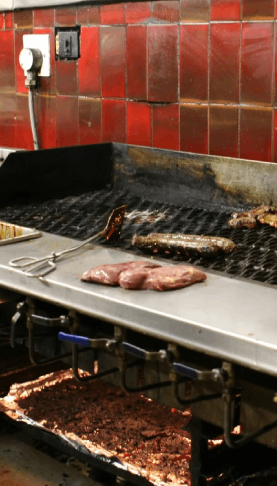
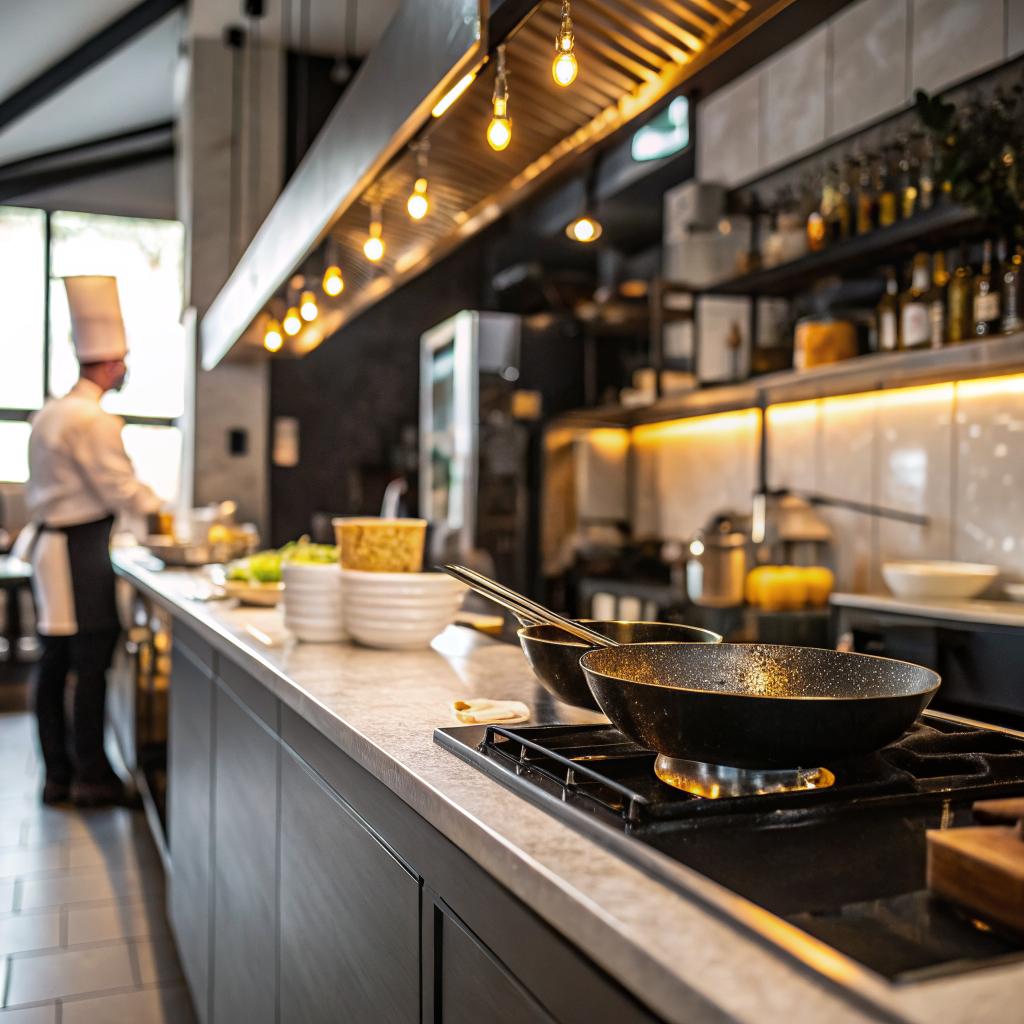
If you want a perfect restaurant kitchen in Valparaiso, you need an HVAC system that keeps cooks cool, guests comfortable, and food safe, without driving your energy bills through the roof. In simple terms, that means good ventilation, strong but controlled exhaust, steady temperature, and smart humidity control. For many local owners, that starts with working with an experienced local team like HVAC Valparaiso, then making daily choices in the kitchen that support what the equipment is trying to do.
That is the short version. The longer version is a little more messy, because real kitchens are messy. Heat, grease, people coming in and out, health codes, tight margins. You have a lot happening in one room, and HVAC has to keep up with all of it.
Let us walk through how to think about that, in a way that actually feels connected to your food and your service, not just metal ducts in the ceiling.
Why restaurant HVAC feels different from home HVAC
Cooking fans already know that a home stove can make a small kitchen feel hot very fast. Now imagine ten burners, a double-deck oven, a salamander, a fryer bank, dish machine, and maybe a pizza oven. All running during a Friday dinner rush.
A restaurant kitchen in Valparaiso has to deal with:
- High heat from cooking equipment
- Grease and smoke in the air
- Moisture from dishwashers, boiling, and cleaning
- Doors opening to cold winters and humid summers
That mix is tough on people and on food quality.
Perfect kitchen HVAC is not about cold air. It is about control. Control of heat, air flow, and moisture so your team can cook the same dish well at 5 p.m. and at 9 p.m.
Home HVAC usually just keeps a house warm or cool. A restaurant system has to do that, plus:
- Protect indoor air quality from grease and smoke
- Keep hood exhaust balanced so smells do not spread to the dining room
- Help you pass health inspections
- Work hard hours without constant breakdowns
If you think of it like that, HVAC stops feeling like a background thing and more like another tool for cooking.
Heat, humidity, and people: the big three in a kitchen
Restaurant comfort is not just about a number on the thermostat. It is a mix of three things that always affect each other.
1. Heat from cooking and equipment
Every piece of hot equipment throws heat into the room. That heat has to go somewhere. Either up into the hood, out with exhaust air, or it stays in the kitchen and makes your cooks sweat.
Gas ranges, charbroilers, and fryers usually give you:
- Direct heat on the cook line
- Radiant heat that raises the room temperature
- Convective heat that moves around with the air currents
If the hood is too small, or the exhaust is weak, that heat will spill out. Cooks feel it first, then servers, then guests.
2. Humidity from cooking and cleaning
Steam from boiling pasta, stock, sauces, and dishwashers pushes moisture into the air. In Valparaiso summers, the outside air is already humid, so the kitchen can start to feel heavy and sticky.
Too much humidity can:
- Make the air feel hotter than it is
- Slow down cooling in the dining room
- Encourage mold in quiet corners, especially near ceilings and vents
- Mess with baked goods and some delicate prep
Dry air is also not ideal, but many restaurants struggle more with excess moisture than with air that is too dry, especially in a busy kitchen.
3. People and movement
This part is easy to ignore. People are heat sources too. A full staff on the line and a full dining room raise the temperature. Guests opening doors let outside air in. Staff propping a back door open for a smoke break or a delivery can ruin your balance in minutes.
If you only think about equipment when designing HVAC, you miss the heat and air swings caused by people, doors, and daily habits.
A good setup accepts that these things happen and tries to work around them instead of pretending the kitchen is a sealed box.
Local Valparaiso weather and why it matters in the kitchen
Valparaiso has a mix of cold winters, warm summers, and some windy, wet days in between. That climate changes how your HVAC behaves.
Cold months
When it is cold outside, strong kitchen exhaust can pull in a lot of outside air. If that air is not warmed and balanced, you get:
- Cold drafts at the back door or near makeup air vents
- Shivering servers passing through the kitchen
- Uneven temperatures between the kitchen and the dining room
Cooks end up toggling the thermostat, space heaters appear in strange corners, and the system starts to fight itself.
Hot, humid months
In summer, outside air can be hot and sticky. If your system pulls it in without proper control, you might see:
- Hoods losing some capture strength because hot air is swirling around them
- Makeup air that feels like a hot blast on the cook line
- Dining room AC struggling to keep up, especially near entrances
A lot of restaurant owners expect the same thermostat setting to feel the same in January and July. It almost never does. You need a system sized and tuned for local temperature swings and humidity changes.
Kitchen zones: thinking in areas, not one big room
If you treat your restaurant as one big box of air, you get chaos. Kitchens work better when you think in zones.
Here is a simple way to break it down.
| Zone | Main goal | HVAC focus |
|---|---|---|
| Cook line / hood area | Capture heat, smoke, vapor | Strong exhaust, makeup air, local air movement |
| Prep area | Comfort and food safety | Stable temperature, low drafts on prep tables |
| Dishwashing | Control steam and moisture | Targeted exhaust, dehumidification |
| Storage / walk-ins | Protect food temperature | Limit warm air infiltration, good door habits |
| Dining room | Guest comfort | Quiet supply, even temperature, no kitchen smells |
In practice, this means your vents and returns should support each zone differently. The cook line might need direct make-up air in front of the hood. The prep area might need softer, more diffused supply so salads are not sitting in a cold draft.
Sometimes you will feel like one zone is perfect while another is off. That is normal. Restaurants are rarely in perfect balance across all zones, all day. The goal is to get close enough that people are comfortable and food is safe.
Exhaust hoods: the heart of kitchen air control
If you like cooking shows, you have seen the big stainless hoods over the line. They do much more than look clean.
A hood in a Valparaiso restaurant kitchen should:
- Capture heat, smoke, and grease right at the source
- Move the right amount of air for the type and size of equipment
- Work with the rest of the HVAC to keep overall pressure balanced
If the hood is too weak, smoke and steam roll out into the room. If it is too strong without proper makeup air, it can start to pull air from anywhere it can, including the dining room and door gaps.
Here are a few practical checks:
- Stand at the edge of the hood during a busy period and watch the steam. Does it pull up cleanly or curl out?
- Light incense or a smoke stick near the front of the hood. Does the smoke go into the hood or wander into the room?
- Ask cooks if certain burners always feel worse than others. That can point to uneven capture along the hood length.
If you move or add equipment under a hood, the balance can change. A charbroiler where a light-duty burner used to be will create much more smoke. Many owners change the line over time, then wonder why air flow feels off. The system might just not match the new layout.
Makeup air: the part everyone forgets
Every cubic foot of air your hood throws out has to be replaced by new air coming in. That is makeup air. It can be tempered (warmed or cooled) or not.
When makeup air is wrong or missing, you tend to get:
- Strong drafts under doors
- Difficulty opening doors during peak hood use
- Smoke back-drafting from grills or ovens
- Odors creeping into the dining area
If you only think “more exhaust, more exhaust,” you can end up turning your kitchen into a vacuum that pulls air from every crack and opening.
Good makeup air is:
- Balanced with exhaust rates
- Introduced in a way that does not blow directly on the cook line
- Conditioned enough that it does not feel like an outdoor blast
Some systems bring makeup air right through or near the hood. Others bring it from the ceiling near the kitchen and let it move toward the hood naturally. The right choice depends on the space, the climate, and the equipment.
Food safety and HVAC: not just a comfort thing
If you like to cook, you already think about food safety: holding temperatures, cross contamination, clean surfaces. HVAC plays into a few of those points more than most people realize.
Temperature control in prep and holding areas
Health inspectors do not only look inside fridges. They also pay attention to room temperature where food is being prepped and held.
A kitchen that is too warm can:
- Slow down cooling of hot foods
- Push cold foods into risky temperature ranges during prep
- Stress reach-in coolers and salad stations
If your line cooler is always struggling and your kitchen is always hot, the problem might not be the cooler alone. Hot ambient air makes those units work much harder.
Air flow and contamination risk
You do not want air blowing directly from dirty zones into clean ones. Example: strong air movement from the dish area onto a salad prep table is not ideal at all.
When planning vents and returns, it is usually better to:
- Keep dirty areas like dishwashing slightly under negative pressure so air moves into them, not out
- Keep prep areas more neutral or slightly positive so they “push back” against dirty zones
Some of this gets technical, but the simple idea is: air should leave dirty zones, not enter clean ones.
Comfort for cooks and staff retention
Most restaurant people can name at least one job they left because the kitchen was just too hot or too smoky. Pay matters, but working conditions matter too.
A harsh kitchen climate can cause:
- Faster fatigue and more mistakes on the line
- Staff stepping out more frequently to cool off
- Higher turnover in summer months
Temperature targets vary, but many kitchens aim for:
- Kitchen air around 74 to 80°F during heavy service
- Dining room a bit cooler, around 70 to 74°F
Some owners try to fix kitchen heat by dropping the thermostat a lot. This often just freezes the dining room while the kitchen stays hot, because the loads are so different. Usually the better move is to look at:
- Exhaust and makeup air tuning
- Local spot cooling near the line (high-mounted fans, if placed correctly)
- Equipment maintenance to reduce excess heat
There is a balance here. A few cooks love a really hot kitchen and say it helps them “feel the rush.” Others hate it. You will not make everyone happy, but you can avoid the extremes.
Humidity control and how it affects your food
Humidity does not get as much attention as temperature, but it can quietly change how dishes turn out.
Effects on baked goods and fries
If you run a bakery or do a lot of baking in-house, you already know humidity is part of the story. In a very humid kitchen:
- Breads can rise differently
- Crusts may dry out slower
- Fried foods can lose crispness faster
On the flip side, air that is too dry can make some baked goods stale faster or create cracking on delicate items.
Effects on comfort and cleaning
High humidity also makes grease feel “stickier” on surfaces. Steam settles and mixes with oil, and suddenly the backsplash and ceiling tiles look tired.
Good HVAC helps by:
- Exhausting steam at the source
- Dehumidifying incoming air where possible
- Keeping air moving enough so moisture does not pool in one spot
This is another area where local climate matters. Valparaiso summers can feel muggy, so your system should be sized with that in mind. An undersized system may cool the air temperature but not dry it enough.
Common HVAC mistakes in restaurant kitchens
Every restaurant is different, but some traps show up again and again. If you cook, you probably already know when something feels wrong, even if the tune-up reports look good.
Here are mistakes that owners in Valparaiso and similar areas run into:
1. Ignoring the kitchen while focusing on the dining room
Many renovations focus on front-of-house comfort and looks. New booths, nicer vents, soft lighting. The kitchen gets whatever is left. That can lead to:
- Happy guests but miserable cooks
- Uneven temperatures during peak service
- More back-of-house turnover
2. Oversized or undersized equipment
Bigger is not always better. An oversized rooftop unit may cycle on and off too fast. The dining room gets cold blasts of air, then warms again, and humidity never really drops. An undersized unit simply cannot keep up.
Correct sizing requires someone to look at:
- Kitchen equipment BTU loads
- Exhaust rates
- Square footage and ceiling heights
- Local weather data
That might sound technical, but at the end of the day the question is simple: can the system handle your real world rush, or is it built only for mild days and half full rooms.
3. Poor duct and vent placement
Where the air comes out matters as much as how much is coming out. Some signs that vents are in bad spots:
- Cold air blowing directly on hot plates in the pass
- Steam from cookers drifting across the line instead of into the hood
- Servers walking through a narrow “wind tunnel” path to the dining room
Sometimes just redirecting a few diffusers or balancing dampers can change the way the room feels without replacing major equipment.
4. Skipping maintenance until something breaks
This one is common. Busy owners let filters and coils slide because nothing has failed yet. Then a heat wave or cold snap hits, and the system cannot cope.
Basic tasks that make a big difference:
- Cleaning or changing filters on schedule
- Cleaning coils so units can transfer heat properly
- Checking belts, fans, and motors before each peak season
- Cleaning hood and duct systems on a regular rotation
If you wait for the kitchen to feel bad before calling for service, the system has probably been struggling for weeks, maybe months.
Simple daily habits that support your HVAC
Not every fix needs a contractor visit. A few small habits can protect your HVAC and keep your kitchen and dining room more stable.
Door discipline
Propping open doors feels harmless, but repeated long openings can throw off pressure and pull in cold or hot air. Try to:
- Keep back doors closed except when actively moving supplies
- Fix door closers so they shut gently but fully
- Use air curtains or vestibules at main entrances if you can
If staff smoke out back, consider a setup that does not require leaving a door wide open. Even a cracked door for long periods changes your air balance.
Equipment habits
Little things add up:
- Turn on hoods a bit before heavy cooking starts so air patterns settle
- Turn off unused burners and small appliances when not needed
- Keep equipment pushed back to the right distance from the hood for good capture
If you run open kitchen nights or special events with extra portable equipment, expect the HVAC to feel different that day. That is normal; just do not assume the system is broken.
Cleaning cues
If you start to notice:
- Grease building up faster than usual around vents
- Condensation on windows or ceilings
- Musty smells near ducts or returns
those are early signs that airflow or humidity control is off. Catching them early can prevent bigger issues.
Working with an HVAC contractor in Valparaiso
You do not need to become a full HVAC expert, but you do need to be able to talk about your kitchen in a clear way.
When you bring a contractor in, it helps to share:
- Peak hours and peak days
- Which stations feel worst during rush (grill, fryer, salad, expo)
- Specific complaints from staff and guests
- Any recent changes to the menu or equipment
Try to avoid only saying “it is too hot” or “it is too cold.” Say where, when, and what you see. For example:
- “From 6 to 8 p.m., the grill cook is drenched while the prep cook near the walk-in is cold.”
- “When we run both fryers and the charbroiler, smoke leaks at the edges of the hood.”
- “In winter, guests near the front door complain about drafts.”
This helps the technician look in the right places: zoning, exhaust balance, duct layout, door pressure. The more specific you are, the better the result.
Design tips if you are opening or remodeling a restaurant
If you are still in planning mode, you have a rare chance to avoid some pain later. A few points to think about while the space is on paper:
Position of the kitchen
A kitchen against an outside wall can vent more directly, which sometimes helps with duct runs and rooftop unit placement. A core kitchen buried in the middle of a building needs more planning for exhaust paths and make-up air.
There is no single “best” layout, but short, straight duct runs tend to perform better than long, twisting ones.
Ceiling height
Higher ceilings give more space for hot air to rise and for ducts to distribute air. Low ceilings can trap heat and smoke closer to head height, making people uncomfortable faster.
If your space has low ceilings, hood design and diffuser placement matter even more.
Dining room separation
If you like open kitchens, you are not wrong, but you do make HVAC more challenging. Smell and sound can drift more easily. That is not always bad; some guests love the aroma of grilling meat or fresh bread. Fryer smoke is less pleasant.
For open kitchens, plan:
- Stronger, well-tuned capture at the hood
- Careful air supply so you are not blowing kitchen air toward guests
- Pressure control so air gently flows from dining room toward the kitchen, not the other way
Energy costs and HVAC choices
Perfect comfort and perfect food quality do not mean much if the energy bill eats your profit. There is always a tradeoff between comfort and cost.
A few practical ideas:
- Use programmable thermostats with schedules that match your open hours
- Set modest temperature ranges instead of big swings
- Seal cracks and improve insulation, especially near roof penetrations and old windows
- Ask about demand-controlled ventilation for certain areas that change in occupancy
Sometimes owners cut HVAC use to save money, like turning off hoods too early or keeping AC higher than staff can handle. That can backfire in food safety, comfort, and staff morale. Better to tune the system than to fight it.
How to tell if your kitchen HVAC is “good enough”
You might not need perfection. Many places do fine with a system that is simply “good enough” most of the time. But how do you judge that without getting hung up on numbers?
Think about questions like:
- Can your staff finish a full shift without feeling ill from heat or humidity?
- Are you passing inspections without comments about temps, condensation, or mold?
- Do guests rarely complain about smells or drafts from the kitchen?
- Is your energy bill stable and predictable for each season?
If most answers are “yes” and issues are rare and small, you might only need minor tweaks, cleaning, or seasonal checks. If several answers are “no,” your system is trying to tell you something.
Perfect is nice, but in a real restaurant, you are often aiming for “stable and predictable,” so you can focus on the food and the guests.
Quick Q&A to tie things together
Q: My kitchen in Valparaiso is always hotter than the dining room. Is that normal?
A little hotter, yes. Much hotter, no. A few degrees difference is common because of all the equipment. If you see staff sweating heavily while guests need jackets, something in the exhaust, makeup air, or duct layout probably needs attention.
Q: Can I just add fans in the kitchen to fix heat problems?
Fans can make people feel cooler, but they do not remove heat or moisture. Badly placed fans can even blow smoke out of the hood capture zone or push air from dirty areas onto prep tables. If you add fans, keep them high, aim them away from hoods, and treat them as a comfort boost, not a real fix.
Q: How often should I have my restaurant HVAC checked?
Most busy kitchens benefit from at least two professional checkups per year, one before peak summer and one before peak winter. Filters and hood systems often need more frequent service, based on your volume and menu. Daily and weekly checks by staff for simple things like odd noises, leaks, or comfort changes help catch problems early.
Q: Does HVAC really affect the taste or quality of food?
Indirectly, yes. Temperature and humidity change how food behaves, especially baked goods and fried foods. A sweaty, exhausted cook is also more likely to rush or make mistakes. Good HVAC does not season your food, but it creates the conditions where your recipes work the way you expect.
Q: If I have to choose, should I focus more on the dining room or the kitchen?
This is where I might disagree with some owners. Many people say “guest first,” but if the kitchen is miserable or unsafe, your food and staff will suffer, and guests feel that sooner or later. Aim for a balanced approach, with maybe a small bias toward making the kitchen workable and the dining room comfortable, not the other way around.
What part of your own restaurant or home kitchen air setup bothers you the most right now?