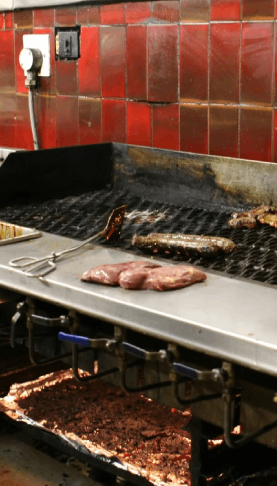
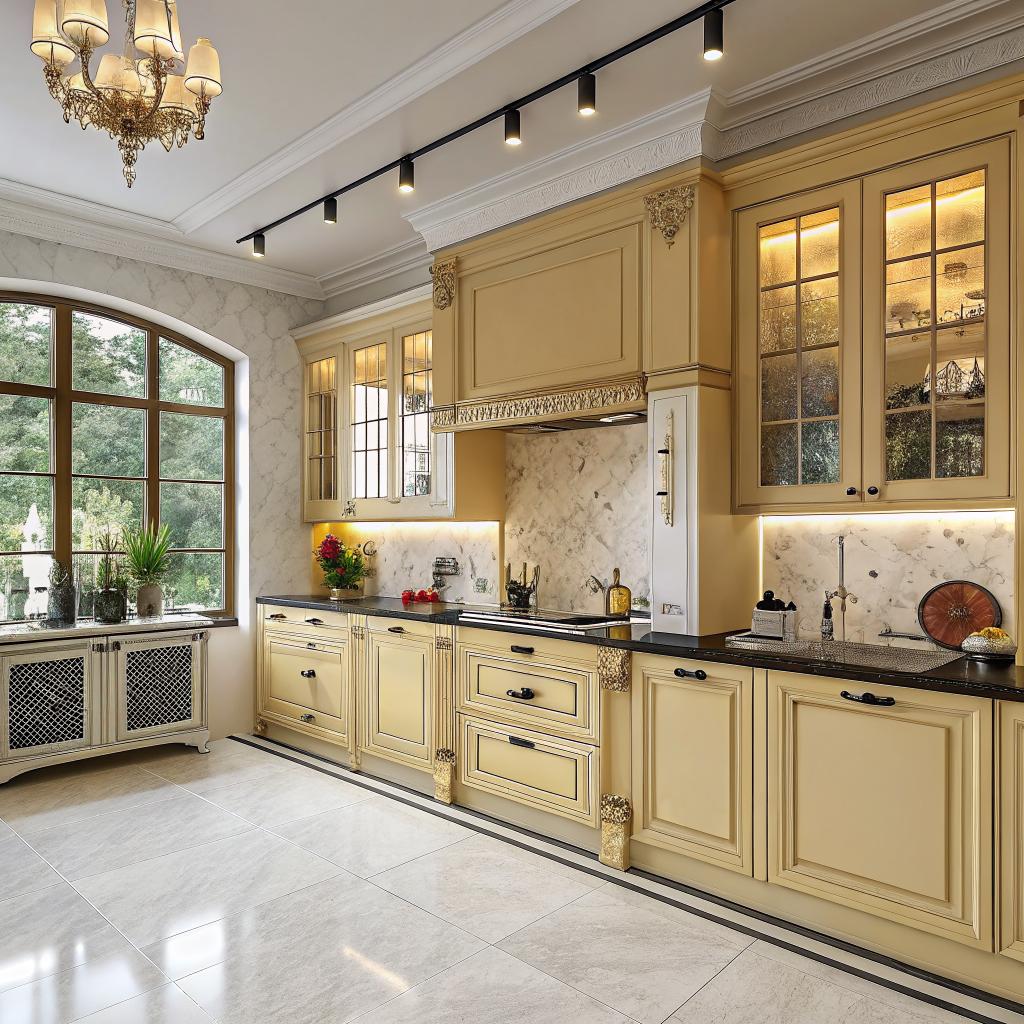
If you have ever walked into a restaurant kitchen during service, you know right away why good paint and color choices matter. Heat, steam, spills, constant wiping, and bright overhead lights do not forgive weak finishes or bad color choices. The same is true at home. Top Denver painters can help turn a regular home kitchen into something that feels closer to a restaurant workspace, with colors that support how you cook and coatings that can actually handle your daily routine.
I think many home cooks underestimate how much the walls, ceiling, and cabinets affect how they feel when they cook. You might focus on the stove, knives, and pans, and forget that your eye is on the surrounding surfaces most of the time. The right painting team pays attention to this in a way that might surprise you.
How painters think about a “restaurant worthy” kitchen
Professional kitchen designers and good painters look at a kitchen in a very practical way. Yes, they care about style, but they also think about grease, traffic paths, and light. When I talked once with a local painter about a small bistro kitchen, he barely mentioned “decor” at first. He talked about scrub resistance and light reflection.
Restaurant worthy kitchens are not about being fancy. They are about working well on a busy day and still looking clean at 9 pm.
In a home, that might mean Sunday batch cooking, kids grabbing snacks, and pots of pasta boiling every night. Not quite the same pressure as a restaurant kitchen, but not gentle either.
Good Denver painters often ask questions that feel more like something a chef would ask:
- Where do you chop most often?
- Which wall gets the most splatter?
- Do you cook high heat stir fries or more slow braises?
- Do you wipe walls daily or only during deep cleaning?
- How strong is the natural light and where does it come from?
The answers change the type of paint and finish they recommend, and even the color. It is more like planning a working space than a showroom.
Durability lessons taken from restaurant kitchens
One of the clearest connections between restaurant kitchens and home kitchens is durability. Restaurant walls get abused. They get hit with trays, bumped by carts, wiped with strong cleaners, and steamed daily. Home kitchens are calmer, but the same basic threats exist.
Why finish matters more than you think
Many people pick paint by color first, finish second. That is backwards in a serious kitchen. Finish is what controls how easy a surface is to clean and how long it holds up.
| Finish type | Where restaurants tend to use it | How it translates to a home kitchen |
|---|---|---|
| Flat / matte | Rare on walls near cooking zones | Good for ceilings away from steam; hides surface flaws but stains easily |
| Eggshell | Sometimes in dining areas, not in cook line | Works for low splash walls, breakfast nooks, pantry areas |
| Satin | Common in prep areas and hallways | Solid choice for most kitchen walls, balances wipeability and glare |
| Semigloss | Often on trim, doors, and some walls near heavy traffic | Good for trim, cabinets, and spots near the stove or sink |
| High gloss | Sometimes on metal doors, accent walls, or tile like surfaces | Great for accents or cabinet doors if you want that reflective, sleek look |
Top painters will often steer you away from pure flat finishes on kitchen walls, even if you love how soft they look. They know how quickly cooking stains and handprints show up. They are thinking a year ahead, when you are scrubbing at tomato sauce that jumped out of the pan.
If you want a restaurant style kitchen, think like a dishwasher: can this surface handle constant wiping without looking worn out?
Professional crews also pay close attention to primers and surface prep. In older Denver homes, where plaster and drywall can have cracks or patches, they spend time smoothing those before the final coats go on. Restaurant managers do not care about beautiful color if food particles get stuck in tiny cracks or rough surfaces. The same logic applies to your backsplash wall or the side of your island.
Color choices inspired by real cooking spaces
Restaurant kitchens tend to avoid trendy colors on their main work walls. You usually see light neutrals, whites, or light grays. There is a reason for that, and it is not just that owners are boring.
Why many professional kitchens lean light
Cooks need to see the true color of food. Overly warm or cool wall colors can change how meat or vegetables look. Strong, deep colors can also make small spaces feel cramped, especially when there is no natural light. Paint that reflects light evenly makes it easier to watch a pan, check for doneness, and catch spills.
At home, this does not mean you must live with boring white. But the idea is useful. Light surfaces bounce light around and make tasks easier. You can still add color in a focused way.
Some common choices that painters suggest, taking cues from restaurant logic, include:
- Soft white or creamy tones for upper walls, to reflect both daylight and artificial light.
- Muted grays or greige on lower walls to handle more contact and hide minor scuffs.
- Neutral but warm shades on the ceiling, slightly darker than pure white to reduce glare.
Then there is the fun part. Accent walls, islands, or cabinet faces can carry stronger color. Restaurants often use stronger color in the dining room, not the back kitchen. In a home, your kitchen is often both workspace and gathering spot, so it is reasonable to bring some of that mood into the main cooking area.
Color and appetite: what painters notice from restaurants
There is a lot of talk about how color affects appetite, and some of it gets a bit dramatic. Still, there are some patterns that painters and designers see again and again when they work in food spaces:
| Color family | Common use in restaurants | Possible role in a home kitchen |
|---|---|---|
| Warm reds / oranges | Fast casual spots, some pizza places, accent walls | Accent sections, bar areas, maybe the back of open shelves |
| Soft yellows | Breakfast cafes, bakeries | Cozy kitchens, breakfast nooks, walls near windows |
| Cool blues | Seafood spots, modern cafes, packaging accents | Lower cabinets, pantry doors, or calm accent walls |
| Greens | Farm to table spots, salad bars, healthy cafes | Islands, backsplashes, or sections near herbs and plants |
| Neutrals (white, gray, beige) | Most kitchens and many dining areas | Base layer across walls and ceilings to support bolder accents |
A good painter will help you use these ideas without turning your home into a theme restaurant. They might suggest a rich green for your lower cabinets if you cook a lot of fresh food and want that “market” feeling, while keeping the walls very calm. Or they might suggest a soft blue gray if you love clean, minimal spaces and lots of stainless steel.
Light, reflection, and how paint affects your food
I think this is one of the more underrated areas where top painters can really help: managing light. Cooks are very sensitive to light, especially if they take photos or plate food carefully. Painted surfaces either soak up or bounce light, and the difference changes everything.
Natural light vs artificial light
Most Denver kitchens get some mix of bright mountain light during the day and strong artificial lighting at night. The color of your walls and cabinets can either fight that or support it.
- In a sun filled kitchen, darker or more saturated colors can look rich during the day but turn heavy at night.
- In a small, windowless kitchen, light colors with a bit of sheen can keep the room feeling open and help you see what you are doing.
Painters see this all the time. A color that looked soft in the store can turn harsh under LED strips. Professional crews test paint by placing sample patches near your main prep areas, near the hood, and next to the sink. Then they look at those spots at breakfast, midday, and after sunset.
If you love to cook in the evenings, pick colors based on how they look under your actual night lighting, not just daylight.
They might even suggest adjusting bulb color temperature to work with the paint. Many restaurants use slightly warmer bulbs in dining rooms and more neutral or cool ones in kitchens to keep food color accurate. At home, you can keep counters more neutral and use warmer light over a seating area.
Cabinets and trim: where painters bring in restaurant level detail
Cabinets take a lot of abuse, almost like the doors in a restaurant kitchen. Constant opening and closing, greasy hands, wiping, and the odd bump from a pot or tray. This is where real painting skill shows up.
Why cabinet prep is worth the time
Many do it yourself projects fail not because the color is wrong, but because the surface prep is weak. Professional painters treat cabinets more like furniture than like walls. They often:
- Remove doors and hardware instead of taping loosely around them.
- Clean surfaces with degreaser to remove cooking film.
- Sand lightly to give the new coating something to grip.
- Use bonding primer that sticks to old finishes.
- Apply several thinner coats instead of one heavy coat.
This process is very similar to what is done on cabinets in commercial kitchens, where finishes must not peel when hit with moisture and heat. At home, that means you can wipe doors daily without worrying about the paint rubbing off around the handles.
Color strategies for cabinets
Restaurant kitchens often use a lot of stainless and white, but you have more freedom at home. Still, it helps to take a few ideas from the pros:
- Use darker tones on lower cabinets where the most scuffs happen.
- Keep upper cabinets lighter, so the room does not feel heavy.
- Choose a finish that you are comfortable cleaning often, such as satin or semi gloss.
If you cook often and keep spices, grains, and oils on open shelves, painters might suggest painting the wall behind those shelves in a color that hides minor stains but still makes ingredients easy to see. I have seen a dark charcoal behind stainless open shelves that looked both practical and sharp, and somehow made every glass jar stand out.
Restaurant habits that can guide your kitchen repaint
You might not be running a busy brunch service at home, but you can still borrow small habits from restaurants when you plan a repaint.
Zone thinking: different areas, different needs
Professional kitchens are divided into zones: hot line, prep, dishwashing, dry storage, and so on. Each area gets slightly different finishes and cleaning routines. Painters who work in both commercial and residential spaces often carry this zoning idea into home kitchens.
They may treat your space as several mini zones:
| Home kitchen zone | Main stress | Painting approach |
|---|---|---|
| Stove and oven area | Steam, grease, high heat, splashes | Higher sheen, very scrubbable paint, smooth surfaces, maybe a darker tone |
| Sink and dishwasher zone | Water, soap, mineral spots | Moisture resistant finish, well sealed trim, caulked seams |
| Main prep counter | Food stains, knife movement near walls, constant contact | Durable eggshell or satin, perhaps a light but not stark color |
| Breakfast nook or seating | Scuffs from chairs, food drips, kids | Color with more personality, but still easy to clean |
| Pantry or storage | Bumping bags, boxes, and containers | Simple but tough finish; bright colors inside for visibility |
This zoning keeps your kitchen from feeling flat. It also respects the way you actually cook and move. You might not even notice all these minor shifts at first, but you will feel that the room is easier to keep clean and more pleasing to work in.
Health, safety, and food: paint choices that matter
Chefs think about safety every day: food safety, fire safety, worker safety. Paint plays a role there, even if it is not the first thing you think about. At home, some of the same concerns apply, although at a smaller scale.
Low odor and indoor air quality
Professional cooks do not want strong chemical smells mixing with food. You probably feel the same. Many modern paints are low VOC, but not all are equal. Good painters pay attention to this when working in kitchens, where people spend a lot of time and where heat can make smells stronger.
If you cook a lot, painting with low odor products is worth it, even if it costs a little more. You will get back to cooking sooner and will not have that strange paint smell hanging around while you simmer stock or bake bread.
Cleanability without harsh scrubbing
Restaurant staff use strong cleaners on walls and equipment. At home, you might not want to bring that level of chemical into your kitchen. The solution is paint that can handle gentler cleaners and soft scrubbing without fading or wearing out. This is another spot where cheaper paint often fails.
If a painter tells you that a certain product costs more but will save you from repainting for several years of daily cooking, that is not marketing talk. In a kitchen, that is usually true.
There is a practical side here. You spend money once, instead of touching up little stains every few months or living with corners that always look a bit dirty.
How to work with painters as a serious home cook
Now, if you care about food and you are reading this, you probably have opinions. You know how you like your herbs stored, your knives arranged, your pans seasoned. You are allowed to have strong views on color and finishes too. The trick is to share your cooking habits clearly so the painters can match your space to your reality, not to a magazine photo.
Questions to ask before you agree on a plan
You do not need to speak in “design language” to have a useful talk. Just ask simple questions like:
- Which areas will be easiest to clean when sauce splashes?
- If I scrub this wall often, how long will the finish hold up?
- Can we test how this color looks under my night lighting?
- What finish do you recommend behind the stove and why?
- Have you painted in restaurant or cafe kitchens before?
Listen carefully to how they answer. If they talk about your cooking habits, cleaning routines, and the direction of light, that is a good sign. If they only talk about what is trending on social media, that might not match what you need as someone who actually uses the kitchen heavily.
Practical examples of restaurant inspired kitchen paint choices
It can help to see real world style examples. Here are a few simple scenarios that show how Denver painters often adapt restaurant ideas for home cooks.
The small condo kitchen with heavy cooking
Picture a compact Denver condo kitchen where someone cooks almost every night, stir fries, sears steaks, and makes big pots of soup. There is one window, and the rest of the light comes from recessed fixtures.
A practical painting plan might include:
- Soft neutral walls in a satin finish to keep the space feeling open and to survive regular wiping.
- Slightly deeper color behind the stove to hide light staining between deeper cleanings.
- Semigloss on cabinet doors with a color that is not too dark, so every fingerprint does not stand out.
- Bright, scrubbable paint on the ceiling near the vent where steam rises.
This setup is not dramatic, but it works. It keeps the cooking area tough and easy to maintain, without turning the whole room into a glare box.
The open concept kitchen where people gather
Now think about a larger home where the kitchen opens to a dining area and living room. Maybe you host regular dinners, plate food with some care, and enjoy the social side of cooking.
In this case a painter might suggest:
- Keeping the working walls fairly neutral so the food and serving pieces stand out.
- Using deeper or warmer tones on the island sides or the wall behind seating to give that “dining room” feeling inside the kitchen.
- Slightly different sheens between the cooking zone and the sitting area, so you get cleaner walls near the stove and a softer look where people relax.
This is a direct echo of how many restaurants separate the back of house from the dining space, but adapted for a more blended home layout.
What if you do not cook much, but love the look?
I do not fully agree with the idea that every kitchen needs to be built like a restaurant. If you rarely cook and mostly assemble simple meals, you might not need the toughest finishes everywhere. Still, the visual ideas from restaurants can help.
You can borrow the clear, light filled feeling, the simple backgrounds that make plates stand out, and the small splashes of color that guide the eye. You just might not need the most scrub resistant paint or the same level of prep behind the stove.
This is where some people go wrong. They overbuild a kitchen they barely use, or they over decorate one they use a lot. A honest painter will tell you when you are asking for more than you will ever need. Listen when they say that a certain high grade product is not necessary for your level of use.
Common mistakes people make when chasing a “restaurant” kitchen
There is a small risk of going too far with this idea of a restaurant worthy kitchen. A few patterns show up often.
- All white everything without enough texture. Restaurant kitchens are often white, but they are full of stainless, tile, and movement. In a quiet home, pure white walls, white cabinets, and white counters can feel flat and hard.
- Too much dark color in a tight space. Deep blues and charcoals look nice in photos. In a small kitchen with limited light, they can make cooking feel like working in a cave.
- Ignoring the ceiling. Steam collects upward. If the ceiling paint is cheap or thin, it stains and peels first, especially above the stove.
- Choosing trendy colors that fight with food colors. Very strong neon tones, for example, can make vegetables and meat look odd on the counter.
Good painters do not just accept every idea a client brings. Sometimes they push back a little, and that is useful. If they tell you that a certain wall color will cast a strange hue on your food, they are not blocking your creativity. They are trying to protect your experience as someone who cooks and eats there every day.
A quick Q&A to tie this back to cooking
Q: Will repainting my kitchen actually change how I cook?
A: It will not change your recipes, but it can change how you feel in the room. Better light reflection helps you see food clearly. Tougher finishes make cleaning less of a chore, which can make you more willing to cook messy dishes. Thoughtful color can also make the space calmer or more energizing, depending on what you enjoy.
Q: Are restaurant style finishes always the right choice for a home?
A: Not always. Commercial spaces deal with much harsher cleaning chemicals and more constant use. At home, you can aim for “inspired by” instead of copying directly. Let painters borrow the useful parts like durability and light management, without turning your kitchen into something that feels cold or industrial if that is not your taste.
Q: What should I talk about first when I meet with painters?
A: Start by describing how you cook and clean. Tell them how many nights a week you use the stove, what kind of food you make, whether you fry often, and how you usually wipe surfaces. Then talk about light and mood. When painters understand your real habits, they can bring their experience from restaurant projects to create a kitchen that feels like it belongs to a serious cook, not just a photo spread.