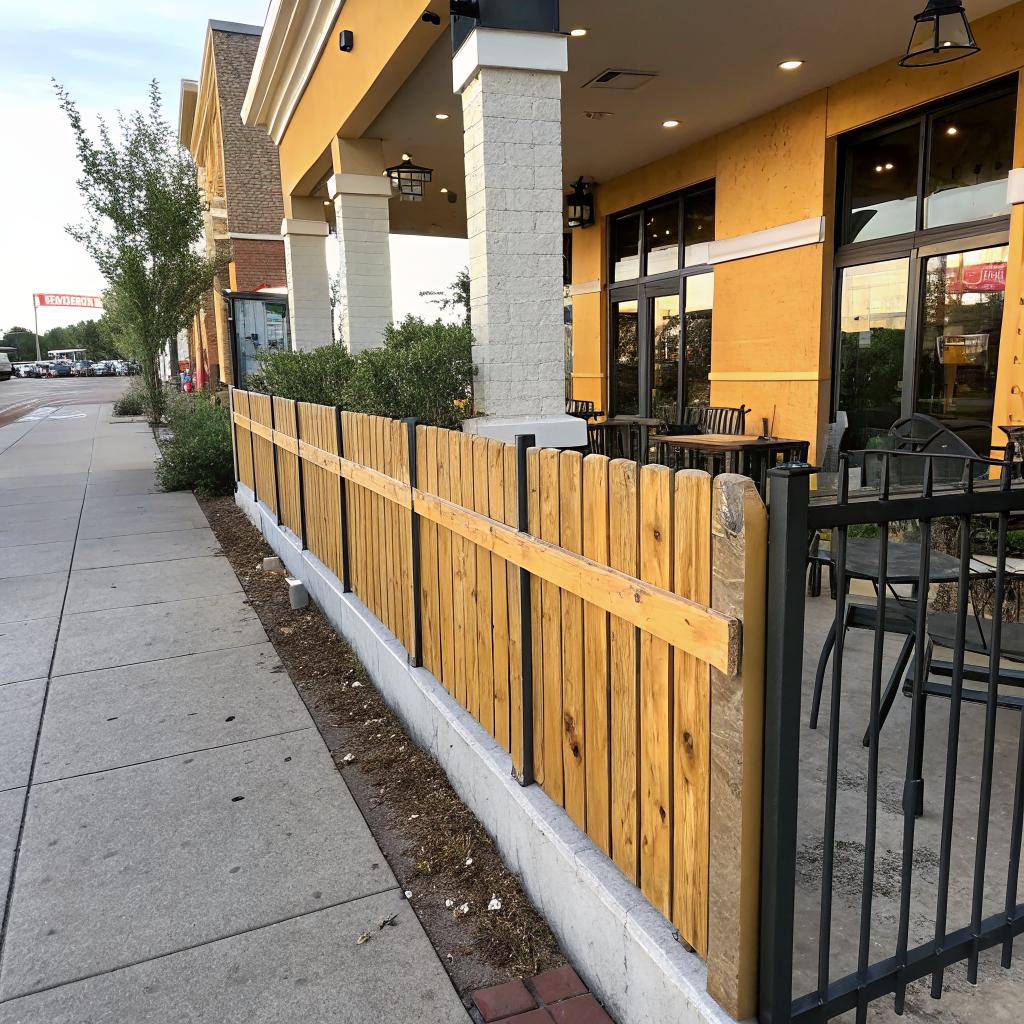
If you run a restaurant in Houston, the short answer is yes, you should repair that patio fence as soon as it starts to lean, rot, or rust, and you should use materials that stand up to heat, sun, and humidity. A tired fence changes how guests feel about your food, even if your menu is great. Getting ahead of small fence issues, or bringing in a local fence repair Houston company when things go beyond basic upkeep, keeps your patio feeling safe and welcoming.
Why fence repair matters for a restaurant patio
If you cook for a living, you already think about details all day. Plate edges wiped clean. Grill temperatures stable. Tickets timed so entrées do not sit and dry out.
Your patio fence is another detail, but it sits in the guest’s line of sight for the entire meal. Broken pickets and wobbly posts do not just look lazy. They raise quiet questions.
Is this place careful with food safety? Do they care about maintenance at all?
I have heard people say these are separate issues. I do not really agree. Guests usually do not separate front of house from back of house in their mind. They just feel “this place is cared for” or “this place feels a bit off.”
A clean, solid fence supports the story you are already trying to tell with your food: that you pay attention and you are not cutting corners.
Fence repair also touches a few practical things:
– Safety and liability
– Comfort and shade
– Noise and privacy
– Pest control and cleanliness
– City code and neighbor relations
So, yes, you could ignore a leaning panel for a few months, but the small problems on your patio often grow faster than you expect, especially in Houston weather.
How Houston weather wears down restaurant patio fences
Houston is hard on outdoor structures. If you are choosing materials or planning repairs, it helps to see why your fence is failing in the first place.
Heat and UV from long summers
Long direct sun weakens most materials.
– Wood dries out, fades, and starts to crack.
– Vinyl gets brittle.
– Some cheaper paints peel.
– Dark colors can get very hot to the touch, which matters if kids are around.
You may have a fence that looked great the first year, then suddenly looked 10 years old by year three. That is not you doing something wrong. The sun here is just intense.
Humidity, rain, and the occasional storm
Houston humidity is not friendly to fences.
– Moisture swells wood, then it shrinks again when it dries.
– Repeated swelling and shrinking leads to warping.
– Trapped moisture causes rot and mold.
– Metal parts rust faster.
Add heavy rain and storms, and you see posts lean, sections pull loose, and panels loosen from brackets.
Soil movement and drainage
If you have clay-heavy soil under your patio area, you already know it expands when wet and contracts when dry.
This movement can:
– Push posts out of alignment
– Crack concrete footings
– Create low spots where water gathers
Poor drainage is a quiet enemy. The bottom of wooden fences sitting in damp soil will rot long before the rest of the fence shows trouble.
Daily restaurant use
A home backyard fence stands there, almost unused. A restaurant fence gets constant abuse.
– Staff carrying racks, bins, and chairs bump into panels.
– Delivery carts hit posts.
– Guests lean on rails, hang jackets or bags on them.
– Patio heaters sit close to wood, baking finish and hardware.
– Cleaning chemicals splash up from mopping or pressure washing.
One clumsy bump with a bus tub does not break a fence. Daily traffic for months does.
If you think of your patio fence as part of your restaurant equipment instead of background décor, its wear and tear makes more sense.
Common fence problems on Houston patios and what to do
Let us walk through problems you are likely to see and what they usually mean. This part is a bit like a line check, but for your fence.
Leaning or wobbling fence sections
What you see:
– Fence leaning toward the street or a neighbor
– Posts that move when pushed
– Gaps opening at the bottom or top
Likely causes:
– Rot at the base of wooden posts
– Shallow or broken concrete footings
– Loose brackets or rails
– Soil shifting from drainage issues
What you can do:
– Check each post by pushing near the top. Mark any that move more than a small amount.
– Look at the base for signs of rot or cracking concrete.
– Tighten visible hardware if it is just loosened over time.
When to repair vs replace:
– If only one or two posts are bad, a pro can often replace those posts and brace the section.
– If most posts along a run are leaning, it may be cheaper in the long run to rebuild that stretch.
Rotting or splintering wood
What you see:
– Soft wood near ground level
– Boards flaking or splintering when touched
– Green or black staining that does not scrub off easily
Likely causes:
– Untreated or poorly sealed wood
– Constant moisture against the fence
– Sprinklers hitting the same spots every day
What you can do:
– Tap boards with a screwdriver handle. Soft or hollow sound often means rot.
– Replace single boards that are too far gone.
– Trim plants away from the fence to improve airflow.
– Adjust sprinklers so they do not hit the fence all day.
Repeated spot repairs can feel endless. At some point you reach a level where the structure is weak enough that full replacement makes more sense, but that line is not the same for every restaurant. A small cafe might accept more cosmetic flaws than a high end dining room.
Rust, loose fasteners, and hardware failure
What you see:
– Rust on screws, hinges, and brackets
– Gates that sag or drag on the ground
– Rattling panels on windy days
Likely causes:
– Non galvanized hardware in a humid environment
– Old hardware that was never maintained
– Pressure washing without checking hardware afterward
What you can do:
– Replace rusted screws and brackets with stainless steel or galvanized versions.
– Add diagonal bracing to sagging gates.
– Oil hinges and check that latch alignment is correct.
If you have train tracks or a busy road nearby, vibration can slowly work screws loose over time. A yearly inspection goes a long way.
Loose pickets, broken lattice, and sharp edges
Here we move from “looks bad” into “could injure someone.”
What you see:
– Pickets hanging by one nail
– Cracked lattice panels
– Exposed nail points or screws
– Jagged edges of broken metal or vinyl
Likely causes:
– Impact from furniture or carts
– Guests or kids climbing or kicking the fence
– Old repairs that did not age well
What you can do:
– Remove any sharp hardware the same day you notice it.
– Replace broken pickets right away.
– Sand down minor rough spots while you plan a larger repair.
Anything that could cut a guest or staff member should move to the top of your repair list, even if it looks like a small issue.
Privacy gaps and noise issues
Not every fence problem is structural.
You might notice:
– New gaps into a neighbor’s yard after boards warp
– Guests complaining about street noise
– Sun blasting through where slats have shifted
This might not seem like “damage,” but for a restaurant, it affects the guest experience.
You can:
– Add extra boards or overlapping slats to close gaps.
– Attach acoustic panels or plants on the inside of the fence to soften sound.
– Install shade cloth or bamboo panels on the inside to control light.
These changes often pair nicely with a patio refresh: new planters, updated lighting, maybe some string lights if that fits your style.
Choosing the right fence materials for Houston patios
If you already need to repair or replace part of your fence, it is a good chance to think about materials again. You do not need the “perfect” material, just one that matches your restaurant, your budget, and realistic maintenance.
Here is a simple comparison for common patio fence materials around Houston:
| Material | Strength in Houston climate | Weakness in Houston climate | Typical maintenance level |
|---|---|---|---|
| Pressure treated pine | Affordable, easy to repair piece by piece | Prone to warping, needs sealing or staining | High |
| Cedar | Resists rot better than pine, looks warm and inviting | Higher upfront cost, color fades without protection | Medium |
| Composite fence boards | Resists rot, insects, and most fading | Can get hot in direct sun, more expensive | Low |
| Ornamental steel or aluminum | Strong, secure, works well with higher end patios | Less privacy, possible rust on cheaper products | Low to medium |
| Vinyl | Low maintenance, easy to clean, stays fairly consistent | Can crack if hit hard, some people do not like the look | Low |
You can mix materials too. For example:
– Steel posts with wood or composite panels
– Solid lower section for privacy, metal or open slats above for airflow
– Masonry base with wood or metal on top
From a restaurant guest’s view, wood often feels warmer, especially for patios used in the evening. Metal can feel more secure and pairs with a more modern dining room. In my experience, the best choice is the one you actually have time to maintain.
Maintenance habits that keep your patio fence from falling apart
Just like you have daily and weekly kitchen routines, it helps to build small fence checks into your normal rhythm. Nothing fancy.
Simple monthly walk through
Once a month, or every other month, walk the fence before service. It might take 10 minutes.
Look for:
- Loose boards or panels
- Leaning posts
- Exposed nails or screws
- Rot at the base of posts
- Rusty or sagging gates
- Gaps guests could peek or squeeze through
Touch the fence. Actually press on panels, move gates, run a hand over the top rail. You will catch things you would never see from a distance.
Seasonal cleaning
At least twice a year, give the fence a real cleaning:
– Remove leaves and debris at the base.
– Cut back vines or branches resting on the fence.
– Rinse with a garden hose or low pressure washer.
– For wood, consider a mild cleaner to remove mildew.
Do not blast aged wood with high pressure. That tends to chew the surface and shorten its life.
Every few years: resealing or repainting
Wood needs a finish that protects against UV and moisture.
– Transparent sealers show more grain but usually protect a bit less.
– Semi transparent stains balance color and protection.
– Solid color stains or paints hide more flaws, but can peel if not applied well.
In Houston, many restaurant patios need fresh stain or paint every 2 to 4 years, depending on exposure. Covered patios may stretch longer. Full sun patios often need more frequent touchups.
Think of this like changing fryer oil. It feels expensive in the moment, but skipping it creates bigger problems later.
Balancing codes, neighbors, and the patio vibe
If you are tweaking or rebuilding your fence, you probably have a mix of goals: privacy, safety, looks, and staying on good terms with the city and everyone around you.
Height, sightlines, and local rules
Houston regulations can shift, and commercial properties are a bit more complex than homes. Common issues that come up:
– Height limits along the front setback
– Requirements near corners or driveways so drivers can see
– Rules for attaching fences to neighboring structures
You are not expected to be a code expert, but ignoring these things can lead to fines or orders to modify the fence later, which costs more.
Sometimes there is a tension here. You might want a very tall privacy fence, but traffic sightlines limit how high you can go near the street. A mix of a lower solid section and taller open design above can work as a compromise.
Noise and neighbors
Restaurant patios are louder than backyards. Plates, conversation, music, maybe live performances.
A solid, continuous fence can reduce some noise, but sound loves to travel over the top. Real acoustic control usually mixes several things:
– Solid fence base with few gaps
– Soft surfaces inside the patio, such as plants or outdoor fabric
– Thoughtful placement of speakers away from property lines
– Reasonable patio hours
If you cook late and run a busy bar, consider talking with neighbors before major fence changes. Asking them what bothers them most can reveal simple fixes that are cheaper than full construction changes.
Security after hours
A good patio fence also helps when you are closed:
– Limits access to outdoor seating and equipment
– Reduces temptation for people to mess with stored items
– Helps with crowd control when events end
Details to think about:
– Lockable gates that staff actually use
– Sturdy posts around vulnerable areas
– Clear signage on access points for delivery drivers
Some owners go too far and build something that looks like a cage around a cozy patio. I think there is a balance. You want to keep things safe without making guests feel trapped while they eat.
Making repairs look like part of the design
One fear I hear from owners is that repairs will make the fence look patchy or mismatched. That can happen if you treat fixes as random one offs with no plan.
You can do a few things to keep your patio looking intentional.
Use consistent finishes
If you replace a few boards:
– Buy the same wood type and width.
– Stain or paint the whole section, not just the new piece.
– Keep a record of the products and colors used.
A small “finish notebook” for your restaurant, with stain names, paint brands, and photos, can save you a lot of guessing 3 years from now when you redo one section.
Turn repairs into refresh projects
If you already have to repair 20 percent of a fence, it might be worth refreshing more of it visually at the same time.
Some simple ideas:
– Add a narrow cap board along the top rail for a finished edge.
– Mount simple outdoor lights or lanterns at intervals.
– Attach planters or trellises where you patched panels.
This does not have to be expensive. Even a row of hanging herb planters against a fixed fence section can make the repair feel like part of an update, not an accident.
Match the fence to your restaurant’s character
If your patio is casual, where people eat burgers and drink beer, a perfectly straight, glossy white fence might feel too formal. A slightly weathered wood look fits better.
If you run a tasting menu spot, chipped paint and warping boards fight against your whole experience.
There is no single right look, but there is often a right look for your menu, your price point, and your guests. Think about:
– How your plates look
– The type of music you play
– The clothes your guests wear on a normal Friday
Your fence should sit quietly in the background of that picture and make sense without drawing much attention.
When to DIY and when to call a fence pro
You do not have to call an expert for every small issue. On the other hand, some problems really do need someone who works with fences every day.
Good candidates for DIY
You, or your staff, can usually handle:
- Tightening loose screws and brackets
- Replacing a few damaged pickets
- Cleaning, light sanding, and staining or painting
- Trimming plants away from the fence
- Minor latch and hinge adjustments on gates
If someone on your team enjoys small projects, they can often take care of these in slower periods.
Situations where a pro is a better idea
I think hiring help makes sense when:
– Several posts are rotted or leaning
– Large concrete footings are cracked or failing
– A gate opening needs to be widened or moved
– You want to switch material types or change the layout
– You keep fixing the same section and it fails again
A fence builder who knows Houston conditions will see problems you might miss, like footing depth, post spacing, and hardware choices. They may cost more on day one, but prevent expensive repeat work later.
Connecting fence care to the dining experience
So how does all of this connect back to your guests, your food, and your staff?
First impressions before the host stand
For many guests, the fence is part of the first decision moment: walk in or keep walking.
If they see:
– Fresh finish and straight lines
– Clear signage on the gate
– A sense of privacy from the street
They are more willing to step inside and wait for a table. If instead they see peeling paint, broken boards, and a sagging gate, they start to lower their expectations before tasting anything.
Comfort during the meal
While guests eat, your fence:
– Blocks headlights and traffic
– Softens or frames the view
– Controls wind and heat
– Defines the edges of your space
If there are gaps where wind whips through or direct sun blasts one corner, those tables will turn less often, or guests will ask to move. That can hurt revenue more than you might think over a season.
Good fence planning, combined with umbrellas or a shade structure, lets you use more of your patio seats comfortably for more of the year.
Staff flow and safety
Your team moves fast during service. They carry hot plates, glassware, and heavy trays.
A strong, predictable fence and gate layout:
– Prevents surprise collisions with guests near boundaries
– Gives clear paths for servers and runners
– Keeps kids and pets (if allowed) from wandering off into traffic
When the physical layout is reliable, staff can focus on service and food, not on dodging unstable posts or tricky latches.
Budgeting fence work like any other restaurant cost
Fence repair often shows up as an unpleasant surprise bill. You can soften that by treating it more like planned maintenance.
Plan for a yearly fence budget
Even a rough number helps. For example:
– Set aside a small amount each month toward outdoor maintenance.
– Use slower months for larger projects.
– Pair fence work with other outdoor jobs like patio floor sealing.
If you track how much you spend over a few years, you will have a better sense of what is realistic. That lets you turn “ugh, another fence bill” into “this is part of how we keep the patio profitable.”
Look at cost per usable patio seat
One way to judge fence investments is by thinking in terms of patio seats.
If a sturdier, better designed fence:
– Lets you add 4 to 8 comfortable seats
– Extends patio season by a few weeks with better wind and shade control
– Reduces complaints so guests stay longer and order dessert or one extra drink
Then the repair or replacement can pay off faster than you expect.
This is not a perfect formula, and I am wary of pretending there is always a clean return on every upgrade, but it helps you think more clearly about whether a bigger repair is worth doing now or later.
Frequently asked questions about Houston restaurant patio fences
How often should I inspect my patio fence?
Once a month is a good minimum. A quick visual check weekly and a more careful walk through monthly works well for most restaurants.
Is it better to repair or replace an old wood fence?
If more than a third of the posts or panels are failing, replacement often makes more sense than constant patching. If the structure is sound and problems are mostly cosmetic, repair and fresh stain or paint may be enough.
What fence material lasts best in Houston for a busy patio?
Many owners like a mix of steel posts with cedar or composite panels. That combination handles moisture and sun better than basic pine while still looking warm for diners.
Can fence design really affect my food business?
Yes, often more than it seems. A comfortable, private, and visually clean patio encourages people to stay longer, order more, and come back. A neglected fence makes guests question maintenance in other parts of the restaurant, even if your kitchen is spotless.
What is one simple thing I can do this week to improve my patio fence?
Take 15 minutes before service to walk the whole fence. Tighten loose hardware, mark any soft or rotted spots, and clear plants or debris away from the base. Then make a short, specific list of the top three fixes to tackle over the next month.