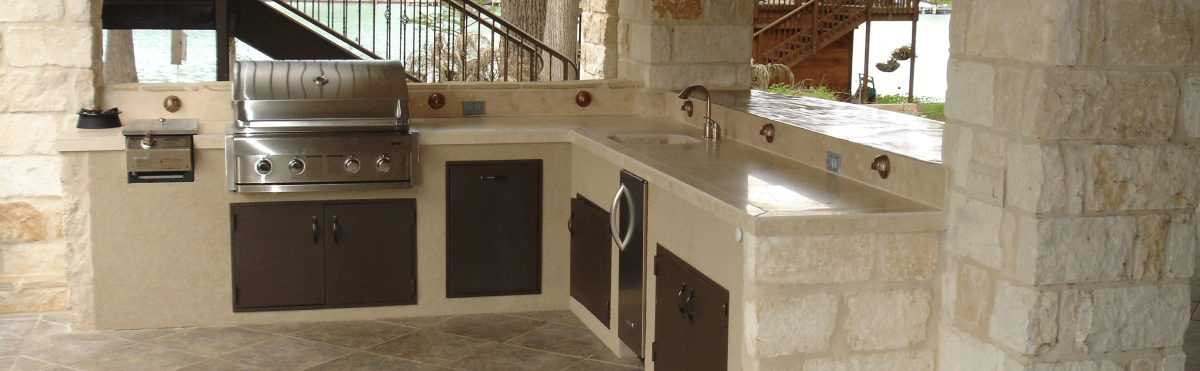
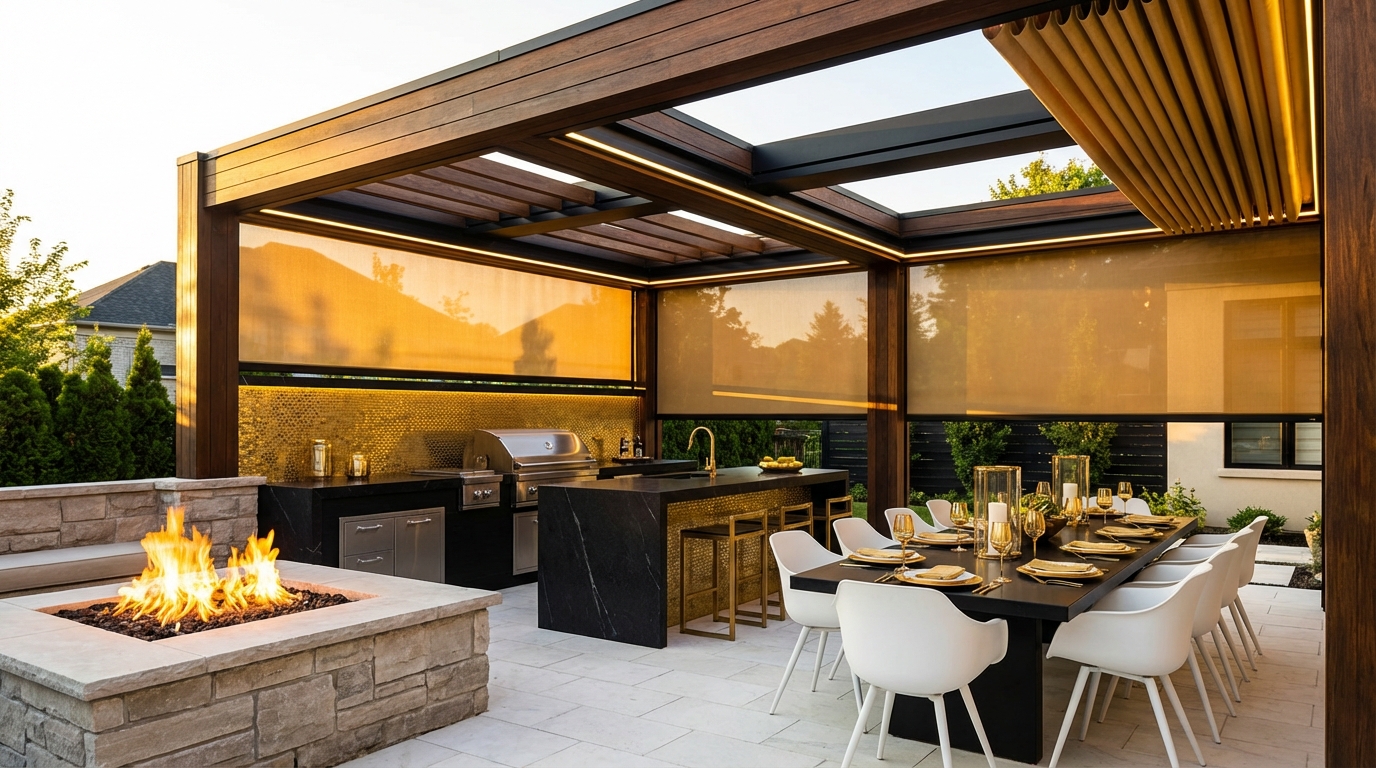
If you want a patio that feels like part of a good restaurant, with comfortable seating, smart lighting, and solid flooring under your feet, then you need three things to work together: good design, strong concrete work, and details that support how people actually eat and drink. Companies like https://www.gkconstructionsolutions.com/ focus on that solid base, and without that, the rest of the patio will never quite feel right, no matter how nice the furniture is.
Many people start with the furniture or the grill, which I understand. It is more fun to shop for chairs than to talk about drainage. But if the ground is uneven, or the slab cracks, or water pools right where you want to place a table, you are not going to enjoy those dinners. The food might be good and still feel like something is off.
I think the easiest way to look at this is the way a restaurant owner would. They care about looks, yes, but also how servers move, where plates go, where guests sit, and how easy it is to clean at the end of the night. A home patio that takes a few ideas from restaurant design often ends up much more pleasant to cook and eat on.
What “Restaurant Worthy” Really Means For A Patio
The phrase sounds a bit fancy, but it is not that mysterious. A restaurant worthy patio is one where people can sit, eat, drink, and talk for a while without thinking about comfort. Nothing gets in the way. Nothing feels fragile.
When I talk to people who cook a lot at home, they usually care about the same things restaurants care about, even if they do not say it that way.
- Space to move hot pans safely
- Enough room between chairs so people are not bumping each other
- Surfaces that clean easily after a sauce spill or a dropped drink
- Lighting that makes food look good, not strange or harsh
- Flooring that feels stable, without wobbly tables
Restaurant worthy patios are less about luxury and more about comfort that feels reliable every time you sit down to eat.
That is where solid construction work, careful planning, and concrete decisions, in the literal sense, matter more than another set of cushions.
How GK Construction Style Patios Support Cooking And Dining
Contractors who focus on patios for real use, not just photos, tend to think in two tracks at the same time. One is structure. The other is how people actually use the space day to day.
1. Stable Floors For Stable Tables
If you have ever eaten on a patio where the table rocked every time someone cut into a steak, you already know why this matters. Concrete patios that are planned with the right thickness, base, and slope do not just look better, they feel calmer.
For a restaurant style patio, the slab usually needs to account for:
- Weight of heavy grills, pizza ovens, or outdoor fridges
- Clusters of guests in one area, like around a bar counter
- Potential future features, such as a new smoker or prep table
Some homeowners try to save money with very thin concrete or with pavers on a weak base. It can work for a while. But cracks, dips, and loose spots show up sooner, especially in freeze and thaw climates. I have seen patios where every chair leg hunted for a level place. Eating there felt more like work than rest.
If you plan to cook and serve outside often, treat the patio slab the way a restaurant treats the kitchen floor: it has to hold up to heat, weight, spills, and constant movement.
2. Drainage That Does Not Fight Your Guests
Water problems might sound boring, but they are one of the main reasons patios crack, stain, or stay damp. For people who cook, drainage touches more than structure. It affects hygiene and comfort.
You do not want:
- Water running toward the house foundation
- Puddles where chairs should go
- Muddy spots near traffic paths from kitchen to grill
- Grease or food runoff pooling near seating
Good contractors set the right slope so water moves away, and they plan where it goes next. That might be a drain, a gravel run, or a garden bed that can handle extra moisture. If this part is rushed, you only notice during the first heavy rain, which is always after everything is set up and pretty.
3. Surface Choices That Match How You Cook
Concrete is not just plain gray slabs anymore, but sometimes simple is actually better for cooking spaces. It depends on your habits.
Think about these questions:
- Do you grill three times a week, or just a few times a month?
- Do you host big gatherings, or mostly quiet dinners for two or four?
- Do kids run through with sticky drinks and ice cream, or is it mostly adults?
Your answers should affect the finish you pick.
| Concrete Finish | Best For | Pros For Dining | Possible Drawbacks |
|---|---|---|---|
| Broom finish | High traffic, wet climates | Good grip, low cost, easy to clean | Simple look, can feel rough on bare feet |
| Stamped concrete | Decorative spaces, showpiece patios | Looks like stone or brick, nice for “restaurant” feel | Can need more sealing and careful cleaning |
| Exposed aggregate | Modern patios, near pools | Visually interesting, slip resistant | Harder on bare feet, tougher to mop food spills |
| Polished or sealed smooth | Covered patios, outdoor bars | Very easy to wipe, sleek look | Needs good anti slip measures when wet |
Restaurants tend to lean toward surfaces that clean well and hold up over years of use. Home patios deserve the same level of thought, even if the traffic is lighter.
Planning The Layout Like A Restaurant, Not Just A Backyard
One mistake I see a lot is treating the patio as one flat square where “everything will fit somewhere”. In practice, your grill station, prep area, dining table, and lounge chairs will all compete for good real estate.
Think for a moment about your favorite restaurant patio. You can usually tell where you are supposed to sit, where staff move, and where you wait or stand with a drink. It is not random.
Zones That Make Cooking And Serving Easier
A useful patio often has three simple zones, even if they are not separated by walls.
- Cooking zone: Grill, smoker, pizza oven, maybe a counter and small sink.
- Dining zone: Table and chairs, often close enough to the kitchen door for easy plate runs.
- Relax zone: Lower chairs, maybe a fire pit or couch style seating.
You do not need a big space for this. The key is to avoid clashes. Hot grill smoke should not blow straight into where guests sit. Kids should not have to cut through the grill zone to reach the door. That sort of thing.
If you picture carrying a full tray of plates across your patio and feel worried, the layout needs work before anyone pours concrete.
Many contractors appreciate a basic sketch from the homeowner. Even a simple drawing with circles and rectangles for main features helps them judge size, location, and where to reinforce the slab.
Access To The Indoor Kitchen
Few home patios have a complete outdoor kitchen with everything. Most people still run inside for plates, sauces, or side dishes. That path deserves more thought than it usually gets.
Ask yourself:
- Is there a straight, safe path from indoor kitchen to outdoor table?
- Is that path clear of furniture and sharp corners?
- Is the surface grippy enough if someone drips water or oil?
If the path involves stairs, it is useful to make those steps wide, evenly spaced, and comfortable in height. Restaurants obsess over this because servers carry heavy trays. At home, you might be carrying a cast iron skillet. The risk is not that different in terms of falls.
Lighting, Power, And Comfort Details That Matter While Eating
A patio can look great at noon and be unpleasant at 8 pm. Light, power, and comfort features decide if your new area becomes a real extension of your kitchen or just a weekend novelty.
Lighting For Food, Not Just Ambience
Some patios look nice in photos with string lights, but the plates are actually hard to see. If you care about cooking, or if you enjoy the colors on a charcuterie board or dessert plate, then your lighting plan should reflect that.
Think in two layers:
- Task lighting for the grill and prep surface
- Soft lighting for the dining and lounge areas
Good contractors can run conduit or sleeves during construction so electricians can add or adjust lighting later. It costs much less to plan for wiring before the concrete is poured. I know that sounds like something everyone says, but I have seen patios where someone had to cut into a brand new slab to add power for a simple fridge. It is painful to watch.
Power For Modern Cooking Gear
Outdoor cooking has changed. It is not just charcoal and tongs now. People bring out:
- Electric pellet smokers
- Portable induction burners
- Blenders for sauces or drinks
- Small fridges and ice makers
- Outdoor heaters or fans
Without enough outlets in the right places, you get extension cords running under table legs and chairs. That is not comfortable, and it is not safe either. When the patio base is planned, that is the best moment to think about load, locations, and future gear you might want, even if you do not buy it yet.
Shade, Wind, And Temperature
Restaurants pay a lot of attention to where the sun hits at different times of day. Guests rarely sit willingly in full sun for a long lunch if there is any other choice. At home, it feels like less of a crisis, but people still head inside if they are uncomfortable.
Some things to watch:
- Where the afternoon sun hits in summer. That is often when people grill.
- Dominant wind direction, especially if you use a gas flame or open fire.
- Locations where a roof extension, pergola, or large umbrella would actually work.
Concrete work and shade planning connect more than many people expect. Posts for pergolas or privacy screens usually need anchors set into the slab or footings beside it. If no one thinks about that early, you end up drilling near edges, which can weaken corners or look uneven.
Material Choices Beyond The Slab
Concrete is the star of the floor, but a restaurant style patio often brings in a few more materials for looks and function. Some work better than others once food and drink enter the picture.
Mixing Concrete With Wood And Metal
Simple combinations often look the best.
- Concrete plus wood: Warm, good for dining tables, benches, and accents.
- Concrete plus metal: Sturdy and weather resistant for bases, rails, and outdoor kitchen frames.
- Concrete plus tile: Nice for bar fronts and backsplashes, but needs careful grout choice near grease.
From a cooking point of view, table surfaces should be smooth and easy to wipe. Rough or deeply textured tops trap crumbs and sauce. That might not sound like a big deal, but cleaning gets old quickly when you use the space often.
Slip Resistance Near Wet Or Greasy Areas
Restaurants worry about people slipping, and home cooks should too. Water, oil, and small food pieces all change how a surface behaves underfoot.
Along the grill line or sink area, contractors can use:
- Textured concrete finishes
- Non slip sealers
- Drain channels or slightly stronger slope
I think some people go too far and want very smooth, glossy concrete everywhere because it looks “high end”. It does look nice at first, but if you stand near a grill with any amount of oil spray, that surface can become tricky. A restaurant would never choose a polished, slick tile for a fry station area. The same logic applies to a home burger zone.
Durability: Why Quality Construction Matters More When Food Is Involved
You can get away with lower quality on a patio that no one really uses. A few hairline cracks, some uneven spots, and chipped corners might be annoying, but not life changing. For a space where people walk with hot plates and pans, durability becomes a safety factor.
Common Patio Problems That Affect Dining
Some issues are structural, others are just frustrating. Regular use makes all of them harder to ignore.
| Problem | What You Notice While Eating | Typical Root Cause |
|---|---|---|
| Uneven slab or sunken area | Wobbly chairs, tipping drinks, tripping on edges | Poor base prep, soil movement, lack of compaction |
| Cracks spreading | Food crumbs and dirt trapped, hard to clean, ugly lines | Thin concrete, bad joints, shifting soil, freeze cycles |
| Standing water | Puddles near tables, mosquitoes, damp chair legs | Wrong slope, blocked drainage, settling |
| Flaking or scaling | Rough flakes under chairs, concrete dust on feet | Bad curing, deicing salts, low quality mix |
Some of these issues can be repaired, but fixing them always takes more time and money than doing it correctly at the start. This is one of the few areas where I think people are wrong when they say “we will adjust later if needed”. Once the patio is poured, you are not adjusting much without cutting, patching, or resurfacing.
Concrete Thickness And Reinforcement For Real Use
Most homeowners do not care about rebar or mesh details, and I understand that. It feels like inside baseball. Still, a few points have a direct effect on how your patio handles restaurant style use.
- Patios that support heavy grills and outdoor kitchens often use thicker concrete in those zones.
- Rebar or wire mesh helps control cracking, especially on larger patios.
- Control joints placed at the right spacing guide where minor cracks form.
You do not need to become a concrete expert, but you should be willing to ask the contractor about thickness, base depth, and reinforcement. If the answers feel too vague, that is a warning sign. A patio for light use is not the same thing as a patio that will hold a big smoker, a bar counter, and a group of guests each weekend.
Maintenance Habits For A Patio You Actually Eat On
A restaurant does not mop once a month. Staff clean surfaces daily because food and drink create stains and smell over time. A home patio does not need that level of effort, but it does need more care than a simple walkway, especially if you want it to stay inviting.
Simple Routine That Keeps Things Under Control
Here is a basic maintenance pattern that supports regular cooking and dining.
- After each big meal or gathering: Sweep or blow crumbs and debris. Wipe spills, especially grease and sugary drinks.
- Once a month in peak season: Hose the surface, use a mild cleaner where you see stains.
- Once a year: Check for cracks, shifting, or flaking. Reseal the concrete if your finish needs it.
Grease from grills can soak into untreated concrete and leave dark areas that are hard to remove. Sealers help, but they wear over time. This is one of those areas where a small yearly effort saves the look of the whole space.
Furniture And Feet: Protecting The Surface
Chairs get dragged. Tables get shifted. It is normal. On concrete, the damage is usually minor, but over years you can see wear paths.
- Use pads on chair and table feet where practical.
- Avoid metal legs with sharp or unfinished bottom edges.
- Move heavy grills and appliances on wheels, not by scraping.
I sometimes hear people say “concrete is strong, it can take anything”. It is strong, yes, but surfaces still scratch, chip, and stain. Especially decorative finishes. Restaurants protect their flooring with glides and regular checks. A similar mindset at home goes a long way.
Bringing Restaurant Ideas Home Without Overcomplicating Things
It is easy to go overboard. Outdoor kitchen catalogs can tempt you with every appliance known to man. But a restaurant worthy patio is not measured by how much gear you cram in. It is measured by how smoothly a simple meal flows from prep to plate to conversation.
Start with how you cook and eat now, not with a fantasy setup you might never really use.
A few grounded questions help frame the project:
- How many people do you honestly host on a normal night?
- What parts of cooking outside do you enjoy most: grilling, smoking, pizza, drinks, or something else?
- Do you cook more in the colder months or in high summer evenings?
Your answers point toward layout and construction needs. For example:
- If you host large groups, circulation space and chair spacing rise in priority.
- If you love low and slow smoking, shade near the cook area matters more.
- If you host late dinners, lighting and warmth matter more than a giant prep counter.
Good construction supports all of that rather than fighting it. Concrete work, footing locations, drainage, and power placement quietly decide how pleasant your future meals will feel. The details do not need to be complicated, just thoughtful.
Quick Q&A To Tie It Back To Cooking And Patios
Q: Is concrete always the right choice for a restaurant style patio?
A: Not always. Some people prefer natural stone or high quality pavers for looks. But concrete gives a strong, continuous surface that supports heavy cooking equipment and frequent cleaning. For most serious home cooks, especially where winters are rough, a well built concrete base is the most practical path. You can always add stone or tile accents later.
Q: How big should a patio be for comfortable outdoor dining?
A: For a simple table that seats four to six people, many people find that around 12 by 14 feet feels reasonable. That gives space to pull out chairs and still walk behind them. If you add a full grill station or bar style seating, the size grows fast. It is better to plan for extra walking space than to cram too many features into a tight square.
Q: Can I save money by skipping drainage planning?
A: You can skip it, but you will probably pay for it later. Poor drainage leads to puddles, stains, and sometimes slab movement. That directly affects dining comfort. Plates sitting in damp air, chairs in standing water, and constant cleaning do not make for relaxed meals. Basic slope and one or two well placed drains are rarely wasted effort.
Q: What is one thing people often regret not doing with their patio?
A: Many people say they wish they planned for more electrical outlets and better lighting. Once the concrete is in place, adding power means surface mounted wires or cutting the slab. Both are awkward. Thinking ahead a little, even if you are not ready to buy the grill or fridge yet, can save you from that problem.
Q: If you had to choose just one priority for a restaurant worthy patio, what would it be?
A: Personally, I would choose a well planned, well built slab with correct slope and enough space around the main cooking area. Fancy finishes and furniture can come later, but if the ground under your feet is strong, comfortable, and dry, every meal outside feels easier. The rest is just layering on personality and taste, the same way you season your food.