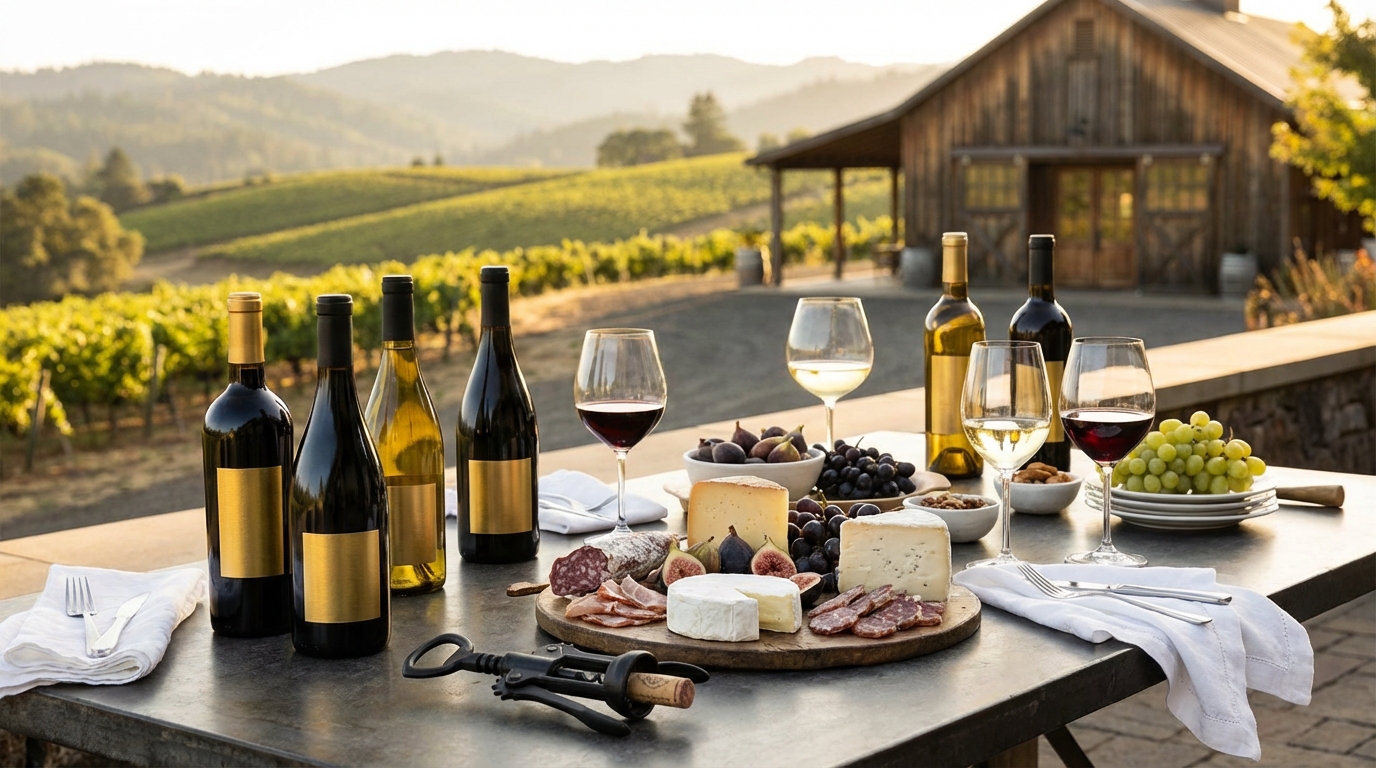
If you love good food and thoughtful wine, and you are wondering whether an Applegate Valley wine tour is worth planning, the short answer is yes. The valley is small, relaxed, and very focused on flavor. The wines are careful and often surprising, and the tasting rooms feel more like extended kitchens than glossy showrooms, which makes it a natural fit for people who care about cooking and restaurants.
The Applegate Valley sits in Southern Oregon, roughly between Grants Pass and Jacksonville. It is not a crowded place. You see small farms, gardens, and low hills, plus a lot of oak and pine. That slower pace changes how you taste. You have time to talk with owners, ask questions about fermentations, pick up real ideas for pairing wine with home cooking, and sometimes even smell something simmering on a stove in a back room.
If you are used to big wine regions with choreographed tastings, this might feel different. Less polished in some ways, more personal in others. I think that is why food people tend to like it. You can taste, ask, argue a little, and walk away with ideas you can use in your own kitchen.
What makes the Applegate Valley interesting for cooks
You can drink wine anywhere. So why fly or drive into a small valley that most people still confuse with the Willamette?
Part of the answer is the range of grapes. The area handles both warm and cooler climate varieties, sometimes even within the same winery lineup. That gives you a kind of playground if you cook at home or work in a restaurant and like to think about pairings.
Another part is the attitude. Many owners came from other careers. Some are former chefs or lifelong home cooks. They think about ingredients and recipes while they talk about vines. The conversation does not stay abstract for long. It goes to roast chicken, grilled peaches, late summer tomatoes, lamb with rosemary, the sort of food most of us actually cook.
You are not just tasting what is in the glass. You are collecting ideas for how that glass fits into a real meal.
If you care about your pantry and your spice shelf, that kind of talk is more helpful than hearing about brand stories or marketing campaigns.
Climate and grapes, without the jargon
The Applegate Valley is warmer and drier than famous Oregon regions to the north, but it still cools down at night. That swing helps keep acids in the grapes. In simple terms, you get wines that work with food because they do not taste flat or heavy.
Some grapes you are likely to see on a typical day of tasting:
- Tempranillo
- Grenache
- Syrah
- Malbec
- Cabernet Franc
- Pinot noir (in cooler pockets)
- Albariño
- Viognier
- Roussanne and Marsanne blends
- Rosé from various red grapes
This mix means you can move from bright whites to savory reds in one afternoon, and keep thinking about the kind of dishes each wine might support. For people who cook, that variety matters more than having a single famous grape.
Planning your Applegate Valley wine day with food in mind
If you care mainly about the wines, you could just hop from tasting room to tasting room and be happy. But if you think about flavor the way a cook does, a bit of planning makes the day much more useful.
Choose your focus: day of white and rosé, or day of reds
You do not have to pick one, but it can help. Your palate gets tired if you bounce around too much.
- White and rosé focus: better if you are interested in seafood, vegetables, lighter pasta dishes, and salads.
- Red focus: better if you think a lot about braises, grilled meats, charcuterie, and dark sauces.
I once tried to taste heavily oaked reds right after a flight of lean Albariño and rosé. The reds seemed blunt and clumsy. Two hours later, after a plate of cured meats, those same reds tasted complete. Context matters more than we like to admit.
Plan your route so that lighter wines come earlier and deeper, richer wines land closer to late afternoon or dinner.
Building your route around real meals
Many wine travelers forget to schedule meals. Then they end up snacking on crackers all day, which is not great if you care about tasting or about your mood by mid afternoon.
Think of the day like a simple tasting menu:
- A coffee and something small before your first stop.
- A serious lunch, either at a winery that serves food or in a nearby town.
- A planned snack gap around mid afternoon.
- A dinner reservation somewhere that knows the local bottles.
If you like cooking, this rhythm feels familiar. Prep, main work, rest, then plating. Wine touring, in a way, follows the same arc.
Food pairings you can test during your visit
One of the biggest advantages of a quiet region is that staff usually have time to talk. Many have tried their wines with specific dishes and can be surprisingly precise. Use that.
When someone behind the bar mentions a pairing, write it down or take a quick photo of the tasting sheet. These are ready-made ideas for future dinners.
Classic Applegate styles and what to cook with them
Here is a simple table to help you connect local wine styles with realistic, home friendly dishes. You can print something like this or save it on your phone and fill in your own notes while tasting.
| Wine Style You Might Taste | Flavors To Expect | Dishes To Try At Home |
|---|---|---|
| Albariño | Citrus, stone fruit, saltiness, bright acid | Grilled shrimp with lemon and garlic, simple ceviche, tomato and feta salad |
| Viognier | Peach, apricot, floral notes, fuller body | Roast chicken with tarragon, creamy seafood pasta, mild curries |
| Dry rosé (Grenache, Syrah, or blends) | Red berries, herbs, sometimes a savory edge | Charcuterie boards, Niçoise-style salads, grilled vegetables |
| Tempranillo | Red and black fruit, tobacco, earthy tannins | Chorizo with white beans, grilled lamb, mushroom and rice dishes |
| Grenache (red) | Ripe strawberry, spice, medium body | Roast pork, herb roasted chicken, ratatouille |
| Syrah | Dark fruit, pepper, smoked meat notes | Grilled steak, burgers with blue cheese, lentil stew |
| Cabernet Franc | Red fruit, bell pepper, leafy herbs | Roast chicken with thyme, grilled vegetables, tomato based pasta |
| Malbec | Plum, blackberry, cocoa, firm structure | Skirt steak with chimichurri, grilled portobello mushrooms, braised beef |
You will find exceptions. Some Viogniers are lighter, some Syrahs are very restrained. But thinking in these broad lines helps when you taste something and catch yourself saying, “Now what would I cook with this?”
How to taste like someone who cooks
A lot of wine advice feels remote from a kitchen. Words like “forest floor” or “graphite” do not help you season a stew. If you love cooking, you already know how to taste. You just need to direct that habit toward what is in the glass.
Pay attention to structure, not just flavor
When you taste a dish, you think about salt, acid, fat, maybe sweetness or bitterness. Wine is similar.
- Acid: How fresh does it feel? Does it make your mouth water?
- Body: Does it feel light, medium, or heavy on your tongue?
- Tannin: For reds, do your gums feel grippy or smooth?
- Alcohol: Does the finish feel warm?
Here is a simple way to link structure with food:
| Wine Feature | What It Suggests In The Kitchen |
|---|---|
| High acid | Good with rich, fatty, or creamy dishes that need brightness |
| Low acid, round texture | Matches better with mild dishes, simple roast meats, or soft cheeses |
| Firm tannin | Wants protein and some fat, like steak, lamb, or aged cheese |
| Soft tannin | Can handle lighter meats, vegetarian dishes, or tomato sauces |
| Light body | Good with delicate flavors, seafood, salads, and lighter pasta |
| Full body | Better with grilled, roasted, or strongly seasoned food |
You probably already think like this when you plan a menu. The tasting room is just a chance to test those instincts in real time.
Ask the questions many visitors skip
Instead of asking, “What is your most popular wine?”, try something that connects more with food:
- “Which wine do you open most at home with dinner?”
- “Is there a local cheese or ingredient you think fits this bottle?”
- “If I cook roast chicken on a weeknight, which of your wines would you reach for?”
- “Does this wine change much if I keep an open bottle in the fridge for a day?”
When I asked one winemaker that last question, she laughed and admitted that one of her whites actually tasted better on day two. That bit of honesty made me like the wine more, not less, because it felt like a real kitchen answer.
Where food fits into an Applegate Valley wine tour
This valley is not packed with large restaurants at every winery, and that is one area where your idea of the visit might need to adjust. You will find tasting rooms with small plates, cheese boards, or local snacks, plus good restaurants in nearby towns such as Jacksonville, Grants Pass, and Medford.
There are positives and negatives here. On one side, you might need to think more about timing and make a reservation or two. On the other side, you avoid the feeling of eating yet another generic “wine country flatbread” that tastes the same everywhere.
Tasting room food: what to look for
When a place offers food with its wines, ask a couple of quick questions:
- “Is the menu built with your wines in mind?”
- “Do you change the food when a new vintage comes out?”
If the answer is yes, that is a chance to learn. Pay attention to the details. How much salt is on the olives with a rosé? What type of cheese did they choose with a high acid white? A goat cheese next to Albariño sends one kind of signal, a rich cow’s milk triple cream sends another.
Bring that back to your own kitchen. Try layering a similar snack at home when you open a bottle you bought on the trip.
What this region can teach restaurant people
If you work in a restaurant or just think that way, an Applegate Valley wine tour can feel like research. There is less pressure to pour famous labels, which opens space for honest talk about pricing, by the glass choices, and how much risk you can take with lesser known grapes on a menu.
Thinking about wine lists after a visit
Let us say you run or manage a small bistro. You probably know the usual pattern: a Sauvignon Blanc from New Zealand, a Pinot noir from a big name region, the standard Cabernet from California. After tasting in the Applegate, you might start to ask different questions:
- Could a bright, slightly salty Albariño replace a more predictable Pinot Grigio on your list?
- Would a fresh, herbal Cabernet Franc work better with your roast chicken than a heavy Cabernet Sauvignon?
- Can you offer a Tempranillo by the glass with your braised dishes instead of always leaning on Malbec from Argentina?
One small restaurant owner told me he swapped a single by the glass Pinot noir for a Southern Oregon Grenache after a visit, just for a season. He did not push it hard. He just wrote one extra line on the menu about “bright red fruit and herbs, good with roast chicken”. Sales were brisk enough that he kept a similar wine in rotation the next year.
Is that a perfect scientific test? No. But it shows how a quiet regional tour can ripple into small menu changes.
Seasonal visits and how they affect your cooking ideas
Your experience in the valley will change with the month. For people interested in food, that can be helpful rather than annoying, because the ingredients you cook with shift too.
Spring
Spring means budding vines and cooler weather. Wines from previous harvests are on the bar, and tasting room snacks often lean lighter. You might think more about asparagus, peas, light fish, and young greens.
- Great time to focus on whites and rosés.
- Pairing ideas: green vegetable dishes, lemony sauces, simple grilled chicken.
Summer
Summer is warmer, obviously, and the valley feels dry and open. Fruit and vegetables are at their peak. This is when you walk through a tasting room and smell someone grilling outside or see stacks of tomatoes on a kitchen counter.
- Both chilled whites and lighter reds come into play.
- Think about grilled meats, salads, cold pasta dishes, fruit based desserts.
Fall
Harvest time can be busy, which has pros and cons. Staff may be tired, but you can see the work of winemaking first hand. If you like cooking, the smell of fermenting grapes next to crates of squash and late peppers can be strangely inspiring.
- Deeper reds start to feel more comfortable in the cooler air.
- Stews, braises, roasted root vegetables, and mushrooms move into focus.
Winter
Winter is quiet. Some places reduce hours. But the valley in cold light can be calm in a way that makes conversation easier. You taste slowly and think more about what you want to cook when you get home.
- Big reds and richer whites feel natural.
- Comfort food pairings: casseroles, slow cooked meats, gratins, rich soups.
Practical tips to keep your palate honest
Well planned meals help, but there are a few other small things that matter when you care about tasting with a cook’s attention to detail.
Control your tasting pace
If you taste everything at every winery, your mouth will go numb by mid afternoon. There is no need for that.
- Share flights when you can.
- Spit sometimes, especially at the first stop or two.
- Drink water at every bar, even if it feels awkward.
- Take small notes, even short phrases like “herbal, light, fish” or “big, stew, lamb”.
A simple notebook with a few lines per wine can turn into a personal pairing guide later. You do not need a rating system. Just enough detail so that six months later you remember why you liked that one Tempranillo with grilled sausage.
Eat real food, not just crackers
Crackers help clean your palate, but they do not prepare you for real pairings. Try to include at least one stop where you eat something cooked, not only cheese and charcuterie.
Then, when you taste a wine after a bite of food, pay attention to changes:
- Does the acid cut through fat in a good way, or does the dish suddenly taste sour?
- Does the wine’s fruit vanish next to a spicy bite?
- Does salt bring out more flavor in the wine?
These are the same questions you ask yourself while seasoning, so it should feel familiar.
Bringing the Applegate Valley back to your kitchen
The real value of a wine region, at least for people who cook, is what happens after the trip. Can you translate what you learned into simple changes at home?
Buy with a plan, not just by impulse
It is tempting to buy bottles just because you enjoyed them in the moment. That is not wrong, but you can be more deliberate.
- For each bottle, ask: “What specific dish will I cook with this?”
- If you cannot answer, ask staff for a pairing suggestion and write it on the label.
- Try to cover a few different roles: one flexible white, one deeper white, one lighter red, one medium red, one deeper red.
Then, back home, you have a mini set of tools. On a random weeknight, you can think, “I have chicken and lemons, plus that Albariño that worked with grilled shrimp; close enough.”
Use your trip as a reason to try new recipes
If you found a Tempranillo you liked, look up Spanish style dishes that fit its structure. If a Grenache caught your attention, maybe plan a simple pan of ratatouille or roasted vegetables with herbs. The point is not to cook a perfect regional match. The point is to link the memory of the valley with a new dish.
I once cooked a simple lentil and sausage stew after visiting a place that poured a peppery Syrah. It was not a classic pairing from any guide, but the mix of pepper, smoke, and earthy lentils made sense to me because I remembered the air near their fermenting tanks. Memory matters more than rules.
Common mistakes food lovers make on wine tours
People who care about cooking sometimes bring certain habits into a wine tour that do not help. A few things to watch for:
- Trying to design the perfect pairing on the spot, then overthinking everything.
- Sticking only to grapes you already know well, and missing local strengths.
- Comparing every wine to a famous region and ignoring what it actually does well with food.
- Ignoring sweeter or off dry wines, even though they can be useful with spicy or salty dishes.
You do not need to fix all of these at once. Even noticing one pattern can change how you taste.
A sample one day Applegate trip for food and wine lovers
Here is a rough outline for a single day that stays focused on flavor, not on checking off as many wineries as possible. It is not perfect, but it gives a starting point.
Morning
- Light breakfast with eggs or yogurt, not something very sweet.
- First winery around 10:30 or 11:00, focusing on whites and rosés.
- Ask at least one pairing question at that first stop, and write down the answer.
Midday
- Second winery late morning, maybe another white plus a light red.
- Short drive to lunch: look for a place that lists local wines or simple, clean dishes.
- Order a glass of something from the area with your meal; think about how it fits your plate.
Afternoon
- Third winery mid afternoon, focusing on reds.
- Small snack somewhere between tastings, even just nuts or bread with olive oil.
- Fourth winery only if you still feel curious and clear headed.
Evening
- Dinner at a restaurant in a nearby town that knows local bottles.
- Order a wine you did not taste earlier, just to add one more data point.
- Talk briefly with staff about which local wines people pair most often with specific dishes.
By the end of this, you will have tasted a reasonable number of wines, eaten real meals, and collected practical pairing ideas for your own cooking.
A quick question and answer to wrap up
Is an Applegate Valley wine tour worth it if you already visit larger regions?
If you enjoy cooking or work with food, I think yes, but not because the valley is trying to compete with bigger, more famous areas. The value is in the slower pace and the freedom to ask practical questions without feeling rushed. You will meet people who talk about wine the way you probably talk about recipes: with some passion, some trial and error, and a fair amount of opinion.
Some wines will stand out, some will not. That is normal. The real gain is that you come home with a clearer sense of how different grape styles from a smaller region can fit everyday dishes, from roast chicken to grilled vegetables. That sort of learning is hard to get from a menu or a screen. You need a place, a glass, and a bit of honest conversation, and the Applegate Valley offers just enough of each.