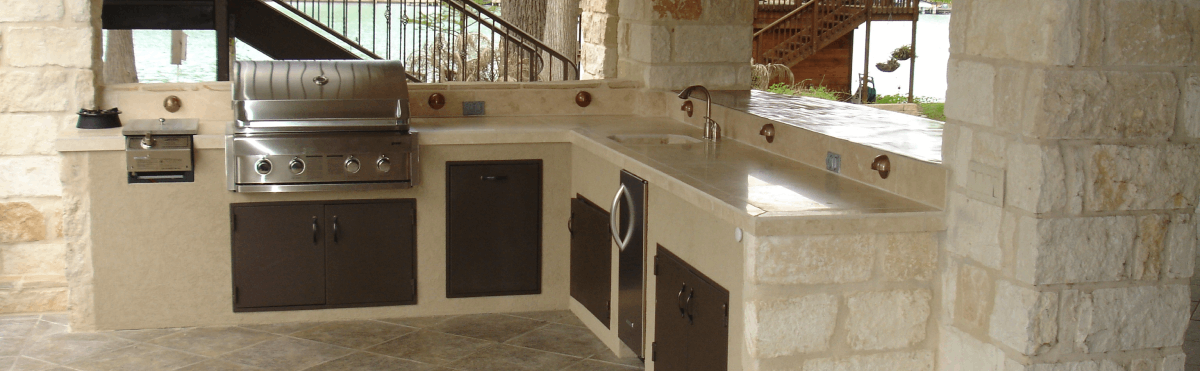
There’s a sound I love at the end of a long day in any kitchen: the squeak of a clean steel counter under a dry towel, the drain gurgling the last of the hot water away, everything back where it lives. Then I walk down the hall at home, open the bathroom door, and it’s chaos. Damp towels, a drawer that won’t close, a fan that hums and does nothing.
So let’s talk about the other wet room in your house. If you’re already picturing a new bathroom, a local company such as Bartholomew Remodeling North Carolina is one place to see what that work involves. My job here is smaller: to show you how the habits that keep a kitchen clean, fast and calm can shape a bathroom you’ll actually enjoy using every morning.
Prep: decide how the room has to work
In a kitchen, nobody picks a countertop before they know where the cutting board goes. A bathroom deserves the same respect. Before you fall for a tile or a faucet, figure out what happens in that room, in what order, and who’s doing it.
Watch your own routine
For one week, pay attention the way you’d watch a new cook on the line. Where do you set your toothbrush down? Where does the wet towel end up? Which drawer gets opened ten times a morning, and which one hides the stuff nobody’s touched since spring? Write it down. You’re mapping your stations, the same thing I do with a kitchen before a single cabinet moves.
In a family bathroom you’ll find bottlenecks fast. Two people at one sink at seven in the morning is the bathroom version of being in the weeds, everybody reaching across everybody. Notice it now, while changes are still just ideas on paper.
Think about the air before the finishes
A kitchen without a good hood smells like last night’s fish for days. A bathroom without real ventilation does something worse: it stays damp. Around Wilmington and the rest of coastal North Carolina, the air is humid much of the year, and a steamy bathroom on top of that is an open invitation for mildew in the grout and peeling paint on the ceiling.
Ask the contractor how they plan to move moist air out of the room, and whether the fan and its ducting suit the size of the space. That question belongs at the start, not as an afterthought once the tile is up.
Chef’s note: Plan storage the way you’d plan a mise en place, everything in its place before service. Count what you actually keep in the bathroom, then add a little room to grow. Storage you guessed at is storage that overflows by summer.
Cook: the build, in the right order
This is the part where professionals take over. Plumbing, electrical work, waterproofing and anything that touches the structure of the house belong to the people trained and permitted to do them. Your job during the build is the same as a good expediter’s: know the plan, ask clear questions, and keep the decisions moving so nobody’s left waiting on you.

Pick surfaces you can wipe down fast
Every surface in a restaurant kitchen gets judged by one question: can I clean this quickly, every single day, without thinking about it? I’d put every bathroom material through the same test. Large tiles mean fewer grout lines to scrub. A solid counter with no fussy edges wipes clean in one pass. A shower without a lot of ledges and corners gives soap scum fewer places to settle.
Here’s how I’d think about a few common choices, purely from the cleaning side:
| Surface | What it feels like to clean | Where it shines | What to watch |
|---|---|---|---|
| Large-format tile | Quick, few grout lines | Floors and shower walls | Can be slick when wet; ask about texture |
| Small mosaic tile | Slower, lots of grout | Shower floors, accents | Grout needs regular attention |
| Solid counter surface | One swipe and done | Vanity tops | Ask how it handles heat from styling tools |
| Glass shower panel | Easy with a squeegee | Opening up a small room | Water spots if you skip the daily wipe |
Build the vanity like a prep station
My favorite prep station has everything within one step: knife, board, towel, a container for scraps. A good vanity works the same way. The things you use every morning should sit at hand height, in shallow drawers, so you can see them at a glance. Backups and bulk go lower or higher, where reaching for them is a once-a-week job instead of a daily one.
Talk with the remodeler about drawer depth and dividers before the cabinets arrive. Deep, empty drawers become junk piles, and I’ve learned that lesson in more kitchens than I’d like to admit.
Light it so you can actually see
You’d never let a cook dice onions in the dark. Yet plenty of bathrooms have one dim fixture right above the mirror, throwing shadows straight down onto your face. Ask about light that comes from the sides of the mirror as well as overhead. All of the wiring, of course, is for a licensed electrician, so your part is simply saying what you need to see and where.

Plate: finish it and keep it that way
Plating is where a dish either lands or falls apart. A remodel is the same. The last few details, plus the habits you build in the first month, decide whether the new room stays lovely or slowly slides back to the old mess.
Set up first in, first out
In every walk-in I’ve worked, older product goes in front and new stock goes behind it. I do the same thing under my bathroom sink now, and it’s changed everything. New shampoo goes behind the open bottle. Spare toothbrushes sit in one labeled bin. Nothing gets 86’d because it expired at the back of a cabinet.
Use clear containers and simple labels. My kids can’t argue with a bin that says “hair stuff,” and honestly, neither can I.
Chef’s note: Keep a small caddy with a squeegee, a microfiber cloth and a spray bottle right in the bathroom. In a kitchen we clean as we go, and a thirty-second wipe after a shower saves you an hour of scrubbing on Saturday.
Run the fan during and after every shower, and give the room time to dry out before you close the door. In a humid climate, that one habit protects your new grout and paint more than any cleaner you could buy.
If something feels off after the work is finished, a door that sticks, a drain that runs slow, a fan that sounds rough, call the company that did the job and let them look at it. A kitchen gets its equipment checked when something sounds wrong; a new bathroom deserves the same attention.
Clean down
At the end of every shift, a kitchen resets: surfaces wiped, tools back in their spots, towels in the bin, the room ready for the morning crew. Give your new bathroom that same two-minute reset every night, counters cleared, towels hung to dry, fan running, and the room you planned so carefully will still feel new long after the dust from the remodel has settled.