The first few minutes in a cold rental kitchen always sound the same. Cabinet doors banging, someone asking where the big pot went, a fridge humming with nothing in it. Everyone is tired, everyone is hungry, and nobody has a plan.
Planning a Denver to Breckenridge shuttle is easier when you treat the meals as part of the route, because the minute your group steps off the ride, dinner is all anyone can think about. Years in professional kitchens taught me that a good meal is decided before anybody lights a burner. Here’s how I’d set up a mountain weekend for a crowd, in three stages, with you as the head cook.
Prep: Plan the menu before you pack
Prep is where a professional kitchen wins its night. We call it mise en place, French for everything in its place. For a group trip it just means deciding, counting and labeling before anything leaves home.
Count heads and allergies
Start with a headcount, the same number you’ll give the people booking your ride. Then ask everyone about allergies and foods they avoid, and put the answers on one page. One forgotten allergy can sink a whole meal, so ask early and ask plainly. If anyone has a serious allergy, that person’s own plan comes first.
Choose forgiving dishes
Pick food that survives travel and the odd mistake: chili, braises, soups, pasta bakes, sheet-pan dinners, big salads with the dressing packed separately. Skip anything fussy that depends on a precise oven you’ve never used.
Mountain towns sit high, and at altitude water boils at a lower temperature. Pasta, rice and beans take longer than they do at home, and baked goods can behave strangely. So choose dishes you can taste and adjust, not ones that live or die by the clock.
Pack in zones
Shop and pack in three zones: cold (meat, dairy, produce), dry (pasta, grains, spices, oil) and gear. For gear, message the host of your rental and ask what the kitchen already has: pans, a sharp knife, sheet trays, a big pot, a colander. Don’t assume. Bring your own good knife, sheathed and in your bag, and ask the transport company what’s allowed on board and where coolers can ride. Rules vary, and you want that answer before you pack, not at the curb.
Pack the cooler in reverse. What you need first goes in last. Keep raw meat sealed and at the bottom, away from anything that’s eaten without cooking.
Chef’s note: Write the menu on one page with the shopping list underneath. In a restaurant that’s the prep list, and nobody picks up a knife without one. Tape a copy to the rental fridge so the whole group knows what’s for dinner.
Cook: Run the weekend like a prep kitchen
Here’s the secret of any busy kitchen: cook once, use it twice. The more you do in one go, the less you stand over a stove on your vacation.
Cook once, eat twice
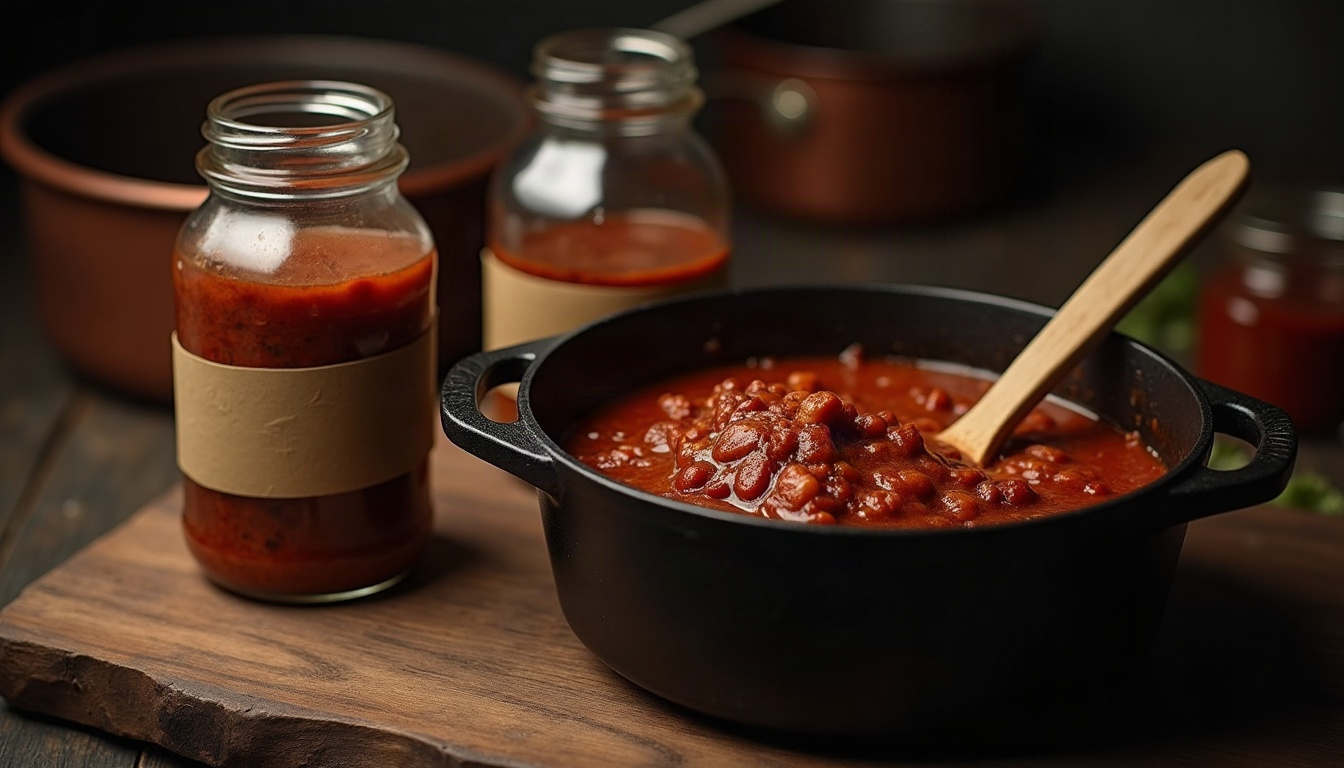
On night one, make a big pot of something that gets better tomorrow. Chili is my pick. It feeds a crowd, it keeps well, and the leftovers turn into breakfast burritos, baked potato toppers or a quick soup the next day. A pot that was simmering in the background while the group unpacked beats takeout every time. Plan one easy breakfast and one easy lunch around the same leftovers, such as eggs and warm tortillas, so the second day takes almost no effort.
Make-ahead mountain chili. Serves about eight. Use canned beans, since dried beans take far longer at altitude.
- 2 tablespoons olive oil
- 2 yellow onions, diced
- 4 cloves garlic, minced
- 2 pounds ground beef or turkey (or leave it out for a vegetarian pot and add another can of beans)
- 2 tablespoons chili powder
- 1 tablespoon ground cumin
- Two 28-ounce cans crushed tomatoes
- Three 15-ounce cans beans, drained and rinsed
- 1 cup stock or water
- Salt to taste
- Warm the oil in a large, heavy pot. Cook the onions until soft and sweet-smelling, then add the garlic for a moment.
- Add the meat and break it up. Cook until it is no longer pink and cooked all the way through.
- Stir in the chili powder and cumin and let them toast for a minute, until the pot smells warm and nutty.
- Add the tomatoes, beans and stock. Bring to a gentle simmer and cook with the lid slightly open, stirring now and then, until thick and rich.
- Taste, add salt, and taste again. Cool what you won’t serve right away, then label and refrigerate it.
Chef’s note: If you can, cook the chili the night before you leave and carry it up cold in a sealed container. Stews settle and deepen overnight, and your first evening in the cabin becomes a gentle reheat instead of a scramble.
Label everything
Masking tape and a marker are the cheapest tools in my kit. Write the dish, the date and anything a guest should know about, like nuts or dairy, on every container. Then use first in, first out: the oldest food gets eaten first. With a dozen people sharing one fridge, nobody remembers whose leftovers are whose, and a label settles it without a conversation.
Cook by taste, not by the clock
Because of the altitude, trust your senses over the timer. Is the pasta tender? Is the rice soft all the way through? Does the soup need salt or a splash of something sour? Taste often, with a clean spoon each time, and let the pot tell you when it’s done. Season in small steps, too. It’s easy to add salt and impossible to take it back out, and a tired, hungry group will forgive a pot that needs a pinch more far faster than one that is too salty.
Plate: Serve it simply and reset the kitchen
Plating a group meal is about making it easy for hungry people to help themselves, and keeping the food safe while they do.
Build a self-serve line
Set the food out in the order people will want it: plates, the main, sides, toppings in small bowls. In a restaurant that line is called the pass. Give every dish its own serving spoon, and keep hot food hot and cold food cold until it’s time to eat. Don’t leave anything sitting out for hours. Put leftovers away soon after the meal, once they’ve stopped steaming.
Write the allergens on a card beside each dish. It takes seconds and saves a bad evening.
Share the cleanup
Put the dish crew on the schedule the same way you put the cooks on it. Rotate it, so nobody gets stuck. Follow the host’s rules for trash, recycling and the dishwasher, and leave the kitchen better than you found it.
Chef’s note: Give the cooks the night off from cleanup. The person who made dinner is the person who gets to sit down. It keeps the cook happy, and it keeps the weekend going.
Clean down
Every night before bed, I do one thing the way a kitchen does at the end of a shift: set up tomorrow. Wipe the counters, put the labeled leftovers on the right shelf, and set out the first pan and ingredients for the morning. When the group wanders in half asleep, breakfast is already half made, and the whole weekend runs on that small, quiet habit.