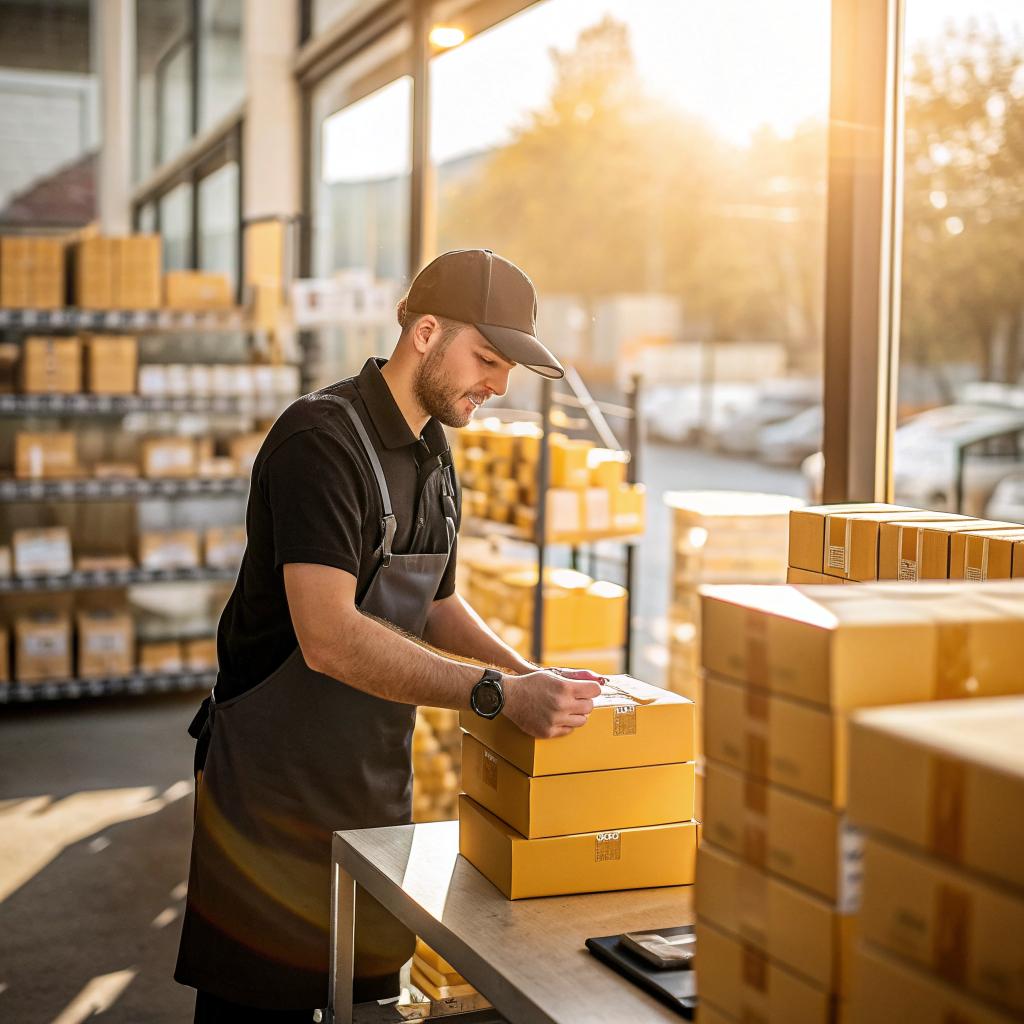
If you run a restaurant store and work with suppliers online, a dropshipping fulfillment agent helps by handling product sourcing, storage, packing, and shipping for you, so you can focus more on recipes, customers, and daily operations instead of chasing boxes and tracking numbers.
That is the short version.
Let us go into what that actually looks like in real life, especially for people who live and breathe food, menus, and service, not logistics.
What a dropshipping fulfillment agent actually does for a restaurant store
If you already deal with food vendors, equipment reps, or packaging suppliers, you know how many small tasks hide behind one simple order.
A dropshipping fulfillment agent takes over a big part of that hidden work for your non‑perishable items.
They are basically a mix of:
– product sourcer
– warehouse
– picker and packer
– shipper
– problem solver when things go wrong
For a restaurant store, that might cover things like:
– Branded takeout boxes, cups, and napkins
– Kitchen tools and gadgets you sell as merch
– Aprons, T‑shirts, hats, and other staff or fan gear
– Reusable containers, lunch boxes, or bento sets
– Simple bar tools, glass markers, coasters
– Recipe books, spice sets, or gift boxes
You choose what you want to sell. The agent finds suppliers, stores the items, then ships to your customers when orders come in.
The main goal is to separate “running a restaurant or food brand” from “running a warehouse,” so you are not stuck printing labels at midnight after service.
You still handle your brand, your menu, your online shop, your marketing. The agent handles the box.
Why restaurant people even bother with dropshipping
Some owners look at dropshipping and think it is a distraction. That is fair.
You might already be working 12 hours a day and the idea of adding an online store for merch or packaged goods feels like a lot. Still, there are a few reasons many restaurants, cafes, and food brands add it.
Extra income without filling your back room with boxes
Most restaurant spaces have terrible storage. There is that one shelf above the walk‑in that everyone hates. That is about it.
If you want to sell:
– Branded mugs
– Sauce gift packs
– Kitchen kits for home cooks
– Holiday gift sets
you run into a simple problem: where do you put all of it?
With dropshipping, items stay in your agent’s warehouse. Your online store connects to their system. When someone orders, they pick, pack, and ship it from their side.
No extra shelves. No cartons stacked by the staff bathroom.
Merch and packaged items keep your brand alive at home
A lot of regulars want a piece of your place at home.
They might not visit every week, but:
– They drink coffee every morning
– They cook at least a few dinners
– They buy gifts for friends who like food
If you sell:
– Mugs with your logo
– Simple knife sets with your name on the handle
– A small spice blend you actually use in the kitchen
– Cook‑at‑home kits for your signature dish (non‑perishable parts)
then the connection with your restaurant moves into their kitchen.
This is not always a big money maker right away. Sometimes it is more of a brand move. That said, it can still build a habit. People use that mug every day. They remember you.
Low risk testing of new product ideas
If you buy 1,000 units of something and it turns out nobody wants it, that feels pretty bad. You are stuck.
With dropshipping, you can:
– Test one type of apron, then switch to another
– Try selling a knife roll for chefs and home cooks, see if it sells
– Offer a tasting spoon set, then drop it if orders stay low
You do not hold all the stock yourself. So you can change direction faster.
If you treat your online store a bit like a menu, a fulfillment agent lets you “rotate specials” without betting the whole month of rent on one product.
How the workflow looks from order to delivery
It helps to see the full process once. Not the fancy version, just the real one.
1. You decide what to sell
You start with a clear list.
For example:
– Black cotton apron with your logo
– Simple chef knife and paring knife bundle
– Set of three spice blends used in your restaurant
– Branded ceramic mug
You do not have to launch with 20 products. Three or four is fine. Think of it like opening a tiny side menu.
2. The agent finds and tests suppliers
Your fulfillment agent:
– Finds manufacturers or wholesalers
– Checks quality and samples
– Confirms printing options for your logo
– Talks about packaging and delivery times
You should ask for physical samples before saying yes. Ideally, you cook with the tools in your own kitchen for a few days.
If you sell a pan and it warps on your stove, you will not trust that supplier for your guests. So why trust it for your customers at home.
3. They store products in their warehouse
Once you confirm the products, the agent arranges the stock.
The items stay in their warehouse. Not in your walk‑in. Not in your office.
They add barcodes or tags, place them on shelves, and connect them to your online shop so they know what is what.
4. A customer orders on your website
You keep control of the customer‑facing side.
– A customer visits your restaurant website
– They see a “Shop” or “Merch” section
– They buy a mug and an apron
– Payment flows through your usual system
Your store sends the order to the fulfillment agent automatically.
5. The agent packs and ships
The agent will:
– Print the shipping label
– Pick the correct products
– Check quality one more time
– Pack the box, often with your logo on the box or tape
– Hand it to the carrier you agreed on
You get tracking details to share with your customer.
6. Handling returns and issues
Things go wrong sometimes. Late deliveries. Broken mugs. Wrong size shirt.
Your agent can:
– Receive returns at their warehouse
– Check the returned item
– Restock good items
– Report problems back to you
– Help arrange refunds or replacements
A good agent is not just a shipper; they are your “back office” for all the boring stuff around each order.
If they refuse to touch returns or never accept responsibility when things break, that is a red flag.
What this changes inside your restaurant business
Once you start working with a dropshipping fulfillment agent, a few parts of your workday shift.
Less box handling, more brand work
You move away from:
– Printing shipping labels during prep time
– Hunting for bubble wrap behind the fridge
– Guessing postage at the post office counter
and move toward:
– Choosing better products over time
– Improving photos and descriptions
– Promoting your store to your regulars and online followers
You trade physical tasks for more planning and brand thinking. Some owners enjoy that. Some do not. It is good to be honest with yourself here.
Better use of small staff and small spaces
If you have a tiny team, do you really want your line cook or barista packing boxes before service?
Probably not.
You want them:
– Prepping mise en place
– Dialing in espresso
– Setting up the pass
– Talking to guests
Let the warehouse team in another location fold boxes and tape cartons. They are set up for that.
More consistent shipping experience
Customers care about food. They also care about what happens after they pay.
If packages:
– Arrive late
– Look damaged
– Contain the wrong color or size
they blame your restaurant, not the courier.
A serious fulfillment agent ships all day, every day. Their packing tables, label printers, and routines are built for consistency. That usually beats the “back of the house on a busy day” system.
What matters most when choosing a dropshipping fulfillment agent
Not every agent fits a restaurant store. Some are more focused on electronics or fashion. Others do not like small order volumes.
Here are areas that matter more than people expect.
1. Product knowledge and sourcing quality
If you plan to sell knives, aprons, cups, or spice jars, you want someone who understands basic quality checks.
You can ask:
– Have they worked with kitchen or restaurant brands before
– Do they know which materials hold up in real kitchens
– Can they explain why one supplier is better than another, in plain language
Sometimes you will know more than them about the product. That is fine. You cook, they ship. Still, they should show curiosity and be willing to adjust based on your feedback.
2. Packaging standards
Food people care about presentation. That should not stop at the front door of your restaurant.
Ask your agent:
– Can they pack with branded tape or inserts
– Do they add enough padding for fragile items
– Do they photograph sample packages before shipping, so you can judge the look
If your in‑house plating is careful but your shipped box looks sloppy, the message is mixed.
3. Real shipping times, not fantasy ones
You probably hate when delivery times for your own supplies slip without warning. Your customers feel the same.
Ask the agent for:
– Honest average delivery times to your main countries
– Real examples from the last few months
– How they communicate delays during peak seasons
If they promise unreal speed at very low prices, that might sound appealing, but it usually breaks later.
4. System connection with your online store
If your restaurant store runs on Shopify, WooCommerce, or another common platform, your agent should connect smoothly.
You want:
– Orders to sync automatically
– Stock levels to update without you editing by hand
– Tracking numbers to feed back into your store
You do not want to copy and paste address details during lunch rush.
Using dropshipping for restaurant themed products
Let us talk about actual things you could sell that fit a cooking and restaurant audience.
Branded kitchen tools
Some ideas:
- Aprons with your logo and a simple, clean design
- Basic chef knife and paring knife bundle for home cooks
- Wooden spoons or spatulas with subtle branding
- Small cutting boards used for your cheese or charcuterie plates
You can test what your guests respond to by displaying a sample item near the counter or host stand. If people pick it up and ask “Can I buy this?”, that is a good sign.
Takeout and coffee gear for home
If you run a coffee shop or a place where takeout is strong, look at:
– Reusable cups that match your current paper ones
– Insulated bottles with your logo
– Lunch containers that match your packaging style
These work well for people who already order from you often.
Recipe kits and dry goods
Here you need to be careful with rules, storage, and shelf life. You cannot ignore safety just because it ships from someone else’s warehouse.
Some lower risk ideas:
– Shelf stable spice blends you use in the restaurant
– Dry pasta plus a printed recipe card
– Baking mixes that only need eggs and butter at home
You would need to plan labeling and compliance, but a good agent can support with packaging and consistent packing.
When a fulfillment agent is not a good idea
So far this sounds quite positive, but it is not always the right move.
There are cases where dropshipping can distract more than help.
Very early or very fragile restaurants
If your restaurant is new and still trying to fix menu, staffing, and cost control, adding a full online store can be a wrong step.
You might end up:
– Splitting your focus
– Spending time on product pages while your kitchen systems are not stable
– Losing sleep over parcel tracking instead of food quality
In that case, a smaller step like selling only in‑house merch without online shipping might be better for a while.
When your brand is not ready
If your logo, name, or style is still changing, printing 500 branded items through an agent does not make much sense.
Your dropshipping partner will want some volume to keep prices reasonable. Constantly changing designs will slow both of you down.
It can be smarter to settle your visual identity first.
When control matters more than time
Some owners love having total control. They want to touch each product, see every box, and know exactly what leaves the building.
If that is you, working with a fulfillment agent will feel strange and might cause stress.
You might be better off shipping a small number of items yourself until you are comfortable letting go.
Common problems and how agents help solve them
Not everything goes smoothly. Here are some issues that come up often, and how a strong agent can help.
Stock running out during busy seasons
Imagine your online store picks up in December. People want gift boxes and aprons. Then a product runs out.
With a good agent:
– They track stock levels in real time
– They warn you before items go to zero
– They can suggest similar alternatives or quick reorders
You still have to make final decisions, but at least you are not surprised after the fact.
Inconsistent product quality from factories
This happens with almost any manufactured product.
One batch looks great. The next has thinner fabric or poor printing.
Your agent can:
– Inspect batches on arrival
– Compare with your approved samples
– Reject bad lots before they reach your customers
If they never send you photos or inspection notes, you might not notice problems until returns increase.
Slow response to customer questions
Most restaurant teams are not set up for e‑commerce support.
Service staff handle in‑person guests. Managers handle schedules, suppliers, and maybe social media. Nobody owns “Where is my package?” type questions.
Some fulfillment agents offer customer support help. Others do not.
If they do:
– They can answer simple delivery questions
– They can push tracking updates
– They can handle lost parcel claims with carriers
You still need to set the tone and brand voice, but they can take weight off your inbox.
Cost comparison: self shipping vs fulfillment agent
Money always matters. Let us look at a simple comparison.
| Task | You ship yourself | With fulfillment agent |
|---|---|---|
| Storage | Back room or rented space | Included in warehouse fees |
| Packing materials | You buy boxes, tape, filler | Agent buys at volume pricing |
| Staff time | Your team packs orders | Agent’s warehouse staff |
| Shipping rates | Retail or small business prices | Discounted carrier rates |
| Software / systems | You manage labels and tracking | Agent’s software integrates with your store |
| Control | High, you see every item | Lower, but more consistent process |
Sometimes self shipping looks cheaper on paper because you ignore your own time, or your staff time. This is common.
If you actually value:
– One hour of manager time
– Two hours of staff time per week spent packing
you often find that an agent is not much more expensive. In some cases it is cheaper, especially if they get better shipping rates.
How to work with an agent without losing your restaurant’s personality
There is a real risk here. If everything ships from a warehouse, your products can start to feel generic.
A few ways to keep your restaurant’s style alive.
Add a touch from the chef or owner
This can be small.
– A short printed note from the chef explaining why they like this tool
– A recipe card using the spice blend or tool from the box
– A QR code linking to a 2‑minute video filmed in your kitchen
You prepare the content once. The agent adds it to each box.
Control product selection, not just logos
Try to avoid slapping your logo on random items that have nothing to do with your food or style.
If you run a ramen bar, a high quality ramen bowl and chopsticks set makes sense. A random phone case with your logo does not.
When your products match your menu, customers feel the connection, even if the box came from another city.
Review feedback and adjust fast
Ask your customers:
– Was the product quality what they expected
– Was the packaging okay
– Did shipping feel reasonable
Then share clear feedback with your agent.
If an apron pocket rips easily, ask for a stronger model. If mugs arrive chipped, review packing methods.
You cannot fix what you never talk about.
Questions restaurant owners often ask about dropshipping and fulfillment agents
Can a dropshipping fulfillment agent handle food products?
Sometimes, but not always.
Dry goods, sealed packaged items, and long shelf life products are easier. Fresh or frozen products are much harder and usually need specialized facilities and licenses.
If your idea is to ship your fresh pasta or hot meals through a regular fulfillment setup, that is usually a bad plan. Temperature control, safety rules, and timing make it complex.
For most restaurants, it is better to focus dropshipping on non‑perishable items and maybe a few packaged goods that are very stable.
Is working with a fulfillment agent only for big restaurant chains?
Not only. Small restaurants and single locations can use them too.
The question is more about volume and focus than size.
If you get:
– Fewer than 10 online orders per month
it might be easier to pack yourself.
If you are getting:
– 50, 100, or more orders each month
and your team is annoyed by the extra work, then a fulfillment agent starts to make sense, even for one location.
How do I know if my restaurant is ready for this?
You can ask yourself a few direct questions:
- Do I have at least a small but loyal customer base that likes my brand?
- Have people asked to buy things we already use, like mugs or aprons?
- Is my core restaurant operation stable enough that I can give attention to a side project?
- Am I okay letting another team handle physical products under my name, if we keep clear standards?
If you say yes to most of those, testing a few products with a dropshipping fulfillment agent is at least worth exploring.
If not, you might still keep the idea in your back pocket and come back to it later when the kitchen, front of house, and cash flow feel less fragile.
So, if you imagine your guests sitting at home, cooking your dish with your tools, drinking from your cup, or wearing your apron, does that feel right for your restaurant?