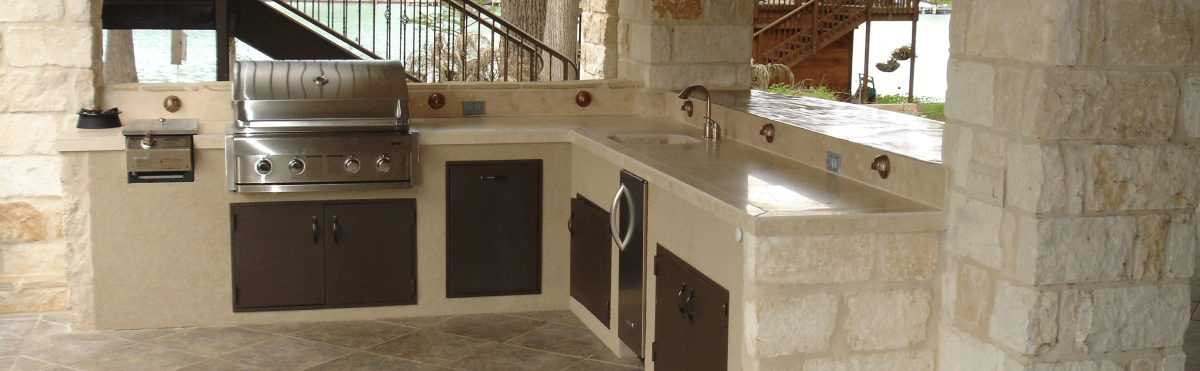
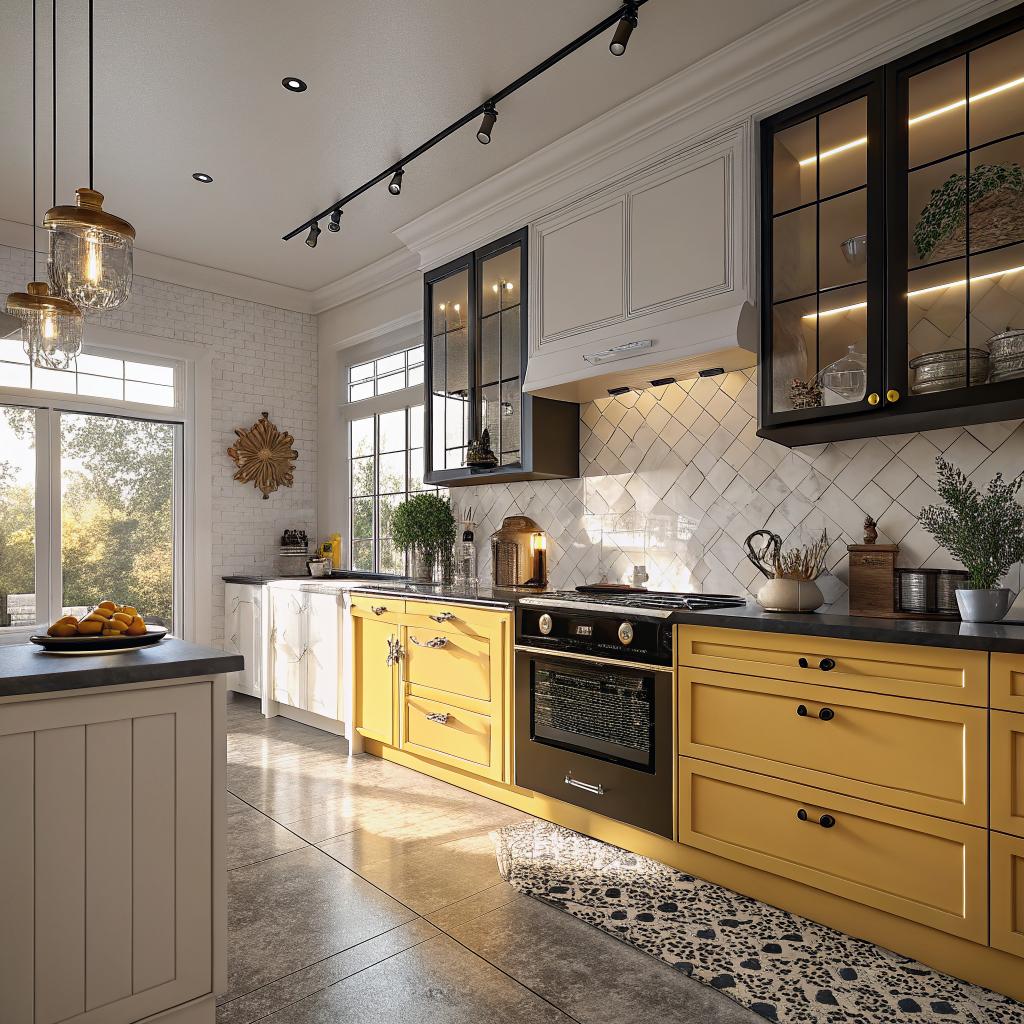
If you hire a general contractor Lexington KY who knows kitchens and actually listens, they build a dream kitchen by starting with how you cook, then shaping the layout, storage, lighting, and finishes around that daily reality. Not around trends. Not around what looks good in a showroom, but around how you chop vegetables on a Tuesday night, where you put your sheet pans, and how close you want the sink to the range.
That is the short answer. The long answer is a bit messier, which I think is more honest. A good contractor has a process, but it is not magic. It is a mix of conversations, trade skill, local building rules, and a lot of tiny decisions that you only notice later when the kitchen feels easy to cook in.
How a contractor starts: your cooking comes first
A careful contractor in Lexington who builds a lot of kitchens will usually begin in the same place: they ask how you cook.
Not what color cabinets you want. That comes later. They start with questions that sound simple but matter a lot:
- How many people cook in the kitchen at the same time
- Do you cook most nights or just on weekends
- Do you bake, can, or prep big batches of food
- Do you host large groups or quiet dinners for two
- Do you want kids in the kitchen while you cook or away from hot zones
- Do you order in often but care more about coffee and breakfast
Contractors who have done real restaurant work will sometimes ask even more focused questions, such as where you stand when you plate food, or where you put dirty dishes while serving. It can feel a bit much at first, but it matters.
A dream kitchen is not the one with the most features. It is the one that lets you cook the way you already like to cook, only with less stress and less walking back and forth.
If you like to cook fast, you want burners that respond quickly and a clear path from fridge to prep to stove. If you like slow cooking and entertaining, you might care more about seating and sightlines than a huge range. A good contractor keeps coming back to this: what kind of cook are you.
The Lexington factor: climate, codes, and real houses
Lexington is a bit specific. Not in a dramatic way, but enough that a local contractor thinks about different things than someone in a desert or a coastal city.
Older homes, older layouts
Many homes around Lexington, especially near downtown and in older neighborhoods, have kitchens that were never meant to be the main gathering space. Small windows. Odd doors. Sometimes a low ceiling or a chimney chase that cuts into the room.
A contractor who works here a lot learns certain patterns:
- How to open up walls without ruining the structure
- Where plumbing usually runs in older homes
- How far they can push an island before traffic flow breaks down
- Which walls carry vent runs for exhaust hoods
I have seen projects where the owner wanted a huge island in a small Lexington kitchen. On paper it fit, technically. You could still walk around it. But once it was installed, you could not open the dishwasher fully without bumping into someone. A contractor who thinks about real movement in the space will push back on that before it is too late.
Local codes and safety
It sounds boring, but cooking and safety are tied together. Gas lines. Electrical load. Venting. Fire clearance near the range. A contractor has to keep Lexington and Kentucky codes in mind all the time.
For example, strong range hoods are popular with people who cook like they are in a commercial kitchen. But high power hoods pull a lot of air out of the house. In colder weather, without proper make up air, that can cause drafts or even pull exhaust from other appliances back into the home. A good contractor will raise this point before you buy the fanciest hood you find online.
Pretty cabinets mean very little if the kitchen is not safe, well vented, and wired to handle real cooking.
Turning your cooking habits into a layout
Once a contractor understands how you cook, they start shaping a layout. Many people talk about the old “work triangle” between sink, stove, and fridge. It still helps, but it is not enough for modern cooking.
Thinking in zones, not just triangles
Contractors who pay attention to cooking tend to think in zones. That idea often comes from restaurant kitchens, where each station has a clear job.
In a home kitchen, that might look like:
- Prep zone: near the sink, with cutting boards, knives, trash, and compost
- Cooking zone: near the range, with pots, pans, cooking tools, and spices
- Plating and landing zone: near the range and sometimes near the dining area
- Baking zone: with good counter space, mixer, and baking tools
- Coffee or drink zone: near water and storage, but away from the main work line
Not every kitchen is large enough for all of these, of course. But even in a small Lexington bungalow, a contractor can group tasks so you are not crossing paths all the time.
If you feel like you are constantly bumping into someone or setting hot pans in unsafe places, the layout is working against you, no matter how nice the finishes are.
Islands, peninsulas, or nothing at all
Everyone seems to want an island. It looks good in photos. But sometimes a peninsula or even no island at all works better.
A contractor will think about:
- Walking space between counters
- Doorways to the deck, garage, or dining room
- Where kids or guests naturally gather
- How far you carry hot food
For a serious home cook, the most useful island is not always the biggest one. It is the one that gives you:
- At least one long clear run of counter
- A place to set groceries when you walk in
- Dish storage near the dishwasher
- Enough room so a second person can pass behind you while you cook
Storage built around real cooking gear
This part is where a contractor who listens can make your day-to-day cooking life much easier.
Designing around your actual tools
Many contractors will walk your current kitchen with a notebook or photos. They look at what you own, not what you wish you had.
They might ask:
- How many pots and pans you use often
- Whether you have a stand mixer that lives on the counter
- How many cutting boards you rotate through
- Where your knives, spices, and oils live right now
- If you have larger items like a stockpot, sous vide gear, or canning tools
I once saw a plan that looked neat on paper, with narrow drawers everywhere. It felt organized. But the owner had a large Dutch oven, a wok, baking sheets, and cutting boards that did not fit well in any of them. The contractor had to rework parts of the cabinet layout late in the build. Walking the space with the actual cookware early would have avoided that.
Smart storage ideas that work for most cooks
While every kitchen is different, some storage ideas keep coming up because they work:
- Deep drawers for pots and pans instead of low cabinets
- Narrow pullouts near the range for oils, salt, and daily spices
- Tray dividers for baking sheets and cutting boards
- Pullout trash and recycling near the main prep spot
- A shallow drawer for measuring spoons and small tools near your baking area
A contractor will map these against your layout like a puzzle. Where you stand to chop. Where you move pans. Where plates go after washing.
Surfaces and finishes that match how you cook
This part gets a lot of attention in magazines. Countertop materials. Backsplash tile. Cabinet colors. It matters, but not only for looks. A contractor who has seen many kitchens age over time will be honest about what holds up to real cooking.
Countertops for real-world messes
Here is a simple comparison that many contractors walk through with clients. It is not perfect, but it helps you think more clearly.
| Countertop | Good for cooks who | Things to watch |
|---|---|---|
| Quartz | Want low maintenance and cook often with sauces and wine | Can discolor with very high heat or some strong dyes |
| Granite | Do heavy chopping with boards and do not mind resealing once in a while | Needs care with sealing and can chip at corners if hit |
| Butcher block | Like a warm look and occasional light chopping on the counter | Needs regular oiling, can stain near sink and around the stove |
| Stainless steel | Want a restaurant feel and do a lot of fast prep and sliding pans | Shows scratches and smudges, louder to work on |
Some people love the look of softer stones but cook with a lot of citrus, vinegar, or wine. A local contractor who has seen etching and staining on those materials will usually advise caution, not because the stone is bad, but because it may not match how you use the space.
Cabinets that survive constant use
If you cook often, doors and drawers take a beating. Slamming. Greasy hands. Steam from pots. A contractor reads cabinet specs more carefully than most homeowners want to.
They look at:
- Box construction and thickness
- Hardware quality and soft close strength
- Finish type and how it behaves with grease and cleaning
- Warranty and local support if parts fail
Painted cabinets are popular, but they also show chips more. A contractor might suggest mixing painted uppers with tougher finishes at lower levels, where pans and kids bump into them more.
Lighting that actually lets you see your food
Many people underestimate lighting until they try to chop herbs in their own shadow. A contractor who cooks, or who talks often with people who do, knows this pain.
Layers of light, not just one big fixture
A good kitchen lighting plan usually has three main parts:
- General light: fixtures in the ceiling that fill the space
- Task light: under cabinet lights, lights over the island, focused beams over the sink
- Accent or mood light: softer options for late nights or guests
Color temperature also matters. Many serious home cooks like a neutral to slightly warm light. Too cold and food looks odd. Too warm and it can feel dim and muddy. A contractor may nudge you toward a balanced option that still looks good on camera if you like taking photos of your dishes.
Appliances chosen with your habits in mind
Appliance shopping is where people tend to get lost. Everything looks shiny and powerful. A contractor grounds the conversation in your actual habits and your electrical panel capacity.
Range or cooktop and wall ovens
This choice gets a lot of attention, maybe more than it deserves. A contractor will ask questions such as:
- Do you use the oven a few times a week or a few times a month
- Do you bake bread, roast big cuts, or mostly heat frozen items
- Do you cook strong smelling foods that need strong ventilation
- Do you want the oven higher for easier access
Gas is popular for control, but induction cooktops are gaining ground for speed and easier cleanup. A contractor will check that your pans work with induction and that your panel can handle the draw. Some older Lexington homes need electrical upgrades before large induction units or double ovens make sense.
Fridge size and layout
People who cook a lot often think they need the largest fridge. Sometimes that is true. Sometimes better organization beats size.
A contractor might look at:
- How often you shop for groceries
- How much fresh produce you keep on hand
- How many leftovers you store
- Whether you need a second fridge in a garage or basement
For someone who cooks often, a counter depth fridge that does not block walkways can make more sense than an extra-deep model that dominates the room.
Planning the work so your life can still function
The build process itself affects how you feel about the kitchen. A strong contractor is not only a builder. They are a planner and, at times, a bit of a traffic manager in your home.
Timeline and phases
A realistic contractor will walk you through the phases:
- Design and layout decisions
- Ordering cabinets, appliances, and long lead items
- Demolition and structural work
- Rough plumbing, electrical, and HVAC
- Insulation and drywall
- Cabinet and counter install
- Tile, flooring, and trim
- Final fixtures and punch list
Cabinet and appliance lead times can slow projects. Good contractors in Lexington have learned to lock in orders early, especially for special finishes or high demand items. They also help you set up a temporary kitchen somewhere in the house so you are not eating takeout every night.
Common mistakes contractors try to prevent
No contractor is perfect, and sometimes clients insist on choices that look nice but do not work as well for cooking. Still, experienced pros see patterns and try to head off frequent problems.
Too few outlets and weak circuits
If you use a blender, mixer, coffee gear, and maybe a sous vide unit, your outlet layout matters. Some kitchens end up with daisy chained power strips and cords everywhere. A contractor checks local code and often suggests:
- More outlets along prep areas
- Dedicated circuits for heavy draw appliances
- Hidden outlets in appliance garages or on islands
Ignoring ventilation
Some people skip a proper range hood to save money or to keep a clean visual line. But if you fry, sear, or cook strong smelling food, that choice adds up over time. Lingering smells, sticky film on cabinets, and smoke alarms that go off when you pan sear a steak.
An honest contractor will usually recommend vented hoods for serious cooks, not recirculating ones, and will plan the duct path early so it does not fight with beams or roof lines later.
Lighting the room, not the counters
One ceiling light in the middle of the room creates glare and shadows. A contractor looks at where your head will be when you chop and stand at the stove. Then places lights so you see the food, not just the floor.
How contractors balance budget and kitchen dreams
This is the hard part. You might want professional grade appliances, custom cabinets, and hand made tiles. Many people do. Most budgets do not stretch that far. Good contractors in Lexington usually break the budget into parts and ask which parts affect your cooking life the most.
A simple way to think about it is to group spending into three rough levels.
| Category | Spend more when you… | Can save a bit when you… |
|---|---|---|
| Layout & structure | Want walls moved, larger openings, better flow | Are fine with the existing shape of the room |
| Appliances | Cook often and need reliability and control | Mostly reheat or cook simple meals |
| Cabinets & storage | Have many tools and need durable hardware | Have fewer items and can accept some compromises |
| Surfaces & finishes | Care about cleanup ease and long term look | Are open to simpler tile, standard counters, or basic pulls |
Contractors often suggest protecting the layout and the “working parts” first: structure, electrical, plumbing, lighting, and ventilation. Those affect safety and daily cooking comfort. Then they help you adjust other choices, such as tile patterns or fixture brands, to bring the project cost back to where it needs to be.
Bringing in restaurant ideas without turning your home into a line kitchen
Since this topic speaks to people who love cooking and often follow restaurant culture, it is fair to ask: how much can you borrow from commercial kitchens.
A contractor might draw inspiration from restaurant layouts, but they also know that home kitchens have softer needs. You want room for conversation, not only production.
Restaurant habits that work at home
- Clear stations for prep, cooking, and cleanup
- Everything has a defined home, from knives to spices
- Surfaces that can handle heat and frequent wiping
- Strong, even light over work areas
- A logical flow from delivery (groceries) to storage to prep to cook to plate to clean
I have seen contractors place a narrow stainless shelf over the range, like in a restaurant, for salt, pepper, and a few regular spices. It is a small move but changes your habits in a nice way. You stop crossing the kitchen for basics.
Where you might not want to copy restaurants
Full stainless counters and bright overhead lights can feel harsh in a home. Loud commercial hoods can drown conversation. Tile everywhere can feel cold. Contractors try to balance these harder surfaces with wood, softer light options, and seating that invites people to linger, not just eat and leave.
Working with a contractor: questions to ask as a serious home cook
If you love cooking, you can ask more focused questions when you talk with contractors. You do not need to know every technical term. You just need to share honest details about how you live and what bothers you in your current kitchen.
Questions that usually lead to better kitchens
- Can we walk through where I will chop, stir, and plate in this layout
- Where will my main knives and cutting boards live
- How close is trash to my main prep spot
- Where do hot pans go when they come out of the oven
- Will I cast a shadow on the counter when I chop here
- What happens if I run the hood, oven, and a few small appliances at the same time
- Where do kids or guests sit while I cook so they are close but not in the way
If a contractor cannot answer these clearly, or seems annoyed by the level of detail, that might not be the right fit for a serious cook. Some contractors are more focused on looks than function. Others like the challenge of a kitchen that works hard every day.
One last thing people forget: sound and smell
When you cook a lot, your kitchen feels different. It sounds and smells like a working space. Contractors who think deeply about kitchens pay attention to this, not only for comfort, but for how the space connects to the rest of the home.
- Flooring choice affects echo and foot comfort
- Vent hood choice affects noise level and conversation
- Doorways and openings affect how smells move through the house
- Soft seating or rug runners can soften the sound of clanging pans
In a smaller Lexington home, opening every wall might not be ideal for this reason alone. Smells and sounds travel farther. Instead, a contractor may suggest a wider cased opening, half wall, or glass doors that balance openness with some control.
Questions and answers to wrap it up
Question: What is the single most useful thing a general contractor can do to build a dream kitchen for someone who loves to cook?
Answer: Insist on walking through the layout in detail, with your real cooking habits in mind, before anything is ordered. Where you stand, what you reach for, where hot items land, where trash goes, where guests sit. If that part is right, most other choices become easier, and the kitchen will feel natural every time you cook.