If you are curious whether island food can shape how you design your yard, the short answer is yes. Oahu gardens can borrow ideas from local dishes, habits in the kitchen, and even from your favorite plate lunch. That is really what makes landscaping Oahu homes feel personal, instead of just looking like a picture from a catalog.
Once you start to look at your yard the same way you look at a meal, things feel different. You think about layers of flavor, color on the plate, where ingredients come from, and how people gather around food. All of that can shape your outdoor space.
I will walk through some ideas that link island cuisine to planting choices, layout, and even outdoor cooking spots. Not every idea will fit every house, and that is fine. You can pick and choose, the same way you would build your own plate at a food truck or a local cafe.
Let your favorite dishes guide your plants
One simple way to connect food and yards is to start with what you cook. Not what looks pretty on social media. What you actually eat.
Think about your week. Do you cook stir fry with green onions and chili peppers. Do you make poke bowls at home. Maybe you like lau lau, or just grilled fish with lime and herbs. Those habits are your starting point.
If a plant shows up in your kitchen at least once a week, it is a strong candidate for a spot in your garden.
Here are some common island ingredients that work well in Oahu yards and on balconies or lanais.
Herbs and aromatics from local dishes
These are the quiet stars in many recipes. They are also some of the easiest plants to grow near your door.
- Green onions
You can grow them from store-bought bunches. Stick the rooted ends in a pot, keep them moist, and they grow back. Great for poke toppings, omelets, or soups. - Thai basil and sweet basil
Perfect for noodle dishes, salads, and marinades. They like sun and regular watering. - Cilantro
Useful for tacos, salsas, and seafood. It prefers cooler spots and steady moisture. - Garlic chives
Mild garlic flavor, good for dumplings and stir fry. Handles heat better than regular chives. - Lemongrass
Great for teas, soups, and marinades for grilled chicken or fish. It forms tall clumps, so give it space. - Mint
Good for drinks, desserts, and some savory dishes. It spreads, so keep it in pots.
Place these near your kitchen door, or along the path you walk every day. If they are too far, you will forget to harvest them. I used to grow herbs at the back of the yard. I honestly wasted half of them, because I did not want to grab a flashlight at night just for basil.
Backyard pantry: fruits and staple crops
Now think about big ingredients, the kind that show up in plate lunches or potlucks.
- Bananas
There are many varieties. They like steady water and do well in groups. The leaves give strong tropical shade, which helps cool the yard. - Papaya
Fast growing, does well in sun, fruits early. Good with lime and chili, in salads, or just fresh. - Calamansi, lime, or lemon
Used in marinades, sauces, and drinks. A citrus tree near the grill is very handy. - Taro (kalo)
Traditionally grown in wet fields, but can grow in raised beds or large pots if kept moist. Leaves and corms are food, and it also connects the garden to local culture. - Sweet potato
Can work as a ground cover in some parts of the yard. The leaves are edible in many dishes.
If your yard can produce even a small part of your weekly meals, it starts to feel less like a yard and more like a living pantry.
Some people worry that food plants will make the yard look messy. That can happen, but not if you plan structure first.
Borrow layout ideas from a plate lunch
A plate lunch has a simple structure. Usually a main, a couple of sides, and a base like rice or salad. Your yard can follow the same idea.
Main, sides, and garnish in your yard
Think of plants and features in layers:
| Plate lunch part | Garden role | Examples |
|---|---|---|
| Main dish | Big anchor features | Large trees, pergola, outdoor kitchen, big seating area |
| Sides | Supporting plants and zones | Fruit trees, herb beds, raised vegetable beds |
| Rice / base | Ground level structure | Lawn strips, pavers, gravel paths, ground covers |
| Garnish | Small accents | Potted herbs, flowers, lighting, small water features |
This way, you avoid a yard full of random pots. You know which element plays which role.
Arrange zones like sections on a plate
Imagine looking down at your yard from above. Could you point to these areas:
- A cooking and prep zone
- A gathering and eating zone
- A growing and harvesting zone
- A quiet or resting zone
They can be small, but they should feel clear.
Place the cooking area close to the kitchen door so you are not carrying heavy trays far. Put key herbs within a few steps of the grill or outdoor stove. Seating should have at least some shade for daytime eating. If you like to eat late at night, some gentle lighting helps.
Design your yard so you can walk from fridge to cutting board to grill to table in a smooth loop, without backtracking.
This sounds very neat on paper, and in real life it will never be perfect. Sometimes the only sunny spot is far from the house. Sometimes the best wind protection is in a strange corner. That is fine. You adjust.
Use color and texture the way you season food
Island dishes have strong colors. Think of ahi poke, green onions, bright pickles, white rice, orange papaya. Your yard can borrow that same simple set of colors.
Color groups linked to common dishes
Here is a quick table that matches food color ideas to plant choices.
| Food color idea | Garden plants | Use for mood |
|---|---|---|
| Shoyu browns and deep reds | Ti plants (red), bronze flax, dark succulents | Warm, grounded seating corners |
| Fresh greens from poke toppings | Herbs, ferns, green ti, native shrubs | Cool, calm entry paths and shade areas |
| Bright pickles and sauces | Bird of paradise, hibiscus, heliconia, bougainvillea | Highlight focal spots or frame views |
| Neutral rice and noodles | Light gravel, pavers, pale ground covers | Background zones that make plants stand out |
You do not need every color at once. Focus on one main group and add a few small contrasts, like adding chili water to a plate that is mostly brown and white.
Texture as a stand-in for flavor
Good dishes balance crunchy, soft, and chewy bites. Gardens can do something close with texture.
- Large, smooth leaves, like banana or taro, feel calm and bold.
- Fine leaves, like some natives or rosemary, add a bit of visual “crunch”.
- Spiky forms, like pineapple or some succulents, give a quick jolt, so use them in small doses.
- Soft ground covers, like wedelia or perennial peanut, can wrap around harder materials.
Try walking through your yard and asking yourself where your eye rests. If you feel like nothing stands out, you might have too many plants with the same leaf size and shape. Mix in something different, like a broad taro patch near finer foliage, the same way you might add one crunchy side dish to a softer main.
Plan for the climate the way you plan for cooking time
Cooking and gardening both ask you to work with limits. Some ingredients take time, some burn fast. In Oahu, sun, wind, salt, and water are your limits.
Sun and heat: treat them like a hot pan
Full sun in Oahu can be strong. Some plants thrive, others wilt. The same is true for people. You probably will not enjoy eating outdoors at noon without at least some shade.
- Use fast growing shade givers like bananas, papaya, or temporary shade cloth over seating areas.
- Plant more delicate herbs in spots with afternoon shade, such as the east side of the house.
- Keep darker surfaces small, since they absorb heat and can make the space feel harsh.
I once planted lettuce in the sunniest part of a small yard because the soil was better there. It bolted fast and tasted bitter. It would have been better to accept weaker soil in a shadier corner and add compost slowly.
Water and drainage: think of it like simmer vs boil
Some plants like “boil” levels of water, like taro in wet beds. Others like light, regular “simmer” moisture. Some prefer to dry between waterings, like many succulents.
Match plant to water pattern:
- Low spots in your yard can host taro or other moisture-loving plants.
- Sloped, rocky edges can host rosemary, certain native shrubs, and drought-tolerant ground covers.
- Raised beds are good for vegetables that hate wet feet, like tomatoes or eggplant.
Group plants by water need so you are not overwatering one to keep another alive. This saves time and money, and also keeps roots healthier.
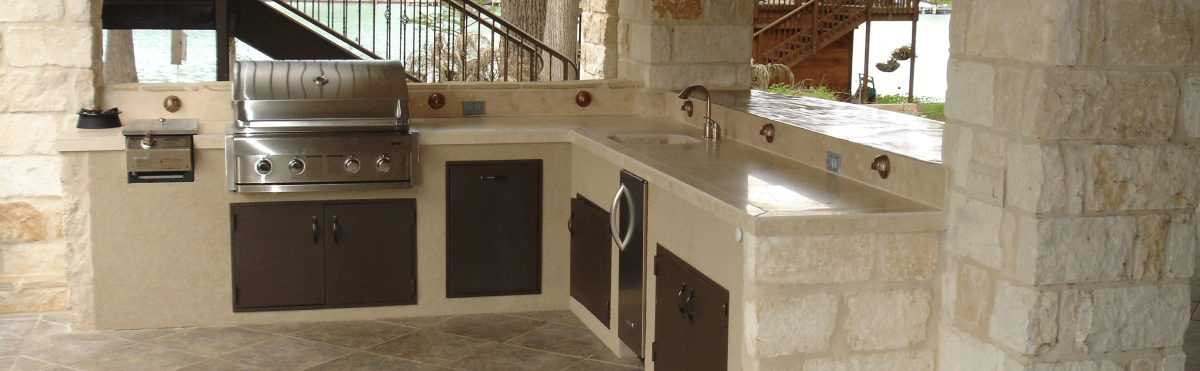
Build outdoor cooking areas that feel like your kitchen
If you love cooking, your yard should work like an extra room, not just a place to look at. It does not have to be fancy. In fact, sometimes simple is better.
Map your cooking habits
Before you build, ask yourself:
- Do you grill often, or only sometimes.
- Do you host large groups, or small family dinners.
- Do you prep food outside, or only cook there.
- Do you like long slow cooks, or quick high heat meals.
I know people who built full outdoor kitchens with sinks and fridges, then ended up only using the grill. Others did the opposite, starting with a simple charcoal grill, then slowly adding a side table and a small prep sink over years. Both approaches can work, but guessing based on trends rarely does.
Simple layout ideas for an island-style cooking zone
Try to keep three key pieces in a gentle triangle:
- Heat source: grill, smoker, or gas burner.
- Prep surface: a sturdy table, built-in counter, or even a heavy cart.
- Supply point: either the kitchen door, a small outdoor fridge, or a storage cabinet for tools and dishes.
Place herbs like basil, green onions, chili peppers, and thyme within a few steps of this area. You want to be able to reach for them while the food is cooking, without crossing the whole yard.
If you have to leave the grill for more than a few seconds to grab herbs or plates, your layout needs a small fix.
Add lighting that is strong near the grill and softer over the table. For cooking you need to see doneness clearly. For eating you want comfort, not a spotlight.
Mix local plants, food plants, and practical plants
Some people try to grow only edible plants. Others want only ornamentals. On Oahu, a mix usually works better. Pure edible gardens can look bare in the off season. Pure ornamental gardens can feel disconnected from local food habits.
Three groups to balance
- Native and Polynesian-introduced plants
These include kalo, certain ti plants, and native shrubs and trees. They connect your yard to local history and can support native birds and insects. - Edible imports
Things like citrus, papaya, mango, herbs, and vegetables. These give your cooking area meaning. - Structural plants
Hedges, grasses, and ground covers that hold soil, define borders, and reduce maintenance.
You can think of them like components of a recipe: base, flavor, and garnish. But still, do not worry about making it perfect. Some yards lean heavier on one group, and that is fine.
Ground covers that work like “rice” in the garden
Large open soil areas often grow weeds fast. A low ground layer helps a lot.
- Perennial peanut
Can handle traffic, fixes nitrogen in the soil. Yellow flowers, low height. - Japanese sweet flag (in wetter spots)
Good near water features or low wet zones. - Native ground covers
Depending on availability, some local species work well along paths and walls.
Put these in areas where you are not planning to dig often. Around fruit trees or along paths, for example. Leave vegetable areas open or in raised beds where you can change crops quickly.
Let smells and sounds support how you cook and eat
Food is not only about taste. Smell and sound matter a lot, both in the kitchen and outdoors.
Fragrant plants near dining and cooking spots
Strong scents can mix poorly with some dishes. Very sweet flowers near grilled fish might feel odd. On the other hand, light herbal scents go well with most meals.
Good choices near eating areas:
- Lemongrass
- Rosemary
- Bay leaf (in a large pot or as a small tree)
- Lightly scented native plants, if you can find them
Place very strong flowers, such as some types of jasmine, a bit farther where the scent can drift instead of hit all at once.
Water and wind to soften noise
If you live near a busy road, some simple tricks can help your outdoor meals feel calmer.
- Dense hedges or bamboo (managed carefully) can break wind and muffle sound.
- A small water feature, like a recirculating fountain, adds white noise.
- Leafy trees break hard wind and dapple sunlight over tables.
This is a bit like playing low music in the kitchen while you cook. It does not change the food, but it changes the way you feel while you cook and eat.
Think about maintenance like meal prep
A yard that looks good for one season but drains your time later is like a dish that takes three hours every weekday. It does not fit real life for most people.
Be honest about how much time you have
Ask yourself:
- How many hours per week can you give to your yard, on average.
- Do you enjoy weeding and pruning, or do you prefer quick tasks.
- Do you like starting seeds, or will you mostly buy plants.
If you cook often, gardening might have to share that time. In that case, choose more perennials and fewer high care annual vegetables. Maybe you grow only your top five herbs instead of trying to grow everything you see at farmers markets.
Plant choices that keep effort reasonable
Lower effort ideas:
- Fruit trees that fit your space and do not need heavy spraying.
- Perennial herbs that return year after year.
- Ground covers instead of large lawn areas that need mowing.
- Mulch under trees to cut down weeds and reduce watering.
Higher effort areas:
- Lettuce, tomatoes, and fast crops that need replanting often.
- Formal hedges that need shaping on a tight schedule.
- Large lawns that require regular mowing and edging.
There is nothing wrong with high effort spaces if you truly enjoy the work. Just treat them like complex recipes. You probably do not want them every single day.
Connect your yard to local markets and restaurants
Since you are reading a site that focuses on cooking and restaurants, there is a good chance you like to see what local chefs do with ingredients. Your garden can learn from that.
Watch seasonal ingredients
Pay attention to what keeps showing up on menus or at markets through the year. For example:
- When you see lots of mango dishes, that is mango season. Maybe you plan space for a tree.
- If several cafes use basil or shiso in drinks, it could be a sign that those herbs grow well in current conditions.
- When taro desserts show up often, think about how much you already connect to this plant culturally and visually.
You might not copy every ingredient, but these patterns can point you toward plants that work well in local conditions and local taste.
Borrow plating ideas for path and bed shapes
Look at how chefs place food on plates. You might notice:
- Diagonal lines and arcs.
- Clusters of color rather than even spacing.
- Small, tight piles with open space around them.
Apply this to your yard.
- Curved paths instead of strict rectangles.
- Clusters of repeating plants instead of one of each kind in a row.
- Patches of open ground, gravel, or lawn to give the eye rest.
I once tried to plant one of every herb I liked in a single bed. It looked scattered and thin. When I shifted to big clumps of three or five of the same plant, it started to feel more like a carefully plated dish.
Sample layouts for different kinds of cooks
To make this more concrete, here are a few sketch-style ideas. They are not exact blueprints, more like starting points.
The grill lover
This person grills several times a week and does not want to fuss with fragile vegetables.
- Small but sturdy grill station just outside the kitchen.
- Raised herb bed, waist height, with rosemary, thyme, basil, chili peppers, and green onions.
- Citrus tree on the edge of the seating area for quick limes or lemons.
- Gravel or paver patio that drains well in sudden rain.
- A few large planters with hardy ornamentals for color, low maintenance.
The veggie cook
This person cares about fresh vegetables and does not mind some regular gardening.
- Several raised beds with simple drip irrigation.
- Narrow paths so everything is reachable by hand.
- Compost bin in a back corner, screened by taller shrubs.
- Shady bench under a fruit tree for breaks and reading recipes.
- Storage area for tools and extra pots near the beds.
The host who loves long dinners
Here, cooking might even be secondary to time around the table.
- Comfortable table and chairs in a partly shaded area.
- Soft, warm lighting strung above or on posts.
- Fragrant plants at the edges, not right under the table.
- Simple cooking setup: small grill and prep cart.
- Visual focus like a taro patch, a group of ti plants, or a small water feature near the table.
Common mistakes when you mix food and yard design
There is no single correct way to do this, but some patterns cause trouble more often.
- Too many different plants
Gardens with dozens of single specimens can feel chaotic and are hard to care for. Repetition helps both looks and maintenance. - Food plants too far from the kitchen
If you need shoes and a long walk to grab herbs, you will skip using them. - Ignoring mature size
Bananas, papayas, and some trees grow fast. Think about how tall and wide they will be in a few years, not just what they look like in a small pot. - Planting only annual vegetables
They can be fun, but if you rely only on them you will have many empty beds in between crops. - Copying mainland garden styles without changes
Some popular online designs do not fit Oahu’s climate, light, or local sense of place.
Small steps to start this weekend
If all of this feels like a lot, you can start very small. You do not need a full redesign to connect your yard with the food you love.
Three quick actions
- Pick one dish you cook often. Choose one key ingredient from it that you can grow, and plant it somewhere easy to reach.
- Look at your current seating or eating area. Add one plant nearby that supports that space, either with shade, scent, or a calming view.
- Clear one pathway or working route from kitchen to grill or herb area so you can move without obstacles.
These tiny shifts may sound too simple, but they start to build a pattern. Over time you can add fruit trees, raised beds, or bigger cooking setups if you still enjoy the process.
Question and answer: does this really change how food tastes?
Q: If I adjust my yard based on island cuisine, will my food actually taste better, or is this just about looks?
I think it can change taste, but not in a magic way. When herbs are fresh and picked minutes before you cook, they usually taste stronger. Fruit from a tree that ripened on your property can have better flavor than some store fruit that traveled and sat in storage. So there is a direct effect there.
Beyond that, a yard that supports how you cook may change how often you cook, and how relaxed you feel while doing it. If your herbs, citrus, and vegetables are easy to reach, you will probably use them more. That tends to shift your cooking toward fresher, lighter dishes that reflect the island more closely. The change is gradual, but real.
And of course, some of it is about feeling. Eating grilled fish under a banana leaf canopy with wind in the ti plants just feels different from sitting by a blank wall. Does that change flavor, strictly speaking. Maybe not in a lab sense. But for your own meals, your own guests, the overall experience becomes deeper, and that is what most of us remember later.