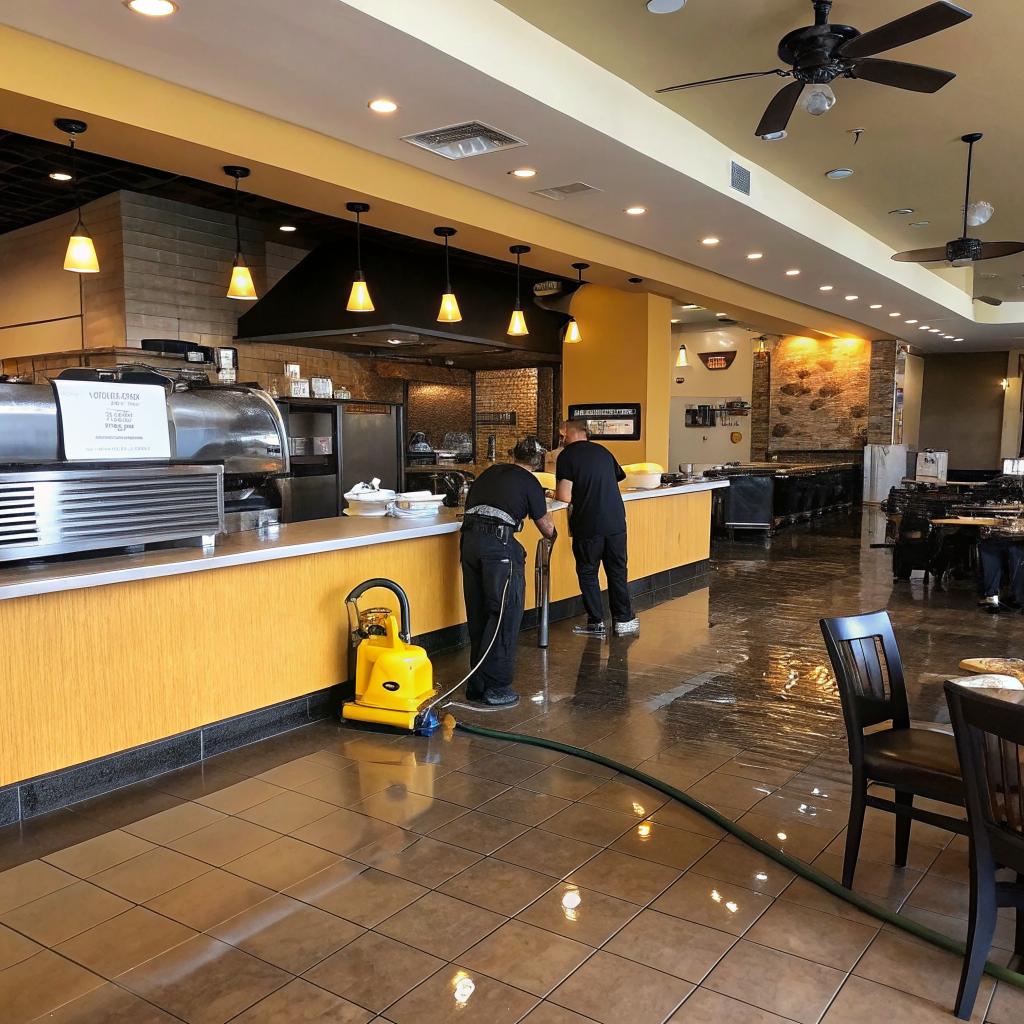
If you run a restaurant in Salt Lake City and you have water on the floor, in the walls, or anywhere it should not be, you need to act fast, call your plumber or restoration company, shut down the source, move food and equipment to safety, and start drying within the first 24 hours. For bigger problems or standing water, you will probably want a specialist in water damage cleanup Salt Lake City to handle the heavy work so you can get back to cooking and serving.
That is the short, exact answer.
Now, the longer version is where things get tricky, because water in a restaurant does not just mean a wet floor. It touches food safety, health inspections, staff safety, and your reputation with guests who are just trying to enjoy a meal, not watch a cleanup operation.
Let us walk through this step by step, from the point where you first see water, to getting back to normal service, and maybe even learning a few habits that make the next incident less painful.
Why water damage in restaurants is different
A small leak at home is annoying. A small leak in a restaurant can shut you down for a day or more.
You have:
- Raw and cooked food that can be contaminated
- Electrical equipment near water
- Health regulations to follow
- Guests, staff, and delivery drivers walking through the area
In a kitchen, you already deal with splashes, steam, and mop water every day. That can make it easy to ignore a slow leak behind a line cooler or under a prep sink. You look at it and think, “We mop all the time, it is fine.” I have thought that way myself in a different job, and it almost always comes back to bite you.
In a restaurant, water damage is as much a food safety and business problem as it is a building problem.
So the mindset should be different. You are not just saving drywall. You are protecting your menu, your guests, and your license to operate.
First 15 minutes: what to do the moment you see water
Let us say you notice water pooling under a prep table or soaking into a dining room carpet. What should you do right away?
1. Protect people and food first
Do not start by thinking about walls or insurance. Focus on:
- Stopping slips
- Keeping food safe
- Preventing electrical hazards
Steps you can take immediately:
- Block off the wet area with chairs, cones, or trays
- Tell staff out loud: “Wet floor, caution here” so no one rushes through it
- Unplug small appliances sitting in water, if it is safe to reach them
- Move food and clean dishes away from the area
If water is near fryers, flat tops, or high power equipment, be extra cautious. Hot oil and water are a bad mix. This might be a moment where you stop tickets for a minute and stabilize the station rather than trying to push through.
2. Find and stop the source
You will not fix anything if the water keeps coming.
Typical sources in restaurants:
- Dishwasher or glasswasher overflow
- Ice machine line leaks
- Prep sink or hand sink plumbing failures
- Walk-in cooler drain backups
- Roof leaks during a storm
- Bathroom overflow or clogged toilet
If you cannot see the source, listen. You might hear a hiss, drip, or steady flow behind a wall or under a cabinet.
Basic steps:
- Turn off local shutoff valves under sinks or behind toilets
- If needed, shut off the building’s main water supply
- Turn off ice machines or dishwashers that are overflowing or leaking
Sometimes staff hesitate to shut down the main water supply because service is in full swing. But a few minutes without water is still better than hours of heavy flooding. This is one of those moments where you have to pick the smaller problem.
3. Decide: small mess or big incident?
Not every puddle needs outside help. Some are normal “restaurant life” messes. Others will quietly rot the base of your bar or grow mold under your booths.
A simple way to think about it:
| Situation | Likely approach |
|---|---|
| Spill from mop bucket or small dishwasher splash, hard surface floor | Staff mops and dries, no outside help |
| Slow leak caught early, few square feet, not in walls | Staff can clean and monitor, maybe call a plumber |
| Water soaked into walls, baseboards, or under built-in booths | Call a water damage company to inspect and dry |
| Standing water covering a room or affecting electrical systems | Stop service, call professionals right away |
| Sewage backup, toilet overflow that reached dining or prep areas | Shut down exposed areas, call restoration plus plumber, deep sanitation |
If you are in doubt, I think it is safer to assume it is a “big” incident. Restaurants have too many hidden gaps, and water will always find them.
How water actually affects your kitchen and dining room
Water damage is not just soggy materials. In a restaurant setting, it touches many areas at once.
1. Food safety and contamination
Health departments care a lot about standing water and dirty water. For good reason.
If water comes from:
- Dishwashing area
- Bathrooms
- Grease traps
- Floor drains
then it may carry bacteria. You do not want that near:
- Open prep surfaces
- Uncovered food
- Clean utensils or plates
Any food touched by contaminated water, or even splashed by it, should be discarded, even if it feels wasteful.
That hurts in the moment, especially with meat or seafood, but it is still cheaper than a report of foodborne illness linked to your restaurant.
If the leak is from a clean water source like a supply line or filtered line, the risk is lower, but still not zero. Water can pick up contaminants from the floor or inside walls.
2. Electrical and cooking equipment
Kitchens are full of gear that does not get along well with water.
Some examples:
- Reach-in coolers with low electrical components
- Point of sale terminals and printers near the bar
- Extension cords and power strips used under host stands
- Under-counter refrigerators and wine coolers
If water reaches power strips, cords, or low outlets, do not guess. Turn off power to that circuit if you can reach the panel safely, or wait for a professional. It is better to serve with less equipment for a shift than to risk an electrical accident.
You might also need to move heavy prep tables or rack ovens to check what is happening behind them. That is not fun during service, but leaving standing water under those units can cause smell, mold, and even rusted-out legs down the road.
3. Structural problems
Even in a busy kitchen, you probably do not stare at baseboards or wall bottoms that often. Water damage likes those hidden spots.
Some signs to watch for over the next few days:
- Soft or spongy drywall near the floor
- Bubbling or peeling paint
- Warped baseboards
- Musty smell around booths or storage rooms
If a wet area still smells musty after two or three days of drying, there may be moisture trapped inside walls or under the floor that you cannot see.
This is where a professional drying team with moisture meters is very helpful. You can mop the surface, but you cannot see inside the wall cavity without tools.
Practical steps for cleanup in a working restaurant
Now let us talk about the part where you actually clean. Not in a perfect, quiet building, but in a place where tickets keep printing and the bar still has guests.
Step 1: Clear the area and protect what matters
You may be tempted to start mopping right away. Pause for a moment.
Ask yourself:
- What can be damaged by water in the next 10 minutes if I do nothing?
- What will be hardest to replace?
Usually that list includes:
- Electronics (POS systems, routers, sound equipment)
- High value ingredients that are not sealed
- Clean plates, glassware, linens
Move those first. Even a quick relocation to another part of the kitchen or to a storage shelf can save a lot of money and hassle.
Then adjust your flow:
- Temporarily close off affected tables
- Reroute staff paths so they are not running through wet zones
- Let hosts and servers know what parts of the restaurant are off limits
A short, clear message to the staff helps:
“We have a water issue near the dish area. Do not walk through the cones. We are shifting table assignments and will keep you posted.”
Step 2: Get rid of standing water quickly
Standing water is your biggest enemy in the first hour.
You can:
- Use mops and squeegees for shallow water on tile or polished concrete
- Use a wet vacuum if you have one, especially on rubber mats
- Soak up puddles near sensitive areas with towels, then wash them on hot
If the water is more than a fraction of an inch deep across a wide area, or if it is soaking into carpet or wood, that is usually beyond simple mopping.
This is where a professional team with pumps and high volume vacuums can make a big difference. It can feel like an added cost, but trying to handle several inches of water with just staff and mops can drag on, and your kitchen operations will suffer longer.
Step 3: Start drying, not just “letting it air out”
Air drying in a restaurant is tricky. Kitchens are already humid. You have steam from cooking, dishwashers, and hot water.
So just opening the back door is rarely enough.
To speed up drying:
- Set up fans to move air across damp surfaces
- If you have a dehumidifier, run it in the affected area
- Open cabinets or storage doors near the wet area so air can flow inside
If you call a professional water damage team, they typically bring strong air movers and commercial dehumidifiers. Those are louder than normal fans, but they work faster.
Try to balance guest comfort with drying. For example, if the damage is in the back of house, you can run larger equipment there, and keep the dining area quieter.
Step 4: Clean and sanitize carefully
After you remove water and begin drying, you still have to deal with microbes, especially if the water came from drains or toilets.
Some simple habits:
- Use a cleaner that both cleans and sanitizes on floors and non-porous surfaces
- Wash and sanitize any surfaces within splash range of dirty water
- Clean chair legs, table bases, and lower parts of walls, not just the floor
For porous materials like carpet, fabric seats, and some ceiling tiles, you may need removal, not just surface cleaning. That depends on the source of the water and how long it sat.
You might also need to log your cleaning steps for your own records, especially if you expect an insurance claim or an inspection. Write down products used, dates, and areas treated, even if it feels tedious.
Planning for inspections and communication
Health inspections are already stressful without water problems. When you add in wet floors and drying equipment, it feels worse.
But you can handle this in a simple, honest way.
What inspectors care about after water damage
In most places, health inspectors focus on:
- Whether food is at risk of contamination
- Standing water near prep areas
- Evidence of mold or long term moisture problems
- Blocked hand sinks or dishwashing stations
If you can show that:
- The source of water has been fixed
- Affected food was discarded
- Areas were cleaned and sanitized
- You are actively drying remaining moisture
then you are in a much better position, even if there is still equipment on site.
Talking with guests
Guests usually notice when something is off: a closed section, a faint smell, or loud fans in the background.
You do not have to overshare, but a simple explanation helps:
- “We had a plumbing issue earlier, so that section is closed while it dries.”
- “You may hear some fans. We are drying a water leak in the back area.”
If the issue affects the kitchen and menu items are not available, be clear:
- “We had a leak near our grill station, so a few items are not available today.”
People tend to be more understanding when they feel they are being treated honestly, not kept in the dark.
Working with a professional water damage company
You can only do so much with mops and staff. For many restaurant owners, the hardest part is deciding when to bring in a restoration company, and how much they should handle compared to your own team.
When a restaurant really needs outside help
You probably need a specialist if:
- Water covered more than a small area for more than a few hours
- Water reached under built-in booths, bars, or walls
- There is a sewage or drain backup
- Ceilings or upper walls are wet from a pipe or roof leak
- You smell must or see mold spots
A good restoration team should:
- Assess the damage quickly and explain what is wet
- Use moisture meters, not just eyesight
- Set up drying equipment and check it daily
- Help document damage for insurance
I am not going to say every incident needs a company, because that is not true. Some small leaks can be handled in-house. But many restaurants wait too long, and the cost grows as materials stay wet.
What to ask a restoration company
When you call, ask questions that fit the way restaurants work:
- “Can you schedule work around meal periods so our busiest times are less affected?”
- “Are you familiar with health code concerns in kitchens and bars?”
- “How will you protect equipment, walk-ins, and food areas?”
- “Can you help document items that need to be removed or replaced?”
You can also ask about estimated drying time. It will not be exact, but it helps for planning staff and reservations.
Keep in mind that some areas might be safe to use again before everything is fully dry behind the scenes, as long as barriers are in place and staff know the limits.
Reducing damage next time: practical habits for restaurant owners
You cannot prevent every water issue. Pipes age, roofs leak, and toilets clog. But you can reduce how bad it is when it happens.
1. Regular checks around wet zones
Create a simple checklist for managers to walk once a week, not just during opening and closing.
Key spots to look at:
- Under dishwashers and three-compartment sinks
- Behind ice machines and under soda systems
- Inside cabinets below sinks in restrooms and bar
- Around walk-in cooler doors and floor drains
- Underneath soda gun stations at the bar
Things to watch:
- Slow drips
- Stains or discoloration
- Soft spots on walls or baseboards
- Persistent damp spots on floor mats
Write down what you see. I know that sounds like extra work, but small notes today can prove very helpful if you later claim that a sudden break caused damage, not long term neglect.
2. Training your staff to speak up
Line cooks, dishwashers, and servers are the ones who see leaks first, not managers. They usually stand in the same area for hours.
Encourage them to say something early, even if it seems minor.
You might say in training:
- “If you see water where it usually is not, or you hear a new drip, tell a manager right away. Do not just mop and forget it.”
Reward that habit, even if you check and it turns out to be nothing serious. It is better than silence.
3. Simple physical changes that help
Some changes in layout or equipment can limit damage.
Examples:
- Use water-resistant baseboards in kitchens, not basic wood trim
- Store dry goods on racks off the floor, not directly on it
- Keep unplug strips and outlets off the floor where possible
- Use raised platforms or mats for POS stations near bar sinks
These do not stop leaks, but they keep the first wave of water from ruining things that could be saved.
Handling insurance without losing your mind
Water damage claims can be stressful, especially when you are trying to keep guests happy at the same time. I am not an insurance adjuster, but there are some common patterns that help.
Document as you go
You do not need a perfect system. Just capture evidence:
- Photos of where the water came from
- Photos of damaged materials, equipment, and food
- Notes on times: when you noticed it, when you stopped the source, when help arrived
If you discard food, take a quick photo of the items and quantities first. Then you can toss them without worrying that you will forget details later.
Keep receipts and logs
Hang on to:
- Invoices from plumbers and restoration companies
- Receipts for replacement ingredients, linens, or small equipment
- Any documentation of extra cleaning supplies used
If you reduce hours or close for part of a day, note that as well. Some policies cover lost income for certain types of water damage, although the rules vary a lot.
How water damage connects with your menu and guest experience
This might sound a bit abstract, but water problems can reach your food in ways that are not obvious at first glance.
Menu changes during and after cleanup
During cleanup, you may need to:
- Shut down one cooking station
- Close part of the kitchen
- Lose access to a cooler for a few hours
That affects what you can serve.
Some ideas that help you cope:
- Have a short backup menu in mind that uses fewer stations
- Plan dishes that can be cooked with equipment in the dry area
- Use specials to gently steer guests toward items that are easier to produce
You do not have to make a big announcement about it. Just adjust the menu boards or printed menus for the day if needed.
Protecting prep and mise en place
Your prep work is where a lot of labor and ingredient cost sits. Losing trays of chopped vegetables or marinated meats to water can be painful.
Simple ways to protect that prep:
- Store as much prep as possible in sealed containers with lids, not open pans
- Keep containers on racks or shelves, not flat on the floor
- Use lids even when items are “resting” near the line
If a leak occurs near your prep area and you have all items closed and off the floor, your risk and loss are much lower.
Frequently asked questions about restaurant water damage in Salt Lake City
Q: Do I always have to close my restaurant if there is water damage?
A: Not always. It depends on where the water is, how bad it is, and where your guests and staff need to move. A small leak in a back storage room might be manageable while staying open, while a sewage backup in a dining area usually calls for at least a partial closure. When in doubt, think about safety and food risk first. Money comes second, even if that is frustrating.
Q: How fast can mold grow after a leak?
A: Mold can start growing within a day or two in damp areas, especially in hidden spaces with poor air flow. That does not mean your restaurant will be overrun in 24 hours, but it does mean you should not let wet walls or carpets sit untouched. Drying quickly and thoroughly is far cheaper than a long mold cleanup later.
Q: Is it safe to keep using my kitchen while drying equipment is running?
A: Many restaurants do exactly that, as long as the drying equipment is placed so that staff can move safely and guests are protected from cords and noise. The key is good planning: clear walk paths, secure cables, and frequent checks to make sure nothing shifted while people are working.
Q: How do I know when everything is truly dry?
A: Surface dryness is not enough. Walls and floors can feel dry but stay wet inside. A professional with moisture meters can tell you when readings are back to normal. If you are handling it yourself, keep an eye out for lingering smells, soft spots, or new stains. If anything feels off after several days, that is a good time to bring someone in to test.
Q: What is the single best habit to reduce future water damage in my restaurant?
A: Train your staff to report every leak or odd wet spot right away, and make someone responsible for checking common trouble areas each week. That simple habit catches many problems when they are still tiny.
What would be harder for your restaurant to replace tomorrow: the damaged wall, or the trust of guests who see dirty water near their table?