If you want your outdoor meals to feel calmer, more inviting, and honestly more practical, then well planned Knoxville hardscapes can change how you cook, serve, and linger outside. Hardscape is the stone, brick, concrete, and wood structure that holds your yard together, and for outdoor dining in particular, it often matters more than the furniture or the decor.
That might sound a bit strong, but think about your favorite restaurant patio. It is rarely just a random table on a patch of grass. There is usually a solid surface under your chair, good lighting, maybe a low wall or planter that makes the space feel tucked in. Those are all hardscape choices.
At home, the same idea applies, just with more personal quirks. You might grill something simple on a weeknight, or plan a long Sunday lunch for friends. Either way, if the ground is uneven, the lighting is poor, or the layout is awkward, you will end up back at the kitchen table. And that kind of defeats the point of having a yard in the first place.
What hardscape really does for outdoor dining
People usually think about hardscape as an add-on: a nicer patio, a wall here, a path there. For outdoor dining, it is closer to the base recipe. Without it, you are trying to cook without a stove. Possible, but frustrating.
Hardscape can help your outdoor dining in a few practical ways:
- Gives you a stable, level place for tables, chairs, and grills
- Creates safer walkways so guests are not tripping in the dark
- Controls how smoke, heat, and smells move around your seating
- Sets up zones, so cooking, seating, and maybe kids space do not clash
- Adds walls or structures that block wind and add privacy
- Improves drainage so rain does not ruin your setup for days
Hardscape is not just for looks. For outdoor cooking and dining, it is about where you stand, where you walk, and how comfortably you can stay outside.
In Knoxville, the mix of hills, clay soil, humidity, and pretty strong sun can make outdoor spaces tricky. A flat stamped concrete patio that might work in a dry, mild climate can crack or puddle here. On the other hand, a simple gravel area that looks casual on Pinterest might feel messy and hot in our summers.
So the design needs to respect how you actually use your yard. And how our weather behaves when it is being difficult.
Knoxville weather and food: what your yard has to handle
If you are serious about outdoor cooking, you already know the weather shapes your habits. There are ideal grilling evenings in spring, muggy nights in July where the mosquitoes feel larger than they should be, and surprisingly chilly autumn evenings when the food is hot but your guests are not.
Hardscape design in this climate has to juggle several things at once:
Heat, sun, and Knoxville summers
On a bright July afternoon, an uncovered concrete pad can feel like a griddle. Brick and stone can also heat up more than you expect. That does not mean you cannot use those materials, but it does mean you should plan around them.
- Cover or partial shade over dining areas
- Lighter colored surfaces where feet and pets will be
- Enough airflow so heat from a grill or pizza oven can escape
If your patio looks great at sunset but feels unbearable at 3 p.m., you will not invite people over for lunch. Good hardscape design thinks about the hottest moments, not just the pretty ones.
Rain, drainage, and muddy yards
Knoxville gets a fair amount of rain spread through the year. A flat slab with no plan for runoff can turn into a shallow pool. That is annoying for guests, but it also damages surfaces over time.
For outdoor dining, bad drainage means:
- Chairs sink or wobble after a storm
- Grill zones become slick and unsafe
- Standing water near cooking areas attracts insects
I once helped a friend think through why his new outdoor table always felt damp. He had paid for a very nice paver patio, but the grade pushed water toward the middle. The contractor had focused on looks, not on how water moved. He ended up putting in a subtle channel drain, which is not glamorous, but the table area finally dried out properly.
Hills, slopes, and leveling issues
Many Knoxville yards are not flat. That can be annoying, or it can be useful. A slope can give you natural separation between cooking and dining. But only if you treat it like part of the plan.
Retaining walls, terraced patios, and raised decks can all help you carve out a stable dining spot. Without that, you are trying to balance plates and drinks on ground that tilts just enough to bother you the whole meal.
Types of hardscape surfaces for outdoor dining areas
Let us get into the actual surfaces under your feet and table. Each one has tradeoffs. There is no single perfect choice. It depends on your habits, your budget, and your tolerance for maintenance.
| Surface | Good for | Watch out for |
|---|---|---|
| Poured concrete | Level dining zones, clean look, easy to sweep | Can crack, can feel very hot, needs joints and drainage planning |
| Pavers | Flexible layouts, easier repair of single pieces | Weeds in joints if not installed and sealed well |
| Natural stone | Richer look, works well with gardens | More cost, needs careful leveling to avoid wobbly chairs |
| Gravel | Casual spaces, fire pits, lower cost starter projects | Chairs can sink, tricky with high heels, hard for rolling carts |
| Decking (wood or composite) | Raising dining area on sloped yards, close to house doors | Wood needs upkeep, can be slick when wet, heat on bare feet |
If your main goal is regular outdoor family dinners, a simple poured concrete or paver patio that ties into the kitchen door might be enough. If you love hosting larger groups and moving between grill, bar, and table, then mixing surfaces can help signal where each activity happens.
Planning the layout: how cooking and eating share the space
Restaurants spend a lot of time on flow. Where the servers walk, how the kitchen door opens, where the bus station sits. At home, you do not need that level of planning, but you still need some.
The triangle: kitchen, grill, table
Think about three main points:
- Your indoor kitchen door
- Your main cooking area outside (grill, smoker, pizza oven, or all three if you are ambitious)
- Your main dining table or seating group
You will walk between these points many times during a meal. Carrying platters. Drinks. Utensils you forgot. If one of those legs of the triangle crosses mud, grass, or a dark corner with roots, you will get annoyed.
A good hardscape layout treats your walking routes like part of the dining experience, not just a way to get from A to B.
Try to give each leg of that triangle a clear surface. That might be:
- A main patio right off the door, with the grill along the edge
- A separate grilling pad a few steps away, linked by a defined path
- A side walkway that lets you bring food outside without crossing the main seating area
Separating smoke from seating
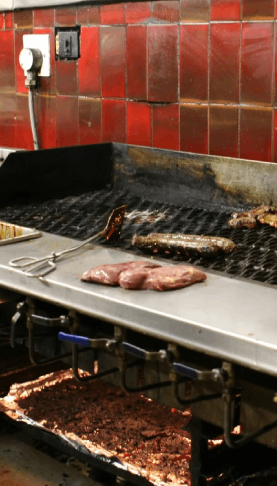
Grill smoke can smell great. Until it blows directly into someone’s face for half an hour.
Hardscape can gently control this in a few ways:
- Place the grill or smoker at the edge of the patio, not in the middle
- Use a low wall, tall planter, or screen to deflect wind slightly
- Keep the main table at least several feet away from the main plume of smoke
In Knoxville, wind is not extreme most days, but it can shift. Try to watch your yard on a breezy day. Notice how smoke from a small test fire or even steam from a pot moves. It sounds obsessive, but if you cook outside often, it matters more than another piece of decor.
Zones that let people spread out
One thing I have noticed at friends homes is that guests tend to clump around the grill or the kitchen door. Sometimes that is nice, sometimes you just want room for people to breathe.
Hardscape can subtly invite people to spread into areas that feel intentional, not like overflow. You can create zones like:
- A main table area on a solid surface
- A smaller bistro table or bar-height counter farther from the grill
- A lounge area around a fire pit or low wall that doubles as seating
Raised or sunken sections, even just by a step or two, can help each zone feel like a different “room” without any walls.
Retaining walls and terracing for sloped Knoxville yards
If your yard slopes away from the house, you might feel stuck with a small flat pad by the door and nothing else. That is rarely the only choice.
Retaining walls and terraces can turn a single steep slope into several usable flat levels. For outdoor dining, this gives you options.
Ideas for using walls around dining areas
- A low retaining wall that doubles as extra seating around a patio
- A taller wall that holds a raised planter, so you can grow herbs near your grill
- Tiered walls that separate a quieter dining zone from a more active play area
Think of a wall as more than just structure. It can be a backrest, a serving ledge, or a place to set lanterns. I once sat at a backyard dinner where the host had a narrow wall behind the chairs, just wide enough for bottles of wine, water, and a few dishes. It felt casual but very practical, and it meant the main table was less crowded.
Safety and comfort on terraced patios
If you have different levels, pay attention to how people move between them. Add wide steps with good lighting. If grandparents, kids, or anyone with balance concerns will be there often, avoid steep or uneven transitions.
Terracing also helps with water. Instead of all rain rushing toward your house, each level can manage some of it, with drains or permeable joints between pavers.
Outdoor kitchens, grills, and serious cooking zones
For some people, a simple grill on a small pad is enough. Others want a full outdoor kitchen with counter space, storage, maybe a fridge or sink. There is no universal right choice. It depends on how you cook.
Basic setup for casual cooking
If you grill once or twice a week, you might focus on:
- A level, heat safe surface for your grill
- At least one small side counter or sturdy table for prep
- A path from the indoor kitchen that does not cross through the dining table
You can add small touches like a hook rail for tools, or a simple weather cover, without turning it into a major project.
More built-out outdoor kitchens
If you like to cook outside for guests, or if you regularly move half your kitchen outside in warm months, a more complete setup might make sense.
Some common elements:
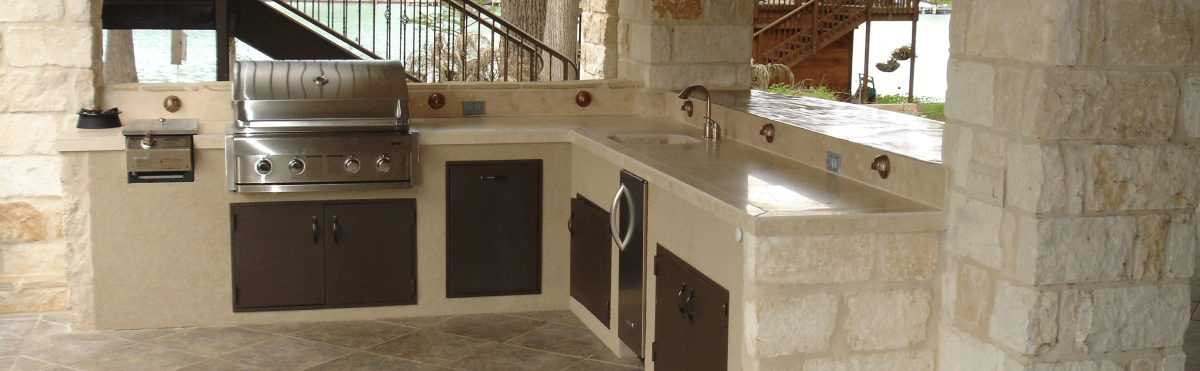
- Built-in grill or smoker base
- Countertops on at least two sides
- Storage for tools, charcoal, or pellets
- Outdoor rated fridge for drinks and ingredients
- Sink if you handle a lot of prep outside
This is where concrete pads, block structures, and stone or brick fronts all blend. The key is proportion. I have seen outdoor kitchens that looked impressive but left almost no space for a table. For a home cook, that rarely makes sense. Food is nice, but the whole point is to have people sit somewhere comfortable to eat it.
Fire safety and material choices
Grills and open flames need clearances. Do not push them right up to wood siding or low eaves. Use non-combustible materials near the cooking zone, like concrete, brick, or stone. If you add a pergola, think about where the hot air and smoke will go. And if you have a wooden deck, a proper grill mat is the bare minimum, not a luxury.
Lighting that feels like a restaurant patio, not a parking lot
Outdoor dining at night lives or dies on lighting. Too bright and it feels harsh. Too dark and you cannot see your plate.
Layers of light around hardscapes
Try to think of several gentle sources instead of one big floodlight.
- Overhead string lights or fixtures for general light
- Step and path lights so guests can move safely
- Under cap lights on low walls for a warm glow
- Task lights near the grill so you can check doneness
Hardscape features like walls, steps, and pillars give you solid places to mount or hide fixtures. If you plan wiring early, you avoid visible cords and awkward add-ons later.
Color and temperature of light
Try to keep most outdoor dining light on the warmer side. Very cool white can make food look flat and unappealing. Warm light around 2700K to 3000K tends to make skin and food both look better.
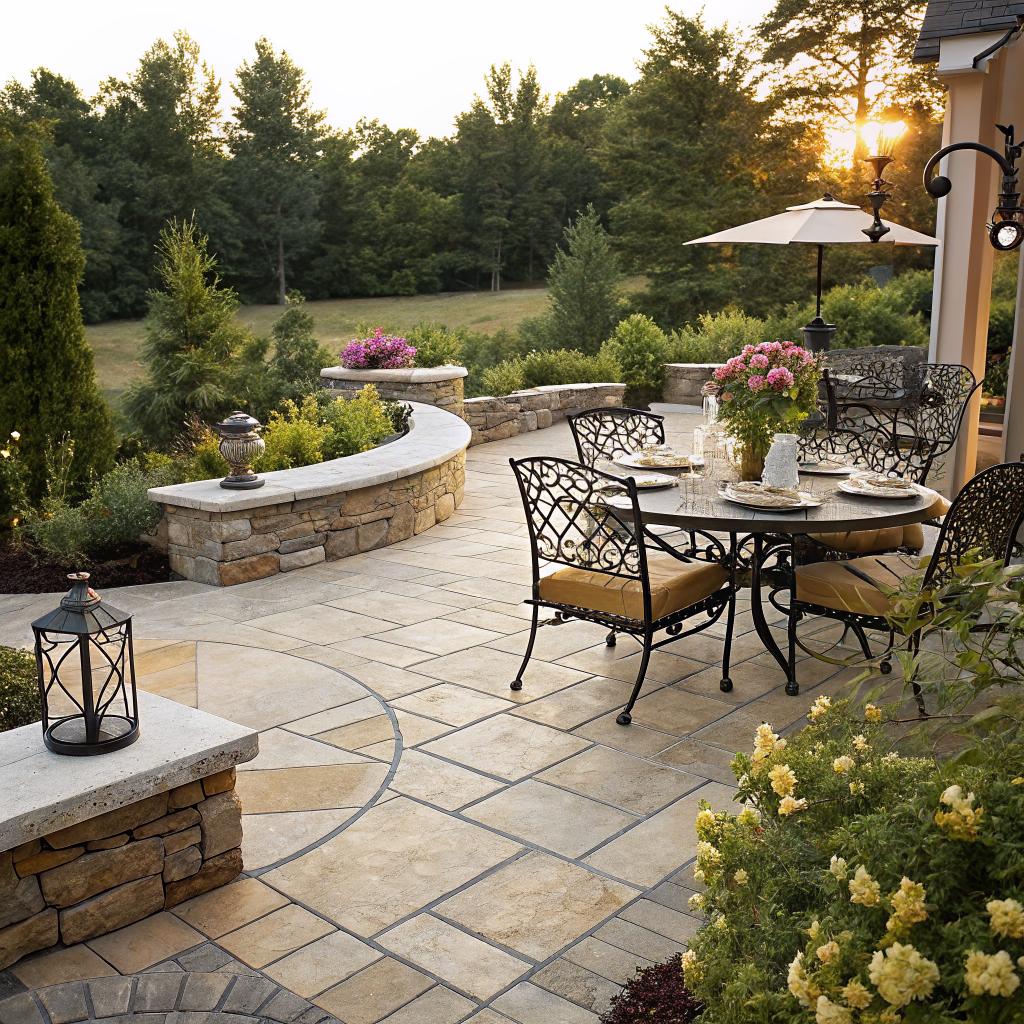
And do not forget candlelight. Simple votives or hurricane lanterns on a stone ledge or table can soften everything. It is a small thing, but many restaurant patios lean on that for a reason.
Comfort features: shade, wind control, and bugs
Even the best patio will stay empty if guests feel uncomfortable. The main comfort issues are not complicated: sun, wind, and insects.
Shade solutions that work with hardscape
Some options that tie nicely into stone and concrete work:
- Pergolas anchored into a patio
- Freestanding shade structures next to walls or planters
- Umbrellas with heavy bases that sit level on pavers or concrete
You can also use a covered porch as the main dining zone and build open hardscape areas around it for grilling and lounging. The mix can feel natural if the materials relate to each other in color or texture.
Wind and privacy
Full windbreaks are rarely needed in Knoxville, but gentle shielding helps. Low walls, tall planters, and partial screens can all cut wind without boxing you in. They also give privacy from neighbors, which matters if your table is close to a property line.
Dealing with bugs around hardscape
Standing water near any patio is a gift to mosquitoes. Make sure your surfaces drain. Plant choices near seating areas help too. Some people swear by certain herbs or flowers. I think they help a bit, but not as much as removing damp spots and adding a small fan or two.
Hardscape features like a low wall or column can hold discreet fans or bug lanterns, which keeps the space calmer without turning it into a campsite full of gear.
Blending hardscape with plants and food growing
If you like cooking, chances are you enjoy fresh herbs or vegetables. Hardscape and plantings can work together instead of one pushing out the other.
Raised beds and herb walls near the grill
You can build raised beds or planters into your hardscape. For example:
- A narrow stone planter behind your grill with rosemary, thyme, and sage
- Low retaining walls that also serve as the back of a planted terrace
- Steps lined with pots of herbs that you clip while cooking
This keeps flavors close and also softens the hard edges of concrete and stone. You do not need a full garden. Even a few pots can change the feel of the space.
Edible plants around dining areas
Grape vines over a pergola, blueberry bushes near a low wall, or a small fig tree in a corner can also make your yard feel more connected to what you serve. Just think about falling fruit and staining near light surfaces. Some planning now avoids extra cleanup later.
How Knoxville yards differ from restaurant patios
It is tempting to copy a restaurant patio you like and shrink it for your backyard. Sometimes that works. But there are a few differences that matter.
- Restaurants can justify more staff to maintain complex setups
- They often have commercial grade drainage and lighting systems
- They do not need to share space with kids toys, pets, or garden tools
At home, you have to live with this space all week, not just during dinner service. You might walk across your patio to take the trash out. Your dog might track mud over the pavers. Your grill might sit unused for a month in winter and then get heavy use in spring.
This is where I think some homeowners go wrong. They fall for the most dramatic design idea and forget basic things like storage, hose access, or where they will stash extra chairs. Those details do not look impressive, but they shape how pleasant the space is to use.
If a hardscape looks amazing in photos but feels like a hassle on a normal Tuesday night, it is not really serving your cooking and dining life.
Budgeting and phasing your hardscape projects
You might not want, or be able, to do everything at once. That is fine. Many of the best outdoor spaces grow in stages.
Start with function, then add detail
A simple way to phase things:
- Secure a safe, level surface for dining and walking from the house
- Add basic grilling or cooking area with at least small prep space
- Address drainage and any major slope issues that affect use
- Layer in lighting that works for night cooking and eating
- Finally, refine with extra walls, planters, and decorative touches
If your current budget is only enough for, say, a properly built patio and a path to the grill, that is still a huge step up from grass and a wobbly table. You can add pergolas, built-in seating, and nicer finishes later without tearing everything up.
Common mistakes in outdoor dining hardscapes
A few patterns come up a lot. If you can avoid these, you are already ahead of most people.
- Undersized patios that barely fit a table and chairs
- No clear path from the kitchen, so you cross grass with every plate
- Grill placed too close to seating, siding, or doorways
- No shade in the main dining area in summer
- Ignoring drainage on sloped sites
- Overcomplicating things with multiple levels that are hard to navigate
There is also the opposite mistake: doing the bare minimum slab, with no thought to light, privacy, or comfort. That might be fine as a temporary step, but people often live with it for years and wonder why they do not feel drawn to eat outside.
Questions to ask yourself before you redo your yard
Before calling any contractor or sketching ideas, it helps to be honest about your habits. Not the ideal version of yourself who hosts twelve person dinners every weekend. The real one.
Try asking:
- How many people do I actually host most often?
- Do I prefer quick weeknight grilling or long weekend gatherings?
- Will I cook outside in cooler months if I have a heater or fire feature?
- Do I want kids and pets sharing the same zone, or a bit separate?
- How much maintenance am I willing to do on surfaces and plants?
Your answers might surprise you. I once thought I wanted a long dining table outside, like a family style restaurant. When I really watched how I used my yard, I realized I more often sat with two or three people, and we liked lingering around a smaller table with comfortable chairs. That changed my plan from one large patio to two linked, but smaller, seating spots.
Bringing it back to food and how you like to eat
At the end of the day, hardscape is not about stone or concrete by itself. It is about meals that feel less rushed and more grounded.
Think through small moments:
- Where will someone rest a drink while they help you at the grill?
- Can guests move around without squeezing behind chairs?
- Is there a spot where two people can talk quietly away from the main table?
- Do you have a place to set serving dishes that is not the main table or the ground?
If your hardscape helps those moments feel easy, then it is doing its job. It does not have to be dramatic. It just has to make outdoor dining feel as natural as eating at your kitchen table, only with fresher air and, hopefully, better stories.
Common questions about Knoxville hardscapes and outdoor dining
Q: Is poured concrete or pavers better for an outdoor dining patio?
A: Concrete gives you a smooth, continuous surface that is simple to clean and good for sliding chairs. Pavers offer more flexibility, can be easier to repair in small sections, and often have a warmer look. In Knoxville, both can work well if drainage and base preparation are handled carefully. If you value a clean, modern feel and lower upfront cost, concrete might win. If you want easier long term fixes and a more textured appearance, pavers are often worth the extra planning.
Q: How big should my dining patio be?
A: For a standard table and six chairs, many people find that at least 12 by 14 feet feels comfortable. That gives space to pull chairs back and still walk behind them. If you want a grill or serving area on the same surface, add a few more feet in each direction. When in doubt, tape out the space in your yard and walk through a pretend dinner. It will show you very quickly whether it feels cramped.
Q: Can I make a sloped backyard work without a huge project?
A: Sometimes, yes. A small, well built platform or deck right off the house, paired with a few carved out steps or a compact terrace, can give you enough room for a table and grill without reshaping the entire yard. If the slope is sharp or close to the house, you might need at least one retaining wall, but it does not have to be massive. Starting with the area you will use the most is usually better than trying to flatten everything.
Q: What is the one feature that most improves outdoor dining comfort?
A: Shade in summer is usually the biggest change. Many people focus on fancy materials first, but a simple pergola, canopy, or even well placed umbrella over a stable patio often has more effect on how long people want to sit outside. After shade, good lighting for night meals is a close second.
Q: How do I keep my outdoor cooking area from feeling cluttered?
A: Plan at least one storage zone as part of your hardscape. That might be a built-in cabinet under a counter, a low storage bench along a wall, or a neat nook where covered bins can sit out of direct sight. Decide where tools, fuel, and extra chairs will live before you build, not after. When those items have a clear place, your patio feels more like a calm restaurant terrace and less like a gear pile with a grill in the middle.