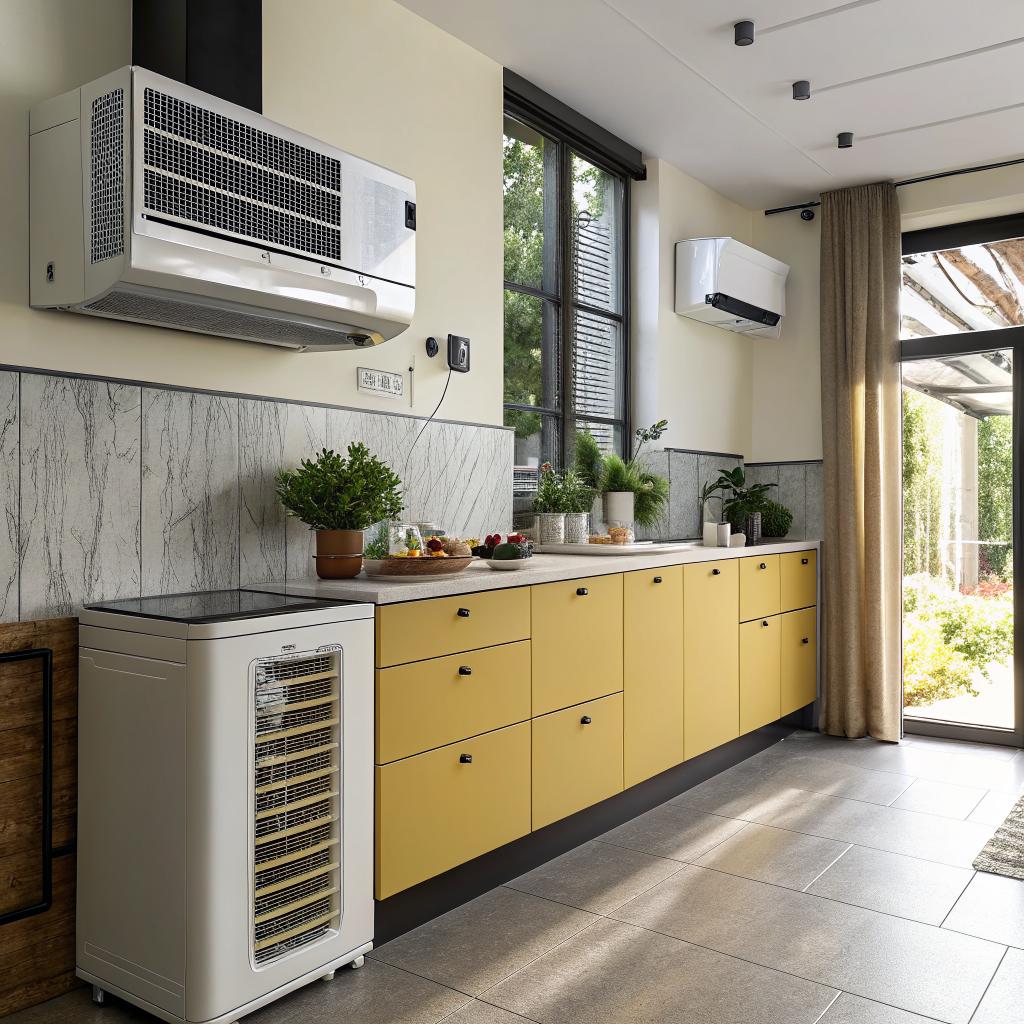
If you cook a lot at home, or you run a small restaurant kitchen, you already know the honest answer to how HVAC Valparaiso keeps your kitchen cool: it pulls out the hot, greasy air fast, brings in fresh, conditioned air at the right temperature, and keeps that cycle going while you work. That is the simple version. The longer story is about airflow, heat, humidity, safety, and a bit of comfort that makes the difference between a kitchen you enjoy and one you just endure.
I want to walk through that story in plain language, from the point of view of someone who cares about food first, and equipment second.
Why kitchen heat feels so intense
Cooking heat hits you differently than outdoor heat. A 75-degree dining room can feel fine, while the line in the back feels like a small furnace.
That happens because in a kitchen you have several heat sources running at the same time:
- Ranges and ovens
- Griddles and fryers
- Broilers and salamanders
- Dish machines and hot water pipes
- Human bodies moving constantly
Each one adds a layer of heat and moisture. Then you add steam from pasta water, smoke from searing meat, open refrigerator doors, and the constant motion around the room.
The big problem is not just high temperature, it is trapped heat that never leaves the kitchen.
If the hot air cannot escape fast enough, it builds up around the cooking line. Your back gets sweaty, your grip on knives feels less secure, and you start to rush tasks. That is when quality drops and safety risks go up.
A good HVAC setup for a Valparaiso kitchen attacks that trapped heat from two sides at once: strong exhaust and well planned supply air.
How kitchen exhaust really works
Most people look at the stainless hood over the range and think of it as a big fan. That is only part of the story. A commercial style exhaust system is more like a pathway for hot air, grease vapor, smoke, and odors to leave the building in a controlled way.
The hood over your line
The hood is the first line of defense. Its job is to capture the hot plume that rises from burners and surfaces before it spreads across the room.
When it is sized and set up well, the hood creates a kind of “umbrella” of capture right where the heat rises. When it is undersized or too high, that hot plume escapes out the sides and you feel it in your face.
If you feel a wave of heat on your forehead every time you open the oven, the hood is either too weak, too far away, or the air balance is off.
In practical terms, that usually comes down to three questions:
- Is the hood big enough to cover all active cooking surfaces with some margin?
- Is the fan pulling enough air to keep up with your peak cooking load?
- Is the hood mounted at the right height over the equipment?
Many small restaurants, and even some home kitchens with “pro-style” ranges, miss at least one of those points. Then they try to fix the problem by turning the fan to the maximum setting and accept the noise and drafts. That helps a bit, but it does not solve the root cause.
Exhaust fans and ductwork
Behind the hood, you have ductwork and an exhaust fan, often on the roof. This is where some of the hidden work happens.
The fan has to pull hot, greasy air through the duct without getting clogged or overworked. If the fan is too small, too large, or not matched with the hood, you end up with poor capture or loud, annoying airflow that still does not feel right.
In restaurant settings, cleaning the duct and fan housing on a regular schedule also matters. I have seen places where the hood looked shiny from below, but the duct above it was coated with thick grease. That layer blocks flow and makes the whole system feel weaker over time, even though the switch is still on and the noise sounds the same.
Heat, smoke, and the air balance problem
Here is where many kitchens in Valparaiso, and really anywhere, get stuck: the exhaust might be strong, but no one has thought carefully about how fresh air comes back into the room.
If you only pull air out and do not bring enough back in, the building goes into negative pressure. That can cause:
- Strong drafts through doors when someone opens them
- Smoke being pulled into the dining room from the kitchen
- Backdraft from gas appliances that should vent outside
- A general feeling of “stuffy but windy” at the same time
Exhaust by itself cannot keep your kitchen comfortable, it has to work together with planned supply air.
This is usually where a local HVAC team makes a difference, because they look at the whole building, not just the kitchen hood.
How supply air keeps the kitchen cool
If exhaust is about getting hot air out, supply air is about bringing the right air back in: cool, clean, and evenly distributed.
You basically have three sources of supply air in a typical cooking space:
- Makeup air for the hood
- Cooling from the central HVAC system
- Outdoor air that leaks or is brought in on purpose
Makeup air units
Some hoods have a dedicated makeup air unit that delivers air directly over or near the hood. In a perfect situation, this makeup air is tempered, which means it is heated in winter and cooled in warmer months before it reaches you.
If it is not tempered, you might end up with an odd mix: freezing air pouring on the chef in January while the rest of the room stays warm. Or warm, sticky air in summer that saps the energy right out of the staff.
A reasonable target is to have a big share of your exhaust volume replaced by tempered makeup air. The rest can be handled by the building HVAC system.
The role of central air conditioning
Your main HVAC system feeds air through ceiling registers or sidewall vents. That air should be treated to control both temperature and humidity.
In a busy kitchen, the air conditioner has a harder job than in a living room or office. It has to handle:
- Constant heat gain from cooking
- Extra moisture from boiling, steaming, and dishwashing
- Air from outside that may be hot, humid, or both
That means the system size and design that might work for a quiet retail space will not be enough for a kitchen of the same square footage. A good design uses more capacity and carefully placed vents so that cool air reaches the right spots, not just the easiest ceiling tiles.
Airflow patterns near the cooking line
There is a tricky balance here. You want cool air near the cooks, but you do not want strong air currents that blow smoke and heat out from under the hood.
That means supply vents are rarely placed directly under or in front of the hood. They are usually placed a bit away, pointing so that the airflow sweeps across the room without pushing the hot rising plume sideways.
A simple rule of thumb: if you see smoke drifting into the room every time the AC kicks on, the airflow pattern near your hood is probably wrong. That is not a small detail. It affects comfort, food quality, and how clean the rest of the building stays.
Kitchen comfort and food quality
People often frame kitchen cooling as an issue of comfort only, but it also affects how food turns out and how safe it is.
Heat and humidity around food
High humidity in the kitchen can cause:
- Slower evaporation when you sear meat or fish
- Mushy fries and reduced crispness from fryers
- Condensation on cold surfaces and containers
- Sticky dough behavior for bread, pizza, or pastry work
I watched a baker in a small restaurant complain about “inconsistent dough” for months, until they adjusted the HVAC settings to remove more moisture. Once the air was drier and more stable, the dough acted in a more predictable way. The recipe did not change. The environment did.
For cold storage, a hot, humid kitchen forces refrigerators and freezers to work harder. Doors open often, and each opening lets in a hit of heat and moisture. Compressors cycle more, which uses more energy and can shorten equipment life. Food temperature can creep up if the units are slightly overloaded or not cleaned well.
Staff focus and safety
Working a hot line in the middle of summer is draining. When the air is poorly managed, people get tired sooner, tempers rise, and attention to detail drops.
That can show up in small ways at first:
- More salt than intended on a dish
- Missed ticket items during a rush
- Less consistent plating
Then you have safety. Slippery floors from condensation, fogged goggles or glasses, and sweaty hands increase the chance of burns and cuts. When the air is a bit cooler and drier, everyone moves and thinks more clearly, which shows up in both safety records and customer reviews.
Common HVAC mistakes in busy kitchens
I think many people who love cooking at home, and many small operators, underestimate how many small HVAC issues slowly build into big comfort problems. Here are some of the ones that show up often.
Undersized or misplaced hoods
A few inches too short on a hood length can leave the far burner outside its capture zone. That becomes the “hot corner” of the line. Cooks avoid it, or if they use it, they complain more.
The height is another common problem. A hood mounted too high above the cooking surface catches less of the hot plume. People often raise hoods to create visual openness, but the tradeoff is weaker capture and more heat in the room.
Poor filter and coil maintenance
Air filters in roof units or indoor air handlers clog with dust and grease over time. As that happens, airflow drops and cooling feels weaker. Then someone sets the thermostat lower to compensate, which only strains the system.
A clogged filter is one of the simplest causes of a “tired” HVAC system in a kitchen, yet it is often missed for months.
Coils on outdoor units need cleaning as well. Grease and dirt buildup acts like a blanket, trapping heat that the system is trying to get rid of. That reduces cooling power and raises energy use.
Ignoring building pressure
This sounds technical, but you can feel it easily. If the kitchen door fights you every time you open it, or if you feel strong air rushing in from the dining room toward the back, the building pressure is off.
Too much negative pressure can pull in unconditioned air through cracks and gaps, making the whole building harder to cool. It can also interfere with how other exhaust vents work, including restrooms and dryer vents.
Using the same setup year round
Valparaiso has cold winters and warm, often humid summers. A kitchen that feels fine in April can be miserable in August. Some setups need seasonal adjustments, like:
- Changing fan speeds where the equipment allows it
- Adjusting damper positions that control fresh air levels
- Tuning thermostat setpoints for both kitchen and dining areas
I have seen people avoid these small adjustments because “the system was already installed, so it should be fine.” That mindset can lock you into avoidable discomfort for months at a time.
What a good HVAC checkup looks like for a kitchen
If you want your kitchen cooler and more stable, it helps to know what a thorough HVAC visit should cover. You do not need to do the work yourself, but understanding the process helps you ask better questions.
Key areas a technician should inspect
- Condition and size of the hood compared with the equipment under it
- Exhaust fan performance and belt condition
- Duct cleanliness between hood and fan
- Filter condition in all air handlers
- Refrigerant charge and coil cleanliness on AC units
- Supply and return vent locations in kitchen and dining room
- Building pressure balance between inside and outside
Many of these checks are quick. The value comes from looking at them together, as a system, not in isolation.
Simple measurements that matter
Some basic numbers give a clear picture of your kitchen comfort situation. Here are a few that are useful.
| Measurement | What it tells you | Why it matters in the kitchen |
|---|---|---|
| Room temperature (kitchen vs dining) | Difference between work area and customer area | Large gaps can signal poor airflow, undersized capacity, or bad zoning |
| Relative humidity | Amount of moisture in the air | High humidity affects food texture, staff comfort, and mold risk |
| Airflow at supply vents | Volume of conditioned air delivered | Low flow at key spots can mean blockages or poor duct design |
| Exhaust fan speed / draw | How strongly air is pulled through the hood | Weak draw reduces smoke capture and lets heat spread into the room |
| Pressure difference (inside vs outside) | Whether the building is under negative or positive pressure | Imbalanced pressure pulls in unwanted air and strains equipment |
You do not need to memorize these numbers, but knowing that they exist helps you understand why an HVAC specialist might stand quietly with instruments for a few minutes before saying anything. They are reading the room in a very literal way.
Designing a cooler kitchen from the start
If you are planning a new restaurant or a serious home kitchen upgrade in Valparaiso, you have a chance to set things up more thoughtfully from day one.
Thinking beyond square footage
HVAC design often starts with square feet, but in a kitchen, heat load is more useful. Two kitchens with the same floor size can have completely different cooling needs if one has heavy gas equipment and the other uses more induction, or if one cooks for many hours a day and the other for just a few.
Key questions during planning might include:
- How many hours a day will the line be active at high heat?
- What type of cooking produces the most smoke and steam?
- Where will refrigeration and dishwashing equipment sit?
- How open is the kitchen to the dining space?
The answers should influence both the size and the layout of the HVAC system, not just the equipment spec sheet.
Separating zones when possible
Having the kitchen and dining room on separate HVAC zones gives you more control. You can keep guests comfortable without overcooling the staff, or the other way around.
Some people resist zoning because it seems more complex, but over time it often reduces complaints and can even help with energy use. You do not have to freeze the dining room to get the cooks a bit of relief.
Ceiling height and surface choices
Higher ceilings can help with heat buildup, but only if the air above is also managed. Very high, untreated ceilings can act like big heat reservoirs that slowly radiate warmth back down.
Surface choices matter too. Dark, rough surfaces can hold more heat than lighter, smoother ones. That is a smaller effect, but in a tight kitchen, every bit helps. Light colored, easy to clean surfaces around the line help reflect light and do not store as much radiant heat.
Practical steps you can take right now
Not everything needs a contractor right away. Some steps are simple checks or habits you can start this week to keep your kitchen cooler.
Check airflow with your own senses
Stand under each supply vent while the system runs. Do you feel strong, even airflow, or just a faint draft? Compare different spots. The line, the prep area, the dish area, the walk-in door.
You can also do a simple smoke test with something like a stick of incense near the hood edge. Watch where the smoke goes. Straight into the hood is good. If it curls out or drifts into the room, your capture is weaker than it should be.
Keep filters and grilles clean
Set a regular schedule to wash or replace hood filters, HVAC filters, and to wipe vent grilles. Grease and dust buildup is not just a cleaning issue, it is an airflow issue.
Mark the dates somewhere visible. It is easy to forget when you are busy. When you see a date from three months ago, you know it is time to do something.
Give the air a clear path
Try to avoid stacking boxes, supplies, or tall equipment right in front of supply vents or returns. Airflow is very literal. If something blocks the path, the air just goes where it can, not where you want it.
You might think, “It is only one shelf,” but if that shelf blocks a key vent, the impact can be larger than you expect.
Use equipment wisely during peak heat
Where possible, plan prep tasks that need cooler conditions for earlier in the day, before the line heats up fully. Things like pastry work, chocolate work, or handling delicate greens do better in a cooler room.
That planning does not change the HVAC setup, but it works with it instead of fighting it.
How seasonal changes affect Valparaiso kitchens
Valparaiso weather swings across the year. Those swings show up inside kitchens too, sometimes in subtle ways.
Summer: humidity and heavy AC load
In warmer months, the AC has to remove both heat and a lot of moisture. If the system is slightly undersized or poorly tuned, the kitchen can feel damp and sticky instead of simply warm.
Some symptoms of summer strain include:
- Condensation on cold surfaces like refrigerated prep tables
- Longer cooling time for food that needs to chill
- More frequent complaints from staff about feeling “wet hot” rather than just hot
Adjusting thermostat settings, checking refrigerant levels, and confirming that the outdoor unit coils are clean can help relieve some of that burden.
Winter: dry air and makeup air issues
In colder months, makeup air that is not heated enough can create cold drafts near the hood. At the same time, the general indoor air might feel dry, which affects comfort in its own way.
Some kitchens intentionally reduce exhaust or adjust settings in winter to avoid pulling in too much cold air. That is understandable, but if done carelessly, it can lead to more smoke and odors in the space.
This is where a balance approach helps. Tuning both exhaust and makeup air for the season, not just shutting things off, gives better results.
Energy use versus comfort
People sometimes think of cooling the kitchen as a luxury that costs extra power. The picture is more mixed than that.
A well tuned system often uses less energy than a struggling one, even if it feels cooler. For example:
- Clean filters and coils reduce the run time for the same cooling effect
- Balanced airflow prevents hot spots that cause people to overcool other rooms
- Good humidity control lets you set the thermostat slightly higher while feeling comfortable
If you care about your energy bills, it is worth asking for both comfort and efficiency together, not trading one for the other without checking the facts.
How a cooler kitchen changes daily work
When HVAC is doing its job well in a Valparaiso kitchen, things do not feel dramatic. That is part of the point. The room feels stable, predictable, and a bit unremarkable, which gives you space to focus on food and service.
Some changes you might notice over time include:
- Staff staying energetic deeper into the shift
- Fewer complaints about “burning up” on the line
- Less smoke or odor drift into dining areas
- More consistent performance from fryers, ovens, and refrigeration
Guests might never talk about the HVAC directly, but they will talk about how your place feels: comfortable, fresh, and pleasant to be in. For a home cook, friends are more likely to hang out and chat in the kitchen instead of escaping to the coolest room they can find.
Questions cooks often ask about HVAC and cool kitchens
Q: Why does my kitchen still feel hot even when the AC is strong?
A: The AC might be sized for the building as a whole, not for the extra heat from all your cooking equipment. Another reason is poor airflow. If cool air is not reaching the line area, the thermostat might say it is cool, but your body will not agree. Exhaust and supply have to work together, not fight each other.
Q: Does a bigger hood fan always mean a cooler kitchen?
A: Not always. A very strong fan without proper makeup air can pull in hot, unconditioned air from outside or from other rooms. That can make some spots colder and others hotter. The key is balance, not just more power.
Q: Is it worth getting my kitchen HVAC checked if it is “only” uncomfortable a few months a year?
A: I think so. Discomfort during peak seasons often points to underlying design or maintenance issues that affect you all year, just in quieter ways. Fixing those can help food quality, equipment life, and staff turnover, not just comfort for a few weeks.
Q: Can small home kitchens learn anything from restaurant HVAC setups?
A: Yes, at least in principle. Good capture at the hood, clear airflow paths, and regular filter cleaning all apply at home too. You might not need the same scale of equipment, but the ideas are the same: let heat out efficiently and bring treated air back in where you need it.
Q: If I could change only one thing to keep my kitchen cooler, what should it be?
A: That depends on your specific space, so any simple answer is slightly unfair. For many kitchens, though, checking and improving hood capture is a strong first step. If the hot, greasy air leaves the building quickly and cleanly, every other part of the system has an easier job.