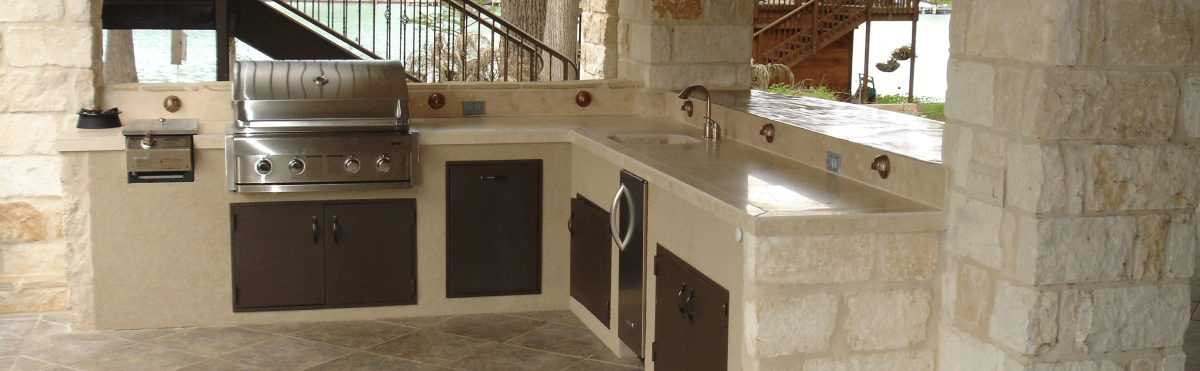
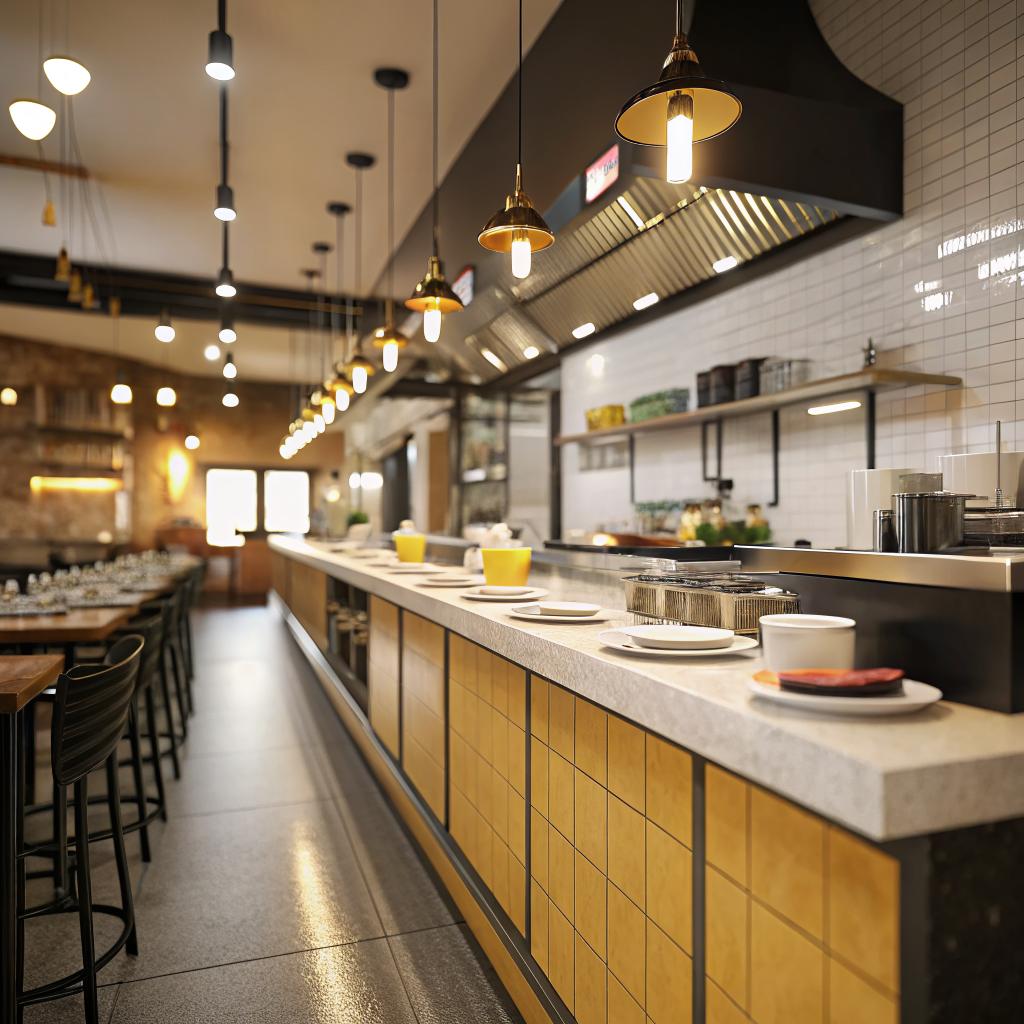
If you want a restaurant style kitchen at home, you need to think like a chef and a builder at the same time. A good Rockport General Contractor can help you do that by planning the layout, choosing practical materials, and making sure the space feels good to cook in, not just look nice on Instagram. That mix of design and function is what separates a basic remodel from a kitchen you actually love using every single day. If you are in Texas and want to see what that looks like in the real world, you can get a sense from a local Rockport General Contractor that focuses on kitchens and full home projects.
If you enjoy cooking, you probably already have a few opinions about what works and what drives you crazy. Maybe the trash is always too far from the prep area. Maybe you keep bumping into someone when two people cook at once. Restaurant kitchens obsess about those problems. Home kitchens, not always.
So the idea here is not to turn your house into a noisy back-of-house line with ticket rails and heat lamps. That would be too much. The goal is to borrow the smart parts, make them fit a normal home, and avoid going overboard on things that only make sense in a 60 seat restaurant.
Let me walk through how a contractor usually thinks about this, then translate it into things you can use or at least ask about before you start tearing out cabinets.
Why restaurant style works so well for home cooks
Restaurant kitchens are not built to be pretty first. They are built to get food out fast, safely, and consistently. Looks come after. At home you probably care about looks more, but the logic behind a professional kitchen can still help you.
Here are a few reasons people want that restaurant feel at home:
- You can cook bigger meals without the kitchen feeling crowded.
- Tools and ingredients are easier to reach, so cooking feels calmer.
- The kitchen holds up to heat, spills, and constant use.
- Cleanup takes less time because the surfaces are easier to wash.
I have seen people spend serious money on pretty backsplashes and then hate cooking because the layout feels off. On the other hand, I have seen simple, almost plain kitchens that work so well you forget about the design and just cook.
If you love cooking, function should lead and style should follow, not the other way around.
You can still have both. You just need to start with a few practical questions.
Step one: plan your layout like a chef, not a decorator
A lot of contractors still talk about the classic “work triangle” between the sink, stove, and fridge. It still matters, but restaurant style planning is more about work zones than strict triangles.
Think in zones, not in single points
Professional kitchens group tasks into clear areas. At home, you can do a lighter version of the same idea:
| Zone | Main purpose | What should be nearby |
|---|---|---|
| Prep zone | Chopping, mixing, seasoning | Knives, cutting boards, bowls, trash, compost, spices |
| Cooking zone | Searing, simmering, baking | Pots, pans, oils, utensils, oven mitts |
| Clean-up zone | Washing, drying, putting away | Sink, dishwasher, trash, dish storage |
| Storage zone | Food and gear storage | Pantry, fridge, bulk containers |
Then ask yourself a blunt question: where do you actually stand when you cook a full meal?
If you notice you prep near the sink, then your main cutting board and knives should live near the sink, not across the room near a pretty backsplash that you never use. That sounds obvious, but it is the type of detail a general contractor has to push for, because design drawings do not always reflect how people really move.
Give yourself one honest, clear prep area
Most home cooks, if we are honest, end up prepping in a space smaller than a baking sheet. A restaurant cook would find that ridiculous.
You do not need a massive island, but you do need at least one landing zone that works like a small “line”:
- At least 3 feet wide of clear counter space.
- Close to the sink for washing vegetables.
- Within one or two steps of the stove.
Tell your contractor: “I want one spot where I can do everything from chopping to plating without reaching over clutter.”
If you say that out loud during planning, the layout will usually shift slightly in your favor. Maybe the dishwasher moves 12 inches, or a drawer stack trades places with a cabinet. Those small shifts matter more than an extra fancy countertop edge.
Plan for more than one cook
If more than one person cooks in your kitchen, you cannot design it only for a single “captain.” Restaurant lines handle several people moving together, and they do it by keeping pathways clear.
Ask yourself:
- Can one person be at the sink while another stands at the stove without bumping elbows?
- Is there a spot where someone can plate or prep salad away from the main heat?
Sometimes the answer is “not really” because the space is tiny. Then the fix is often about how doors swing, where the fridge is, or where the trash sits. An experienced contractor will catch that, but many homeowners do not push back enough.
You can say, “I want a second mini prep zone here that fits a cutting board and a bowl.” It sounds small, but it can change family cooking nights.
Surfaces that feel like a restaurant, without looking like one
Professional kitchens care about durability and health codes. Stainless steel, heavy tile, industrial floors. At home, that can look too harsh. You probably want something a bit softer but still practical.
Countertops that handle real work
If you cook a lot, your counters will see knife marks, hot pans, and spills. Here is a quick comparison:
| Material | Pros for heavy cooking | Cons |
|---|---|---|
| Quartz | Low maintenance, stain resistant, consistent look | Not great with direct high heat, can feel a bit “cold” visually |
| Granite | Holds up well to heat and wear, natural look | Needs sealing, patterns can hide spills too well |
| Butcher block | Gentle on knives, warm look, nice for baking prep | Needs more care, not ideal next to a very wet sink |
| Stainless steel (partial) | Very durable, feels like a restaurant, easy to clean | Shows scratches, can feel too industrial if overused |
A general contractor might suggest mixing materials. For example:
- Quartz or granite for most surfaces.
- A wood or butcher block section near a baking area.
- A small stainless “landing pad” next to the range for hot pans.
That mix gives you the function of a restaurant line without making your house feel like the back of a diner.
Backsplashes that you actually want to wipe down
Grease climbs walls, especially if you cook a lot on high heat. Tiny textured tiles might look interesting, but cleaning grout after curry night is no fun.
For a restaurant style home kitchen, this is what usually works best:
- Larger format tile with minimal grout lines.
- Simple subway tile with darker grout if you want a classic look.
- One large slab behind the range to avoid joints right where oil splatters.
Your contractor can help choose a washable grout and a finish that is not too glossy. High shine sometimes shows every streak. A slightly matte tile can be easier to live with.
Floors that survive spills and fatigue
Restaurants think about slip resistance and cleaning. At home you should too, but the look matters more.
Common choices:
- Porcelain tile: tough, handles spills, but can be hard on legs.
- Luxury vinyl plank: softer underfoot, better than it used to be, decent with water.
- Engineered wood: warm and comfortable, but needs more care with standing water.
If you stand for hours chopping vegetables, consider a surface that is not rock hard, or at least use a good anti-fatigue mat at the main prep spot. No contractor will feel that in the design stage, but you will feel it during a long Sunday meal prep.
Storage that feels like a cook, not a collector, lives there
Restaurant kitchens rarely hide tools behind ten cabinet doors. Things are open, reachable, and stored near where they are used. Home kitchens can borrow that logic without looking cluttered.
Open shelves, rails, and what actually works in real life
Open shelves look nice in photos, but they do collect grease and dust, especially near a stove. I think they work best if:
- You use them for everyday dishes that move through the dishwasher often.
- You do not run them right next to a high heat cooking area.
Pot rails or hooks for common tools feel very restaurant-like and are actually handy. A rail with:
- Two or three favorite pans.
- A ladle, spatula, tongs.
can save you from digging through deep drawers. You do not need to hang every single tool. That gets messy fast.
A good rule: if you use it every day, it can live in the open. If you use it once a month, it goes behind a door.
Drawers beat doors for heavy use
General contractors now often push deep drawers instead of lower cabinets. Chefs love them for a reason. You can see everything at once and you do not crouch and dig around.
For a restaurant style kitchen at home, deep drawers make sense for:
- Pots and pans.
- Mixing bowls.
- Containers and lids, if divided well.
Shallow drawers near prep areas should hold knives, peelers, small tools. Tell your contractor exactly which tools you use most so they can plan the drawer sizes. That level of detail might feel too fussy, but it leads to a nicer daily experience.
Real pantry space, not random cabinets
Restaurants keep bulk items close at hand. At home, a pantry cabinet or small room plays that role.
Try to group pantry storage by how you cook, not just by container size:
- A baking shelf with flours, sugar, baking powder, measuring cups.
- A weeknight dinner shelf with pasta, rice, canned tomatoes.
- A “sauces and condiments” zone near the stove.
When you plan cabinets, picture where a 10 pound bag of rice, a stand mixer, or a stack of sheet pans will go. Many people skip that step and end up with nowhere to put those odd-shaped items.
Appliances with restaurant roots, scaled to home life
This is where many home cooks get carried away. Massive ranges, double fridge columns, sous vide stations built into counters. Some of that is fun. Some of it is waste.
Let us slow this part down.
How much burner do you really need?
Commercial style ranges look impressive. People like the heavy knobs, the big grates, the blue flames. But they also put out serious BTUs, which leads to more heat, more noise from the hood, and stricter venting needs.
Ask yourself:
- Do you cook with a wok or large stock pots often?
- Do you regularly run 3 or 4 burners at high heat at once?
If you do, a higher output range might make sense. If not, a solid standard range with a strong center burner and a real vent hood is often enough. A good contractor will be honest here. Some will still try to push the biggest model because it helps sell the remodel, but bigger is not always better in daily use.
Ventilation: the unglamorous hero
Vent hoods are the least glamorous part of a restaurant style kitchen, but they matter the most for comfort. If your house still smells like last night’s fish two days later, you will not enjoy cooking as much.
You want:
- A vented hood that sends air outside, not a simple recirculating unit.
- Enough power for your range size, but not so loud you never use it.
- Filters that you can remove and wash easily.
Talk with your contractor about duct path and exit location. Shorter, straighter runs work better. This is where construction experience really shows. A nice range with poor venting is like having great knives that you never sharpen.
Refrigeration: prep vs display
Professional kitchens use undercounter fridges and big walk-ins. You probably have a standard fridge. That is fine, but you can still borrow one trick: keep cold prep items close to where you use them.
A few ideas:
- Plan a spot for a small undercounter fridge in an island for drinks and often used produce.
- Keep a shallow drawer in the main fridge for “tonight’s dinner” items so you can grab them fast.
Extra refrigerators are tempting, especially in Texas where people host big gatherings. Just be sure they serve a real purpose and that you have space for them without crowding your workflow.
Lighting that matches how you actually cook
Chefs work under bright, clear light so they can see color and doneness. At home, many kitchens end up with shadows on the counter and glare in the eyes. A contractor with sense will break lighting into layers.
General, task, and a little mood
For a restaurant style kitchen that still feels like home:
- General lighting: recessed or surface fixtures that evenly light the room.
- Task lighting: under cabinet strips or pucks right over the counters.
- Accent lighting: a few pendants over an island or table, on a dimmer.
Task lighting is the piece many people skip. You want the light to hit your cutting board from above, not from behind you. That means under cabinet lighting or a well positioned track, not just one bright light in the middle of the ceiling.
If you are unsure, stand where you usually chop, then look up and see where a fixture could sit so it does not cast your head’s shadow on the counter. That simple test helps more than any catalog photo.
Safety and code, the practical side nobody likes to talk about
Restaurant kitchens follow strict codes for fire, hygiene, and equipment. Home kitchens do too, but the rules are lighter. This is where a licensed contractor in Rockport or anywhere else matters more than Pinterest boards.
Some basic points a contractor will watch
You do not need to become an expert, but you should know about:
- Electrical circuits: heavy appliances usually need dedicated lines.
- Outlet spacing: there are rules about how far apart outlets can be on counters.
- GFCIs near water: required for safety.
- Clearances around the range and hood: for both safety and comfort.
If a design idea from a restaurant kitchen seems unsafe or awkward at home, listen to that feeling, then ask your contractor to adjust it.
Also, if you are thinking about adding gas lines, moving sinks, or opening walls, be ready for surprises inside those walls. Older homes sometimes hide wiring or plumbing that needs updating. That is not fun for the budget, but cutting corners there is a mistake.
The look: how far to push the restaurant theme
Pure restaurant style can be harsh in a home. All stainless, bright lights, open racks. Some people like that. Many do not.
I think a better approach is to pick a few signature elements and blend them into a warmer base.
Pick your “professional” highlights
For example, you might choose:
- Pro style faucet with a pull-down sprayer.
- Open spice shelf near the stove, stocked with what you really use.
- Simple white plates and shallow bowls stacked in one visible area.
- A magnetic knife strip instead of a big block.
Then balance those with:
- Warmer cabinets, maybe wood or a soft painted color.
- Less reflective countertops.
- Soft seating nearby so guests can hang out while you cook.
That way the kitchen feels practical and serious when you are cooking, but welcoming when you are just having coffee.
Working with a contractor without losing your cooking voice
General contractors often think in terms of measurements, timelines, and inspections. Cooks think about timing dinner, not drywall. Those worlds can clash a bit.
Talk about recipes, not just finishes
Instead of saying, “I want a restaurant style kitchen,” try saying something more concrete, such as:
- “I cook stir fry twice a week and need room for a wok and ingredients near the stove.”
- “We host big pasta nights and plate at the island, so I need a wide clear span there.”
- “I bake bread three times a week, so I want a cool, smooth section of counter away from the oven heat.”
Those details help the contractor place outlets, adjust cabinet layout, and plan lighting. They also keep the project anchored to how you actually live.
Be honest about your maintenance habits
If you know you will not seal stone every year or wipe down open shelves weekly, say that. A restaurant has staff for that kind of maintenance. You do not.
Your contractor might suggest:
- Slightly more forgiving materials.
- Closed storage in grease-prone zones.
- Hardware that is easier to clean, like simple bars instead of ornate knobs.
There is no shame in saying, “I want it to look nice, but I do not want to babysit it.”
Common mistakes people make chasing a restaurant style kitchen
I have to be blunt here. The restaurant look can lead people into some odd decisions.
Going industrial for the sake of it
Exposed bulbs, rough metal, concrete floors, open shelves everywhere. It can photograph well, but living with it is another story, especially if you cook with oil and sauces.
If your main goal is to cook better and enjoy it more, focus on workflow and cleaning first. The “cool” details can come later, once the bones work.
Overbuying appliances and underplanning storage
Huge range, but no place to store sheet pans. Built-in coffee station, but nowhere for mugs. I have seen this many times.
A quick check: write down all your current appliances and tools, then mark which ones you use weekly. During planning, make sure each of those has a clear home that is not in an awkward spot. If your dream appliance does not fit into that plan, maybe skip it.
Ignoring noise and heat
Restaurant kitchens are loud and hot. At home, you want to control both.
Things that help:
- Quality hood with good ducting, so you can run it on a lower, quieter setting most of the time.
- Soft furnishings nearby to absorb sound if your kitchen is open to living space.
- Proper insulation around new walls or ceilings during renovation.
A general contractor in Rockport or any busy coastal town will also think about humidity and salt air, which affect materials differently. If you are near the water, ask how that changes choices for hardware and finishes.
Using restaurant habits in your home kitchen
You can build the nicest kitchen and still cook in a messy, stressful way. Restaurant style is also about habits.
A few ideas borrowed from professional kitchens that work at home:
- Prep ingredients before you start cooking, not during.
- Keep a small trash bowl or bin on the counter so scraps do not spread.
- Wipe surfaces and wash tools as you go, not afterwards.
- Store items where you use them, not where they “fit” best.
In a way, the best contractor in the world cannot fix bad habits. But a well planned kitchen does make good habits much easier.
Quick Q&A: common questions about restaurant style kitchens at home
Q: Do I need a huge range to get a restaurant feel?
A: No. A standard 30 inch or 36 inch range with a strong center burner and good venting is enough for most home cooks. Spend more energy on layout and prep space.
Q: Are open shelves really practical near a stove?
A: Only for items you use daily and clean often, like plates or glasses. For long term storage or rarely used pieces, closed cabinets are better because grease and dust travel farther than people expect.
Q: Is stainless steel a good idea for my whole kitchen?
A: Usually not. It works well for a limited area, like a small section of countertop near the stove or a backsplash panel. Covering every surface in stainless can feel cold at home and shows fingerprints and scratches.
Q: What is one thing I should not skip if I cook a lot?
A: A clear, generous prep zone with good lighting and nearby trash. Even a smaller kitchen can have one main working area if the layout is done with care.
Q: How do I explain what I want to a contractor?
A: Describe how you cook a real meal from start to finish, step by step. Where you stand, what you reach for, what annoys you in your current kitchen. That story gives a good contractor more usable direction than a dozen random inspiration photos.