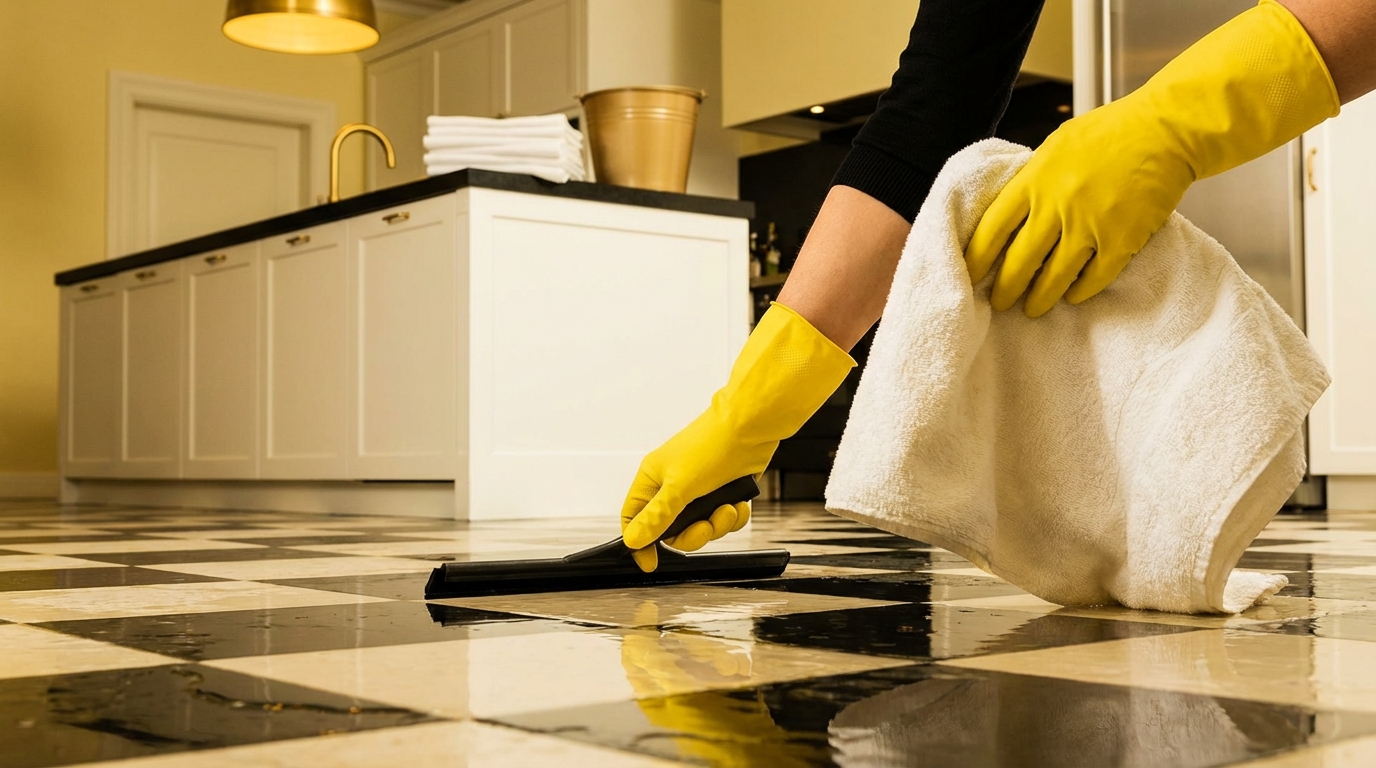
If your kitchen is flooding right now and you want the fastest answer, do this: turn off the water supply, shut off electricity to the kitchen if you can reach the panel safely, move yourself and others away from appliances and standing water, protect what you can lift, then call professional emergency water removal. For more detailed guidance, you can Visit Website guides like that one for step‑by‑step help, while you follow the practical tips below.
Now, if the flood is minor, or has already happened and you are just trying to recover, we can slow down a bit and talk through what actually works.
This is not just a home care topic. If you enjoy cooking, host dinners, or work in restaurants, you already know how central a kitchen is to daily life. When water hits that space, it feels like everything stops. You cannot cook, you cannot prep, you cannot even make coffee without stepping in a puddle.
I have dealt with two kitchen floods in my own life. One from a cracked refrigerator line, another from a careless dishwashing session and a clogged drain. Neither one looked like a disaster movie, but both were enough to swell cabinets, ruin a box of spices, and turn making dinner into a small project for days. So I want to walk through this like someone talking you through it from the other side of the phone, not like a manual.
What Happens To A Kitchen When It Floods
Water in a kitchen does not just sit on the floor. It spreads, seeps, and hides. It gets into places that you do not see until something smells strange or warps.
Common targets:
- Cabinet bases and toe kicks
- Subfloor under tile, laminate, or hardwood
- Insulation behind lower walls
- Appliance motors and wiring
- Food storage (dry goods, packaging, labels)
- Wooden utensils, cutting boards, and small tools
Both home kitchens and restaurant kitchens face similar issues, although scale and health rules are different. If you cook a lot, you probably own more gear, more pantry items, and more electronics in the kitchen. That means more to protect and more to clean up, but also more motivation to get it right.
A kitchen flood is as much a food safety problem as a property problem, especially if dirty water or sewage is involved.
So yes, you care about your cabinets and flooring. But you also care about your knives, your spices, your baking tools, and that old stand mixer that weighs as much as a small child.
Immediate Steps While The Water Is Still Coming In
If water is actively running, focus on stopping the source and staying safe. The cooking, the restaurant talk, all of that comes later. Right now the job is simple, but not always easy.
1. Stop the water if you can do it safely
Look for:
- A sink or dishwasher overflowing
- A broken water supply line under the sink or to the fridge
- A burst pipe in a wall or ceiling
- A washing machine or nearby room feeding water into the kitchen
Then act:
- Turn off the local shutoff valve under the sink or behind the appliance.
- If you cannot find it, or it does not work, close the main water valve for the home.
Sometimes people hesitate here, thinking they will “fix it in a second.” That second turns into soaked cabinets. Closing the main valve is annoying, yes, but usually cheaper than new flooring.
2. Kill power to the kitchen if water is near outlets
If water is near outlets, cords, or the base of appliances, do not touch anything electrical. Go to your breaker panel and turn off the kitchen circuit. If you are not sure which breaker controls the kitchen, turn off the main breaker.
If you have to ask yourself “Is this safe to touch?” with standing water and electricity, step back and shut off the power at the panel.
This can feel extreme, especially if the fridge is full and you worry about food spoiling. But a few hours without power is better than a shock.
3. Protect what you can move quickly
Once the water is stopped and the power is off, grab things that are easy to save.
- Lift rugs and mats.
- Move small appliances off the counter if there is any risk of water spreading up.
- Get pantry items in cardboard off the floor or bottom shelves.
- Move trash cans, pet bowls, and floor storage out of the wet area.
Do not try to rescue everything at once. Start with what will be ruined fastest: cardboard boxes, recipe notebooks on low shelves, open bags of flour or sugar near the ground.
4. Decide if you need emergency help
If any of these are true, you likely need professionals for water removal and drying:
- Water has soaked more than one room.
- The water level is above your ankles.
- The source was a burst pipe in a wall or ceiling.
- There is any sign of sewage or foul smell.
People who love to cook often care a lot about their kitchen finishes. Hardwood floors, built in pantries, custom cabinets. Those cost money. Professional crews use pumps, industrial fans, and moisture meters. That tends to save more materials than towels and box fans alone.
Kitchen Flood Rescue Steps You Can Handle Yourself
Not every flood needs a truck and a crew. If the water is shallow, clean, and limited to the kitchen floor, you can often manage the first phase alone.
Step 1: Clear the area
Before drying, get stuff out of the way. This is the part that feels like moving house for an hour.
- Move chairs, stools, and bins to a dry room.
- Pull out floor mats and runners.
- Remove any under cabinet storage or baskets.
If you cook often, you might store cast iron, sheet pans, or small appliances on the floor or very low shelves. Those can rust or swell fast, so move them early.
Step 2: Get rid of standing water
Use what you have:
- A wet/dry vacuum if you own one
- Mops and buckets
- Old towels you do not mind staining
Work from the deepest area toward the exit. Empty buckets often. Do not push water into other rooms just to “get it out of the kitchen.” You are creating a second problem then.
Step 3: Start aggressive drying
Drying is half of the rescue job. You cannot rush the physics of moisture, but you can help it along.
- Open windows if outdoor air is drier than indoor air.
- Run fans aimed across the floor, not straight down.
- Place a fan near open cabinet doors to move air in and out.
- Run a dehumidifier in the room if you have one.
The first 24 to 48 hours are when you can prevent long term damage and mold. After that, trapped moisture gets harder to deal with.
Try not to stop drying efforts too early just because the surface “feels” dry. Materials keep holding moisture inside.
How A Flood Affects Cooking, Food Safety, And Routine
For people who enjoy cooking or work around food, a kitchen flood does not just mean cleaning a floor. It breaks routine, interrupts prep, and raises questions about what is still safe to eat.
Food safety after a kitchen flood
Use a simple rule: if water touched it and it is not fully sealed, question it. If the water was dirty, be even more strict.
- Throw away anything in cardboard that got wet.
- Discard bulk food in open bins stored near the floor.
- Wash canned goods that got splashed, then dry them well.
- Inspect spices stored low or near leaks, especially if lids are loose.
In a restaurant, health codes usually do not give much room for debate here. Home kitchens have more personal judgment, but stomach bugs from contaminated food are not fun, so I think it is better to be conservative.
Appliances and cooking tools
Here is where people sometimes overreact or underreact.
| Item | If water splashed | If item sat in standing water |
|---|---|---|
| Metal pots and pans | Wash with hot soapy water | Wash well, dry fully, watch for rust |
| Wooden utensils / boards | Wash, dry, lightly oil if needed | Consider discarding if water was dirty or soaking was long |
| Small appliances with motors | Wipe exterior, keep cords dry | Unplug, do not use until inspected by a pro |
| Knives | Wash and dry promptly | Wash, dry, check for rust near handle |
| Silicone and plastic tools | Wash normally | Wash, check for trapped water inside handles |
Professional kitchens will often treat any tool that has been in contact with flood water as contaminated and either disinfect or discard it. At home you can clean more selectively, but do not keep something that will always make you wonder if it is safe.
Can you still cook during cleanup?
In many cases, you can keep cooking, but differently.
- Set up a temporary prep area in another room.
- Use a single burner or portable induction cooktop if the main stove is off.
- Wash dishes in a bathroom or laundry sink if the kitchen sink is out of use.
The bigger question is mental. Are you comfortable preparing food while fans run and parts of the kitchen are open or under repair? Some people cook through anything. Others feel better ordering takeout until the room is back to normal. Both are fine choices.
Hidden Damage: What You Might Miss In The Kitchen
This is where professional water removal and drying services often earn their fee. Water behaves quietly. You do not always see where it went until something warps, smells, or discolors.
Cabinets and toe kicks
Most kitchen cabinets are not solid hardwood. Many are a mix of plywood, particle board, or MDF. Those materials soak up water and swell.
- Check under the sink base for soft spots.
- Press gently on side panels near the floor.
- Look for bubbling or peeling on toe kicks.
Minor swelling sometimes settles once dry, but badly soaked materials can crumble or mold from the inside out. That is why drying behind and under cabinets matters.
Subfloor underneath your flooring
Tile, vinyl, hardwood, and laminate all react differently to water. But the layer under them, the subfloor, is what carries the structure. If that holds moisture, you might not feel it right away.
Warning signs later:
- Soft or “spongy” feeling when you walk.
- Tiles that loosen or grout that cracks.
- Gaps forming between boards on hardwood or laminate.
- Musty smell that will not go away.
Professionals use moisture meters to check these hidden layers. At home, you mostly have your eyes, nose, and feet.
Walls and insulation
When water hits the floor, it can wick up into the bottom part of the walls. If the flood was small and brief, you may not have a problem. Longer soaking, or water that reached several inches up the wall, is more serious.
After a few days, if you start to smell a damp, earthy odor, or see faint staining or bubbling paint near the floor, you might have moisture trapped behind the wall. That can mean insulation and drywall need to be opened and dried or replaced.
When To Call Professionals For Water Removal
I do not think every minor kitchen mishap needs a paid crew. But there is a point where “DIY rescue” becomes “risking long term damage.” The line is not always sharp, but there are signs.
Signs your kitchen flood is beyond basic cleanup
- Water reached into other rooms or down to the level below.
- You see water dripping from the ceiling downstairs.
- Cabinets feel soft or swollen after basic drying.
- You smell mustiness after a couple of days even with fans and open windows.
- The flood involved sewage, storm runoff, or discolored water.
At that point you are not just saving a floor mop. You are trying to keep your kitchen safe and functional long term. That includes your cooking life, whether you are testing new recipes, running a food blog, or feeding a busy family.
What professional crews actually do
People sometimes picture one giant vacuum. In reality, there is a sequence, and it is a bit more technical.
- Pump out and extract standing water with specialized equipment.
- Measure moisture in floors, walls, and cabinets.
- Remove baseboards or toe kicks to let air reach hidden areas.
- Set up a plan for fans and dehumidifiers to run for several days.
- Check progress and adjust equipment based on readings.
The goal is not just “dry to the touch.” It is to bring building materials back to a safe moisture level, so mold growth is unlikely and finishes stay stable.
Cleaning And Disinfecting The Kitchen After A Flood
Once the water is gone and the room is drying, you move into cleaning. If you cook a lot, you may already have your own cleaning rituals. Flood cleanup is heavier, but some habits carry over.
Step 1: Remove damaged materials
This part is not fun, but it is straightforward.
- Cut away and discard wet carpet or rugs.
- Remove baseboards or toe kicks if they are soaked.
- Bag ruined pantry items and cardboard packaging.
Try to keep trash from sitting in the kitchen too long. Wet materials and food waste together start to smell fast.
Step 2: Clean all reachable surfaces
Work from higher surfaces down to the floor, so you are not dripping onto clean areas.
- Wipe counters, appliances, and cabinet doors with a mild cleaner.
- Use a disinfectant on any surface touched by dirty water.
- Scrub the floor once it is mostly dry, not while it is still flooded.
Some people feel tempted to use harsh products on everything. You do not always need that, and harsh chemicals in a food prep area can create other issues. Focus on areas that had direct contact with standing water.
Step 3: Check for lingering moisture and odor
Once cleaning is done, pause and just stand in the room for a minute. Smell the air. Pay attention to cooler spots under your feet or along the walls.
- If the air feels humid and sticky after several days of drying, you might need more dehumidification.
- If a musty smell appears, it could be a sign of moisture in hidden areas.
Your nose is often the first “tool” to tell you if flood cleanup is fully done or if something is still damp behind the scenes.
Preventing The Next Kitchen Flood
Prevention is a quiet topic. It is not as dramatic as standing in water, but it is cheaper. People who cook a lot sometimes push appliances hard and skip small checks.
Common kitchen flood sources to watch
Many kitchen floods start small. A loose connection here, a slow leak there.
- Refrigerator water lines and ice makers
- Dishwasher supply and drain hoses
- Under sink pipes and garbage disposals
- Washing machines in nearby laundry spaces
- Clogged sink drains and overflow
Simple habits help:
- Inspect visible hoses twice a year for cracks or bulges.
- Tighten loose fittings under the sink.
- Clean sink strainers and avoid dumping grease down the drain.
- Do not leave the dishwasher or washing machine running when you leave the house for hours.
None of this is exciting. But then, neither is mopping at midnight.
Kitchen layout choices that reduce damage
If you remodel or build a kitchen, you can make choices that handle leaks better.
| Choice | How it helps during a flood |
|---|---|
| Water resistant flooring (tile, some vinyls) | Holds up better to short term flooding than some laminates |
| Raised toe kicks or furniture style bases | Limits wicking of water into cabinet sides |
| Shutoff valves for each appliance | Makes it faster to isolate a leak |
| Pan under fridge and dishwasher (where feasible) | Catches small leaks before they reach the whole floor |
| Floor drain in commercial kitchens | Gives water a place to go during heavy cleaning or leaks |
Restaurants often already have some of this in place, especially drains and washable finishes. Home kitchens can borrow some of those ideas without losing comfort or style.
Getting Your Cooking Routine Back After A Flood
Once the floor is dry and the fans are quieter, a different problem appears. You want your kitchen to feel “normal” again. That includes how you cook.
Organizing gear after cleanup
Since you probably had to move a lot of items around, you have a strange opportunity. You can rethink storage.
- Keep rarely used items on lower shelves and daily tools higher up.
- Avoid storing food in cardboard on the floor or lowest level.
- Use sealed plastic bins for bulk items near the floor.
This does not stop water, but it reduces how much is ruined if you face another leak.
Simple meals while the kitchen is half working
While repairs are still going, your cooking style may need a short reset. You might have fewer burners or less counter space. Try:
- One pot dishes that use minimal prep space.
- Sheet pan meals if the oven still works.
- No cook meals like salads, sandwiches, or cheese and fruit boards.
Restaurants often run limited menus during construction or after incidents. Home cooks can do the same without guilt. It is not a failure to cook simpler food while your kitchen heals.
Questions People Often Ask About Kitchen Floods
Q: My kitchen floor is dry to the touch. Is the problem solved?
A: Not always. Surfaces can dry faster than what is underneath. If water reached under cabinets, into wall bottoms, or below flooring, those areas may still be wet. Watch for swelling, soft spots, or musty smells over the next week. If anything feels off, you might need a deeper check.
Q: Can I save my lower cabinets after a flood?
A: Sometimes. If the water was shallow and removed quickly, you might dry them out with fans and open doors. If the material swells badly, crumbles, or starts to grow mold, sections will need replacement. Real wood frames survive better than particle board. This is one of those cases where a professional opinion can prevent wasted effort.
Q: Is it safe to keep cooking while part of the kitchen is damaged?
A: Yes, if electrical systems are safe, surfaces you use are clean, and you can move around without slipping or tripping on equipment. Many people cook with a partial setup during repairs. Just keep food prep away from any exposed materials, dust, or ongoing work.
Q: What should I do first if my kitchen floods again?
A: Think in this order: stop the water source, shut off power if water reaches outlets or appliances, move people and pets to safety, then remove standing water. After those basics, you can decide whether towels and a wet/dry vacuum are enough, or if you need emergency water removal support.