If you are wondering how one person can make you look at your backyard and think “I could grow food that feels like eating out,” that is exactly what Saunni Bee does. She connects gardening with the way you cook and eat, so your garden starts to feel less like decoration and more like a prep station for real meals.
Not a perfect prep station, of course. Some plants fail, a few herbs bolt, something gets eaten by bugs. But the goal is clear: grow what you want to cook, and arrange it so you actually use it, the way a restaurant kitchen would.
From restaurant plate to backyard bed
When you eat at a good restaurant, you can feel the planning in every plate. The flavors match, the colors work together, and nothing feels random. Saunni Bee takes that same idea and brings it outside.
Instead of starting with seed catalogs or lists of “easy plants,” she nudges you to start with dishes you enjoy. That small shift changes everything.
Grow plants for recipes, not for Pinterest photos.
Think about your favorite dinners for a second. Not your dream menu, but what you actually cook on a normal week.
- Do you cook pasta often?
- Do you like roasted vegetables with simple seasoning?
- Do you make salads or grain bowls?
- Do you enjoy grilling?
Once you answer those questions, you can work backward into the garden.
| Restaurant-style dish | Garden plants to support it | Simple use in the kitchen |
|---|---|---|
| Fresh pasta with tomato sauce | Tomatoes, basil, oregano, garlic, onions | Slow simmer sauce, finish with torn basil on top |
| Grilled fish or chicken with herb oil | Parsley, thyme, rosemary, lemon balm | Blend herbs with olive oil, salt, and lemon juice |
| Simple seasonal salad | Lettuces, arugula, cherry tomatoes, radishes, chives | Toss with olive oil, vinegar, and salt while still warm from the sun |
| Roasted vegetable platter | Carrots, beets, onions, zucchini, peppers | Roast on high heat, finish with fresh herbs and flaky salt |
This kind of table looks basic, but it changes how you plan your space. You are no longer growing “a bit of everything.” You are growing dishes.
Thinking like a restaurant kitchen, not a random gardener
Professional kitchens care a lot about workflow. The cook should not cross the room to grab salt, then walk back again for olive oil. Things sit near each other for a reason.
Saunni Bee often mirrors that in the garden. You group plants that work together in recipes and that share somewhat similar needs. It is not perfect, but it is functional.
If your herbs are near your door, you will actually use them. If they are across the yard, they just look nice.
Zones that support cooking
You can think of your garden in rough “kitchen zones.” Nothing fancy, just practical.
| Zone | Location idea | What to grow there | Why it helps your cooking |
|---|---|---|---|
| Herb zone | Right by the back door or patio | Basil, thyme, parsley, rosemary, mint, chives | Easy to snip mid-cooking, even in bad weather |
| Salad zone | Near a water source, partial sun if possible | Lettuce mixes, arugula, spinach, radishes | Quick harvest for last-minute side salads |
| Roasting and grilling zone | Full sun beds | Tomatoes, peppers, zucchini, onions, carrots | Big harvests that work well on sheet pans or the grill |
| Aroma and garnish zone | Edges or containers near seating | Edible flowers, lemon verbena, lavender, coriander, dill | Finishing touches and fragrance around outdoor tables |
This is not strict. It is just a way of thinking that ties each bed to a cooking habit. If you rarely bake, you probably do not need a full “baking herbs” section. If you live on salads, maybe you double that area instead.
How presentation in restaurants influences garden layout
One thing that stands out when you pay attention to Saunni Bee is how much she cares about how plants look together, not only how they grow. It feels a bit like plating a dish.
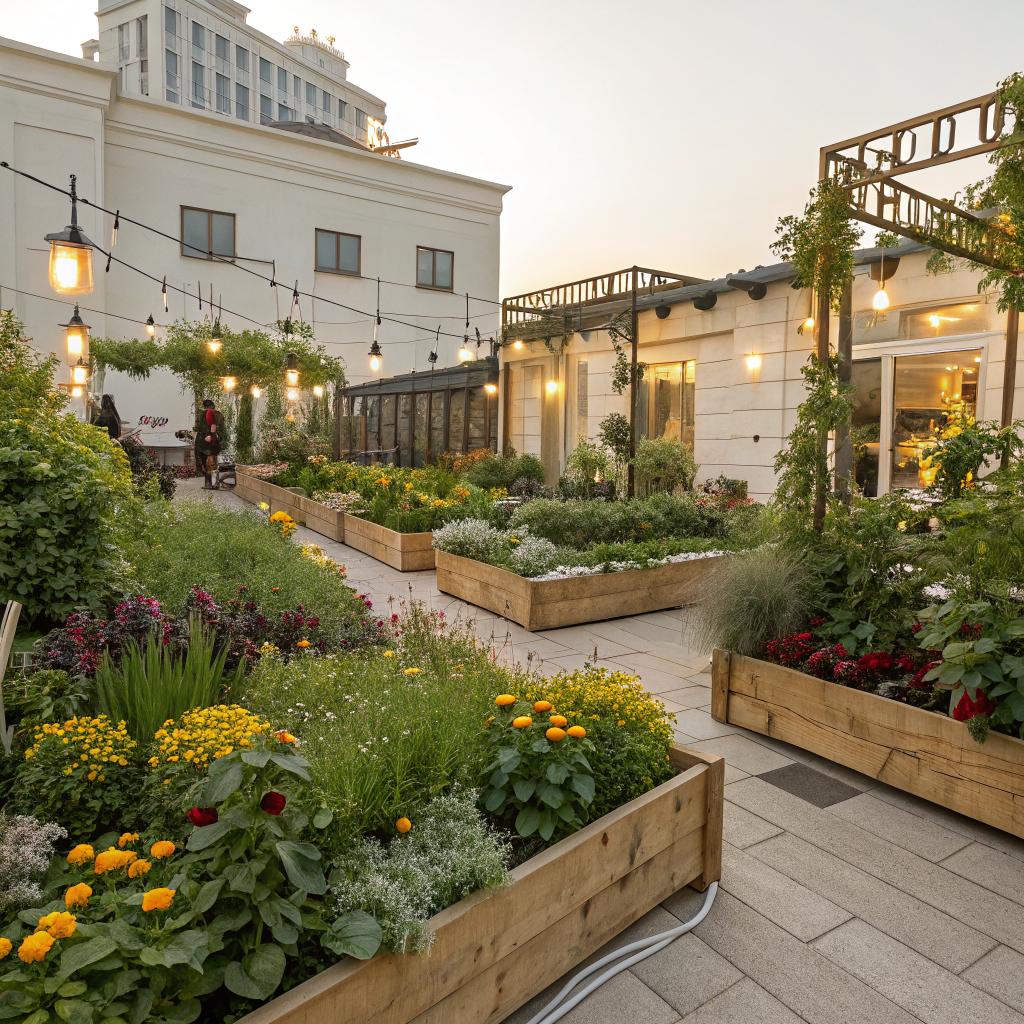
In restaurants, the plate is designed so your eyes travel in a certain path. You notice color, texture, and height. The same ideas can guide your garden beds, especially if you want guests to eat outside and feel like they are in a small restaurant courtyard.
Color and contrast on the plate and in the bed
Think of a simple caprese salad. Red tomatoes, white mozzarella, green basil. Very few ingredients, but strong contrast.
A garden can do that too.
- Deep green basil beside purple basil or dark kale
- Bright green lettuce next to red leaf lettuce
- Orange marigolds dotted along a row of tomatoes
You are not doing this to impress anyone in particular. It just feels better to walk through something that looks intentional. And when something looks cared for, you tend to keep using it.
If your garden feels like a place you want to sit in, you are more likely to harvest from it before dinner.
Height and texture like layers on a plate
Chefs layer textures to keep a dish interesting. Something crunchy, something soft, maybe something creamy. In a similar way, your garden can have layers.
- Tall plants such as tomatoes or pole beans at the back
- Medium height plants such as peppers or bush beans in the middle
- Low plants such as lettuces, thyme, or strawberries at the front
None of this needs to be perfect. If your rows end up crooked, that is fine. The point is that you can see what you have and reach it. You can clip herbs without stepping on lettuce. You can grab tomatoes without breaking the basil you placed next to them.
Restaurant worthy flavor starts in the soil
When cooks talk about produce that tastes “like something from a restaurant,” what they usually mean is that the flavor is clean and clear. The tomato tastes very much like a tomato. The herbs smell strong when you crush them lightly.
So, a big part of a restaurant worthy garden is pretty simple: better soil and less stressed plants.
Freshness as a hidden ingredient
There is a reason so many chefs get excited about picking herbs minutes before service. That small time window shows in the food.
In your own garden, the same rule applies, just with less pressure.
- Harvest lettuce right before you eat.
- Pick herbs just before cooking, not in a big batch days ahead.
- Pull radishes and rinse them right before slicing.
You might not notice a big change on day one, but if you pay attention, you will see it. Leaves are crisper. Herbs hold their scent longer in warm dishes.
Healthy soil, better flavor
Saunni Bee often comes back to soil health in a calm, not overly technical way. Rich, well fed soil produces stronger plants. Strong plants tend to taste better and hold up better when cooked.
You do not need fancy tests to start improving your soil, although those can help later.
- Choose one bed each season to add compost or well aged manure.
- Leave roots in the ground after harvest where possible and cut plants at soil level.
- Cover bare soil with mulch such as straw, leaves, or grass clippings.
This is more of a slow habit than a trick. After a couple of seasons, you will feel the difference when you dig. The soil becomes easier to work with, and your plants respond.
Seasonal menus and seasonal beds
Many good restaurants change their menu with the seasons. Tomatoes in summer, squash in fall, more roots in winter, fresh greens in spring. Saunni Bee reflects that same idea, but with home cooks in mind.
Instead of forcing tomatoes to grow at the cold edge of their season, she leans into what grows best at each time and what you can cook with it right away.
Spring: gentle flavors and first salads
Spring is where your restaurant worthy garden can make the biggest difference, because stores often offer similar things year-round, but fresh spring produce feels sharp and alive.
- Lettuces and salad mixes
- Radishes and young turnips
- Peas climbing a simple trellis
- Soft herbs like dill, cilantro, and chives
From a cooking point of view, this means:
- Light salads with simple vinaigrette
- Pea shoots as garnish on soups or scrambled eggs
- Herb omelets with chives and dill
Summer: peak flavor and simple cooking
Summer is when many home gardens peak. Saunni Bee often encourages restraint here. It is easy to plant too many things and lose track.
A summer bed focused on restaurant style eating might hold:
- Tomatoes in a few varieties
- Peppers for both salads and roasting
- Zucchini or other summer squash
- Basil, oregano, thyme for sauces and marinades
With that, you can make:
- Tomato salads with basil and simple dressing
- Grilled vegetables drizzled with herb oil
- Quick pasta with zucchini, garlic, and herbs
The goal is not complexity. Restaurants often keep seasonal dishes quite simple because the ingredients are already strong.
Fall: roasting, baking, and deeper flavors
Fall gardens move toward roots and storage crops. From a restaurant view, this is when roasting trays get full and the oven stays on longer.
- Carrots, beets, and parsnips
- Kale and other hearty greens
- Winter squash if you have space
- Sage and rosemary for roasts
These ingredients support plates like:
- Roasted root vegetables with herbs
- Sage and brown butter pasta
- Kale salads with roasted squash and seeds
Winter: small harvests and stored flavor
In colder regions, winter harvests are lighter, but you still get pockets of fresh taste.
- Stored onions, garlic, squash, and potatoes from earlier months
- Winter herbs in pots, such as rosemary and thyme
- Hardy greens in protected beds or under covers
Even small amounts of fresh herbs in winter soups can lift a dish to restaurant level. A sprig of fresh thyme in a long cooked stew is surprisingly noticeable.
Gardens that work with guests and outdoor dining
Restaurants think about the whole experience, not just the plate. Light, noise, and how people move through the space all change how a meal feels.
That is where garden layout and small design choices start to matter at home, especially if you enjoy feeding people outside.
Paths you can walk in nice clothes
This might sound shallow, but if your friends cannot walk through your garden without tripping or getting muddy, they will not explore it. Saunni Bee often uses simple paths to make gardens feel more welcoming.
You do not need a full redesign. A few small changes can help:
- Clear, visible paths between beds
- Flat stones or firm footing near the areas you harvest most
- Low plants near the edges so guests can see where to step
The idea is simple: if your guests can wander, they will ask questions. They will smell herbs, maybe taste a cherry tomato right off the plant. Suddenly dinner feels like a small event.
Where people sit matters almost as much as what you serve
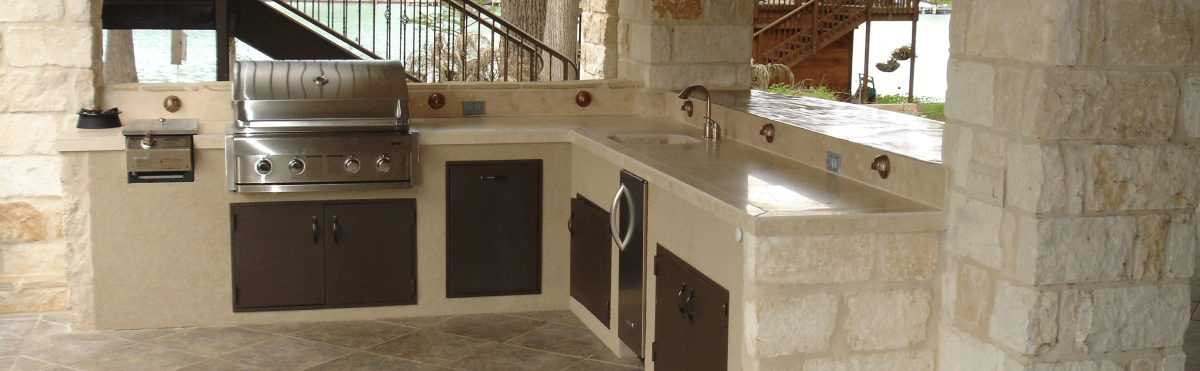
If you place your table right next to your herbs, you can pick garnishes mid-meal. If the grill is near your vegetable bed, guests watch you pick peppers and then see them hit the heat. It adds a small bit of theater, without effort.
A restaurant worthy garden is not just about flavor. It is about making the whole meal feel connected to where it grew.
You might notice that once you move your seating closer to growing areas, you start planning dishes differently. You see what is ripe while you are drinking coffee outside and change your dinner plan on the spot.
How Saunni Bee blends design objects with edible planting
One thing that often separates a rough vegetable patch from a space that feels more like a restaurant terrace is structure. Not rigid structure, but small, deliberate elements that guide the eye.
For example, incorporating paths, low walls, or decorative items that still allow you to grow food around them.
Stepping stones, beds, and plate-friendly paths
Think of how a chef arranges a tasting menu. One small dish leads to the next. There is a rhythm. In a garden, stepping stones and small paths can create that same sense of movement.
Well placed stones between herbs and salad greens can turn a quick harvest into a brief, calm walk. It sounds a bit poetic, maybe too poetic, but in practice it just means you are more likely to step outside before cooking.
Growing for flavor, not just volume
Many new gardeners focus on yield. How many tomatoes? How many zucchini? But restaurants often care more about consistency and flavor than maximum quantity.
Saunni Bee shows that you can think this way at home.
Pick varieties for taste and use
Instead of grabbing the first seed packet, you can ask a few simple questions:
- Is this tomato better for slicing or for sauce?
- Is this basil sweeter or more peppery?
- Does this lettuce hold up to warm dressings?
For example:
| Plant | Type | Best for |
|---|---|---|
| Tomato | Cherry | Salads, blistered in a pan, quick skewers |
| Tomato | Plum / Paste | Cooking into sauce, canning, slow roasting |
| Basil | Genovese | Pesto, classic Italian flavors |
| Basil | Lemon or Thai | Stir-fries, broths, fresh toppings for grilled meat |
| Lettuce | Butterhead | Delicate salads, lettuce cups |
| Lettuce | Romaine | Hearty salads, grilling, holding dressings |
When you select with dishes in mind, your garden feels more like a pantry and less like a science project.
Reducing waste the way a restaurant tries to
Good restaurants work hard to cut waste. It saves money and respects the work that went into the ingredients. A home garden can support that mindset too.
Planning harvests around menus
Instead of harvesting everything at peak and then scrambling to use it, you can plan a little.
- Pick only as many herbs as you need for that meal plus a little extra for garnish.
- Harvest lettuces whole for big dinners, but clip outer leaves for daily lunches.
- Use slightly damaged or overripe vegetables for soups, sauces, or stocks.
This style of cooking is flexible. Some days you will still end up with more zucchini than you wanted. That happens to almost everyone who grows zucchini. But over time, you waste less.
Secondary uses for garden extras
You can also copy a common kitchen habit: turning leftovers into new things.
- Use herb stems for stocks and broths.
- Turn extra tomatoes into slow roasted trays that freeze well.
- Pickle surplus cucumbers, onions, or radishes.
These habits do not need to be perfect. Some weeks you will have the energy to cook everything. Other weeks you will not. That is normal.
Small rituals that make the garden feel restaurant inspired
There is another layer to Saunni Bee that is not only about plants or cooking. It is about how you move through your space and how that affects your food.
Restaurants have rituals. Pre-service tastings, last checks, lineups. You can have tiny versions of that at home.
Pre-dinner walk
A simple habit: before you start cooking, walk through your garden with a small bowl or colander.
- Pick one herb you did not plan to use and find a way to use it.
- Grab one or two things for garnish, even if the main ingredients are from the store.
- Taste one leaf or fruit. Notice how it changes over the season.
That last part, tasting as you go, is something many home gardeners forget. Cooks do it constantly while seasoning. It helps you learn what “good” tastes like for your own produce.
Simple plating, even at home
Restaurant worthy gardens encourage restaurant style plating, but not in a fussy way. If you grew the food, it is reasonable to place it on the plate with a bit more care.
- Lay grilled vegetables in a rough pattern instead of a pile.
- Scatter herbs over a dish at the last second for color.
- Use a clean white plate sometimes, just to see your produce better.
This might sound minor. Still, when you pay more attention to how your food looks, you also pay more attention to how it tastes. The garden and the plate feed each other, so to speak.
What if you have almost no space?
A common pushback is: “This sounds nice, but I have a small balcony, or only a porch.” That is fair. Not everyone has room for beds and paths.
Saunni Bee often highlights container growing and tight spaces. You cannot grow everything, but you can still think like a restaurant.
Pick a “house dish” and grow only for that
Instead of many small, weak plants, pick one or two core recipes you love and support those strongly.
- If you make a lot of pesto: grow basil, parsley, and maybe a pot of cherry tomatoes.
- If you love cocktails: grow mint, lemon balm, and a pot of edible flowers.
- If you grill often: grow rosemary, thyme, and oregano near your cooking area.
A small space can still feel intentional and restaurant worthy if it clearly supports how you eat.
Common mistakes when trying to copy restaurant style gardens
It is easy to overdo things once you start thinking in this direction. A few patterns come up often.
Over-planting “fancy” crops
Microgreens, rare herbs, complicated trellis systems. These have their place, but they can also wear you out.
Restaurant gardens or chef driven farms often have staff and deeper knowledge. At home, you probably do not. Starting with simple crops you actually use is usually better.
Ignoring maintenance
Restaurants stay sharp because someone checks everything every day. In a garden, you rarely have that kind of time. So pick a scale that matches your schedule.
- If you can only spend 10 minutes a day, limit yourself to a few beds or containers.
- If watering feels hard, set up one simple hose or drip line instead of hand watering everything.
- If weeds overwhelm you, cover more of the soil with mulch.
It is easy to blame yourself when plants fail, but often the structure was just too big for the time you had.
One last thought, and a small Q&A
Restaurant worthy gardens are not perfect showpieces. They are working spaces that connect your cooking to the patch of ground beside you, even if that patch is just a row of pots on a balcony. Saunni Bee makes that connection feel reachable and normal, not like a lifestyle project.
Maybe the practical test is simple: after a few months, do you find yourself walking outside before you open your fridge, just to see what the garden suggests for dinner?
Q&A: Common questions about restaurant inspired gardens
Q: Do I need a big yard to create a restaurant style garden?
A: No. You can create the same feeling with a few well chosen containers. The key is focus. Grow for one or two dishes you love and use those plants often.
Q: How do I decide what to plant first?
A: Start with your weekly meals, not with seed catalogs. Pick three recipes you cook often, list the fresh ingredients, then choose the easiest plants from that list. Herbs and salad greens are usually a good starting point.
Q: What is the fastest way to make my garden more useful for cooking?
A: Move herbs close to your kitchen door. If you can open the door, snip a handful, and get back to the stove in under a minute, you will use them much more.
Q: How can I make my outdoor space feel more like a restaurant courtyard?
A: Keep it simple. Add a small table near your most attractive plants, create clear walking paths, and use a few pots of herbs or flowers around seating. Focus on comfort and access to fresh ingredients rather than decor for its own sake.
Q: What if my garden looks messy compared to photos I see online?
A: Many real restaurant gardens are a bit messy up close. If the plants are healthy and you are cooking with them, that “mess” is normal. Perfection in photos often means a lot of hidden work or editing. Your goal is flavor and use, not flawless lines.