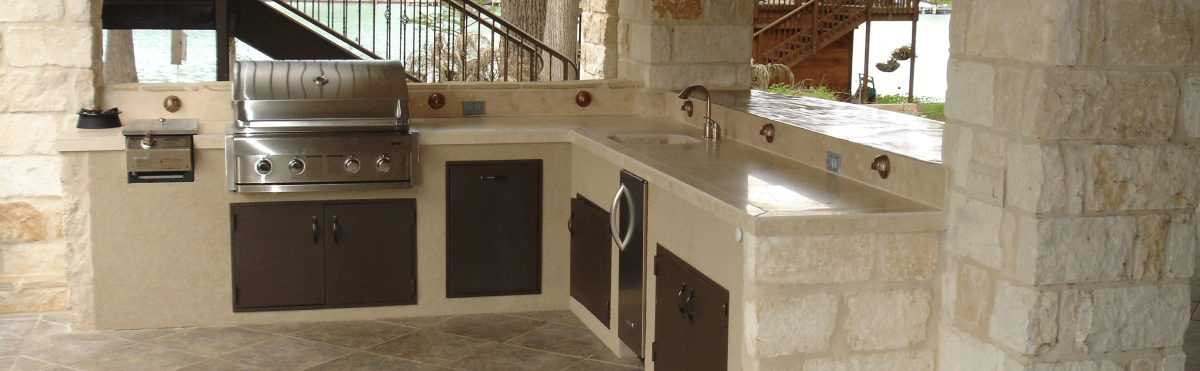
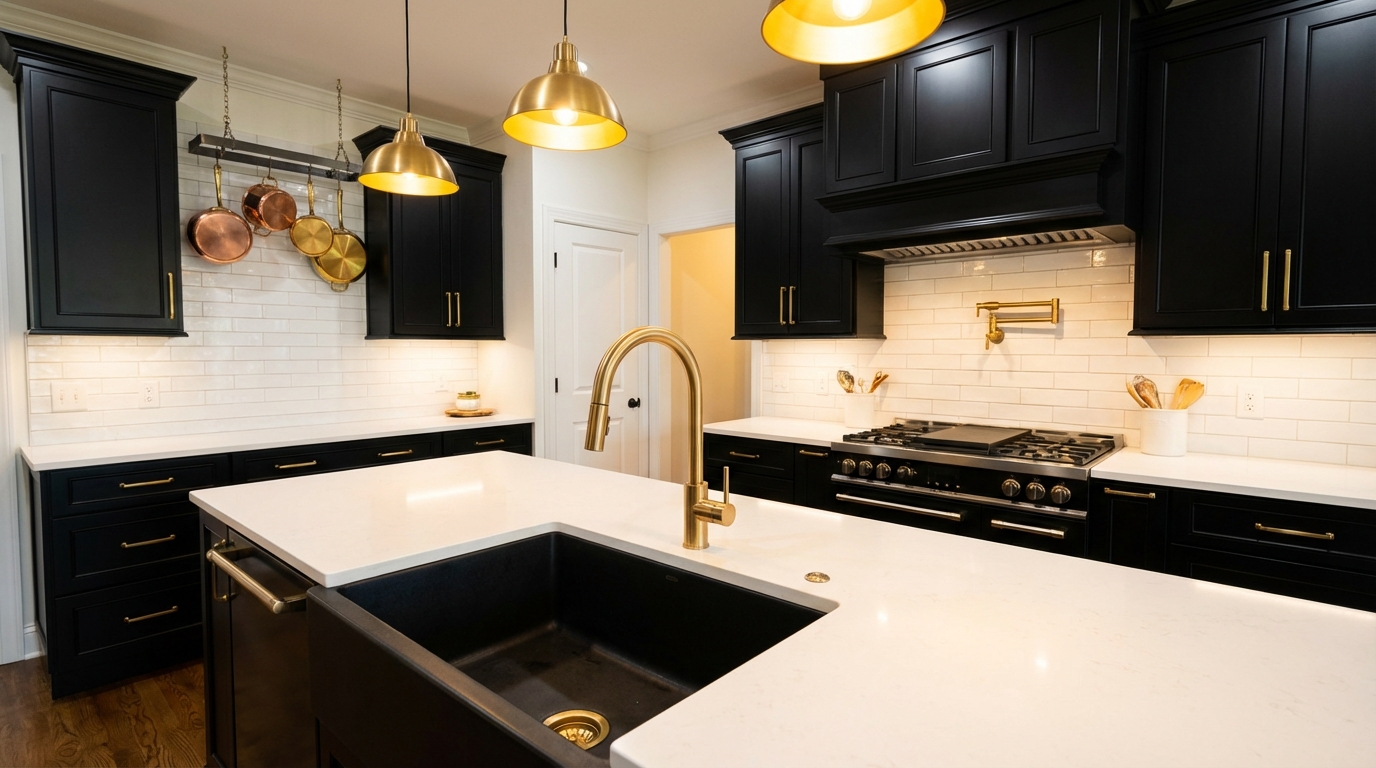
If you cook a lot, then yes, a smart plumbing remodel can absolutely turn your kitchen into a chef friendly space. The right sink layout, water lines, gas lines, and drainage can make prep, cooking, and cleaning faster, calmer, and frankly more enjoyable.
That is the short answer. The longer answer is where things get interesting, especially if you are the person who loves to plan menus, tweak sauces, or read restaurant kitchen stories for fun.
Why serious cooks should care about plumbing, not just appliances
Most people think about their dream kitchen and jump straight to the stove, the fridge, and the cabinets. That is normal. But the way water and gas move through the room affects how you cook every single day.
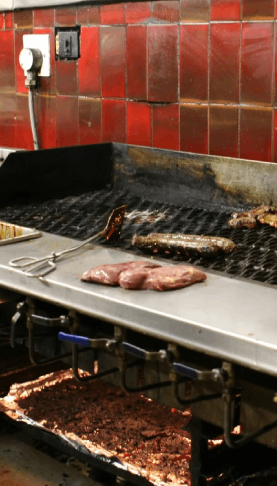
If you watch how restaurant kitchens are set up, you see it right away. Sinks in the right spots. Hand wash station where staff can reach it fast. Floor drain near the dish area. Prep sink close to the cutting boards. Nothing is random.
If you love to cook, plumbing is not a background detail. It decides how many steps you take, how many dishes pile up, and how safe and calm the space feels when every burner is going.
I used to think plumbing was just pipes hidden in the walls. Then I stayed in a rental with a tiny sink, no spray faucet, slow hot water, and a dishwasher that never drained right. I cooked there for a week. By day two, I missed my own kitchen more than I expected. Not because of the knife or the pan, but because the water side of things was such a hassle.
So if you are planning a remodel, or even just daydreaming, it helps to think like a chef for a moment.
Start with how you actually cook
Before changing anything, watch yourself cook for a few days. Not in a checklist kind of way. Just pay attention.
Ask yourself:
- Where do you stand the most while you cook?
- Where does water slow you down?
- Where do dirty dishes pile up and annoy you?
- Do you bump into someone else when you both use the sink?
- Do you carry heavy pots of water across the room?
You might notice things like:
- Walking back and forth from sink to stove too many times
- Waiting for hot water every single time you wash a pan
- Washing vegetables in a sink crowded with dishes
- Having no place to dump pasta water without making a mess
Good kitchen plumbing is not fancy or flashy. It just quietly removes little frustrations from your cooking routine.
Restaurant kitchens are laid out around the work: prep, cook, plate, clean. Your home kitchen will never be a full line, of course, but you can borrow that idea in a simple way.
Think in zones that relate to water and gas:
- Prep zone near a sink
- Cooking zone near a gas or induction line
- Cleaning zone around the main sink and dishwasher
- Beverage zone near a smaller sink or filtered water
Once you see your kitchen as a set of zones, plumbing stops being some mysterious system and turns into a tool you can shape.
The main sink: your command center
The main sink is where a lot of your time goes. Even if you have a dishwasher, you rinse, soak, fill, dump, and wash there constantly.
Choosing the right size and style
For someone who cooks often, a deeper, wider sink can matter more than a second bowl. Many home cooks think they need a double bowl, but the center divider often gets in the way of large sheet pans and stock pots.
| Sink type | Good for | Possible drawback |
|---|---|---|
| Single large bowl | Big pans, stock pots, sheet trays, soaking | Less separation for washing and rinsing at the same time |
| Standard double bowl | Separate washing and rinsing, disposal on one side | Large items do not fit as easily |
| Offset double (one big, one small) | Mix of large items and quick rinse tasks | Takes more counter width |
If you bake, a single large bowl tends to feel better. If you hand wash many small things, a double or offset sink can help. There is no perfect answer, just what fits your habits.
Placement and height
Plumbing affects where the sink can sit, but you have more freedom during a remodel than you might think. Moving the sink to be under a window or closer to the stove may involve shifting drain lines and supply lines, but if you are already opening walls, this is the moment to fix bad placement.
Height is overlooked. Standard counter height works for many people, but if you are shorter or taller, hours at the sink can strain your back and shoulders. This is not just a comfort thing; if you are tired or sore, you are less likely to enjoy long cooking sessions.
If you spend a lot of time at the sink, small changes like depth, width, and faucet reach add up quietly over years of cooking.
Faucets that keep up with real cooking
The faucet might feel like a small choice. It is not.
What matters for cooks
- Pull down or pull out sprayer
Helps rinse salad greens, clean corners of pans, and wash the sink itself. - Strong but controllable flow
Enough pressure to blast off food, but not so strong that it sprays everywhere. - High arc spout
Gives space for tall pots. Just watch that it does not splash too much in a shallow sink. - Simple controls
Single handle is easier when your hands are messy or full.
Touch or motion activated faucets sound like a luxury. Some people love them, some find them fussy. I think if you cook with sticky or dough covered hands often, touch control can be helpful, but only if the model is reliable and you are fine with the extra complexity.
Prep sinks: borrowing a restaurant trick
In many restaurant kitchens, there is a separate prep sink where cooks wash vegetables, rinse herbs, and fill small pots. This keeps the main dishwashing sink free.
You can copy that with a small prep sink in your home kitchen, especially if you have an island.
Where a prep sink makes sense
- On an island where you do most of your chopping
- Near the stove for filling pots and draining pasta
- In a separate baking area, if you do a lot of bread or pastry
The plumbing is often simpler than moving the main sink. You still need drain and water lines, but they can sometimes tie into existing lines if your layout allows it. That is a question for a plumber, not a guess.
The nice thing about a prep sink is how it changes the rhythm of cooking. Two people can work without fighting for the main sink. One person preps vegetables, while the other washes dishes or works on sauces. It feels closer to a restaurant flow.
Gas lines and cooking equipment
If you cook in a serious way, the stove is central. Gas, induction, or a mix, the utility lines behind that choice matter.
Gas line planning
If you already have gas, you still might need an upgraded line if you move from a basic 4 burner cooktop to a larger range. Higher BTU appliances need enough gas supply. Undersized lines can limit performance and cause safety issues.
- Check the total BTU rating of your planned range
- Ask a qualified installer if your current gas line can handle it
- Plan the routing so there are as few sharp turns as possible
If you are switching from electric to gas, the work is more involved. You need a new gas line run to the kitchen, and possibly a vent hood upgrade. Some people think they can skirt local rules here. That is not a great idea. Gas work affects safety for you and anyone else in the home.
Induction and plumbing
Induction does not use a gas line, but it relates to plumbing through layout. If you place the cooktop away from the main sink, you will walk more with heavy pots of hot liquid. This is one reason many professional kitchens keep water close to the cooking line.
You can solve that in a home setting by:
- Placing the cooktop relatively near the sink
- Adding a pot filler on the wall near the stove
- Using a prep sink near the cooking area
Pot fillers are one of those features that some cooks swear by and others never touch. They are useful for filling large pots without carrying them from the sink. But you still have to carry the pot back when it is full of hot water, unless you also drain near the stove. So it is a partial solution, not magic.
Water quality and taste
If you care about coffee, tea, bread, or stock, water quality matters more than most people think. Chlorine and minerals affect flavor and how food behaves.
Filtration choices
| System type | Good for | Things to keep in mind |
|---|---|---|
| Under sink carbon filter | Better taste and smell, fewer chlorine notes | Filter changes, usually moderate cost |
| Reverse osmosis | Coffee, tea, some baking, very clean water | Slower flow, storage tank, can waste some water |
| Whole house filter | Better water for cooking, bathing, and laundry | Higher upfront cost, more involved plumbing work |
Some bakers prefer water that is not too stripped of minerals, so reverse osmosis may not fit every style. It depends on your local water and your recipes. I have seen people swear that their bread changed after installing a filter, both in good and bad ways. There is a bit of trial and error here.
From a plumbing view, adding filtration often means new lines to a dedicated drinking water tap, the fridge, or even a built in coffee station. If you are opening walls, this is the best time to run those lines cleanly.
Hot water: waiting less, working more
One common complaint in many homes is slow hot water at the kitchen sink. You stand there waiting for the stream to warm up. That gets old fast when you cook daily.
What affects hot water speed
- Distance from the water heater to the sink
- Pipe size and material
- Water heater capacity and type
There are a few ways to handle this during a remodel:
- Recirculation pump
Keeps hot water moving through the lines so it arrives faster. - Point of use water heater
A small unit under the sink for almost instant hot water. - Rerouting lines
Shorter run between heater and kitchen when layout allows.
Some cooks also like a dedicated hot water tap for tea or quick blanching. Those taps can run off small under counter heaters. The plumbing is not very complex, but you should plan ventilation and electrical load if you add extra devices.
Drainage, garbage disposals, and dishwashers
Drains are not fun to talk about, but clogs and smells ruin the mood in a kitchen faster than anything.
Good drain design for heavy use
- Correct slope on the drain line so water moves smoothly
- Proper venting to avoid slow drainage and gurgling
- Enough diameter on the main kitchen drain for higher volume
If your current sink drains slowly or backs up often, this is not just a minor annoyance. It suggests something is off in the plumbing setup, or there is buildup that a plumber needs to clear properly.
Garbage disposals
Disposals help, but they are not an excuse to send every scrap down the drain. Strong models can handle more, but fibrous foods still cause issues. Think of them more as a helper for small bits rather than a full food waste system.
Placement matters too. If you have two bowls, decide which side gets the disposal. Many people put it on the smaller bowl, with a drying rack in the larger one. But if you rinse large pots often, you might want the disposal on the bigger side. It depends on your routine.
Dishwasher connection
The dishwasher drain line usually ties into the sink drain. A high loop or air gap keeps dirty water from backing into the dishwasher. People sometimes skip this detail to save time, but that choice comes back later in the form of bad smells and dirty standing water.
Plumbing ideas borrowed from restaurant kitchens
You might not need a full commercial setup, but a few ideas scale down well.
Separate hand wash space
Health codes require dedicated hand wash sinks in restaurant kitchens. At home, you usually use the main sink. That is fine, but if you have space, a small hand wash style sink near the entrance of the kitchen feels surprisingly nice.
It lets you wash up without crossing through the whole room, and keeps raw meat or dough mess away from the main prep area. For homes where many people cook together, this small feature helps the flow.
Flooring and drains
Most homes will not have floor drains in the kitchen, but if you are doing a major remodel with new subfloor, you can at least plan slopes so spills are easier to control. In utility style kitchens or combined mudroom / prep spaces, a floor drain by a deep sink can be very practical.
Hose style faucets at a cleanup station
Sprayer arms are common behind restaurant dish areas. You can take a softer version of that idea with a strong pull down faucet and a large sink. This setup suits people who cook in big batches or host often.
Hidden plumbing details that matter for cooks
Some parts of a plumbing remodel are not visible, but they still change day to day life.
Pipe material and noise
Old metal pipes can bang and hiss when water starts and stops. Newer materials often run quieter. In a kitchen that opens to a dining area, noise matters more. You probably do not want loud pipes interrupting a dinner conversation.
Shut off valves and access
Every sink and appliance should have reachable shut off valves. If a hose bursts or a faucet starts leaking, you want to stop the water quickly without killing the supply to the entire house.
During a remodel, ask for clean access panels, not hidden valves buried behind built ins. That sounds small, but when something goes wrong in the middle of cooking for guests, you will be glad you can reach a valve in a few seconds.
Future proofing
Ideas change. Maybe you do not have a second oven now, but you might later. You might add a coffee bar or an ice maker down the line.
When walls are open, it sometimes costs less to rough in extra capped lines than to tear things apart again in five years. That could mean:
- A cold water stub out for a future fridge move
- A capped drain and water line for a possible second sink
- Extra electrical and water for a future steam oven or combi style unit
Special features for people who really love to cook
If you are the person who hosts every holiday, or you meal prep like a small catering operation, certain upgrades make more sense.
Double dishwashers or dish drawers
Two dishwashers are not a status thing if they are used often. For heavy cooking households, one can run while the other is being loaded. The plumbing involves extra drain and water connections, but once set up, cleanup after a big dinner becomes less of a mountain.
Beverage or bar sink
A small sink near a coffee station, bar, or beverage fridge keeps drink prep out of the cooking lane. Guests can refill water or rinse glasses without stepping into your main work zone.
Utility style sink nearby
If you do a lot of big batch cooking, canning, or work with large equipment, a utility sink in an adjacent pantry or mudroom might be useful. Think of washing large stockpots, smoker racks, or brewing gear there instead of in the main kitchen sink.
Budget choices: where plumbing changes matter most
You do not have to change everything. If your budget is limited, some plumbing changes give a bigger return than others for someone who cooks often.
| Upgrade | Impact on cooking | Comment |
|---|---|---|
| Better main sink + faucet | High | Used constantly, affects prep and cleanup |
| Prep sink on island | High for multi cook kitchens | Reduces crowding and walking |
| Improved hot water delivery | Medium to high | Saves time, less waiting while cooking and cleaning |
| Basic water filtration | Medium | Better taste for drinks and some recipes |
| Pot filler | Medium | Convenient but not a full solution for heavy pots |
| Hidden future lines | Long term | Less visible now, but helpful later |
If I had to pick just one plumbing change for a serious home cook, I would choose a large, well placed sink with a strong, flexible faucet. It is the one feature you touch during almost every task.
Common mistakes when remodeling a kitchen for cooking
Some trends look nice in photos but fight daily cooking habits.
Prioritizing looks over function
For example, a shallow farmhouse sink might look nice but splash water onto wood floors all the time. Or a huge island with no water source might force you to walk far with wet hands and heavy bowls.
Ignoring ventilation while focusing on gas or high power cooking
A powerful range without good venting means more grease, moisture, and heat staying in the room. This is more of an HVAC topic, but it links to gas lines and layout. The hotter and greasier the air, the more you will wish you had planned better ventilation.
Underestimating how you will grow as a cook
Many people start cooking more seriously after they get a better kitchen. The space invites more ambitious recipes. If you plan a remodel only around how you cook today, you might outgrow it faster than you think.
Questions to ask your plumber and designer
If you work with a plumber or a kitchen designer, it helps to talk in cooking terms, not just fixture brands.
You can ask questions like:
- Can two people work at the sinks without bumping into each other?
- How many steps from the main prep area to the stove and to the fridge?
- Where will hot, heavy pots move, and is there water nearby at each step?
- What happens if a pipe leaks behind this wall or cabinet? How would we reach it?
- Is the hot water delivery to the sink and dishwasher fast enough for frequent use?
- If I later add a coffee station or a second fridge, can the current plumbing support that?
Sometimes professionals are used to talking about fixtures by name and model. Bringing the conversation back to how you cook helps them design a space that suits real life, not just a catalog page.
One last thought, through a cook’s lens
A kitchen set up for real cooking feels different. You wash your hands without thinking. You reach for water where you need it. You flip on burners without worrying about running out of hot water for dishes. The room supports you, quietly.
Plumbing seems unglamorous, but if you ignore it, you feel the gap every time you start a big meal. If you think it through, even just a bit, cooking at home starts to feel closer to working in a well set up restaurant station, just calmer and more personal.
Question and answer
Q: If I only change one plumbing feature in my kitchen, what should it be for better cooking?
A: In most cases, a larger, well placed main sink with a strong pull down faucet gives the biggest change in daily cooking. It helps with prep, washing, soaking, and cleaning, every single day. Everything else is helpful, but that is the one upgrade you will notice the most each time you cook.