
If you want to keep rodents out of your Dallas kitchen, you need three simple things: block how they get in, remove what attracts them, and respond fast if you see any signs. You do not need anything fancy, but you do need to be consistent. Many people wait until they see a rat on the counter, call a service like Rodent Retreat, and then go back to the same habits that attracted the animals in the first place. The better approach is to treat your kitchen like a small commercial space, where food, cleanliness, and storage all follow a steady routine. Visit https://www.rodentretreattexas.com/ for more information.
That sounds a bit strict for a home kitchen, but if you care about what you cook and eat, it makes sense. Rodents do not care if you spent an afternoon making a perfect stock or testing a new sourdough recipe. They will chew through the bag, walk across your cutting board, and leave droppings behind. Once that happens, it is very hard to feel good about anything that comes off that counter.
So let us walk through how you can set your Dallas kitchen up so that mice and rats decide it is not worth the effort. Not just once, but as a habit that fits into the way you already cook and store food.
Why Dallas kitchens attract rodents more than you think
Dallas has a mix of warm weather, older houses, and a strong food culture. That mix is great for people who love to cook and eat out. It is also pretty convenient for rodents.
Warm nights mean trash sits outside for longer. Older buildings have gaps and cracks that never got sealed. Many people run both a busy home kitchen and eat at restaurants often, which means a steady flow of leftovers, takeout containers, and pantry staples.
I think most home cooks underestimate how far a mouse can squeeze and how quickly a rat learns your routine. A few patterns that are common in Dallas homes and food-focused households:
- Leaving pet food bowls out overnight
- Storing large bags of rice, flour, or beans in thin plastic bags
- Keeping outdoor trash bins near kitchen doors
- Letting cardboard restaurant boxes pile up near the back door
None of these feel like a big problem in the moment. Taken together, they signal to a rodent that your kitchen is basically open.
Rodents do not need a dirty kitchen. They just need easy calories and small openings.
So the goal is not perfection. The goal is to remove the easy wins for them, especially where you cook and eat.
How rodents actually enter your kitchen
Before you think about traps or repellents, you need to understand the entry points. Most people imagine rats walking in through a door, which does happen, but that is not usually how an infestation starts.
Rodents get in through:
- Gaps under exterior doors
- Holes around plumbing pipes and gas lines
- Cracks around windows or vents
- Roof lines and attic vents, then down walls and into the kitchen
A mouse can squeeze through a hole about the size of a dime. A rat needs a bit more, but not much. The age of many Dallas homes and restaurant buildings means those gaps exist unless someone made a serious effort to seal them.
Quick walk-through: check your kitchen like an inspector
Set aside 20 or 30 minutes. Move slower than you think you need to. You are not just glancing; you are hunting for small details.
Here is a simple path to follow:
- Start outside near your kitchen door
- Check around the foundation under any kitchen windows
- Look where gas and water lines enter the wall
- Go inside and check under the sink
- Pull out the stove a little and look behind it
- Open lower cabinets, especially corners, and look for small gaps
What you are looking for:
- Gaps larger than a pencil
- Loose or cracked caulk
- Chewed wood or gnaw marks
- Greasy rub marks along edges
Any hole big enough for your little finger is big enough to worry about.
You will not fix every gap in one day, but you should at least know where the weak spots are.
Simple sealing fixes for a Dallas home kitchen
You do not have to be a contractor to make your kitchen less inviting. Some sealing jobs are basic and cheap.
Common materials that help:
- Steel wool for stuffing small gaps
- Caulk for sealing along trim and small cracks
- Expanding foam rated for pest resistance for bigger cavities
- Metal door sweeps for exterior doors
You can use a mix. For example, you can stuff steel wool in a pipe gap and then seal over it with caulk so it stays in place.
Table: common kitchen entry points and quick fixes
| Entry point | What you might see | Simple fix |
|---|---|---|
| Under exterior kitchen door | Light shining under the door at night | Install a metal door sweep and adjust the threshold |
| Under sink cabinet | Gaps around pipes, moisture, sometimes droppings | Stuff steel wool around pipes, seal with caulk or foam |
| Behind stove | Unfinished wall, open gaps for gas or power lines | Fill large holes with foam, smaller cracks with caulk |
| Base of pantry wall | Small cracks where wall meets floor | Use caulk along the joint, vacuum dust first |
| Attic above kitchen | Droppings, gnaw marks on wires or ducts | Screen attic vents, repair any roofline gaps |
I think the mental shift is this: you treat gaps the way you treat a fridge door that does not close. You would not ignore that. A small air leak changes everything for food safety. A small wall leak does the same for rodent safety.
Food storage habits that attract or discourage rodents
This part often hurts a bit, especially if you love to cook and like to see ingredients out where you can reach them. Open shelves, glass jars, pretty packaging. It looks nice. It is also a buffet if the containers are not solid.
Rodents in Dallas are used to restaurant dumpsters and open food near commercial kitchens. When they find a garage or home pantry that feels similar, they settle in.
Pantry rules that help protect your kitchen
You do not have to change everything. But a few habits matter a lot:
- Move grains, flour, sugar, and pet food into solid containers with tight lids
- Avoid leaving produce like potatoes and onions on the floor or very low shelves
- Rotate older food to the front so nothing sits forgotten in a dark corner
- Use clear containers so you can see if anything looks chewed or contaminated
For someone who cooks often, clear containers are actually helpful. You see when you are low on rice or beans. You also see if something looks off.
If a rodent cannot smell or reach food quickly, your kitchen becomes less worth the risk for them.
Open snacks and sweets
Bowls of fruit on the counter are less of a problem than you might think, especially if you eat them fast. The bigger risk is open snacks.
Things to avoid leaving open overnight:
- Half-open bags of chips or crackers
- Uncovered bread on the counter
- Boxes of cookies that do not close tightly
If you like to bake, get used to cooling bread on racks, then sealing it as soon as it cools. I used to leave loaves out for most of the day because I liked how they looked. After seeing chew marks once (thankfully not in my own kitchen), that habit lost its charm.
Cleaning routines that fit how you cook
Many cleaning checklists feel written for people who do not actually cook much. If you sauté, braise, roast, and bake several times a week, you need something that fits real life.
You do not have to scrub like a restaurant closing shift every night. But you do want a short, repeatable routine that gets rid of crumbs, grease, and open food.
Nightly “last call” for your kitchen
Here is a simple pattern that takes 10 to 15 minutes and lowers your risk a lot.
- Clear counters of open food and wipe them
- Sweep or vacuum the kitchen floor, focusing under cabinets and around the stove
- Wipe the stove top so grease does not build where it meets the counter
- Check pet bowls and either store or refill with just enough for the night
- Take out the trash if it has meat, fish, or strong-smelling scraps
You will skip this sometimes. Everyone does. The goal is not a perfect record. The goal is for this to be your normal pattern most nights.
Weekly checks for hidden buildup
Even serious home cooks often forget the areas that quietly collect crumbs and grease.
Once a week, look at:
- Toaster trays or crumb catchers
- Under the microwave (especially if it is on a counter)
- Under countertop appliances that do not move often
- Inside the lower cabinets where you store pots
Those little crumbs are enough to keep a rodent happy, even if your visible surfaces look spotless.
What restaurant kitchens can teach home cooks about rodents
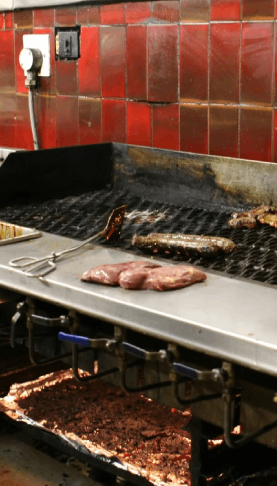
Dallas has a big restaurant scene. If you spend time in any professional kitchen, even a small one, you start to notice patterns that are useful at home.
Many restaurants accept that rodents exist in the city. The goal is control, not fantasy. Health inspectors know this. Chefs know this. So they focus on systems.
A few habits that transfer very well to a home kitchen:
- Labeling and dating food so nothing sits unknown at the back of the fridge
- Keeping supplies off the floor on racks or shelves
- Doing end-of-day checks for spills and trash around back doors
- Closing bags fully instead of twisting and hoping
You do not need the formality of a restaurant, but you can borrow the logic. You want fewer surprises in the fridge, on shelves, and under prep areas.
If you host a lot of dinners or cook for events
Some home kitchens in Dallas end up operating like small event spaces. Maybe you cater part-time, host supper clubs, or just throw big family gatherings.
Those bursts of heavy use create more:
- Boxes and packaging
- Food scraps
- Dirty dishes stacked for longer
If you do that kind of cooking, plan a “reset period” the day after. That is the time to break down extra boxes, take more trash out than usual, and double-check that nothing got pushed under furniture or into odd corners.
Rodents do not care if the event went well. They care that you just raised the amount of food, cardboard, and hiding spots.
Dealing with an active rodent problem in your kitchen
Sometimes you do all the right things and still end up with signs of activity. Or you start from a place where rodents are already present.
You might notice:
- Droppings in cabinets or near walls
- Chewed bags or boxes in the pantry
- Sounds in walls or ceilings at night
- Strange smells, especially in closed spaces
At that point, small fixes alone are not enough. You need to think about removal, not just prevention.
Traps, poisons, and what makes sense in a kitchen
This topic gets people a bit tense, and I understand why. You care about food, taste, maybe even hospitality. Killing animals near your cooking space feels rough.
Here is the honest part. If you have an active issue in a kitchen, you cannot just “encourage” rodents to leave. You have to stop their access and remove the ones inside.
Common options:
- Snap traps
- Live traps
- Poison baits
For a kitchen, many people prefer snap traps because you control exactly where they sit and you know when they work. Live traps sound nicer, but you still have to decide what happens next, and you risk releasing the animal near your own walls.
Poisons raise real concerns in a cooking space. A poisoned rat can die in a wall, which leads to smell and hygiene problems. There is also a risk to pets or children if the bait is not secured.
This is one area where I think many home cooks wait too long to get professional help. You would not casually rewire your oven. You should not casually run a poison program around your food either.
When professional rodent control makes more sense
If you see any of these signs, it is usually time to bring in a local service:
- Droppings in several parts of the kitchen, not just one
- Chew marks on wiring or behind appliances
- Repeated sounds in ceilings or walls at night
- Family members or roommates already saw a rat or mouse in the open
Professionals can:
- Find entry points that you might overlook
- Set up safer trap layouts that fit your kitchen
- Check for damage behind walls, in attics, and near ductwork
You still need to fix habits and storage. They cannot change how you handle leftovers or pantry bags. But they can reset the situation so those habits start from a clean slate instead of one that is already compromised.
Protecting your kitchen if you have kids, roommates, or pets
A kitchen is rarely used by just one person, even if you are the main cook. Other people wander in, snack, feed animals, and leave half-open things out. That matters more than it seems.
Pet food, water bowls, and rodents
Pet food is a big driver of rodent activity in Dallas homes. Dry kibble smells strong, stores in bulk, and often sits out all day.
If you have pets:
- Store bags in sealed bins, not thin plastic
- Feed smaller amounts more often instead of leaving huge piles
- Pick up bowls at night if possible
Water bowls are less of a food issue, but they make the space more comfortable for animals that already got inside.
Teaching others in the house without sounding strict
Trying to protect your kitchen while everyone else leaves crumbs everywhere gets frustrating. You probably do not want to turn into the person who lectures every time someone eats toast.
It can help to focus on one or two simple rules and repeat them calmly:
- “Close any bag or box you open. If it does not close well, use a clip or container.”
- “No dishes with food left out overnight on the counter.”
You can explain the rodent angle if that fits your household. Or you can just say you want to protect the quality of the food and the safety of the space. I think sometimes people respond better when it is about keeping flavors and ingredients pure, not just fear of pests.
Outdoor habits that affect your indoor kitchen
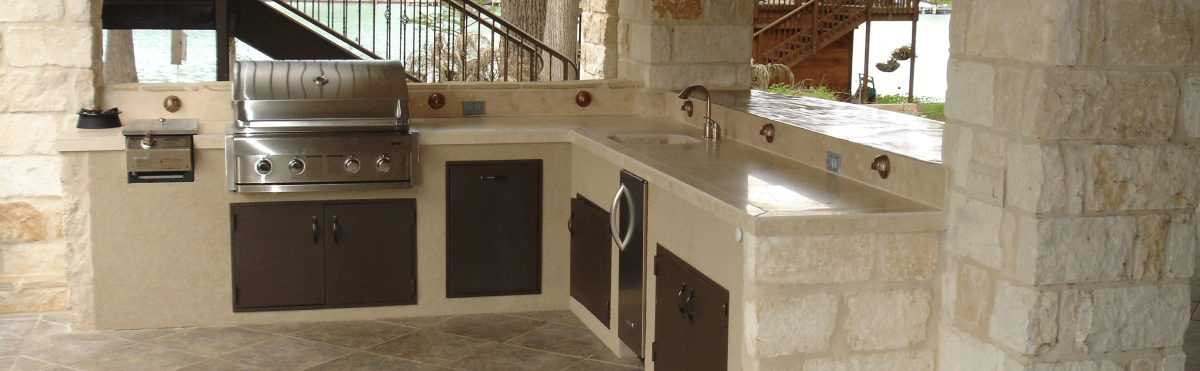
Many kitchens open to a patio, driveway, or small backyard. That outside area centers a lot of cooking life in Dallas, from grilling to crawfish boils to large family cookouts.
Those same areas often host:
- Overflow trash cans
- Recycling bins full of food-stained boxes
- Old coolers or storage tubs that sit for months
From a rodent’s point of view, this is the “staging area” before the kitchen. If they find plenty to eat and hide behind outside, the step indoors is smaller.
Outdoor checks that protect your indoor kitchen
Try to do a quick outdoor check near your kitchen door once a week:
- Look for droppings around trash bins and along walls
- Check for gaps at the base of exterior walls
- Make sure lids on bins actually close tightly
- Move stacked wood, cardboard, or old appliances away from the house
If you grill a lot, clean drip pans and grease trays more often than you think you should. A forgotten grill tray is like a rodent magnet.
Balancing a serious kitchen with realistic habits
If you are reading this on a site focused on cooking and restaurants, you probably care more than average about your kitchen. You might experiment with long simmers, fermentations, or bulk buying. You might treat your fridge and pantry like a toolbox.
That level of interest can create extra risk. You have:
- More food variety
- More containers
- More leftovers
All of that is fine. The question is whether you build a few guardrails around it, the way a professional kitchen does.
I will admit, I used to treat the pantry like a storage puzzle. If things fit, that was enough. Rodent control did not enter my mind. After seeing what an infestation looks like in a neighbor’s house, I started caring about gaps, container types, and how long things sat untouched.
It felt fussy at first. Then it became background, like washing your hands before prepping food. You do not argue with it every time. You just do it.
Think of rodent control as part of ingredient care, not a separate chore. You are protecting the food you worked to buy and cook.
Common questions home cooks in Dallas ask about rodents
Question: If I keep my kitchen very clean, can I still get rodents?
Answer: Yes, you can. Cleanliness lowers the chance, but it does not erase it. If your building has gaps and your neighbors or nearby businesses have food waste, rodents can still enter. Clean habits mean they are less likely to stay and build nests, which is a big difference.
Question: Are metal containers always better than plastic for pantry storage?
Answer: Not always. Thick, rigid plastic with tight lids works well in many kitchens and is easier to see through. Very thin plastic bags or flimsy bins are a problem because rodents can chew through them easily. The main requirement is that the container is solid and closes fully, not that it is metal.
Question: How often should I check my kitchen for new gaps or entry points?
Answer: A quick visual sweep once a month is enough for most homes. Look under the sink, around the stove, and by exterior doors. If you have had rodent problems before or live in an older Dallas building, a deeper check every few months is a good idea. The time it takes is small compared to dealing with a full infestation later.