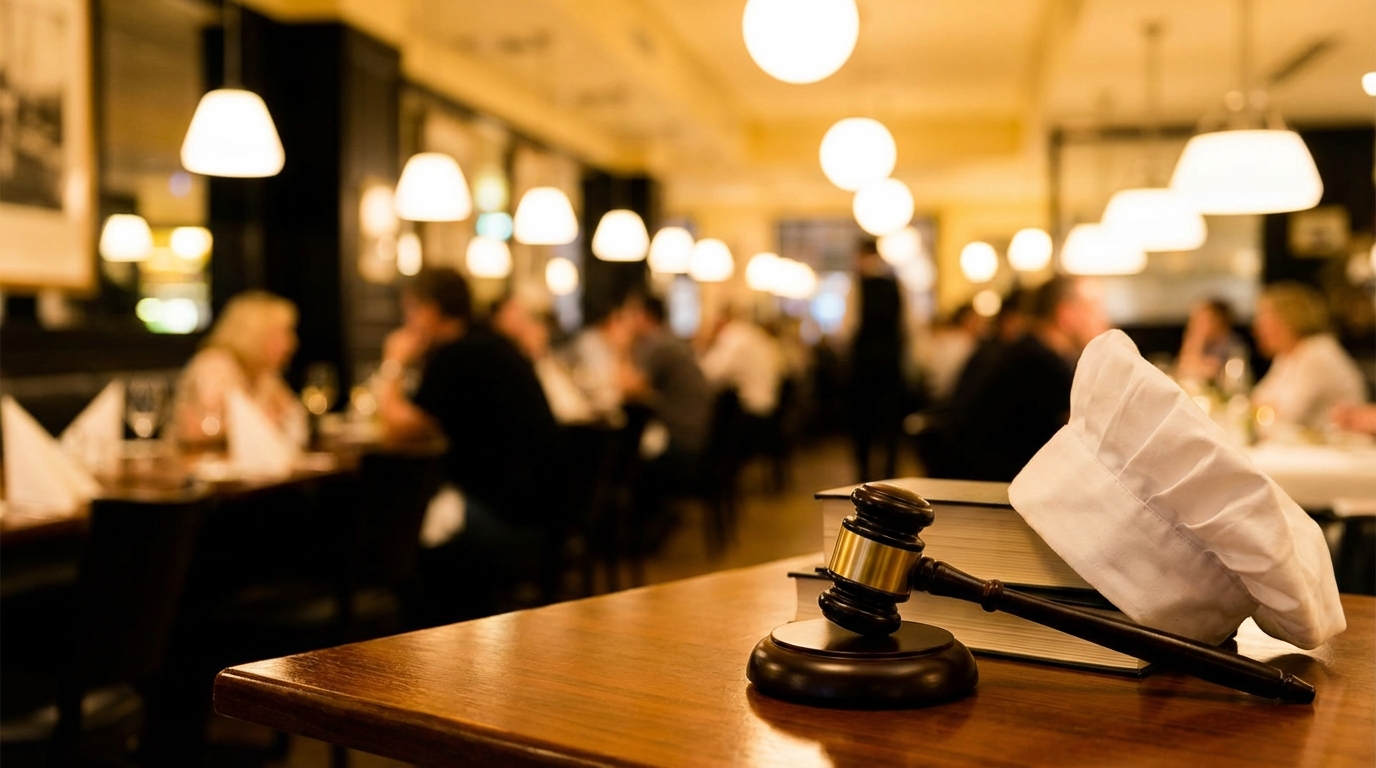
If you are hurt at a restaurant, you can usually bring a personal injury claim if the injury happened because the restaurant or its staff were careless. That might mean a wet floor without a warning sign, broken steps, hot food that causes burns, unsafe chairs, or even violent behavior that the restaurant should have controlled. A lawyer, such as the team at the Law Offices of Anthony Carbone, looks at how the injury happened, who was responsible, and how badly you were hurt, then helps you seek payment for medical bills, lost income, and your pain.
That is the simple answer. You get hurt, you look at why it happened, and if the restaurant did something wrong, you might have a case. But when you dig into it, there are many details. Especially for people who love food and restaurants, it is interesting, and honestly a bit uncomfortable, to see how many things can go wrong in a place that is supposed to be about comfort and good meals.
How restaurant injury cases usually work
Let us start with the legal idea under most restaurant injury claims: premises liability. That is just a formal way of saying that the person or business that controls a property must keep it reasonably safe for guests.
In a restaurant, that usually means the owner or the company that runs it. When you walk in, you are not just a customer buying food. You are a guest on their property. The law expects them to take real steps to keep you safe, not just hope nothing bad happens.
At the most basic level, a restaurant injury case asks: Did the restaurant act like a reasonably careful business under the circumstances, or did it cut corners on safety?
To have a valid case, most situations come down to four things:
- The restaurant had a duty to keep you reasonably safe.
- Someone there failed in that duty, for example by ignoring a spill or skipping basic maintenance.
- You were hurt.
- The failure actually caused your injury, in a clear, direct way.
That sounds simple on paper, but in real life, lawyers argue about each of those points. And restaurants, or their insurance companies, rarely just agree and pay. They almost always push back, sometimes hard.
Common types of restaurant injuries
If you spend a lot of time in restaurants, cooking schools, or even busy home kitchens, you know accidents happen. In a commercial setting, though, the stakes are higher. Floors are slicker, equipment is heavier, and service is faster. Things can go wrong in very specific ways.
Slip and fall injuries
Probably the most familiar injury in a restaurant is a slip and fall. Spilled drinks, tracked-in rain, food on the floor, or mopping during service all cause problems.
Some typical causes:
- Wet floors without warning signs
- Grease near kitchen doors that reaches the dining area
- Uneven tiles or ripped carpets
- Poor lighting near steps or restrooms
People often shrug these off as clumsiness. I used to think that too, until I saw an older relative fall on a glossy restaurant floor that had just been mopped. She broke her wrist. Staff had seen the wet area and did nothing. No cones, no sign, nothing. Suddenly it did not feel like a harmless misstep.
If a restaurant knows about a slippery or damaged area, or should know about it, and does not fix it or warn guests, that is where liability usually begins.
Trip and fall hazards
Tripping is a bit different from slipping. You are more likely to catch your foot on something:
- Loose mats near the entrance
- Wires from POS systems stretching across the floor
- Boxes or stacked supplies left in walkways
- Unexpected step downs between dining areas
From a legal point of view, the question is often how long the hazard existed and how obvious it should have been to staff. A mat that curls up over weeks and never gets replaced is hard for a restaurant to defend. A fork dropped one minute ago in a crowded brunch rush is a closer call.
Burns from hot food, plates, or liquids
People who cook a lot are used to handling hot pans and oven trays. You expect heat in the kitchen. Guests in the dining room do not.
Common burn scenarios in restaurants include:
- Plates or skillets served at extreme temperatures without warning
- Servers spilling hot soup, coffee, or tea onto guests
- Leaking coffee makers or hot drink machines in self-serve areas
- Unstable candle setups that ignite napkins or clothing
There is a bit of a gray area with hot food. Some dishes are meant to be served sizzling. Many restaurants say “Careful, the plate is hot.” If they actually warn you clearly, the case is weaker. If they say nothing, or hand a scorching pan directly to a child, that looks a lot more like negligence.
Food poisoning and allergic reactions
Food safety issues are probably the scariest part for people who care about cooking. You can cook with care at home and still get sick, so the idea of dozens of meals prepared quickly in one shared kitchen can feel risky.
In a legal context, you usually see a few patterns:
- Food stored at the wrong temperature
- Undercooked meat, poultry, or seafood
- Cross contamination between raw and cooked foods
- Expired products still being served
- Wrong information about allergens like nuts, shellfish, or dairy
Proving food poisoning is not as simple as saying “I ate there and got sick.” Lawyers look at medical records, timing of symptoms, reports of other customers getting sick, and sometimes lab tests on leftover food. It can be a tough case to build, but not impossible.
Allergy cases work a bit differently. If a guest clearly tells a server, “I am allergic to peanuts,” and the kitchen still sends a dish that contains them, that can turn into a strong claim. The same goes for wrong menu labels or careless handling of ingredients that are known allergens.
Falling objects and unsafe furniture
Not all restaurant injuries involve food or floors. Some involve the design of the space itself.
Examples people do not think about until it happens:
- Heavy light fixtures or decor falling from the ceiling or walls
- Overloaded shelves above tables
- Chairs that collapse because they are worn out
- Wobbly high-top tables that tip when a child leans on them
When a restaurant packs storage above guests, or keeps using old furniture with loose screws, that becomes a maintenance and inspection issue. The injury might look like a freak accident, but when lawyers investigate, they often find warning signs that were ignored.
Violence and security problems
Most people do not connect restaurants with security issues, but bars, late night diners, and event spaces sometimes deal with fights or attacks. From a legal angle, the key question is whether the incident was predictable.
Some scenarios where claims arise:
- Known history of fights or crime in or near the restaurant
- No security at crowded events where alcohol is served
- Staff ignoring escalating arguments between guests
- Failure to control an aggressive employee or bouncer
These cases can be complex. The restaurant is not responsible for every sudden outburst. But if problems were common and nothing was done, there might be grounds for a claim.
How this connects to people who love cooking and restaurants
If you are reading this on a food or restaurant site, you probably care about technique, ingredients, service, or maybe how to open a place of your own. Legal risk may feel like a topic for another day. Still, if you cook, host, or run a dining space, you are already making small safety decisions all the time.
Think about these practical crossovers:
- Knife skills in a home kitchen vs cuts from broken glass in a dining room
- Checking fridge temperature at home vs full HACCP plans in a restaurant
- Warning guests about hot dishes at a dinner party vs clear warnings in a busy bistro
- Keeping your floor dry when you cook vs a restaurant manager inspecting restrooms during service
The difference is scale and responsibility. At home, an accident is your private problem. In a restaurant, the law steps in because you invited the public, charged them money, and took control of the environment.
Whether you are plating for two guests at home or two hundred in a dining room, the idea is similar: create good food, in a space where people can relax, without exposing them to avoidable harm.
You might not want to think about lawsuits while planning a menu. But if you ever dream of running a restaurant, understanding these basics can save you from bigger problems later.
What you need to prove in a restaurant injury case
Let us go a bit deeper into what lawyers actually look for. If someone calls a law office and says, “I slipped in a restaurant,” that is only the start. The facts around that slip matter a lot.
Duty of care: What does the restaurant owe you?
In plain terms, restaurants must act like reasonably careful businesses. They are not required to be perfect. The law does not expect them to catch a dropped ice cube the instant it hits the floor. But it does expect some routine effort.
Common signs of a proper duty of care include:
- Regular inspections of floors, bathrooms, and entrances
- Written cleaning schedules that staff actually follow
- Clear rules for handling spills, broken glass, and clutter
- Basic training for staff on safety and customer warnings
Breach: Where did they fall short?
A breach is just the moment where the restaurant stops meeting that reasonable standard. This can involve action or inaction.
| Example situation | What the restaurant did | Why it may be a breach |
|---|---|---|
| Spill in the dining room | Ignored for 25 minutes during service | Too long without cleanup or warning signs |
| Broken step at entrance | Known for weeks, no repair or warning tape | Ongoing hazard with no action taken |
| Hot skillet served to table | No warning, handed straight to a child | Obvious burn risk with no reasonable care |
| Violent guest in bar area | Staff saw repeated threats, no one intervened | Ignored clear danger signs for other guests |
Causation: Connecting the dots from breach to injury
Even when a breach exists, you still have to show that this specific failure caused your injury. For example, if your ankle was already badly sprained from a sports accident earlier that day, and you lightly twist it on a minor bump in the restaurant, the restaurant may argue your condition would be the same either way.
Lawyers usually look for:
- Medical records right after the incident
- Photos or video of the scene, if available
- Witness statements about what happened
- Before and after details about your health and abilities
Damages: What was the real impact?
Injury claims are not just about the incident. They are about the harm that follows. Without real harm, there is not much of a case. A light bruise that disappears in two days is different from a broken hip that changes your life.
Common types of damages in restaurant injury cases include:
- Medical bills, including follow up care and therapy
- Lost wages or missed work opportunities
- Reduced ability to work or enjoy normal activities
- Pain and emotional distress
People sometimes underestimate soft tissue injuries like sprains. From a cooking fan point of view, imagine not being able to stand at the stove for more than 10 minutes, or not being able to lift a pan without sharp pain, all because of one slip in a dining room. That adds up, both in cost and in quality of life.
What to do if you are injured in a restaurant
If you are hurt, you probably are not thinking about legal steps right away. You might just want to get out of there, or get home. That is normal. But certain steps, taken when you can, can help protect your health and your claim.
1. Get medical help
This sounds obvious, but many people skip it. They feel embarrassed, or they assume the pain will fade. Then, days later, their injury is worse and there is no clear record linking it to the restaurant.
If you fall, get burned, or feel sick after eating, consider at least a basic medical check. It helps your health and creates a record of the incident.
2. Report the incident to staff
Ask to speak with a manager. Calmly explain what happened and where. Do not argue. Just describe the facts in a simple way.
If they fill out an incident report, you can ask for a copy. They may refuse, but you can still note the manager’s name, the date, and the time.
3. Collect what evidence you can
I understand that pulling out a phone to take pictures right after a fall feels strange. It can seem rude. But from a legal view, those photos can be very important later.
You might capture:
- The spill, broken tile, or clutter that caused your fall
- Lack of warning signs
- Lighting conditions in the area
- Any visible injuries like bruises or cuts
If someone nearby saw what happened, ask for their contact information. Even a first name and phone number helps.
4. Keep your own notes
Our memory fades faster than we think. A short written account later that day can help, for example:
- What you were doing just before the accident
- What you noticed about the floor, furniture, or food
- What staff said to you afterward
- How you felt over the next few days
This kind of detail helps lawyers piece together what happened long after the moment has passed.
5. Talk to a lawyer before talking in depth with insurers
After a serious restaurant injury, you might get a call from the restaurant’s insurance company. They may sound friendly, and they might ask for a recorded statement. People often agree because they think it is just routine.
Those statements can be used later to limit or deny your claim. This is one area where I think people are too trusting. You do not have to agree to a recorded statement before you talk with a lawyer. A short legal consult can make a big difference in how you handle those conversations.
How a firm like Law Offices of Anthony Carbone can help
Personal injury law is its own world. Restaurants have insurance. Insurance companies have adjusters and lawyers. It is not a level playing field for someone trying to handle everything alone while dealing with pain and medical visits.
When an experienced lawyer takes on a restaurant injury case, they usually:
- Investigate how the injury happened, beyond what is on the surface
- Gather records, from medical files to incident reports and camera footage
- Interview witnesses and sometimes staff
- Work with medical experts on long term impact
- Negotiate with the restaurant’s insurance company
- Prepare for trial if fair payment is not offered
In many cases, the restaurant is part of a chain or a larger group. There might be corporate policies, past complaints, or prior similar incidents that show a pattern. Without legal help, a regular person rarely gets access to that kind of information.
One of the main roles of a personal injury lawyer in these cases is to balance the power between a hurt individual and a business that is backed by an insurance company.
Typical defenses restaurants raise
Restaurants and their insurers do not simply accept blame. They use certain common arguments to reduce or avoid paying claims. Some are reasonable. Some stretch the facts. A few examples:
“You were not paying attention”
They might say you were distracted by your phone, your kids, or your friends. In many states, your own share of fault can reduce your recovery. So if a court says you were 30 percent at fault and the restaurant 70 percent, your compensation might drop by 30 percent.
“The hazard just happened”
For spills or objects on the floor, restaurants often argue the problem appeared only moments before the accident, giving them no time to fix it. Sometimes this is valid. Sometimes security video or witness accounts show the hazard existed much longer than they claim.
“The risk was obvious”
In some cases, they say a hazard was so clear that a reasonable person would have avoided it. For example, a large puddle with bright yellow cones around it. Or a clearly labeled “Caution: Hot Plate” where the warning was loud and clear.
“Your injury came from something else”
Restaurants also try to disconnect the injury from the incident. Prior injuries, age, physical work, or sports can all be used to suggest the restaurant’s actions had only a small role in your current condition.
These arguments are why careful documentation and early legal advice can matter so much. It is not about picking a fight. It is about getting a fair look at what really happened and who is responsible for what.
How restaurant owners and staff can reduce injuries
If you are thinking about running a restaurant, or you already manage one, this part may be the most practical for you. Injuries are not just legal problems. They hurt your guests, your staff morale, and your reputation in the food community.
Reasonable safety steps in a working restaurant
Perfection is not possible, but some steady habits make a real difference:
- Daily walk throughs before and during service to spot hazards
- Non slip mats in known wet areas, such as near dish stations
- Clear written rules for mopping and spill response during service
- Regular inspection and repair of chairs, tables, and fixtures
- Safe storage so heavy items are not above guest seating
- Honest, clear allergen labeling and communication
- Server training on warnings for hot plates and dishes
- Basic incident reporting process, even for “close calls”
If that sounds like a lot, think of it this way. Restaurants already care deeply about recipe consistency and service timing. Building in safety habits can become another part of that same routine.
Balancing guest experience and safety
Sometimes safety measures feel like they clash with ambiance. Bright yellow warning signs do not match a quiet fine dining room. Loud alerts about hot plates can break the mood.
This is where owners need to accept a bit of tradeoff. A brief, respectful warning is still better than a quiet third degree burn. A modest, well placed caution sign is better than a lawsuit over a fall near the restrooms.
Common questions people ask about restaurant injuries
Do I always need a lawyer for a restaurant injury?
No. If your injury is very minor, heals quickly, and your costs are low, you might decide it is not worth involving a lawyer. But if you have ongoing pain, missed work, or unclear medical needs, talking with a lawyer can help you understand your options. Many firms, including ones like the Law Offices of Anthony Carbone, offer free initial consultations, so you can at least hear how they see your situation before deciding anything.
What if I was partly at fault?
You might still have a case. Many states follow systems that allow you to recover money even if you share some blame, as long as the restaurant’s share is larger or meets certain thresholds. The amount you receive may be reduced based on your share of responsibility. This is a detailed area, so it is worth asking a lawyer who handles cases in your state.
What should I bring to a meeting with a lawyer?
People often show up with nothing more than their story, and that is fine. But if you want to be prepared, these things help:
- Photos or video from the scene
- Names or contacts of any witnesses
- Medical records or bills
- Incident reports from the restaurant, if you have them
- Any messages from the restaurant or its insurer
Can I still enjoy eating out after reading all this?
Honestly, yes. Most meals end with full stomachs and no problems. The point is not to be afraid of every tiled floor or hot dish. It is to understand what happens when things go wrong, and what steps both guests and restaurants can take to make those moments less harmful.
If you think about it, every careful cook already practices a kind of quiet risk management: wiping spills quickly, turning pot handles inward, checking food temperatures. Restaurant law just puts structure around the same idea on a larger scale.
So the better question might be: knowing what you know now, will you see restaurant safety a little differently the next time you sit down to order?