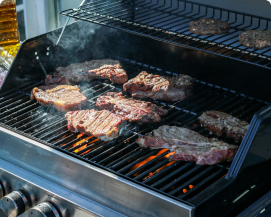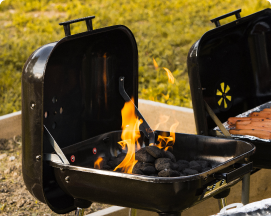
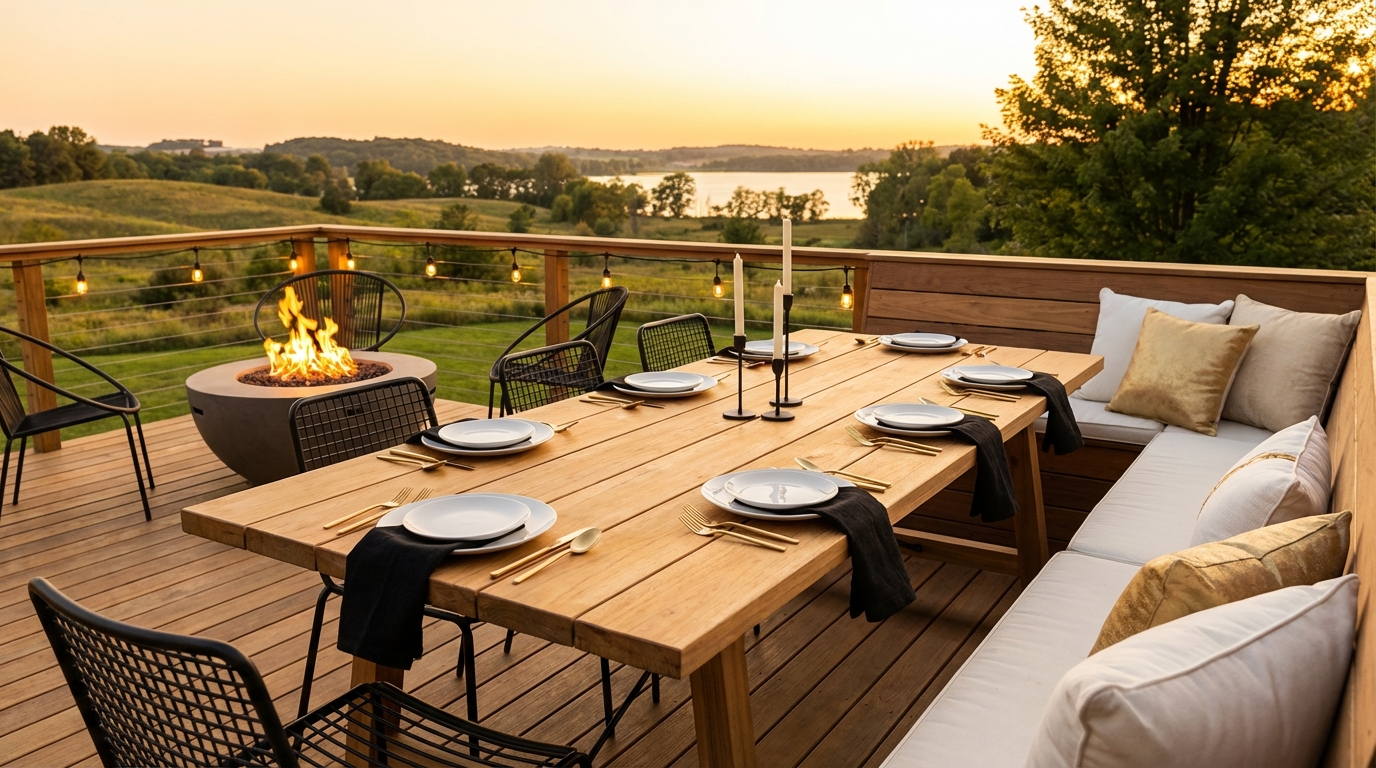
If you love cooking and eating outside in Madison, the short answer is yes: working with a good deck builder Madison WI can make outdoor dining a lot more comfortable, practical, and honestly more fun. A well planned deck changes how you cook, how you serve food, and how long people want to stay at the table. It is not just about looks. It is about how the space works on a busy weeknight when you are juggling a hot grill, hungry guests, and that one person who always forgets where the napkins are.
Once you start thinking about your deck as an outdoor dining room instead of just a flat platform, details that seemed small start to matter a lot. Where does the smoke go. Where do people set down drinks. How far is the kitchen. Does the table wobble. Can you walk a tray of food out the door without twisting your body like you are in some sort of obstacle course.
Let me walk through what tends to work, where people often regret their choices, and some things I did wrong on my own deck that I would not repeat. If you cook a lot, especially for family or small gatherings, this is the stuff that decides whether you actually use the deck three nights a week or only on holidays.
Start with how you actually eat outside
Before thinking about materials or railings, think about how you really use your outdoor space. Not the ideal version. The real one.
Do you:
- Grill fast dinners, like burgers or skewers
- Smoke meat for long weekend cooks
- Serve big family meals with lots of dishes
- Mostly sit with a drink and a small snack
- Host friends for game nights with casual food
If you are honest about this, the layout gets clearer.
For example, I thought I wanted a huge dining table outside. What I really use more is:
- A comfortable spot to sit while watching the grill
- A long counter area for trays, cutting boards, and sides
- Enough room around the table so people are not bumping into me while I carry hot food
When you plan a deck for outdoor dining, you are not just placing furniture, you are planning how food moves from the kitchen to the table and back.
If you map out that path in your head, from stove to table to trash, you start to see where the deck needs to be wider, where you need a landing, or where a built in bench might actually get in the way.
Location: how far is too far from the kitchen
Madison has real winters and some windy spring days, so many people want the deck close to the house. That makes sense for carrying hot food and going back inside for more plates or ingredients.
For outdoor dining, the ideal setup usually keeps:
- The grill or outdoor cooking zone near the door, but not blocking it
- The main dining table a few steps away from smoke and heat
- Space for traffic between door, grill, and table
If you put the table right in front of the door, you will hate it on the first big cookout. You end up squeezing past people with plates of food, saying “excuse me” every two seconds.
Try to picture carrying a heavy platter of hot food from your indoor kitchen to the farthest seat on your deck. If that walk feels tight in your imagination, it will feel worse in real life.
One small trick that helps is a landing or wider zone just outside the door. Think of it like a mini staging area where you can place a tray or put on a jacket in cooler weather without bumping into chairs.
Sun, shade, and where you put the table
Outdoor dining sounds nice until you sit at a table in full sun at 6 p.m. in July and watch the salad wilt. Or you shiver at a table that never sees the sun.
Ask yourself:
- Do you prefer evening shade or some direct sun
- Do you cook earlier in the day on weekends
- Is there a tree nearby that drops leaves or seeds on the table
A deck builder can look at your house orientation and suggest where the main dining zone should go. You can help by paying attention for a few days:
What part of your current yard feels comfortable around dinnertime. Where does the wind usually come from. Does smoke from the grill blow toward your house or away from it.
If you like grilling often, treat wind direction almost like a cooking ingredient. It changes how pleasant the space feels and where guests want to sit.
If full shade structures feel like too much, a simple pergola, umbrellas, or a partial roof can give you options. The key is flexibility, because Madison weather is not exactly predictable.
Deck size and layout for real cooking and serving
A lot of people ask, “How big should a deck be for outdoor dining” and the honest answer is that it depends on more than just the number of people. It depends on:
- The size of your grill or smoker
- Whether you want prep counter space outside
- How often you serve food buffet style
- How much you hate tight spaces
Here is a simple table that helps frame rough space needs. These are not strict rules, just starting points that a builder can adjust.
| Use | People | Approx. dining area size | Notes |
|---|---|---|---|
| Small dinners | 2 to 4 | 8 x 10 ft | Space for table, grill, light movement |
| Family meals | 4 to 6 | 12 x 14 ft | Room to pull chairs out and walk behind |
| Larger gatherings | 6 to 10 | 14 x 16 ft or more | Better with separate cooking and seating zones |
If you like to cook serious meals outside, I would treat the cooking area as its own zone, not something squeezed into the corner. A simple way to think about it:
- Cooking zone: grill, maybe a side burner or smoker, and a small landing for trays
- Prep/serving zone: narrow counter or bar ledge for platters, drinks, condiments
- Dining zone: table and chairs, with space to slide chairs out without hitting the railing
Try to give each zone enough room that people can gather there without blocking the others. That small bit of extra space is the difference between calm cooking and feeling crowded.
Who is using the deck and how often
A deck for two people who cook simple weeknight dinners is different from a deck for someone who hosts big family cookouts once a month.
Ask yourself some blunt questions:
- How many people actually sit down for a full meal outside regularly
- How many times a year do you host more than 8 people
- Do kids run in and out a lot
- Do you have older guests who struggle with steps
For frequent use, especially if you love grilling or smoking:
- Sturdy decking that cleans easily matters more than fancy looks
- Railings that are safe for kids and pets are non negotiable
- Step placement needs careful thought so people do not trip with a plate in hand
If you often have older family members over for dinner, wide steps with a handrail and good lighting are not just “nice to have”. They decide whether those guests feel confident joining you outside.
Deck materials for people who cook often
Cooking outside is messy. Grease splatters, marinade spills, food drops. In Madison, snow and ice add more stress, and then there is spring pollen, leaves, and everything else.
Here is a simple comparison for outdoor dining use.
| Material | Pros for dining | Tradeoffs |
|---|---|---|
| Pressure treated wood | More budget friendly, can be stained darker to hide stains | Needs regular sealing, grease can mark it, boards can crack over time |
| Composite decking | Resists stains better, easier to clean, consistent surface under dining chairs | Higher cost, darker colors can heat up in full sun |
| Cedar or other natural woods | Nice feel under bare feet, pleasant look near gardens | More maintenance, softer surface can dent or scratch |
For people who cook a lot, I lean toward composite in a mid tone color. Light enough that it does not burn feet in July, but not so light that every drip shows. That said, if you enjoy the look and smell of real wood and do not mind resealing, a good builder can design drainage and placement that help it last.
The main point is to be honest about cleaning. If you grill three nights a week and host friends often, a “low care” surface saves you time you would rather spend testing a new marinade.
Railings and sightlines around the table
Railings are not just a safety item. Around a dining table, they shape views, air flow, and how cozy or open the space feels.
When you sit at the table, ask:
- Do you want a wide open view of the yard
- Do you prefer a more enclosed, private feel
- Do kids or pets lean or push on the railing a lot
Some common railing options and how they feel for outdoor dining:
| Railing type | Benefits | Things to consider |
|---|---|---|
| Traditional wood balusters | Solid, classic look, good for older homes | Can block some views, more painting or staining |
| Metal balusters | Thinner profile, better sightlines, fairly durable | Can get hot in sun, style needs to match house |
| Cable or wire railing | Very open view, nice for watching yard or sunset | Needs proper tensioning, some people do not like kids climbing it |
| Glass panels | Wind protection, clear view | Shows smudges, needs more cleaning near food |
If your main joy is sitting outside with a plate and watching the yard, cable or thin metal balusters near the dining area can feel almost invisible. If you care more about blocking wind and creating a contained dining nook, a partial privacy rail or glass near the table might be better.
Cooking zone design: where the food magic happens
Now to the part that most people underbuild: the cooking area. Many decks have a grill shoved against the railing, maybe on a wobbly mat. That can work. But if you cook often, you probably want more.
Think about:
- Clear space around the grill so the lid can open fully
- A solid, level surface for the grill or outdoor kitchen unit
- Non combustible materials near hot surfaces
- Some kind of wind protection so flames do not blow out
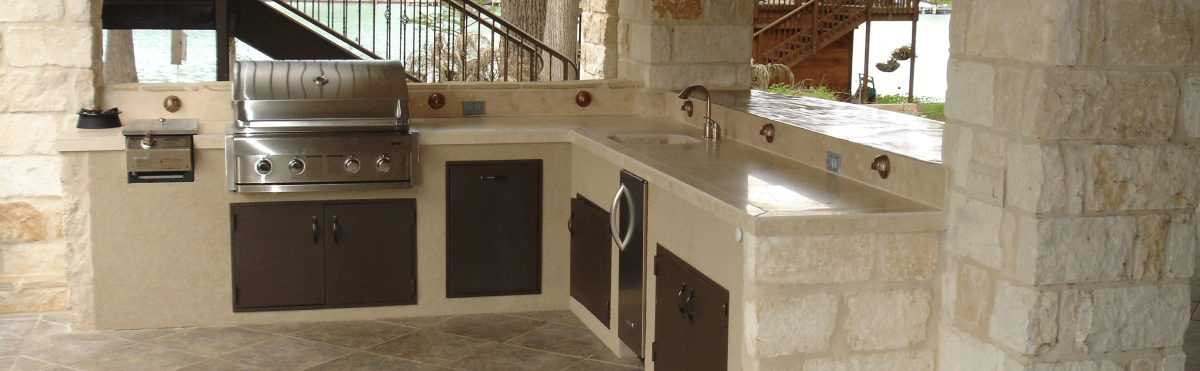
You do not need a full outdoor kitchen to feel like the space supports real cooking. Even a basic layout can feel much better if it has:
- A small counter or shelf next to the grill for raw and cooked platters
- Hooks for tongs, spatulas, towels
- Trash can nearby but not underfoot
I made the mistake once of putting the grill too close to the main seating area to “stay social” while cooking. It looked friendly on paper, but the smoke went straight into peoples faces on windy days. Now I think it is smarter to give the cook a bit of space and let the smoke drift away from the table, even if it means standing a few more steps from the conversation.
Is a built in grill worth it
If you love the idea of a built in grill or full outdoor kitchen, there are a few questions to answer before you invest:
- Will you cook outside year round, or mainly during warmer months
- Do you enjoy having everything plumbed and fixed in place, or do you like to rearrange
- Are you ready for more involved maintenance and repairs over time
A lot of people are happy with a good quality standalone grill on a stable deck section, plus a simple prep counter. Others really want storage, a fridge, maybe even a sink. Both approaches can work, but they affect how the deck is built, especially for weight support and weather protection.
For outdoor dining, I find that an extra landing or side platform for the grill can be useful. It keeps heat and flare ups a bit away from the main deck boards and makes grease cleanup easier.
Lighting for evening dinners
If you care about food, you probably care at least a little about seeing what you are eating. Outdoor lighting is tricky, because it is easy to overdo or underdo it.
For a deck focused on dining and cooking, think in layers:
- Task lighting near the grill and prep area, so you can see doneness clearly
- Softer ambient lighting around the dining table, not straight in peoples eyes
- Step and path lighting for safety
Some people use overhead string lights. Others prefer deck post lights or small fixtures under railings. The style matters less than the placement. If light hits plates too harshly, food can look washed out. If it is too dim, you are guessing at doneness.
I also think about insects. Very bright white light near where people sit can attract more bugs. Warmer, lower light often feels nicer and bothers insects a little less.
Furniture that actually works for eating
Outdoor furniture is often bought for looks first. For a deck focused on dining, you might want to flip that and think about function first.
Questions to ask before you buy:
- Can you sit comfortably through a whole meal
- Do chairs fit fully under the table to save space
- Is the table stable enough for cutting and serving
- Is the surface easy to wipe clean between courses
I tend to like tables with:
- Rounded corners, so moving around with plates feels safer
- A solid top instead of boards with big gaps that catch crumbs
- A size that allows serving dishes in the middle without crowding
One thing many people skip is a side surface for food that is not on the main table yet. A narrow console table or built in ledge along the railing can hold drinks, bread, salads, or desserts. That frees the main table for plates and conversation.
Weather, storage, and real life in Madison
Madison decks go through freeze, thaw, snow, and summer heat. If your main use is outdoor dining, the deck has to not only look good in June, but also come through March and November in decent shape.
Some practical things that matter:
- Drainage, so water does not pool under the table
- Deck height that works with snow removal and shoveling
- Space to store chairs or cushions when storms roll in
You might want a small storage bench or deck box near the dining area for:
- Seat cushions
- Outdoor plates and cups
- Grill tools and aprons
If these items are easy to reach, you are more likely to eat outside spontaneously. If you have to haul everything from the basement every time, outdoor dining starts to feel like a project instead of a pleasure.
Noise, neighbors, and a bit of privacy
Food is personal. You might not want your neighbors listening to every dinner conversation, or smelling every experiment that does not go well.
Think about:
- Where your neighbors windows face
- How sound from your deck travels across the yard
- Whether you grill late at night or early morning
A partial privacy screen near the dining table can help without closing off the deck. Planter boxes with taller plants, a trellis with climbing vines, or a short privacy panel built into the railing are all possible. Just be careful not to create a box that traps smoke from the grill.
Common mistakes when planning a dining focused deck
A few patterns show up over and over. If you know them, you can probably avoid them.
Not leaving enough room around the table
People often measure for the table and chairs, then forget that chairs move. You want room to:
- Pull chairs out
- Walk behind seated people with a plate
- Let kids or guests move without bumping drinks
As a rough rule, try to keep at least 3 feet of clear space around the table edges. If you entertain more, even more space feels better.
Putting the grill in the wrong place
Grills shoved right next to a door or in a cramped corner cause problems:
- Smoke drifting into the house
- Heat warping siding over time
- Crowded traffic where people enter and exit
Shifting the grill just a few feet away, with clear access, often makes cooking calmer and safer.
Choosing style over function
It is easy to fall in love with a magazine style photo of a deck with a giant sectional sofa and a tiny café table. But if your main joy is cooking and eating, that layout might not match your life.
Try to test your plan against one simple question:
On a normal Tuesday night when you grill chicken and veggies, will this layout feel easy, or will it annoy you.
If it annoys you on a regular night, you will use the space less than you hoped, no matter how pretty it is.
Small design touches that make eating outside smoother
Sometimes the small things change the feel of outdoor meals more than big features.
Here are a few ideas that can help:
- Built in bench with storage under it near the table for cushions, blankets, or outdoor games
- Low rail or ledge at railing height where people can rest drinks or small plates
- Hooks near the door for light jackets, aprons, or even grill tools
- A dedicated outlet near the dining area for warming trays, slow cookers, or outdoor heaters
- Subtle floor level change or rug zone to visually separate cooking from sitting
These details do not sound dramatic on their own. Together they shape how much effort it takes to host a simple meal.
Working with a builder: what to share and what to ask
When you talk to a deck contractor, it helps to frame the project not just as “a new deck” but as “a place where we cook and eat outside a lot.”
Consider walking them through:
- Your usual weekly cooking routine
- How many people you most often feed
- Where the sun is during your typical dinner time
- Any physical needs, like wide steps or railings with good grip
Questions you might ask in return:
- How would you separate cooking and dining zones here
- What material holds up well to grease and food spills in our climate
- Where would you put lighting for the grill area
- Can we plan for a possible future roof or pergola
If a builder only talks about square footage and not about how you cook or eat, you might want to push them a bit more. The best designs come out of real use, not just rough measurements.
Q & A: Some common outdoor dining deck questions
Q: How close should the grill be to the back door
A: Close enough that you do not dread carrying food in and out, but not so close that smoke goes straight inside. Many people land somewhere around 6 to 10 feet from the door, with a clear walkway and no chairs blocking the route.
Q: Is a roof or pergola worth it for outdoor dining
A: It depends on how sun sensitive you are and how often you eat outside. If you cook a lot in midsummer, some shade over the main dining area can make dinners feel much more relaxed. You can also start without a full roof and add a pergola or shade sails later if the deck is designed with that in mind.
Q: What is the easiest deck surface to keep clean near a dining table
A: Many people find composite boards in a mid tone color easiest to keep presentable. They resist stains better than raw wood, and you can usually rinse off spills with water and a mild cleaner. Dark boards can show dust and pollen, and very light boards show every mark, so a middle shade is often a safe middle ground.
Q: How big should my table be for regular use
A: Start with how many people sit down most often, not how many might show up once a year. If you usually eat with 4 people, a table that comfortably seats 4 to 6 is often enough. For rare larger gatherings, you can add a folding table at the edge of the deck instead of oversizing your main table for everyday life.
Q: Can a small deck still work as a real dining space
A: Yes, but it needs sharper choices. A smaller, expandable table, built in seating, and careful grill placement matter more. In tight spaces, it helps to keep circulation simple and avoid bulky furniture. You might trade a large lounge area for a focused, comfortable dining spot that you actually use.