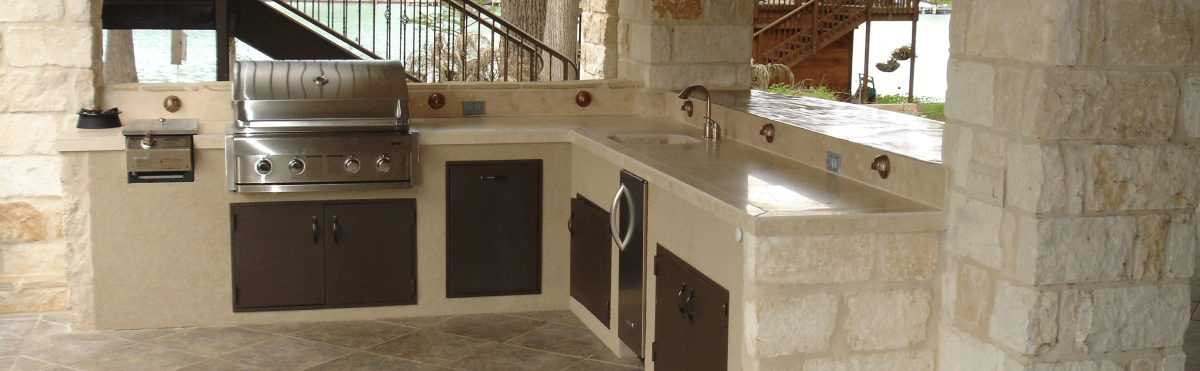
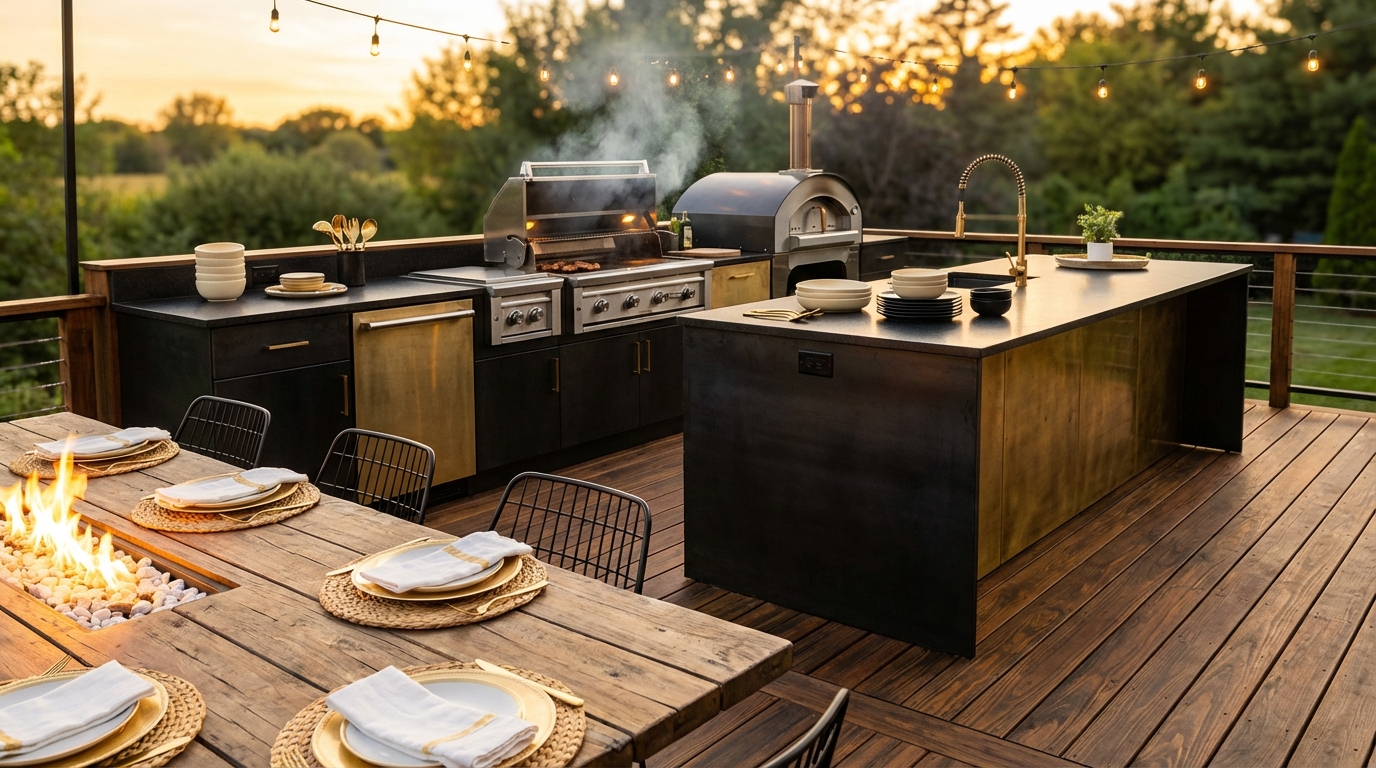
If you love to cook and you have even a little outdoor space, then yes, you probably should cook outdoors in style with Quigley Decks. A well built deck turns grilling, smoking, or even simple weeknight dinners outside into something that feels calmer, more social, and honestly, more fun. It is not just about a few boards under a grill. It is about having a space that supports how you like to cook, eat, and host people.
I think many home cooks underestimate how much the space around them affects what and how they cook. In a restaurant, the kitchen layout, the line, the pass, the storage, the equipment, all shape the menu and the pace of service. At home, your outdoor deck can do something similar. It will not look like a commercial line, of course, but the basic idea is the same: good space helps you cook better, and bad space gets in your way.
Why outdoor cooking needs a real stage, not just a grill in a corner
Most people start with one thing: a grill. Maybe a small charcoal kettle on a patch of concrete, or a gas grill at the edge of a tiny patio. It works. You can flip burgers and roast some vegetables. But the experience often feels cramped and a bit messy.
If you think about any restaurant kitchen that runs smoothly, there is rarely just one piece of equipment squeezed in a corner. There is a flow. Someone thought about where the cook stands, where the prep area sits, where the ingredients live, and how dishes leave the kitchen.
Outdoor cooking starts to feel serious when your deck supports a clear path from prep, to cooking, to plating, to the table.
A purpose built deck from a company like Quigley Decks lets you plan that path. Instead of walking through wet grass with a tray of marinated chicken, or trying to balance plates on a wobbly side table, you can have a clean, stable, well lit surface under your feet and around your station.
That may sound simple, but simple changes can have a strong impact:
- You carry fewer things back and forth between kitchen and grill.
- You spill less and drop less.
- You can host more people without feeling squeezed.
- You are more willing to cook outside on weeknights, not just on weekends.
Is that worth a custom deck? For some people, maybe not. If you grill twice a year, a basic patio is fine. For others who cook outside three or four times a week when weather allows, the space starts to matter more than they expect.
How a deck shapes the way you cook outdoors
Think about the dishes you like to cook. Are you a low and slow smoker, a quick weeknight griller, or someone who treats the deck like a second kitchen? Your answers should shape the design of your outdoor space, not the other way around.
Heat zones and cooking stations
In restaurant kitchens, cooks talk about stations. There is a grill station, a sauté station, a salad station. At home on a deck, you might not divide things that precisely, yet the idea still works.
Common outdoor cooking stations could include:
- Grill or smoker zone for the main heat source.
- Prep counter for cutting, seasoning, and resting meat.
- Side burner or portable induction for sauces, glazes, or boiling corn.
- Holding and plating area for finished dishes.
The deck layout influences how comfortable each station feels. If the grill is too close to the seating area, smoke blows into guests faces. If the prep counter is far from the grill, you end up walking back and forth many times with raw and cooked food, which is tiring and not very safe.
Good outdoor cooking space is not about packing in more equipment, it is about shorter, cleaner steps between tasks.
A builder with real experience building decks for people who cook can help you think through small but noticeable details, such as:
- Where wind tends to blow, so smoke vents away from guests.
- How far the grill should be from railings and siding for heat and safety.
- Where to place outlets for appliances, pellet grills, or lights.
- How to route gas lines safely if you use natural gas.
Lighting that fits how you actually cook
A lot of people plan outdoor spaces in daylight, then struggle with lighting after the first late dinner. You probably know the scene: balancing a phone flashlight in your mouth while you check if chicken is cooked through. It feels silly but many of us have done it.
Outdoor cooking on a deck needs several types of light:
- Focused light above the grill or cooking station.
- Softer, ambient light around seating, to avoid harsh glare.
- Step and perimeter lighting for safety at night.
Think of it a bit like dining room lighting versus kitchen lighting. In a restaurant, the dining area is dimmer and warm, but the kitchen is bright and functional. Your deck can split the difference. Some people prefer warm, low light everywhere, and that is fine, but you might end up cutting undercooked meat more often.
| Area | Lighting goal | Common solution |
|---|---|---|
| Grill / cook zone | See doneness clearly | Adjustable task light above or on the side |
| Prep counter | Safe knife work | Under-rail or wall-mounted fixtures |
| Dining area | Relaxed mood | String lights, lanterns, or low sconces |
| Steps / edges | Prevent trips | Recessed step lights or low post lights |
I once cooked on a friend’s deck with only a single bright floodlight. It technically lit everything, but it flattened the whole space and made the food look washed out. We overcooked steaks because it was hard to judge color. A small, well placed spotlight near the grill would have helped more than that one big light. Little choices like that change how your food turns out.
Materials that stand up to grease, smoke, and spills
People often pick deck materials based on looks first, which is normal. But if you cook a lot, you need to think about grease, food spills, and cleaning. Restaurant floors in kitchens are chosen for function first, looks second. At home, you want both, but function cannot be an afterthought.
Wood vs composite for cooking areas
I will keep this simple and not pretend there is a perfect answer. Each option has trade offs.
| Material | What cooks tend to like | What can be annoying |
|---|---|---|
| Pressure treated wood | Lower initial cost, classic look, easier to repair small areas | Needs regular sealing or staining, grease can soak in, surface can splinter over time |
| Cedar or similar wood | Warmer look, more comfortable underfoot, lighter weight | Higher cost than basic treated wood, still needs maintenance, can scratch |
| Composite boards | More resistant to stains, easier to clean, no splinters, consistent color | Higher cost, can get quite hot in direct sun depending on color, feels a bit less “natural” to some people |
In my opinion, if your grill or outdoor kitchen is a big part of your life, composite around that zone can make sense. It tends to clean up faster and does not soak in grease as much. You can still use wood in the rest of the deck if you prefer that look and feel.
A good question to ask yourself: how often do I really want to scrub, seal, and stain the boards under a smoker that drips all summer?
You might answer “I do not mind,” which is fair. Some people enjoy that kind of upkeep and like how wood ages. Others will quietly resent the work every spring. Being honest about that now can save regret later.
Surface texture and safety
Restaurant kitchens often use textured, non slip flooring because grease plus water equals falls. Outdoor decks are similar. Sun, rain, and a bit of fat from grilled chicken can make smooth surfaces slick.
When you talk about materials or board choices, think about:
- How the boards feel when wet.
- Whether the surface gets slippery with a bit of oil.
- How shoes and bare feet grip while carrying trays.
Some composite lines have more texture, some less. Some wood finishes leave a more grip friendly feel. This is not a glamorous topic, but if someone slips while carrying hot food, it becomes the only topic for a while.
Seating and dining that support long meals
Cooking is only part of the outdoor experience. After the meat has rested and the vegetables are charred just right, you want to sit, eat, and talk. This sounds obvious, but many decks feel more like transit spaces than dining spaces. People stand around or perch on steps instead of sitting at a real table.
Table size and layout
If you enjoy hosting, think about the largest group you actually serve a sit down meal to, not the maximum number of people you might invite to a casual party. These numbers are usually different.
A few rough guidelines:
- A rectangular table for 6 needs more room for chairs to slide back than people assume.
- Allow at least 36 inches around the table for people to move past when others are seated.
- If you want a grill near the table, keep a clear path so hot plates do not pass over anyone’s head.
In a restaurant, aisles matter. At home, you have more freedom, but bumping into someone each time you carry food gets old quickly. A deck builder with experience in layouts can suggest small shifts that make movement smoother.
Built in benches vs movable chairs
Built in benches look clean and save space, but they are not always the best for longer meals. People like to adjust chairs, lean back, or sit at different distances from the table. Once a bench is placed, it stays there. I think a mix can work well:
- Built in bench on one side, movable chairs on the others.
- Bench for kids, chairs for older guests who need better back support.
There is also the small detail of cushion storage. Cushions get greasy, stained, and wet. Restaurants deal with this by using specific fabrics and frequent cleaning. At home, having a storage box or a spot under the bench for cushions can save them from weather and food spills.
Storage for tools, dishes, and supplies
Indoor kitchens only work well because storage is close at hand. Pans, spices, plates, tongs, towels, all live near where they are used. Outdoor cooking often breaks this rule. People leave tongs outside, carry spices back and forth, and keep serving dishes in random spots.
A well planned deck for cooking treats storage as part of the cooking system, not as an afterthought.
Some simple storage ideas:
- Weather resistant cabinets under a counter for tools and grill brushes.
- A small pull out bin for charcoal or wood chunks, if you smoke meat.
- Hooks or a rail near the grill for tongs, brushes, and thermometers.
- A shelf for trays and cutting boards used only outside.
This does not need to look like a full outdoor kitchen with stainless cabinets everywhere. Even a few well placed drawers or shelves can reduce the trips back inside by half. That extra time is more time watching the food and talking to guests, not hunting for foil or a clean plate.
Weather, seasons, and cooking more months of the year
Restaurants do not shut down when it gets cool or a bit windy. At home, many people give up on their deck outside of a narrow window of perfect weather. You cannot control the climate, but you can make some design choices that widen the usable season.
Shade and shelter
Hot sun on a dark deck surface can drive everyone back indoors. A little rain can kill a planned dinner. Thoughtful shade and shelter help:
- Pergolas or shade sails to soften midday sun.
- Covered sections near the grill so you can cook during light rain.
- Wind screens or privacy panels in spots with strong breezes.
I have eaten on decks where people pull out a small patio umbrella each time, and it works, but it always feels temporary and a bit awkward, especially when the wind picks up. Built in shade, or at least a solid anchor for a large umbrella, just feels calmer.
Cold weather cooking
Some people like grilling in the cold. Others avoid it. If you want to use your deck more in the shoulder seasons, you might think about:
- Radiant heaters in key spots, not everywhere.
- A clear, safe path cleared of snow or ice around the grill area.
- Materials and railings that stay easy to grip when temperatures drop.
Again, the goal is not to turn your deck into a year round outdoor restaurant. That would be overkill for most homes. But a few choices can make early spring and late fall dinners outside feel much more reasonable.
Railing that protects without blocking the view
If you like to cook outside, you probably like looking around while you do it. Maybe at a yard, a garden, or just kids playing. Railings affect that more than many people realize. Thick, bulky rails or too many balusters can make the deck feel boxed in.
Types of deck railings for cooking spaces
| Railing type | Pros for outdoor cooks | Trade offs |
|---|---|---|
| Traditional wood balusters | Classic look, easy to match with wood decks | Can block views more, need maintenance, collect grease and dust |
| Metal balusters | Thinner profile, better sight lines, durable | Can get hot in strong sun, style may not fit every house |
| Cable railing | Very open view, modern feel, easy to clean lines | Higher cost, needs precise installation to look neat |
| Glass panels | Clear view, blocks wind | Shows smudges, needs regular cleaning, glare in some light |
If you often pass plates or drinks over the railing to people in the yard, think about a rail with a flat, stable top. It can work as a standing bar during casual gatherings. That kind of functional detail can make the deck feel more like part of your hosting routine, not just a platform.
Designing a deck like a small outdoor restaurant space
This might sound a bit grand, but it can help to imagine your deck as a tiny restaurant that serves only one family and their friends. You are the chef. The house kitchen is the back of house. The deck is both line and dining room.
Flow from indoor kitchen to deck
In many homes, the main kitchen backs onto a sliding door or set of doors. The distance from stove and sink to grill can be short or surprisingly long, depending on level changes and layout. Think carefully about:
- How many steps and turns you take to reach the grill.
- Whether you need to carry food up or down stairs.
- Where doors swing and if they block the path when open.
You might not be able to move doors or staircases easily, but you can position the grill, prep area, and table to match the existing path. A good builder will ask you to “walk the route” in your mind, or even on the ground, before finalizing a design. If they do not ask, bring it up yourself.
Zoning for noise and smoke
Some people enjoy the full sensory hit of cooking outside: the smoke, sizzling, and smell. Others want a slight distance. On a deck, you can make rough “zones”:
- A cooking zone closer to the house, with easy access to the kitchen.
- A dining zone slightly offset, catching the good smells but less smoke.
- A lounge or conversation zone a bit further away, for people not focused on the food.
This does not mean building three separate platforms. It might simply mean angling the grill or using railing sections, planters, or low walls to hint at areas. Restaurants do this with partitions, lighting, and furniture. You can do a simpler version on a deck.
Maintenance: keeping your cooking deck ready to use
Outdoor decks that support a lot of cooking get dirty faster than decks used only for lounging. Fat drips, sauces splash, and food falls. If you have ever cleaned behind a restaurant line after a busy service, you know how quickly surfaces pick up residue. At home, you probably clean less often, so build with that in mind.
Cleaning routines for heavy cooking decks
You do not need a complex schedule, but it helps to keep up small habits:
- Wipe the area under and around the grill after big cooks, while spills are fresh.
- Use a grill mat under the main cooking zone if your deck material stains easily.
- Rinse the deck more often in peak grilling season.
If your deck is wood, regular sealing and staining also protect it from the mix of grease and weather. Composite still needs cleaning, just less sealing. Some people think composite is “set and forget,” which is not quite true. It simply demands a different kind of care.
Repair and long term care
High traffic cooking areas often show wear first. The boards where you stand, near the grill or prep counter, get the most use. That is normal. When planning a deck, you might talk about:
- Using slightly heavier duty materials in the core cooking zone.
- Designing the layout so single boards can be replaced without tearing out half the deck.
- Future access to gas lines or electrical runs if they need service.
This is similar to restaurant design. Areas near the line get more robust finishes, and equipment can be moved for cleaning and repair. At home, you do not need that level of engineering, but it is still helpful to think past the first few seasons.
Personal touches that reflect how you like to eat
The best part of an outdoor cooking deck is that it can show your tastes. Not just in style, but in actual food. If you love pizza, maybe you plan a corner for a pizza oven. If you are a seafood person, you might plan a space for a big pot and a hose connection for cleaning. If you bake bread, maybe you want a quiet, shaded spot for dough to rest outside on cool days.
Examples of cooking focused deck features
- A narrow counter along the railing, so two or three people can stand and eat straight from the grill.
- A lower shelf near the smoker just for wood chunks, charcoal, and thermometers.
- A dedicated cutting surface or butcher block insert near the grill.
- A tiny herb planter at arm’s reach, so you can cut herbs right into dishes.
None of these are complex. They do not require full outdoor kitchens with everything plumbed and wired. They just require some planning and clear communication about what you actually cook and how often.
Is a custom deck really worth it just for cooking?
This is the hard question. Some people love the idea of a well planned cooking deck. Others feel it is a luxury they might not use enough. I do not think there is one right answer. A few points can help you think it through honestly.
| Question | What a “yes” might suggest | What a “no” might suggest |
|---|---|---|
| Do you cook outside at least once a week in good weather? | A well designed deck will probably get a lot of use. | A simple patio or small upgrade could be enough. |
| Do you often host family or friends for meals? | Extra seating and a cooking layout will support your habits. | Focus on comfort for you and a small group instead. |
| Do you enjoy trying new dishes on the grill or smoker? | A more serious cooking space will grow with you. | A basic setup is fine for occasional burgers and hot dogs. |
| Are you willing to maintain the deck properly? | Investing in better materials and design makes sense. | Keep the project simple to match your interest in upkeep. |
Some people will still go ahead and build a bigger deck than they “need,” and it might push them to cook outdoors more often, which can be a pleasant change. Others will realize they prefer dining out at actual restaurants and using the deck as a quiet retreat instead of a busy cooking space. Both choices are fine.
Common questions about cooking on a custom deck
Q: What is the biggest mistake people make when planning a deck for outdoor cooking?
A: Focusing on the grill alone and ignoring flow. People buy a large, serious grill, place it wherever it fits, and leave almost no counter space or path around it. A smaller grill with good prep space and better layout is usually more enjoyable to cook on.
Q: Do I need a full outdoor kitchen setup for the deck to feel useful?
A: No. A basic grill, a bit of counter space, some storage, and good lighting already change everything. Fancy extras like built in fridges or sinks can be nice, but they are not required for a deck to support frequent, satisfying outdoor meals.
Q: How do I balance what looks nice with what cooks well?
A: Start by being honest about how you cook. Do you marinate a lot of meats, cook messy wings, or experiment with sauces that splatter? Then favor materials and layouts that clean up easily, even if they are a little more plain. After that, layer in details like railings, lighting, and furniture that reflect your taste. A deck that looks perfect but feels awkward to cook on will frustrate you. A deck that cooks well and still looks good enough will stay in use much longer.