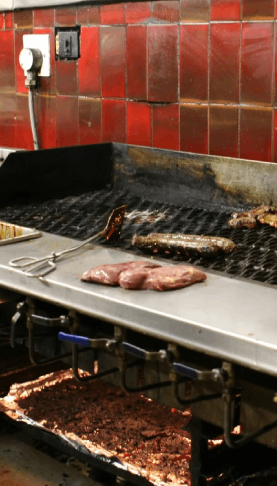

If you cook for a living in Jacksonville, personal injury law probably feels far away from your cutting boards and prep lists. But it matters. Kitchen work is physical, risky, and fast, and when something goes wrong, Jacksonville personal injury attorneys are often the only ones who can help you get medical costs covered, protect your income, and push back when an insurance company or employer does not treat you fairly.
That is the short version. You work in heat, noise, and pressure, and you rely on your body to pay your bills. If you lose the use of a hand, damage your back, or suffer burns, it is not just a bad day. It can be the end of a career you spent years building. Legal help is not some abstract idea in that setting. It becomes very practical.
Why chefs face higher injury risk than many people think
People who love restaurants usually see the final plate, not the path that plate took. If you cook, you already know how rough that path is. Still, it helps to spell it out for a moment.
Chefs and kitchen staff often deal with:
- Wet floors and tight spaces
- Sharp knives, slicers, mandolins, and heavy pans
- Open flames, hot oil, and steam
- Long shifts on hard surfaces
- High stress and speed that lead to mistakes
None of this is rare. It is just a regular shift. When you combine all of that with low margins and rushed training, you get a workplace where injury is common, even if no one wants to talk about it.
I have seen cooks shrug off cuts that probably needed stitches, because they were worried about missing service. Or a line cook who twisted a knee during a rush and still finished the shift, only to find out later that walking on it made everything worse. This is how many serious claims start, with people trying to “push through.”
Chefs often treat injuries as part of the job, but the legal system does not always see it that way. Sometimes an injury is more than bad luck. It can involve unsafe conditions, poor training, or pressure to skip safety rules.
Once you see that, you start to understand why legal support is not only for dramatic car wrecks you see on TV ads. It also covers the very real problems that happen one step from your line.
Common injuries in professional kitchens and what they mean for your future
Some kitchen injuries heal in a few days. Others quietly change what you can do forever. The tricky part is that in the moment, they may feel similar. Just pain, swelling, a bad burn. You are tired and you just want to go home, not think about legal rights.
Cuts and hand injuries
Knives are part of your daily life. You learn to respect them, but routine makes you relaxed. One slip, a dull blade, a rush to finish prep, and you have a deep cut or nerve damage.
Short term, it might be stitches and a bandage. Long term, maybe:
- Loss of grip strength
- Numbness in fingers
- Difficult knife work or plating
If a cut affects your dominant hand, that can change your role in a kitchen. You might move from line work to management or leave cooking entirely. That has a direct money impact. A lawyer looks at that, not just the bandage cost.
Burns from oil, steam, and hot surfaces
Most cooks accept minor burns as part of the job. You brush them off, run water, keep going. The problem comes with larger spills or repeated burns in the same spot. Hot oil, stock, sugar, or steam can cause deep tissue damage and scarring.
Severe burns can lead to:
- Skin grafts and surgeries
- Infection risk
- Long recovery periods with no income
- Permanent sensitivity to heat
That last one is huge if your whole job is working near ovens, fryers, grills, and salamanders. Many people underestimate how often heat exposure during recovery can slow or reverse healing.
Slips, trips, and falls in the kitchen
You already know about wet floors, spilled sauces, and surprise trays behind you. A quick slip can mean more than a bruise. It can lead to:
- Back injuries
- Broken wrists from bracing a fall
- Knee or ankle damage
- Head injuries
Head injuries are especially serious. People sometimes feel “fine” after a hit, go back to work, and later deal with headaches, mood changes, or focus problems. For a chef who juggles tickets, timing, and staff, that is not a small thing.
Repetitive strain and long term wear
Not every injury comes from a dramatic moment. Many chefs deal with:
- Carpal tunnel from repeated chopping
- Shoulder pain from lifting stock pots and heavy pans
- Chronic back pain from standing and bending
These slow injuries are harder to link to work. Insurance companies sometimes treat them as “age” or “personal choice.” That is where legal help becomes useful, because most kitchen staff do not sit all day by choice. They stand and lift because the job demands it.
Long term strain injuries can be just as serious as sudden accidents. They creep up, they hurt your skills, and they often need a careful legal approach to connect them to your work.
Why location and local law matter for Jacksonville chefs
Florida has its own rules about workers compensation, negligence, and injury law. Jacksonville has its own courts, local employers, and insurers. This is not just legal trivia. It affects what help you can get, how fast, and from whom.
For example, in many cases:
- Workers compensation may cover medical care and part of your wages, but not pain, stress, or loss of future earning potential.
- A separate personal injury claim might be possible if another party besides your employer played a role, such as a contractor, equipment maker, or property owner.
- There are deadlines to report injuries to your employer and to file claims. These cutoffs can be surprisingly short.
If you move to Florida from another state, you may carry assumptions from your last job. Those may be wrong here. That is one reason local attorneys matter. They work with Jacksonville judges, local adjusters, and area restaurants. They know typical settlement values for kitchen injuries in this region, not on some national average chart.
How a personal injury attorney helps a working chef in practice
The phrase “personal injury attorney” can feel broad or even a little vague. Many cooks imagine lawsuits and long trials and think, “I do not have time for that, and I do not want drama with my employer.” Fair. That hesitation is normal. But practical help often looks smaller and more focused than what you see on TV.
Sorting out who is responsible
Responsibility in a kitchen accident is not always obvious. Let us take a simple example.
| Situation | Possible responsible parties |
|---|---|
| You slip on a greasy floor near the fryers. | Your employer, a cleaning contractor, or both. |
| A slicer malfunctions and cuts your hand deeply. | Equipment manufacturer, maintenance company, or employer. |
| A delivery driver crashes into your car while you are running a catering order. | Driver, their employer, their insurance company. |
| You hurt your back carrying boxes up broken stairs to a storage area in a rented space. | Property owner, management company, possibly employer. |
Without legal help, many chefs accept whatever workers compensation offers and stop there. Sometimes that is fine. Other times, it leaves large costs uncovered. An attorney can look at injury details, photos, training records, and maintenance logs to see if someone beyond your direct boss is involved.
Protecting your income while you heal
One of the biggest fears for anyone who cooks for a living is this: “If I stop working, I cannot pay rent.” That fear pushes people back on the line far too early.
A local personal injury attorney can help with:
- Filing proper paperwork for wage replacement under workers compensation
- Challenging lowball offers from insurance companies
- Documenting how your injury affects your ability to work full time or at the same level
This is not only about long hospital stays. A chef who drops from 60-hour weeks to 25-hour light duty loses a lot of money. That drop matters. It is part of your claim, not just the physical pain.
Making sure you get the right medical care
Many injured workers get pushed toward the cheapest clinic on an approved list. The focus is often on getting you back to “some” work, not back to your full skill level. For chefs, fine motor control, taste, and stamina matter more than a basic “can stand and walk” check box.
An attorney can help by:
- Referring you to doctors who understand work-related injuries
- Requesting second opinions when a first doctor downplays your pain
- Collecting detailed reports that explain what tasks you can no longer do
This becomes critical if you have nerve injuries, hand damage, or anything that affects your sense of smell or taste. Those details are easy to ignore if no one explains to the insurer why they matter in a kitchen context.
If your career depends on your hands, your senses, and your stamina, then a “minor” injury on paper can be huge in real life. Legal help connects those dots for the people who decide what you are owed.
But what if you are partly at fault?
Many chefs blame themselves for accidents. “I stepped wrong.” “I grabbed the wrong pan.” “I knew the floor was wet.” That kind of thinking is human. But the law in Florida looks at fault differently than your inner critic does.
There can be shared responsibility. Maybe you did move too fast, but maybe your employer failed to provide non-slip mats, or the fryer had a known leak that no one fixed. Maybe training was rushed, or there was pressure to cut corners.
Workers compensation is usually not based on fault in the same way as other injury claims. You can still get benefits even if you made a mistake. A separate personal injury case against another party might reduce your recovery if you share blame, but it does not always erase it.
This is where many people are simply wrong in their thinking. They assume that if they played any part, they “do not deserve” help. That belief protects insurers more than it protects fairness.
Independent chefs, food truck owners, and side gigs
Not every person in a kitchen is a classic employee. Many people in food work as:
- Independent caterers
- Food truck owners
- Private chefs
- Pop-up or market vendors
Some are paid “under the table” or as freelancers with no benefits. The line between personal and work-related injuries can feel blurry.
If you are self-employed or on a 1099
You might think injury law does not apply to you. That is not correct. You can still have a claim if, for example:
- A drunk driver hits your truck on the way to an event.
- A faulty propane line on a rental food truck explodes.
- You are hurt on a client’s property where there were unsafe conditions you were not warned about.
The key difference is that instead of workers compensation, you may file claims against insurance policies or people who caused the harm. That gets complicated fast, especially when business coverage and personal coverage overlap.
A local attorney can review your contracts, event agreements, and insurance policies to see what options you really have, not just what an adjuster claims over the phone.
Restaurant culture, fear, and why many chefs never call a lawyer
Kitchen culture values toughness. People brag about scars and burned fingerprints. There is often a quiet belief that asking for help or taking time off makes you weak or replaceable. That culture keeps restaurants running in tough times, but it can hurt individual cooks in the long run.
You might worry that:
- Your chef or owner will be angry if you file a claim.
- You will be blacklisted in the local restaurant scene.
- Lawyers will “stir things up” and make work life harder.
Those fears are real, but they are sometimes exaggerated. Many cases are handled through insurance and private negotiations, not public courtroom drama. Employers carry workers compensation coverage for a reason. Using it is not betrayal. It is part of the system they signed up for.
Also, restaurant jobs change often. Many chefs move between kitchens over a career. Protecting your health and your financial stability may matter more than smoothing over tension with a single job that might only last a couple of years anyway.
When should a chef in Jacksonville call a personal injury attorney?
You do not need a lawyer for every knife nick or small bruise. That would be overkill. But there are clear situations where at least a quick conversation makes sense.
Red flags that suggest you need legal help
- Your injury required an ER visit, surgery, or ongoing physical therapy.
- You missed more than a few shifts, or you expect to be out for weeks.
- You can no longer perform key parts of your role, like lifting heavy pots or standing through service.
- Your employer discourages you from reporting the injury or tells you to use personal insurance instead.
- An insurance company offers a settlement that feels low or pressured.
- There is a third party involved, such as a delivery driver, equipment supplier, or property owner.
Waiting too long can hurt your claim. Memories fade. Camera footage gets deleted. Paperwork deadlines pass. I do not say that to scare you, just to be honest about how these systems work.
How to talk with a lawyer if you hate legal stuff
Many chefs are direct and practical. Legal talk feels slow, abstract, and full of strange words. If that is you, there is a simple way through it.
What to bring
- Any medical records or discharge papers you already have
- Photos of your injuries and of the scene, if you took any
- Names of coworkers who saw what happened
- Your schedule or pay stubs showing lost income
- Any messages from your employer about the incident
You do not need a perfect file. Just bring what you can. A good attorney will ask follow up questions and help gather missing documents. If someone expects you to walk in with everything perfectly organized, that is a red flag by itself.
Questions you might ask them
- Have you handled kitchen or restaurant injury cases before?
- What are the possible outcomes, best and worst?
- How do you get paid, and when?
- How long could this take?
- Will you handle communication with the insurance company for me?
If their answers are full of buzzwords or promise perfect results, be cautious. No one can promise a result. Honest answers will include uncertainty and tradeoffs, which may feel uncomfortable but are more realistic.
How injury law affects restaurant owners and head chefs
If you run a kitchen or own a restaurant, personal injury law affects you differently. You might feel stuck between caring for your staff and worrying about claims, premiums, and margins.
Here is the thing: taking safety and legal duties seriously can protect both your people and your business. Ignoring them does not remove risk. It only hides it until something serious happens.
Areas to pay attention to
- Clear training on knife skills, lifting, and hot equipment
- Non-slip floor mats and prompt cleanup routines
- Regular equipment checks and documented maintenance
- Written incident reports for every injury, even small ones
- A culture where staff feel safe reporting hazards
Some owners resist this, worrying that documentation will create “evidence” for claims. In reality, good records can also protect you, because they show effort and care. Courts and insurers tend to look more kindly on businesses that treat safety as a normal part of operations.
A kitchen that takes safety seriously is not only kinder to its staff. It is also less exposed to large, unpredictable legal claims that can sink a small restaurant.
Balancing your passion for cooking with protecting yourself
For many chefs, cooking is not just a job. It is a craft. You live with odd hours, constant stress, and tight profit margins because you care about flavor and service and the quiet joy of a clean plate coming back. Legal talk can feel like the opposite of that energy.
Still, there is no real conflict between loving your work and standing up for yourself when you are hurt. The more you protect your health and your rights, the longer you can stay in kitchens without burning out physically or financially.
Personal injury attorneys are not there to attack cooking or restaurants. The good ones actually like food people, because they see how hard they work for relatively modest pay. Their role is not to stop you from working. It is to help you get back to work in a way that is fair and sustainable, or to help you pivot if your body cannot handle the same tasks anymore.
Closing thoughts: a quick Q&A for chefs
Question: I cut myself badly at work, got stitches, and missed a week. Should I really talk to a lawyer?
Maybe. If you are back to normal with no lingering issues, workers compensation might cover that week and your medical bill without much trouble. But if you notice numbness, stiffness, or trouble doing fine knife work, then yes, at least have a short talk with an attorney. That kind of problem can grow over time and affect your future roles.
Question: I am worried my boss will fire me if I file a claim. Am I overreacting?
You are not overreacting. That fear is very common. At the same time, retaliation for making a protected claim can be illegal. An attorney can explain what your rights are and what steps might reduce that risk. There is no perfect protection, but staying silent has its own cost.
Question: I work in a small family restaurant. I like my boss. Does calling a lawyer mean I am “going after” them?
Not necessarily. Many claims are handled through insurance, which your employer already pays for. You are not attacking a person. You are using a system designed for injured workers. If you talk with an attorney, you can also explain your concern about the relationship. They can walk through options that respect both your health and your loyalty, as far as possible.
Maybe the more honest question for anyone who cooks in Jacksonville is this: if you lost one hand or your back for a year, could you cover rent, food, and recovery on your own? If the answer is no, then knowing how personal injury law works, and where attorneys fit in, is not some extra topic. It is part of taking your work, and your life, seriously.