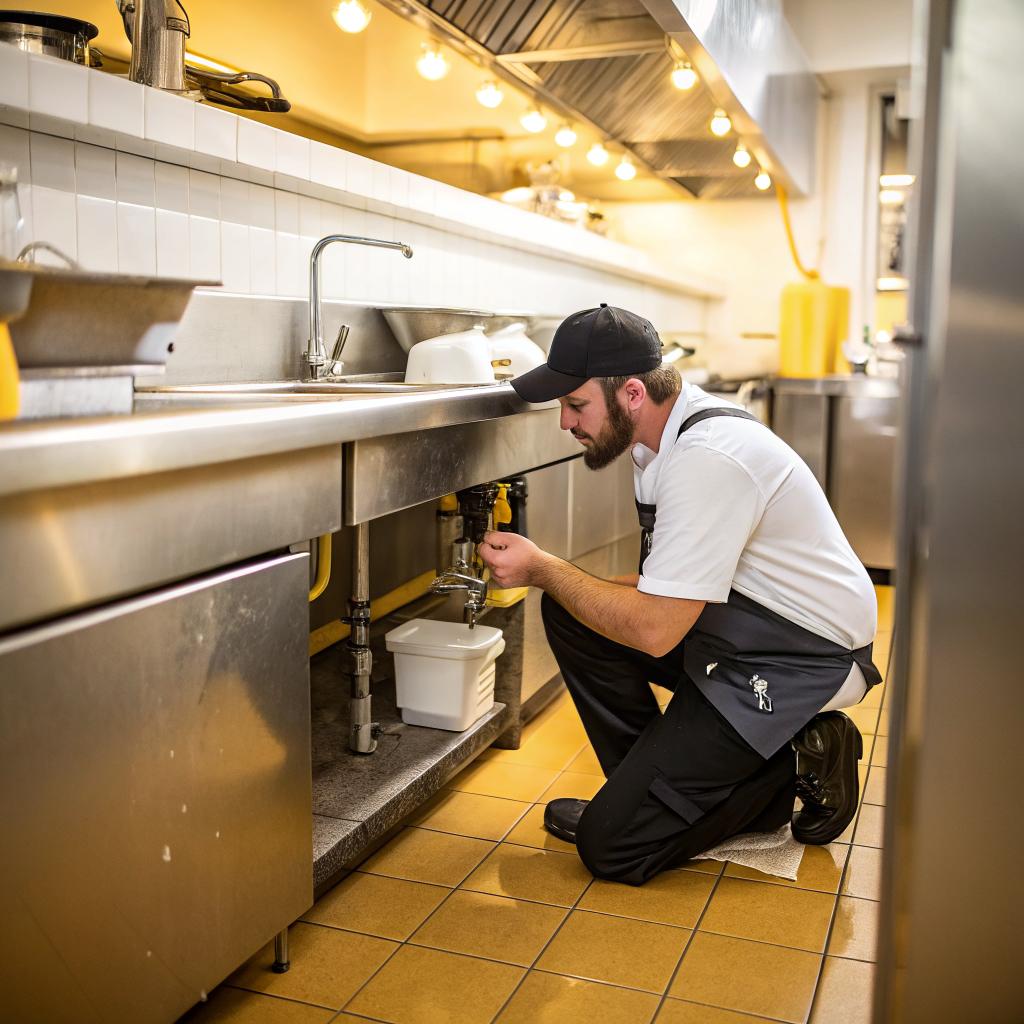
If you run a restaurant, you need an emergency plumbing Aurora on speed dial, the same way you keep your food supplier, your oven repair tech, and probably your accountant. Not as a nice extra, but as a basic part of staying open, staying safe, and keeping guests from walking out the door.
That might sound a bit strong, but think about how fragile a restaurant really is. One broken drain, one backed up toilet on a Saturday night, one sudden leak over the prep area, and service stops. Food has to be thrown away. Staff are standing around, guests are irritated, and you are thinking about health inspectors and reviews.
I once watched a small bistro lose an entire weekend because a single pipe joint failed above the kitchen. The owner told me later that it cost more than a month of routine maintenance would have. He also said something that stuck with me: he had a favorite butcher, a trusted fish supplier, a reliable HVAC person, but he had never bothered to pick a plumber until he was already ankle deep in water.
Having a preselected emergency plumber is not about paranoia. It is about treating plumbing as part of your kitchen equipment, not as an afterthought.
Why plumbing problems hit restaurants harder than homes
If a pipe bursts at home, it is stressful, but you can turn off the water and order takeout. A restaurant does not have that luxury.
Plumbing is connected to almost every part of service:
- Handwashing and hygiene
- Dishwashing and sanitation
- Restrooms and guest comfort
- Cooking processes that use water, steam, or ice
- Waste handling and grease management
When any of those fail, you are not just inconvenienced. You can be shut down by health codes, or by common sense. Nobody wants to eat while a toilet is overflowing behind a thin wall.
Restaurants also push plumbing harder than homes. Think about it:
- Sinks run for hours
- Dishwashers cycle constantly
- Grease and food scraps go through drains every single day
- Dozens or hundreds of people use the restrooms
So problems show up faster and hit harder. A slow drain at home can wait a week. A slow drain in a prep sink can ruin a dinner rush.
Plumbing is not just background infrastructure in a restaurant. It is part of your service, even if guests never see it.
Common plumbing emergencies that shut down restaurants
Not every leak is a crisis. But some problems turn into emergencies almost instantly in a food service space. Here are the ones that tend to cause the most trouble.
1. Backed up floor drains and flooded kitchens
Most kitchens rely on floor drains to handle spills, cleaning water, and whatever runs off during prep. When those floor drains clog, water has nowhere to go. It starts to spread across the floor.
That means:
- Slip hazards for staff
- Cleaning chemicals mixing with food areas
- Potential contact with raw meat juices or other contaminants
Health inspectors do not like standing water. Neither does your insurance. You can mop all you want, but if the drain is blocked, the water keeps coming back.
In a busy service, it does not take long before the chef has to make a choice: stop cooking or ignore the water and hope nobody gets hurt. That is not a good choice to face at 7:15 pm.
2. Clogged restrooms during service
This is the one that makes every owner nervous. A guest walks out of the restroom and quietly says, “There is a problem in there.”
If you only have one restroom, or one per side of the dining room, a major clog or overflow can mean guests do not have a usable bathroom. Some will leave. Some will complain online. Staff will start to feel stressed and embarrassed.
You can tape a handwritten “Out of order” sign on the door, but that only works for very small places and for a short time. And if waste water is backing up, you have a hygiene problem, not just a convenience problem.
3. Leaks over prep or cooking areas
Few things make a cook more anxious than seeing water drip from a ceiling tile onto a prep table. Even a slow leak can contaminate food or surfaces. In many kitchens, ceiling spaces are hiding water lines, drain lines, or HVAC condensation piping.
When those leak, you have to:
- Stop using that section of the line
- Move prep work, which disrupts your kitchen flow
- Throw away any food that might have been splashed or exposed
I watched a line cook once carefully slide a whole tray of marinating chicken away from a drip, then stop, sigh, and throw it all in the trash. Nobody wants to serve food that might have touched mystery water from above.
4. Sudden loss of hot water
No hot water means no dish sanitation and no proper handwashing. Most health codes are very firm on that.
If your water heater fails in the middle of service, you can only limp along for a short time before dish piles grow and you have to slow or stop seating guests. Staff might wash hands with cold water, but that is not acceptable for long, and they know it.
Some owners think they can just wait until morning for a repair. Sometimes that works. But if it happens on a Friday night, that is a lot of revenue to risk on hope.
5. Sewer line backups
This is the nightmare scenario. When the main sewer line backs up, waste water and sewage can come back through floor drains, toilets, or even low sinks.
At that point, it is not about comfort. You cannot run food service with sewage present. Everything has to stop, staff need to protect themselves, and cleanup becomes a serious job.
Even a partial backup can spread odors through the dining room. People can be forgiving about a slightly slow entree. They are rarely forgiving about a smell they associate with a gas station restroom.
Any plumbing failure that affects hygiene, safety, or basic comfort is not just a maintenance issue. It is a business continuity problem.
How an emergency plumber fits into your restaurant’s routine
This is where some owners get stuck. They think of an emergency plumber as someone they call once in ten years when something explodes. In reality, the ones who protect their restaurants best treat that plumber as part of their regular support network.
Quick response when minutes matter
Speed is the obvious part. A company that lives and breathes restaurant emergencies knows that “we can be there tomorrow morning” is not an answer for a flooded kitchen.
For example, if a pipe breaks at 4 pm on a busy day, your best case might look like this:
| Time | What is happening |
|---|---|
| 4:00 pm | Staff notices water on the floor near the line |
| 4:05 pm | Water is spreading, someone shuts off a valve |
| 4:10 pm | You call your emergency plumber |
| 4:40 pm | Plumber arrives, starts repairs |
| 5:15 pm | Leak is contained, partial water restored |
| 5:30 pm | Cleanup continues, you start seating guests with a limited menu |
This might sound stressful. It is. But compare that with waiting until the next day and losing an entire service, probably more than one.
Targeted repairs instead of random guessing
I suspect you have seen this happen in some form. A small issue appears, and staff try home fixes for too long:
- Pouring store bought drain cleaner down every sink
- Sending the dishwasher in with a plunger
- Taping plastic over a leak instead of addressing the cause
Sometimes these tricks work for a day. But they also can make things worse or mask a deeper issue that will come back when you least want it to.
An experienced emergency plumber who knows restaurants will usually:
- Locate the real source of the problem, not just the symptom
- Use tools designed for commercial drains and fixtures
- Make a repair that holds up under heavy use, not just one quiet evening
That saves money over time, even if the short term bill feels painful.
Advice tailored to your menu and setup
This is a part that many owners underestimate. A restaurant that runs a fryer wall all day has very different plumbing stress than a cold kitchen that makes salads and sandwiches.
A good plumber will ask questions like:
- How many covers on a busy night
- Which sinks clog most often
- What kind of grease management system you use
- Where staff tend to dump scraps during the rush
Then they adjust maintenance suggestions around that. You might end up with a schedule like “jet the main line every 6 months” or “clean the grease trap before Friday, not after,” which makes more sense once you see your own patterns.
Grease traps, drains, and the everyday habits that cause emergencies
If you like to cook, you already know that fat and water do not get along. A pan of bacon leaves a layer of cooled fat that does not want to move. Now imagine that, every day, on a larger scale, going down your pipes.
How grease traps protect your plumbing
A grease trap sits in the line and separates fats, oils, and grease from the water that goes to the sewer. Over time, that trap fills. When it is not cleaned on schedule, grease carries past it and starts sticking further down the line.
What happens next is pretty predictable:
- Drains slow down
- Odors start appearing in random corners
- One busy night, everything backs up at once
Grease trap cleaning is not glamorous. But skipping it is one of the most common causes of emergency calls. In a sense, restaurants often create their own disasters by trying to save money or time on routine service.
Small staff habits that lead to big clogs
In a rush, people do what is fastest. That might mean scraping plates directly into a sink, or washing rice and flour heavy items down without a catcher in place.
I remember watching a prep cook rinse large amounts of breading off trays directly into a floor sink. The water carried it away for now, but flour and water make glue in pipes. A week later, the line backed up in the middle of brunch, just when they were at their heaviest use.
A plumber who has seen this pattern before can point it out in clear terms. Sometimes it only takes one visit and a short talk with the team to change a habit that would have led to repeated emergencies.
Health, safety, and the hidden cost of downtime
It is easy to focus on the direct repair bill when you think about emergency plumbing. That is only part of the cost for a restaurant. The larger cost often comes from lost time, lost food, and damaged trust.
Health codes and inspection risk
Restaurants live under regular inspection. Plumbing issues connect to several areas inspectors care deeply about:
- Handwashing facilities
- Dishwashing and sanitizing
- Waste water management
- Cross contamination risk
If plumbing is unreliable, staff will eventually start cutting corners just to keep up. That might mean makeshift handwashing, or stacking dirty dishes, or storing food near areas that should stay dry.
An emergency plumber who is familiar with local codes can help you keep things closer to what inspectors expect, not just “good enough for tonight.”
Staff safety and morale
People who work in kitchens already deal with heat, noise, and sharp tools. When you add leaking ceilings, slippery floors, or foul odors to that list, the job becomes much harder.
Over time, repeated plumbing problems can send a signal that management does not care about the work environment. That can push good people to look for more stable places to work.
Sometimes, calling an emergency plumber quickly is less about the pipe itself and more about what you are showing your team: that their workspace matters.
Customer perception and reviews
Guests may never see your dish pit or your floor drains. But they notice:
- Odors near the restrooms
- Bathrooms that are “temporarily out of order” too often
- Closed signs on nights you usually open
People talk. They tell friends. They write reviews. Many will not mention plumbing directly, they will just say something vague like “place felt a bit off” or “bathroom situation was weird.” That still hurts future business.
Quick, professional emergency service helps cut down on those visible disruptions. Problems still happen, of course, but they last hours instead of days.
Planning ahead: making an emergency plumbing plan for your restaurant
You cannot predict every problem. But you can make life easier for yourself by having a basic plan for what to do when something goes wrong. That plan often matters more than the details of any one repair.
Step 1: Pick your emergency plumber before you need one
This sounds obvious, yet many owners skip it. They wait until water is pouring through a light fixture, then start searching online and calling random numbers.
A calmer approach looks like this:
- Ask other local restaurateurs who they trust for emergencies
- Call two or three companies during a quiet time
- Ask about response times, experience with restaurants, and pricing structure
- Give them basic info about your building and kitchen setup
You do not need a contract to benefit from this. Just being in their system, with your address and a note that you are a restaurant, can shave time off that first urgent visit.
Step 2: Map your critical shut off points
Emergencies often start with someone shouting, “Turn it off,” while nobody knows where “it” is.
Walk your space with your plumber or a maintenance person and find:
- Main water shut off
- Shut offs for key fixtures, like dishwashers and prep sinks
- Grease trap location and access
- Main sewer cleanout points
Then label those clearly. Train shift leads on how to reach them. This does not replace professional repair, but it can prevent extra damage while you wait for help.
Step 3: Write simple staff instructions
During a rush, people do not read long manuals. They need short steps.
You might create a one page guide that says, for example:
- If a toilet overflows: stop flushing, block the door, call the manager
- If water appears on the kitchen floor from above: stop prep under that area, cover food, call the manager
- If a drain backs up and does not clear quickly: stop water use in that zone, notify manager
Add your emergency plumber’s number in big print. Post this guide in the office or near the time clock.
Step 4: Schedule preventive visits based on your reality
Some restaurants only need a plumber for emergencies and inspections. Others benefit from regular checkups. It depends on your volume, building age, and menu, but you can still set a baseline with your plumber and then adjust.
For example, you might start with:
- Grease trap service every month or quarter
- Main drain line cleaning before peak seasons
- Annual check of water heaters and major valves
After a year, you will have a better sense of whether that is too often or not often enough. The goal is to find the point where you prevent most emergencies without spending money on services you clearly do not need.
Balancing cost, risk, and reality
It is fair to ask: do all restaurants really need a dedicated emergency plumber relationship? Some very small operations, or places in brand new buildings, may feel that the risk is low enough to take their chances.
I am not fully convinced that is wise, but I understand the instinct. Margins are tight. Every monthly expense feels heavy. Plumbing is invisible until it fails.
Yet when you compare costs, the math often points in the same direction.
| Scenario | Direct cost | Hidden cost |
|---|---|---|
| No plan, major backup on Friday night | High emergency rate, more damage repair | Lost covers, refunds, staff overtime, reviews |
| Preplanned emergency plumber, quick response | Emergency call fee, focused repair | Shortened downtime, less food loss |
| Preventive drain and trap maintenance | Predictable service cost | Fewer emergencies, more peace of mind |
Not every problem can be prevented, of course. Pipes age, people make mistakes, buildings shift. But reducing the number of surprises makes it easier to focus on food and guests instead of valves and drains.
What to look for in an emergency plumber for a restaurant
Plumbers are not all the same, at least not in practice. Someone who mostly works on new construction homes may not be the best match for a late night restaurant crisis.
Real 24/7 availability
Ask clear questions. Does the company really offer round the clock response, or do they just have an answering service after hours with no clear arrival time?
Restaurants often need help during:
- Evening service
- Early morning prep
- Weekends and holidays
If the plumber is rarely available when you actually operate, then the relationship will frustrate both sides.
Experience with commercial kitchens
Look for someone who can speak calmly about:
- Grease traps and interceptors
- High temperature dish machines
- Floor sinks and trench drains
- Backflow prevention for soda and coffee machines
It is not that residential plumbers are unskilled. They just might not know the specific patterns and time pressures of a restaurant environment. You do not want your fryer explained to someone at 11 pm while water creeps across the floor.
Clear communication and simple explanations
A good emergency plumber should be able to explain, in plain language:
- What failed
- What they are doing about it right now
- What could prevent it next time
- Rough cost ranges before they start
You should feel like you understand the situation enough to make choices, even if plumbing is not your comfort area. If every answer feels vague, that is a warning sign.
How this connects back to cooking and the guest experience
At first glance, plumbing feels removed from the joy of cooking. You might be more interested in your new menu, your sourdough starter, or your cocktail program than in PVC and cast iron.
Still, there is a quiet connection here. A smooth service, where the kitchen and front of house can focus on flavor, timing, and hospitality, depends on a background of reliable infrastructure. When that background fails, creativity shrinks. Everyone goes into survival mode.
I have seen chefs who are usually calm and inventive become short tempered and distracted when they know a drain might clog again at any moment. You can almost taste that tension in the food. Dishes go out a little off. Seasoning gets rushed. Plates are not wiped as cleanly.
So while “call your plumber” may not sound like a cooking tip, it quietly supports the thing most readers of a food and restaurant site care about: better meals, better service, and spaces where people actually enjoy being.
Questions restaurant owners often ask about emergency plumbers
Q: Is it really worth paying higher emergency rates, or should I just wait until normal hours?
A: It depends on what is at risk. If the issue is something contained and minor, like a very slow drain that is not affecting service, waiting can make sense. If the problem affects your ability to stay open, to serve food safely, or to keep restrooms usable, the cost of lost business usually exceeds the emergency fee. It is not only about that one night’s revenue. It is also about your reputation and your staff’s sanity.
Q: Can my staff handle small plumbing problems themselves to save money?
A: Some simple tasks are reasonable, like plunging a shallow toilet clog, cleaning strainers, or mopping small spills. But when they start using chemicals heavily, opening access panels, or trying to “snake” lines with improvised tools, they risk damaging pipes or fixtures. That often leads to a more expensive repair later. Let staff handle basic first response, and let plumbers handle anything that keeps repeating or spreads beyond one small area.
Q: How often should a typical restaurant schedule preventive drain or grease service?
A: There is no single answer, because it depends on your volume, how greasy your menu is, and how old your building is. A busy place that fries a lot may need monthly grease trap service and several drain cleanings per year. A small cafe might be fine with quarterly service. A practical approach is to start with what your plumber suggests based on similar places, track clogs and slow drains for a year, and then adjust up or down. Over time, your own history is the best guide.