If you love restaurants and great food, then Monaco is one of those places where your lifestyle and your home start to blend. The short answer is yes: you can use Monaco real estate as a way to live closer to the food you care about, whether that means fine dining, bakeries, markets, or just a view that makes your morning coffee taste better. The longer answer is a bit more tangled, because Monaco is small, very dense, sometimes eye wateringly expensive, and almost every neighborhood has its own rhythm when it comes to food.
You probably already know Monaco for Formula 1 and yachts. That is the cliché. But if you look at it from a food point of view, you start to see it in a different way. You start asking questions like: Which streets smell like espresso at 7 am? Where can you walk home from a three hour dinner without even thinking about taxis? Which apartments sit above a bakery instead of a nightclub?
This is where real estate and food actually do meet in a practical, daily way, not in a dreamy lifestyle slogan.
How food can help you choose where to live in Monaco
Most people pick a home by square meters, view, and price. If you cook a lot, or you plan your days around restaurant bookings, you probably add a few more filters:
- Can you do proper grocery shopping on foot?
- Are there good places for a last minute weekday dinner?
- Is there decent coffee close enough that you will actually go every morning?
- Will food smells and late night noise be a problem, not a pleasure?
Monaco is so compact that you are never far from food, but the feel is not the same everywhere. Some parts are quiet and residential, with just one or two cafés. Others are dense with restaurants, which sounds ideal until you try to sleep with late terrace chatter under your window.
If you love food, you should treat neighborhood choice like you treat a restaurant menu: you look at what is actually on offer, not just at the glossy photos.
I will go through the main districts through the eyes of someone who cares about cooking and eating. Then we can look at home types, kitchens, terraces, and some honest trade offs.
Key districts in Monaco for food lovers
Monte Carlo: prestige, Michelin, and late nights
Monte Carlo is probably the first name that comes to mind. It is packed with high end restaurants, bars, and hotels. If you like tasting menus, wine pairings, and a bit of dressing up for dinner, this area can feel like one long, permanent food festival.
You get:
- Several Michelin starred restaurants within a 10 minute walk of many buildings
- High end hotel bars that take cocktails seriously
- Room service style delivery from luxury kitchens, if you live in the right residences
For a restaurant fan, the main strength of Monte Carlo is how compressed it all is. You can leave your apartment at 8:25 pm and still be early for an 8:30 reservation, even if you walk. This habit changes how you eat. You stop worrying about cars and parking. You might have a glass of wine more often, because you know you are walking back.
But there are drawbacks.
Some streets are noisy. People stay out late. There can be a thin layer of glamour fatigue, where everything starts to feel like another perfect plate on white tablecloths. If you are a home cook who likes quiet evenings and early mornings at the market, parts of Monte Carlo might feel a bit too polished.
Also, day to day shopping can be slightly less comfortable. You will find small supermarkets, but you will not feel the same “market neighborhood” energy as in other districts.
Monte Carlo is great if eating out is part of your identity. It is less great if you dream mainly of your own calm kitchen and the smell of simmering stock on a Sunday.
La Condamine: markets, daily life, and real food habits
La Condamine is often the favorite area for people who actually cook. The central draw here is the market at Place d’Armes. It is not massive, but it is genuine. You can buy seasonal produce, local fish, herbs, cheeses, and talk to people who remember your face.
If you live close to this square, your mornings can look like this:
- Walk down for a quick coffee at the bar counter
- Grab tomatoes, basil, and fresh mozzarella for lunch
- Pick up fish for the evening, packed with ice for the short walk home
You do not need a car. You do not need a huge fridge. Your food rhythm becomes more frequent and light. This is where real estate choice directly shapes how you eat.
Restaurant wise, La Condamine offers:
- Simple bistros and brasseries with daily specials
- Casual pizzerias and pasta places
- Bar terraces that are busy but not formal
You feel more like a local, even if you moved in last month.
Noise exists at night, but it is a different kind from Monte Carlo. Less club, more people talking over glasses of wine. You probably either enjoy that or you do not. I do, at least for a while, though I would not pick a first floor apartment above a crowded bar.
Monaco-Ville (The Rock): charm and tourists and simple food
Monaco-Ville sits on the rock, with narrow streets, the palace, and many postcard views. For food, it is a mix:
- Terrace restaurants that serve traditional dishes
- Ice cream shops and crêpes aimed at visitors
- Some small places that feel quiet once the day trippers leave
If you live here, your evenings can be peaceful outside high season. You might walk along the ramparts after dinner, watch the port from above, and then head back through lanes that smell faintly of grilled fish and garlic.
The tricky part is groceries. You are close enough to reach shops, but you will not have a large supermarket on your doorstep. You tend to plan a bit more. That can be a plus if you like the ritual of shopping, or a minus if you want quick convenience.
I think Monaco-Ville suits people who like to eat out in a simple way, with outdoor tables and views, more than fine dining or buzzing wine bars.
Fontvieille: calm, marina, and family friendly food
Fontvieille feels newer and more relaxed. A lot of families choose it. From a food angle, you get:
- Several supermarkets and practical stores
- Marina side restaurants that focus on fish, meat, and Italian dishes
- Parks where you can picnic or let children run around
If you cook often, Fontvieille can make life easy. You bring a trolley, you do one solid grocery run, you walk back without too many stairs or steep slopes. You may not have the same “market culture” as La Condamine, but your daily logistics are simple.
Nightlife is quieter. If your idea of a good evening is roasting a chicken at home and opening a bottle of wine, Fontvieille feels right. If you want last minute midnight tapas, you will feel a bit far from the action, although “far” in Monaco means a short taxi ride.
Larvotto and the seafront: beach, brunch, and views
Larvotto is all about the seaside. Newer beach restaurants, brunch places, and relaxed bars line the promenade. From a food lover perspective, you gain:
- Easy access to long lunches by the water
- Good spots for weekend brunch
- Beach clubs that serve food from midday to evening
If you live in Larvotto, you can build a routine of morning walks followed by espresso, or swims followed by a salad and a glass of cold rosé. It is not the most serious area for fine dining, but it is strong for relaxed meals.
Shopping is somewhere in the middle. You are not at the market, you are not completely isolated either. You will probably take short walks or quick drives to get proper groceries.
For someone who likes to host friends at home after a day at the beach, Larvotto can be very pleasant, especially if the apartment has a balcony.
How neighborhood character affects what and how you eat
To make things clearer, here is a simple table that compares areas from a food and lifestyle point of view, not from an investor point of view.
| District | Food focus | Best if you love | Possible drawback |
|---|---|---|---|
| Monte Carlo | Fine dining, bars, hotel restaurants | Tasting menus, late dinners, people watching | Noise, formal vibe, less market culture |
| La Condamine | Market, casual bistros, daily shopping | Cooking at home, fresh produce, café life | Busy streets, some late terrace noise |
| Monaco-Ville | Traditional places, tourist menus, views | Quiet evenings, historic charm, simple food | Fewer nearby shops, many visitors in high season |
| Fontvieille | Supermarkets, marina restaurants | Family meals, weekly big shops, calm nights | Less “classic Monaco” feel, fewer top level restaurants |
| Larvotto | Beach bars, brunch spots | Seaside lunches, relaxed drinks, walks | Groceries a bit less handy, strong summer activity |
None of these areas are perfect. That is normal. The trick is to pick which imperfection you care least about.
Home types and what they mean for food and cooking
Not all homes in Monaco give you the same food life. It is not just about price per square meter. The way the space is arranged can decide if entertaining is a joy or a fight.
Small apartments and studios
Many people start with a small apartment. For a food lover, the main question is the kitchen. Some studios have tiny “kitchenette” corners that are fine for reheating, not for proper cooking.
Before you rent or buy, you might want to check:
- Is there real counter space where you can chop more than one onion?
- Does the extractor hood actually pull steam and smell out, or does it just make noise?
- Is there a small oven, or only a microwave?
- Can you store basics like flour, oils, spices, without keeping them on the floor?
If the answers are weak, your life will tilt toward restaurants and delivery. That can be fun, but after some months it may feel limiting or expensive, or both. I think many people underestimate how much cooking they still want to do, even in a city full of top restaurants.
Family apartments
Larger apartments usually have better kitchens, often separate, sometimes open to the living room. For someone who enjoys cooking, you might look for:
- A proper oven and at least four cooking zones
- Good ventilation, so smells do not linger in bedrooms
- Space for a normal size fridge and freezer
- Room for a table where children can sit while you cook
In Monaco, space is precious, so you may not get a giant country style kitchen. Still, you can find practical layouts where cooking feels like a daily pleasure instead of a puzzle.
If you invite people often, an open kitchen can be helpful. You chop and stir while guests sit nearby. Some people prefer a closed kitchen, so they can hide the mess. Both are valid. The main thing is to be honest about your own habits, not what looks pretty in a brochure.
Penthouses and large terraces
Penthouses often come with the kind of outdoor space that changes everything for a food lover. You can grill, set up a long table, or simply breakfast outside most of the year.
Often you will find:
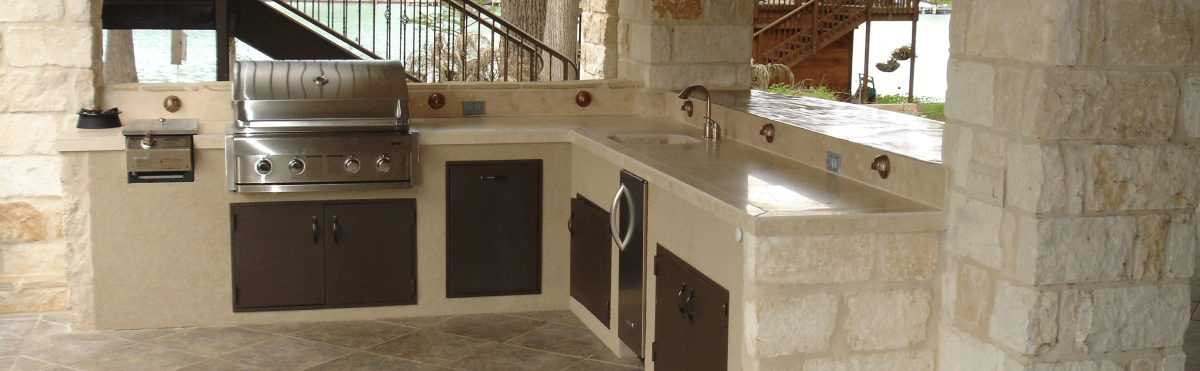
- Outdoor kitchens or at least space to create one
- Room for a large table and extra seating
- Storage spots for dishes and glassware close to the terrace
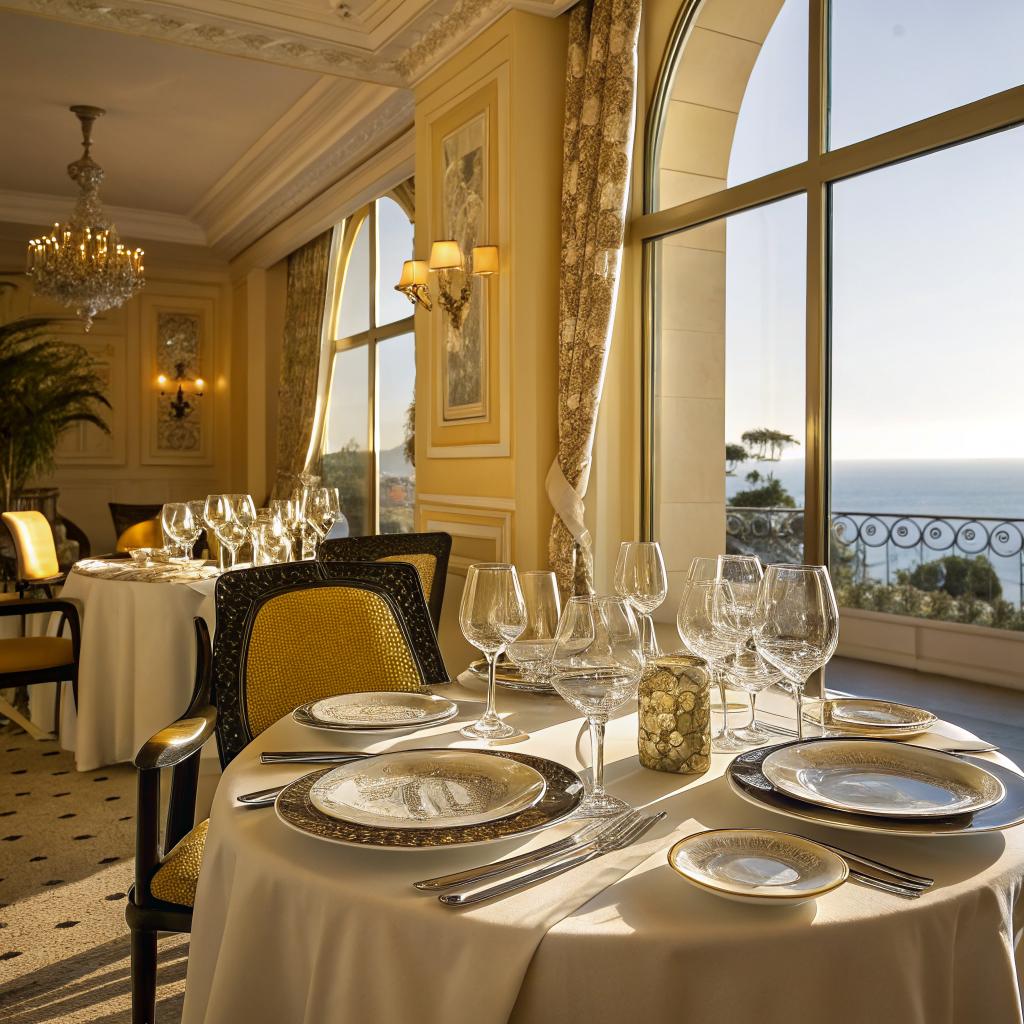
Hosting a dinner on a terrace that looks out over the sea or the port is a strong experience. People remember it more than a meal in many restaurants.
The slight catch is wind and neighbors. High terraces can be windy, which affects open flames, candles, even keeping napkins in place. Neighbors may also not enjoy regular smoke from a grill, so it is smart to check building rules.
If you love to host, a good terrace can turn you into that friend whose dinners people talk about for months.
Villas and townhouses
Monaco has very few detached villas. Most are large, with big price tags. From a food angle, they bring you close to a more “house” way of life:
- Big, often separate kitchens with space for islands
- Private outdoor areas for barbecues and herbs
- Storage rooms for wine, preserves, and larger equipment
This is where you can do things like making your own tomato sauce in big batches, keeping a proper wine room, or hosting a garden party.
The trade off is that you lose some of the dense city feel where you just walk out and pick between ten restaurants. It becomes easier to cook at home than to go out on a whim, which may or may not suit your personality.
How often will you really cook in Monaco?
Many people tell themselves a story when they move to a place full of restaurants. It often sounds like this:
“I will eat in restaurants a few times per week, but I will also cook often with local ingredients.”
Then reality hits. Long working hours. Social pressure to join dinners. The simple pleasure of having someone else do the dishes. Cooking can slowly sink into a weekend hobby.
If you are honest about this before choosing a home, you can make better decisions.
You might ask yourself:
- Do you actually enjoy the process of cooking, or only the eating part?
- Are you comfortable grocery shopping several times a week?
- Do you like hosting people at home, or does it stress you?
- How much time do you spend at home, awake, during the week?
There is no right answer. If you mostly eat out, maybe you do not need a large kitchen. You might prefer a smaller but central apartment near your favorite places. If you cook a lot, you might gladly accept fewer restaurant options on your doorstep in exchange for a better kitchen and quieter evenings.
Practical food related questions to ask about any property
Real estate brochures rarely talk about food. They mention marble, views, and security. You have to bring your own questions.
Here are some that help:
1. Where are the nearest real food shops?
By “real” I mean:
- A supermarket with fresh produce that looks alive, not tired
- A bakery you actually like, not just tolerate
- If possible, a market or at least a good greengrocer
Try walking the route yourself. Carry a bag. Is it uphill? Are there many stairs? It matters more than it sounds when you are carrying a watermelon or three bottles of water.
2. Early mornings and late nights: who makes the noise?
Restaurants and bars can be both a blessing and a curse. Living above a popular terrace sounds fun until you want to go to bed at 11 pm on a Tuesday.
You can:
- Visit the street at different times of day
- Listen for music and loud conversations
- Check closing times of nearby places
If you are a night owl, you may not mind. If you wake easily, you might choose a side street instead of the main square.
3. Ventilation and smells
Old buildings sometimes have weaker ventilation. Cooking fish can then leave a trace in your living room the next day.
Look for:
- A real extractor that vents outside, not just recirculates
- Windows that open easily in the kitchen
- No strong smell from neighbors during your visits
This is one of those details that people ignore at first and then complain about constantly.
4. Eating space
Where will you actually sit and eat? Standing at a bar is fine for one person, but less pleasant if you have guests.
Check if:
- You can place a decent size table without blocking doorways
- The table can sit near natural light
- You have a place to set dishes down when you bring them from the kitchen
Sometimes a slightly smaller living room with better dining space feels better than a large living room without a proper eating area.
Restaurant fans vs home cooks: different real estate choices
Not all food lovers are the same. Some mainly collect restaurant experiences. Others get more joy from mastering recipes at home.
If you are a restaurant collector
You probably care more about:
- Walking distance to a wide range of restaurants
- Public transport or easy taxi access for nights out
- Storage for good clothes and shoes instead of big pots
You might lean toward:
- Monte Carlo for top restaurants and hotel bars
- Central parts of La Condamine for casual spots and cafés
The kitchen can be smaller. You still want decent equipment, but you will not obsess about counter length. A balcony where you can have coffee the next morning might feel more valuable than an extra oven.
If you are a serious home cook
You care more about:
- Market or supermarket access
- Enough kitchen space to cook and bake without frustration
- Possibility to host people at home
Your focus might shift toward:
- La Condamine, for the market and daily rhythms
- Fontvieille, for space and practical shopping
- Some parts of Larvotto, if you value light and air for your cooking days
Here, a larger kitchen and storage might matter more to you than being steps away from a three star restaurant.
Does food affect real estate value in Monaco?
People often talk about views and parking spaces when they speak about value. Food access plays a role too, even if it is not always obvious.
Apartments near the market tend to stay attractive, because daily life is easy. Properties close to popular restaurant zones often draw buyers who like nightlife. But that can also slightly limit your pool of future buyers, because some people will reject noise immediately.
There is also a subtle effect. When a district starts to gain better restaurants, bakeries, and cafés, it often becomes more desirable over time. People want to live where their daily routines feel pleasant, not just where the view is nice.
You should not expect every café to move prices. Still, when you walk around and see lines in front of bakeries in the morning, tables full at lunch, and people strolling with ice creams instead of empty streets, it says something about how life feels there.
How to test a neighborhood through food before you commit
If you are thinking of living in Monaco, or moving within it, you can use food as a simple testing tool.
Here is one way:
- Pick the district you are curious about.
- Spend a full day there, from morning to night.
- Have breakfast, lunch, and dinner in three different places.
- Do a small grocery shop and walk the route as if you were going home.
- Notice how comfortable you feel walking after dark.
Pay attention to:
- How many people seem like residents, not visitors
- Whether you see the same faces more than once
- If you can imagine doing this every day without getting bored or tired
I tried this once in La Condamine and Monte Carlo on two different days. By the evening in La Condamine, I knew the barista already recognized me. In Monte Carlo, I felt slightly more like a guest in a hotel lobby, even though the food was excellent. That is not a complaint, just a difference.
You might feel the reverse. That is why testing matters more than reading descriptions.
Hosting at home vs going out: finding your mix
One of the pleasures of living in a place like Monaco is that you can balance home cooking with world class restaurants in a single week. For example:
- Monday: simple pasta at home with good tomatoes from the market
- Wednesday: dinner at a one star place in Monte Carlo
- Friday: friends over for shellfish and wine on your terrace
- Sunday: late brunch on the beach followed by a nap
The kind of home you choose affects how easy this mix feels.
If your kitchen is cramped, you will avoid inviting friends. If your area has poor restaurant choice, you will end up cooking even when tired. Neither situation is ideal if you love both sides of the food world.
Maybe you want to be 70 percent home cook, 30 percent restaurant visitor, or the opposite. Your property choice can quietly push those percentages around. It makes sense to decide what you actually want before you sign anything.
Common mistakes food lovers make when choosing a home in Monaco
A few patterns repeat often.
Falling only for the view
A sea view is powerful. It is also useless at 7 pm when you are hungry and realize there is no decent grocery store nearby and your fridge is empty.
Try not to ignore:
- Where you will buy bread
- How far you are from at least one reliable restaurant for lazy nights
- Whether you can host anyone without balancing plates on your knees
Underestimating restaurant fatigue
Eating out often is fun. But restaurant meals are also richer, saltier, and more demanding on your attention. After a while, some people crave a plain bowl of soup at home.
If your kitchen barely works, that simple pleasure becomes a problem. So even if you plan to eat out four nights a week, give yourself the option to cook something real on the other three.
Ignoring storage
Food lovers accumulate things. Spices, oils, jars, baking trays, equipment. Monaco apartments often have limited storage.
When visiting properties, notice:
- Pantry or cabinet space that you can actually reach
- Room for a wine rack or fridge, if that matters to you
- Places to store bulk buys like water or olive oil
It is frustrating to live in a luxury building and keep your extra olive oil on the floor behind the sofa.
What if you are both a chef at heart and a restaurant addict?
Many people are, to be honest. They want to cook on quiet nights and reserve tables on busy ones. That mix is possible in Monaco if you pick carefully.
A few ideas:
- Look in La Condamine for homes close to the market but within a comfortable walk of Monte Carlo. You get both worlds in 15 minutes on foot.
- Prioritize a functional kitchen over a second guest bathroom. Guests forgive bathroom queues more than bad dinners.
- Make sure your building is calm enough that hosting dinners will not cause neighbor drama every weekend.
You will not find a perfect balance. But you can get close enough that food supports your life, instead of creating daily friction.
Q & A: Is Monaco actually good for everyday food, not just special occasion dining?
Question: I always think of Monaco as a place for luxury dining and special occasions. Is it actually a good place for normal, everyday food and cooking?
Answer: Yes, more than its image suggests, but the experience depends a lot on where you live and what you expect. If you picture only tasting menus and hotel bars, you miss the markets, the small bakeries, the simple Italian places where people eat on their lunch break, and the regular supermarkets that serve residents, not tourists. In La Condamine or Fontvieille, daily cooking feels natural: you can buy fresh produce often, you have access to solid ingredients, and you can reach stores on foot. In Monte Carlo or Larvotto, your everyday life leans more toward eating out, cafés, and beach places, and you may shop a bit less frequently. Cooking at home is still possible, but you need to choose an apartment with a decent kitchen and think through your routes. If you are willing to match your neighborhood and your home to how you honestly eat, Monaco can support both serious food lovers and relaxed, practical cooks quite well.