
If you love cooking with local ingredients on Oahu, the short answer is yes, you can bring that same feeling into your yard. You can plan your space so it feels a bit like your favorite plate lunch spot, farmers market, or backyard luau, and still have room for herbs, fruit trees, and a grill. Good Oahu landscaping ties together how you cook, how you eat, and how you move through your outdoor space.
Once you start looking at your yard through a food lens, it is hard to stop. You see a corner that could hold a lime tree. You imagine a small taro patch next to a bench. You think about where the smoke from the grill will go. It is not about turning your home into a resort. It is more about asking simple questions like: what do I actually cook, and how can my yard support that every week, not only on special occasions.
Turning your yard into an outdoor kitchen zone
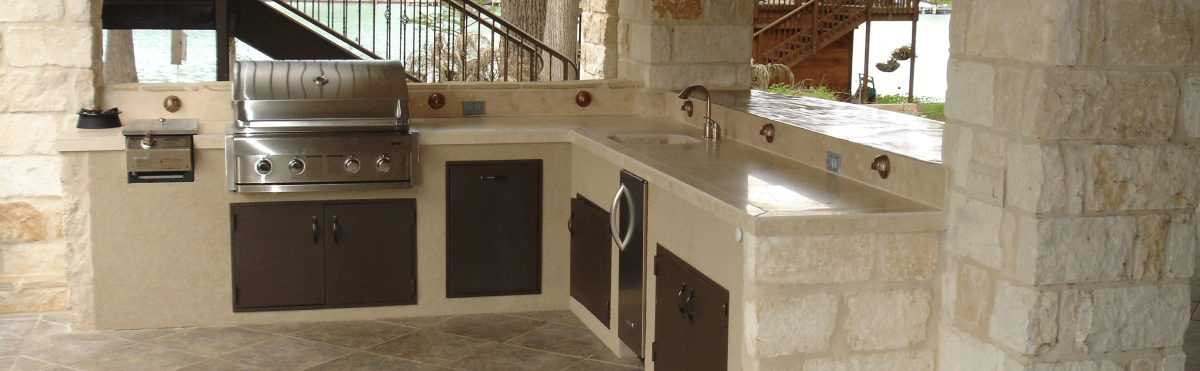
Many people start with plants and forget about how they actually cook. I think the better starting point is your favorite meals. From there, you can work backward and decide where prep, cooking, and eating will happen outside.
Plan your “work triangle” for cooking outside
Indoor kitchens often use a triangle between the stove, sink, and fridge. Outside, you can use a loose version of that idea, but keep it simple. Think in terms of three spots you move between the most:
- Prep area with a small counter or table
- Cooking area with grill, smoker, or portable burner
- Serving and eating area
Ask yourself a few questions:
- Where does the wind usually blow in the afternoon when you grill or pan fry?
- Do you want to face the sunset while you cook, or the yard, or your guests?
- Is there enough shade where people actually want to sit and eat?
Think about how your feet move between prep, grill, and table. If it feels awkward to walk that path now, it will feel worse when you are carrying a tray of hot food.
Most cooks like a short, clear path from kitchen door to grill. Pavers or compacted gravel work well. You do not need a perfect patio, but you do need a surface that does not get muddy, and that stays firm when you set down a cutting board.
Simple surfaces that like spills and smoke
If you cook with marinades, oils, or sauces, you know spills will happen outside. Some surfaces handle this better than others.
| Surface | Good for outdoor cooking? | Notes for Oahu yards |
|---|---|---|
| Concrete pad | Yes | Easy to clean, stable for grills, can stain from shoyu or oil if not sealed |
| Pavers | Yes | Looks nice, good drainage, watch for weeds in joints and grease near grill |
| Gravel | Somewhat | Good drainage, but small stones can shift, hard for chairs and dropped utensils |
| Wood decking | Risky | Grease and charcoal can damage boards, needs regular care in humid air |
| Grass only | No | Uneven, muddy in rain, not safe under hot grills or smokers |
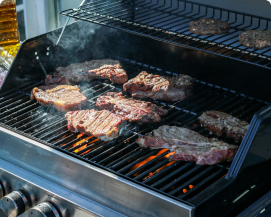
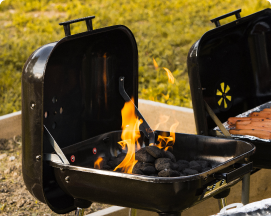
This might sound obvious, but many yards still place the grill on patchy grass. If you like to grill teriyaki chicken, kalbi, or fish often, a small, solid pad can change how often you cook outside.
Herb beds that match your favorite island recipes
Oahu cooking pulls from so many food traditions. Japanese, Filipino, Hawaiian, Korean, Chinese, Portuguese, and more. Instead of one random herb box by the window, you can group plants around the flavors you use most.
Think of each herb group as a small “flavor station” that supports a set of dishes you already cook, not dishes you think you should cook.
Plate lunch herb corner
If your week often includes shoyu chicken, garlic shrimp, or simple fried rice, you can keep a small corner focused on those flavors.
| Herb or plant | Use in cooking | Growing note for Oahu |
|---|---|---|
| Green onions | Garnish for saimin, fried rice, soups | Likes sun, steady moisture, regrows after cutting |
| Garlic chives | Dumplings, stir fry, toppings | Tolerates heat, spreads slowly over time |
| Flat leaf parsley | Salads, marinades, chimichurri style sauces | Prefers some afternoon shade inland |
| Thai basil | Thai curries, stir fry, noodle dishes | Thrives in warmth, may need pruning to stay bushy |
You can place this herb corner near your kitchen door. No fancy raised beds needed. A sunny strip with decent soil and drip watering is enough. I have seen people overcomplicate herb beds and then not use half the plants. If you only plant three herbs you reach for all week, that is already a win.
Island fusion grilling herbs
If you like to mix island flavors with other styles, your grilling station can reflect that. Think of herbs you would toss on steak, fish, or vegetables just before they come off the grill.
- Rosemary for simple roasted potatoes or grilled chicken
- Oregano and thyme for marinades with olive oil and garlic
- Lemongrass for skewers, teas, or broths
- Mint for salads, fresh rolls, and drinks
These herbs can sit close to the cooking area, but not too close to heavy smoke. Smoke can coat leaves and make them less pleasant to eat raw. A small raised bed or big containers work well. You can even group herbs by water needs. Rosemary and thyme like drier soil than mint, which spreads fast in wet conditions.
Fruit trees guided by what you actually eat
Oahu yards often have at least one fruit tree. But many yards end up with three avocado trees and one person who only eats avocado twice a month. For a food focused yard, it makes more sense to pick trees that truly match your habits.
Choose by recipes, not by what looks nice at the nursery
Think about your last month of cooking. Which fruits did you buy the most?
- Limes for marinades, dipping sauces, and drinks
- Calamansi for Filipino style dipping sauces
- Meyer lemon for desserts and roasted dishes
- Papaya for breakfast and green papaya salad
- Bananas for smoothies and baking
If a fruit only shows up in your kitchen once or twice a year, it probably does not deserve the center of your yard, no matter how pretty the tree looks.
This is where some people do go wrong. They plant a mango tree in a tiny yard, then spend years sweeping sticky fruit and fighting mildew. For smaller spaces, dwarf or semi-dwarf trees make more sense. You still get plenty of fruit, and the tree stays at a more manageable size for pruning and harvest.
Practical fruit tree layout for cooking
Here is one possible setup for a medium size Oahu yard that supports cooking well:
| Tree | Placement idea | Kitchen use |
|---|---|---|
| Dwarf lime | Near grill area, in a sunny corner | Quick access for marinades, cocktails, dipping sauces |
| Banana clump | Along fence line | Fruit for smoothies, leaves for steaming or covering dishes |
| Papaya | In a warmer, protected spot | Breakfast fruit, green papaya salad, pickles |
| Dwarf avocado | Back corner with good sun | Guacamole, poke toppings, salads |
Notice there is no huge mango trying to cover the whole yard. That might sound a bit strict. If you love mango, then of course you plant one. But if you sort of like mango and really love limes and papaya, then give the space to the fruit you will actually reach for every week.
Taro, ulu, and other traditional plants in a modern yard
For people interested in cooking in a more rooted way, it can feel right to bring in kalo (taro), ulu (breadfruit), or ti. The risk is treating these plants like decorations instead of food. If you are going to grow them, it helps to have at least one dish in mind for each.
Taro as food and as design feature
Taro likes wet or at least very moist soil. Not every Oahu yard can hold a loʻi style patch. You might be inland with quick draining soil or on a slope. Still, you can grow taro in wetter swales or in lined beds.
You can also mix taro varieties. Some people plant a row of ornamental types with colorful stems along a path, then keep the edible corm types in a more practical bed. The important thing is to know which ones you are actually going to harvest and cook.
Taro leaves can be used in luau stew or laulau. The corms can be steamed and pounded into paiai or poi. But both take time and practice. If you are not ready for that, you might start small. Plant just a few, learn how to harvest and prepare them safely, then expand if it fits your cooking style.
Ulu and shade for people, not only for looks
Breadfruit trees are generous. They give shade, fruit, and a strong presence in the yard. The tradeoff is their size and the amount of pruning they need in small yards. This is where I sometimes disagree with the trend of planting ulu in every tiny lot. If the tree will crowd your neighbor, tangle with power lines, or block all light to your home, it may not be the right match.
If you do have enough room, you can place ulu to shade a sitting or prep area. Its broad leaves create a cooler microclimate. The fruit supports a range of dishes, from baked ulu with garlic to fried ulu chips. Some people use it like potato in stews. For a cooking focused yard, this kind of flexibility matters.
Ti and other supportive plants
Ti leaves show up under poke, around kalua pig, and as ties for bundles. Having a few ti clumps near your eating or prep area makes those little touches easier. You can grab a fresh leaf to line a serving platter or wrap a modest bundle of fish for the grill.
Other supporting plants include banana for leaves, turmeric and ginger for their roots, and pandan for flavoring rice or desserts. These do not have to be perfect rows. They can tuck into gaps along fences or property lines.
Shaping spaces for eating, not just looking
A lot of yard design focuses on curb appeal. For a cooking and restaurant focused audience, the main question is different. You want to ask where people will sit, eat, and talk while food is cooking.
Small gathering zones, like restaurant sections
Think of your yard like a small restaurant with a few different seating areas instead of one big lawn. You might have:
- A main table under a tree or canopy for full meals
- A bench or low wall near the grill for casual conversation
- A tiny bistro table in a quieter corner for morning coffee
Each zone can relate to certain plants. The coffee corner might have a few potted herbs and a view of fruit trees. The main table might sit near fragrant plants like pikake or puakenikeni, which create a gentle scent during dinner. But be careful not to place very strong smelling plants too close to where people eat, especially if they attract lots of insects.
The best outdoor eating spots feel comfortable before the food arrives. Shade, air movement, and a sense of shelter matter more than decorations.
If you have ever eaten at a restaurant patio where the chairs wobble, the sun hits your eyes, and there is no breeze, you know the feeling. Your own yard can avoid that with small choices: angle of table, height of hedges, location of a shade sail.
Shade that respects your cooking style
On Oahu, shade can be the difference between using your yard often and avoiding it. But not all shade works well for a cook who spends time near open flames and hot surfaces.
- Trees give living shade and can cool the air, but they drop leaves and sometimes fruit.
- Pergolas and simple roof extensions give structure and space to hang lights.
- Shade sails block sun but can trap smoke if placed directly over a grill.
If your grill area gets afternoon sun, you might place a taller tree at an angle where it blocks that slant of light while still letting smoke rise freely. Or you might put a pergola over the dining table and leave the cooking zone more open, with a portable umbrella for hotter days.
Walkways that feel like moving through a market
A good meal often starts at the market. You walk, you look, you choose ingredients. Your yard can borrow some of that feeling, even if in a small way. Paths can guide you past herbs, fruit trees, and seating spots without feeling stiff.
Casual paths between “food stations”
You might have:
- A short, direct path from kitchen door to grill
- A looser, winding path that passes by herb beds, fruit trees, and a sitting area
- Stepping stones leading to a small fire pit or quiet corner
The surfaces do not all have to match. Concrete near the house for stability, pavers moving out into the yard, and stepping stones further into more planted zones can feel natural. A bit uneven, but in a way that invites slower walking.
If you grow ingredients, place them where you actually walk. Many people plant herbs against a back fence where they never go. Tucking food plants along everyday routes makes it more likely you will snip a sprig of thyme or pick a lime without thinking much about it.
Lighting that flatters both food and plants
If you like late dinners or drinks outside, lighting will shape how your yard feels. It can turn a basic grill corner into something closer to the energy of a small restaurant terrace.
Layers of light for cooking and eating
You can think about light in three layers:
- Task light near grill or prep surfaces so you can see food clearly
- Ambient light around seating for a soft, even glow
- Accent light on plants or trees for depth
Bright, cold light above the grill is useful but can look harsh. Warm temperature lighting around the eating area helps food look appealing. Slightly dimmer light on surrounding plants keeps the yard from fading into blackness. Too much light everywhere can feel like a parking lot. A bit of darkness between lit spots can be more calming.
If you hang string lights, try not to run them so low that tall guests have to duck. And avoid placing them where grease from cooking can collect on bulbs or cords.
Water, humidity, and how they affect your food plants
Oahu has different microclimates. Windward, leeward, mauka, makai. Humidity, rainfall, and sun exposure vary quite a lot. Your favorite restaurant might be in one zone and your home in another. That affects what grows well without constant struggle.
Simple watering habits for cooks, not gardeners
If your main interest is cooking, not gardening as a hobby, you probably do not want a yard that needs daily hand watering. A basic drip system on a timer can support herbs and fruit trees. Raised beds for vegetables can be grouped into one watering zone so your greens and herbs get consistent moisture.
You can also plan for some drought tolerant plants near hotter surfaces, like near the driveway or reflected heat from walls. These might not be edible, but they reduce maintenance and let you put your time into the food plants that matter more.
Mulch and soil around edible plants
Mulch helps keep moisture in the soil and moderates temperature. Around fruit trees and herbs, a few inches of organic mulch can mean the difference between daily wilt and steady growth. Just keep mulch a small distance away from the trunk to avoid constant moisture on bark.
If you are growing root crops like sweet potato or turmeric, soil that drains but still holds moisture works best. Heavy clay can be improved over time with compost, but raised beds might save you frustration if your native soil is very compacted.
Borrowing ideas from restaurants on Oahu
If you eat out often, your favorite places already offer a lot of ideas for your yard. You do not need to copy them exactly. You can notice small things.
How local spots use plants and space
Next time you visit a restaurant with outdoor seating, look at:
- Where they place potted herbs or small citrus trees
- How far tables sit from cooking or bar areas
- What kind of shade structures they use
- How they light the space at different times of day
Some restaurants use simple planter boxes along railings to define space and soften hard edges. You can do the same along a fence or deck. Others use tall potted plants to create privacy without a solid wall. This can work when you want some separation from neighbors but still want airflow.
Watch how people move through the space. Do servers constantly bump into chairs in one tight corner? That same kind of bottleneck can happen in a backyard when you pack in furniture or plant beds too close to main paths.
A few sample yard “menus” based on cooking styles
Every person cooks differently. You might spend your weekends trying new recipes or repeat the same three family dishes. Your yard can reflect that. Here are three rough yard outlines matched to different cooking habits.
The grill heavy, plate lunch style yard
For someone who grills meat and seafood several times a week and likes simple sides:
- Solid grill pad close to kitchen door
- Lime and calamansi trees within 10 to 15 steps of grill
- Herb strip with green onions, garlic chives, and Thai basil near the house
- One large communal table under shade near but not next to grill smoke path
- Short hedge or trellis to block wind on strongest trade wind side
The garden to table experimenter yard
For the cook who likes to try different recipes and use lots of vegetables and herbs:
- Two or three raised beds for seasonal vegetables and herbs
- Mixed herb zones for Asian, Mediterranean, and local flavors
- Compost area tucked into a back corner, but still reachable
- A smaller grill or portable burner and a larger prep counter outside
- Shaded tasting area with a small table near the beds
The calm, dessert and coffee focused yard
For someone who cooks meals inside but likes to enjoy sweets, fruit, and coffee outdoors:
- Comfortable seating area with partial shade and soft lighting
- Papaya, dwarf citrus, and banana for fruit and leaves
- Fragrant plants like gardenia at a slight distance from seating
- Simple path from kitchen to outdoor coffee table
- One small raised bed with herbs used for drinks and desserts, like mint and lemongrass
Finding your balance between looks and food
You might notice a bit of tension in all of this. Some yards focus mostly on appearance. Some food gardens look wild and a bit messy. Realistically, most people want something in between. A yard that guests enjoy sitting in, but that also gives real ingredients for daily cooking.
If you push only for beauty, you might end up with big flowering shrubs that give you nothing for the kitchen. If you push only for production, your yard can start to feel like a farm that never rests. That might be fine for some, but many home cooks want a place to relax too.
The nice thing is you do not have to decide everything at once. You can start with one corner: maybe a lime tree and an herb bed near the grill. Live with that for a season. See what you use, what you ignore, what annoys you. Then plant the next zone. Big, sudden yard overhauls often miss how you actually live and cook.
Common mistakes when planning a food focused Oahu yard
People who love cooking often jump into planting with enthusiasm. That is good, but it can lead to avoidable problems.
Planting too much, too fast
This is probably the most common error. It is tempting to fill every open space with edibles. Then everything grows at once, and you realize you do not have time to harvest, prune, or cook it all. Starting with a few trees and one or two herb areas lets you learn your yard first.
Ignoring wind and salt
Near the coast, salt spray and strong wind can punish tender plants. Some herbs and fruit trees handle this better than others. If your favorite restaurant is inland and calm, but your home is exposed and salty, you cannot just copy their plant list. You might need windbreaks or salt tolerant species in exposed spots, with more sensitive plants tucked behind them.
Putting pretty, non-edible plants in prime cooking zones
It sounds harsh, but if the best light in your yard is taken up by purely ornamental shrubs, your fruit trees and herbs force into weaker spots. If your main interest is cooking, try to keep the sunniest, easiest to reach areas for plants you can eat. You can always weave in flowers and ornamentals around and behind them.
Simple way to start this month
If all this feels like a lot, you do not need a grand plan. You can start with one or two actions that tie your cooking directly to your yard.
- Pick one fruit you use weekly and plant a dwarf tree for it.
- Choose three herbs you rely on and build a small, practical bed near the kitchen door.
- Make a clear, safe path from kitchen to grill, even if it is just a handful of stepping stones for now.
- Set up one comfortable seating spot with some shade where you would actually like to eat.
Use your favorite dishes like a checklist. If you cook garlic shrimp, teriyaki, or poke at home, ask which parts of those dishes could come from right outside your door with a bit of planning.
Questions you might still have
Is a small yard on Oahu even worth planting for food?
Yes, if you focus on what you cook most. A single lime tree, a handful of herb plants, and one papaya can already change your weekly meals. You do not need a farm to feel a closer link between your yard and your kitchen.
What if I am not a skilled gardener?
Then keep it simple and be honest about your time. Start with hardy plants that forgive mistakes, like green onions, rosemary, and bananas. As you gain small successes, you can add more sensitive or demanding plants. Trying to manage a complex vegetable plot on day one is more likely to burn you out than feed you.
How do I mix a clean entertaining space with messy food plants?
You separate functions a bit. Keep fruit trees that drop sticky fruit away from main seating and walkways. Use pots or neat raised beds for herbs near patios. Let the messier, soil heavy work happen in a defined corner, not right next to your dining table. Restaurants do a version of this all the time, with kitchen gardens tucked slightly away, but still close enough to feel connected.