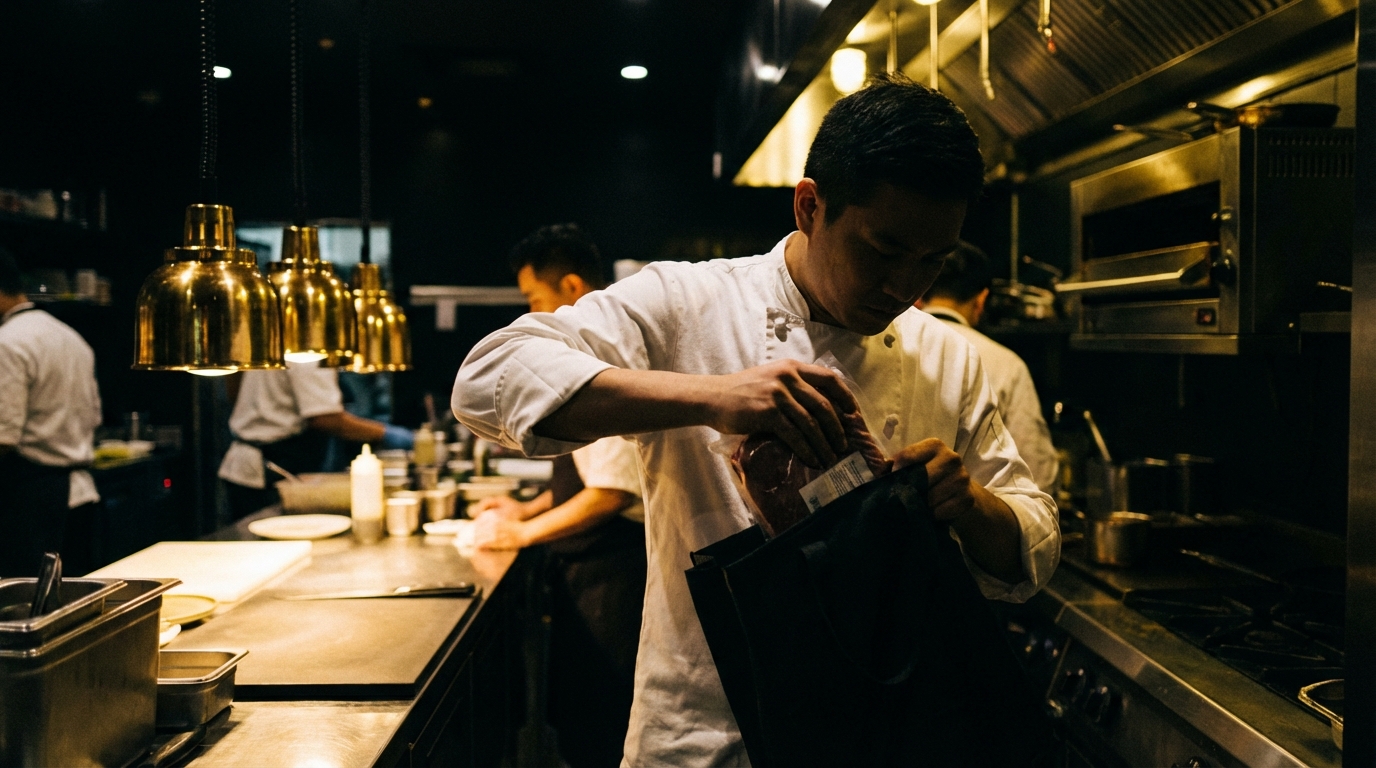
Employee theft in a restaurant kitchen usually shows up first as small, regular losses that do not match your food cost, portions, or sales. It might be missing stock, cash that does not line up with tickets, or staff taking food home without paying. In practice, spotting it means tracking numbers, watching behavior, and having clear rules about what is allowed, then checking calmly when something feels off. If you want outside help, a firm that investigates employee theft can dig deeper, but you can catch a lot on your own just by tightening daily habits.
If you work in food, you already know that kitchens run on tight margins. A box of steaks that “shrinks” over a week, a case of wine that always seems short, a prep cook who stays late in the walk-in, a line cook who is strangely touchy when you count tickets. None of that looks huge by itself.
Put together, it can drain the profit from a pretty good service.
Why theft in the kitchen is so hard to see
The kitchen is busy, hot, and full of movement. People carry boxes, trays, and bags all the time. Food gets thrown away, re-fired, comped for unhappy guests. Mistakes are normal. That makes a perfect cover for theft.
There are a few reasons it hides so well:
- Food is perishable. You expect some waste, so you do not question it every time.
- Many people handle stock. One person orders, another receives, several prep, more cook and plate.
- Kitchen staff often stay late or arrive early with less direct supervision.
- There is a culture of “hooking up” coworkers or family with free food.
None of these are bad on their own. I have seen owners swing too hard and treat every missing tomato like a crime, which kills trust and usually does not fix the real problem. The trick is to see patterns, not chase every single slip.
The goal is not to catch people all day. The goal is to make theft hard, boring, and risky enough that most people never start.
Common forms of theft in restaurant kitchens
Theft is not always someone stuffing steaks in a backpack. A lot of the loss in kitchens is quiet and slow. If you cook or run a place, you have probably seen at least one of these, even if you did not call it theft at the time.
1. Taking raw ingredients or prepared food
This is what most people think of first. Boxes or portions simply go out the back door.
Examples:
- Cook taking steaks, shrimp, or premium cuts home at the end of the night.
- Prep cook making extra trays of lasagna or desserts, then walking one out “for family”.
- Dishwasher leaving with a large bag of produce or frozen items.
Some owners allow staff meals or discounted food, which is normal and helpful. The line between a staff meal and theft is when it is not tracked, not paid for, and not controlled. That is where things slide.
2. Over-portioning, “special plates,” and false waste
This one feels softer, and some staff do not even think of it as theft. But it hits your food cost just as hard.
- Consistently plating extra protein for friends or “regulars”.
- Pouring heavy drinks for buddies in the kitchen bar pass.
- Calling food “waste” on the log, but then eating it or taking it home.
I once worked with a chef who quietly tracked one server’s “re-fires” for two weeks. Turned out almost all the “remakes” were going to her friends who “didn’t like” the first plate. That is not a cooking problem. That is theft through the ticket printer.
3. Fake comps, voids, and modified tickets
This happens more on the service side, but the kitchen is usually involved because the ticket flows through the line. Dishonest staff may:
- Ring in lower priced items, then serve higher priced plates.
- Void a ticket after the guest pays cash, then keep the cash.
- Print “no charge” or “promo” items for friends without permission.
If the kitchen treats every “no charge” item as normal, it becomes part of the system. Over time, a few people might quietly abuse that habit.
4. Stealing tools, small equipment, and supplies
Food is not the only thing people take. Knives, pans, cutting boards, microplanes, even rolls of film wrap and cleaning chemicals disappear.
This kind of theft often comes from the idea that “the restaurant will not miss it” or “I worked hard here, so I deserve this.” It can still add up to a lot of money, and it can slow your kitchen when key tools vanish.
5. Time theft
This one is a bit tricky. People clocking in early, stretching breaks, or clocking out late on purpose. Or having a friend punch in for them when they are not really there.
Time theft is not as visible as food leaving the walk-in, but with hourly wages and overtime, it can cost just as much over a month.
Red flags that suggest something is wrong
You cannot watch every person every second. You also should not try. What you can do is watch for signs that the numbers and behavior do not match your normal kitchen pattern.
Number patterns that should make you pause
If you like structure, this part might suit you. A few basic trends often show something off:
| Sign | What you notice | What it might mean |
|---|---|---|
| Rising food cost % | Same menu, same prices, but food cost climbs over several weeks | Over-portioning, waste, or theft of raw goods |
| High voids/complimentary items | More voided or free tickets at certain times or under certain staff | Fraud on the POS, fake comps for friends |
| Inventory gaps | Big difference between stock on paper and stock on shelves | Unrecorded waste, sloppy counts, or stolen stock |
| Unusual waste logs | Many “burnt” or “dropped” high value items from one station | Staff hiding stolen product under fake waste |
| Odd overtime patterns | Same names always near overtime or with strange clock times | Time theft or poor scheduling, sometimes both |
The key is consistency. One strange night does not mean theft. Three months of slow drift probably deserves a closer look.
Watch trends, not single days. Thieves count on you being too tired after service to look back over the week.
Behavior signs among staff
This part is more personal and, to be honest, can feel uncomfortable. You do not want to suspect everyone. At the same time, some behaviors keep showing up in kitchens where theft is happening.
Watch for people who:
- Refuse help with receiving deliveries or stock counts.
- Get defensive when you ask simple questions about inventory.
- Insist on closing the kitchen alone or managing the key to the walk-in.
- Spend too much time around the POS or cash drawer for “no reason”.
- Suddenly talk a lot about money problems, then seem fine overnight.
None of these prove anything by themselves. I have seen cooks who guarded the walk-in because they were proud of their prep, not because they were hiding steaks in their bag. Still, if you notice two or three of these signs from the same person along with strange numbers, you should pay attention.
Where theft usually happens in the flow of the kitchen
It helps to think through the path of ingredients, from delivery to plate. At each step, there is a small opening for theft or fraud. You close gaps by putting light rules and checks at the most risky points.
Receiving and storage
This is the first gate. Problems here can mean you are losing money before the food even enters your kitchen on paper.
Risks:
- Delivery driver and staff member agree to “short” the order so they can split the missing items.
- Staff sign for more cases than actually arrive, then take the non-existent extras out later.
- Wrong or fake invoices that no one checks carefully.
Simple habits that help:
- Two people check deliveries: one signs, the other counts.
- Mark boxes as received with date and initials.
- Store high value items on shelves that are visible on camera or from the line.
Prep and production
During prep, bulk product turns into portions. This is a key moment, because portions are easier to hide or miscount than giant boxes.
Risks:
- Extra portions prepped and quietly taken home.
- “Family meal” made from high cost items on a regular basis.
- Recipe yields that never match what is on the spec sheet.
Here, a little math helps. If your recipe says a hotel pan of lasagna gives 16 portions, but your staff always “somehow” gets 12, where did the four extra go? Maybe they made portions too large. Maybe they put aside extra plates for friends. Both hit your bottom line.
Service period
During service, everyone is moving quickly. This is where over-portioning, freebies, and ticket games happen.
Risks:
- Cooks adding extra food to plates for friends of the staff.
- Staff grabbing sides or desserts without ringing them through.
- Servers asking for “off the menu” plates that never hit the POS.
A small practical step is to do plate checks at random. Taste for seasoning, yes, but also look at portion sizes. Are they close to your standard plate?
Close and end of night
This is the quiet window. The restaurant empties, and the few people left have a lot of access and not much direct oversight.
Risks:
- Staff packing food “for waste” without any record.
- Extra bags or boxes leaving by the back door.
- Cleaning crew wandering into storage areas.
It sounds a bit stiff, but simple closing checklists and one final walk-through by a manager can cut a lot of this out.
Practical steps to reduce theft without poisoning the culture
This is where many owners overreact. They jump from relaxed to locking everything and treating staff like suspects. That kills morale fast. You need structure, but not paranoia.
Set clear, boring rules about food and discounts
If staff do not know what is allowed, they will guess. They might guess wrong in a way that costs you money, then get defensive when you call it theft. And you can sort of see their point.
The clearer your rules about staff food and discounts, the less “gray area” people can hide in.
Write down, in plain language:
- Who gets a free meal, and on what days or shifts.
- Which items are not allowed for staff meals, such as prime cuts or top shelf liquor.
- What discount staff can get for family and friends, and how it must be rung through.
- What happens to leftovers and “waste” at the end of the night.
Share those rules during onboarding. Post them in the staff area. Mention them again in meetings. It might feel repetitive, but kitchens forget fast when it gets busy.
Track key items more closely than everything else
You do not need to weigh every carrot. Focus your energy on the products that hurt the most when they go missing.
Usually that is:
- Steak, seafood, and premium meats
- Expensive cheeses and charcuterie
- High end alcohol and wine
- Specialty oils, truffles, or rare ingredients
For those, create simple routines:
- Count them at least twice a week, same time of day.
- Store them in a locked area or in a part of the walk-in that is easy to see on camera.
- Log any waste with a short reason and staff initials.
It sounds like extra work, and yes, it is a bit. But after a while, it becomes part of the rhythm. The staff who are honest will not mind. The ones who were picking at your scallops might look less thrilled.
Use your POS system properly
A lot of restaurant owners pay for a POS, then use maybe a quarter of what it can do. You do not need anything fancy here, but you should know how to:
- Run a report of voids, comps, and discounts by staff member.
- Limit who can apply manual discounts or 100 percent comps.
- Require manager codes for high risk actions like deleting tickets.
- See hourly sales against labor for each shift.
Check those reports regularly. Weekly is fine. If one person uses far more discounts than everyone else, ask why. There might be a good reason, or not.
Use cameras with care and honesty
Cameras in storage or over the back door can help. They act as both a deterrent and a way to confirm suspicions. But you should be open with staff about where they are. Hiding cameras often backfires and makes people feel watched in a bad way once they find out.
Basic camera spots that often help:
- Back door and staff entrance.
- Dry storage and walk-in doors.
- POS stations and cash drawers.
You do not need to cover every inch of the kitchen. Just the main points where product enters or leaves.
Rotate responsibilities and avoid solo control
When a single person fully controls a process without checks, theft gets easier. You can fix that with small rotations.
- Have different people help with inventory counts each month.
- Rotate who receives deliveries, or always pair them with someone.
- Change who has keys or codes to storage from time to time.
It is not about distrust. It is like how in a bar, you do not let one person close and count all the cash alone every night forever. The same logic applies to your food and stock.
How to investigate when you suspect theft
This is the part most people dread. It is stressful, and you might feel guilty. You also might feel angry. Both are normal. Try to stay calm anyway, or at least quiet.
Reacting fast feels satisfying. Being methodical protects you from blaming the wrong person and from legal trouble later.
Start with the numbers, not accusations
If you think there is theft, begin by gathering facts.
- Pull inventory records, waste logs, and POS reports for the period that worries you.
- Note any big gaps, strange patterns, or repeated names on voids and waste.
- Check camera footage only for the specific times connected to those gaps.
Make notes. Dates, times, items, and who was on shift. You do not have to write a formal report, but you want a clear picture in your own head before you talk to anyone.
Ask quiet questions before direct claims
Once you have some data, talk to people. But avoid starting with “I think you are stealing from me.” That just shuts people down.
You can say things like:
- “Our beef tenderloin numbers are off for the past two weeks. You were on prep those days. Can you walk me through your process?”
- “I am seeing more comps on your tickets than others. What is going on with your tables?”
Watch how they respond, not just what they say. Someone who is honest might be confused or even a bit insulted, but they will usually try to help you understand their workflow. Someone who is hiding something might jump straight to anger, change their story, or blame others without any detail.
Decide on consequences before you confront clearly
If you do reach the point where you are sure theft happened, you need to decide what you are going to do before you have the hard talk. Firing on the spot is not always the best move. Sometimes it is. It depends on the size of the theft, the proof you have, and local laws.
I think it helps to have levels already in mind, such as:
- Warning and training for minor issues caused by confusion, not malice.
- Written warning or suspension for first confirmed theft of small value.
- Termination and possible legal action for repeated or large theft.
Also, avoid public scenes. Call the person into an office or quiet corner with a witness present, like another manager. Say what you know, not rumors. Then listen. You might learn something useful about gaps in your own system, even if their behavior is not excusable.
Balancing trust with control
Here is the part that is a bit messy. You cannot run a good restaurant if everyone feels like a suspect. At the same time, pretending theft never happens is not realistic.
You might even feel two things at once. Proud of your team. Concerned about rising food cost. Those emotions can clash. That is normal.
The balance usually comes down to three ideas.
Hire and train with honesty in mind
You cannot see inside a person’s head, but you can screen a bit for behavior and values.
- Call past employers and ask simple, direct questions about reliability.
- During interviews, talk openly about your policies on staff food and theft.
- Watch how candidates talk about past jobs. Constant blame of old bosses is a small warning sign.
Then, during training, show new staff how you track stock and food cost. Not as a lecture, more like: “Here is how we keep the kitchen running. This is why portions matter. This is why we log waste.” When they understand the numbers, they are more likely to respect them.
Reward honesty when it costs you a bit
This part is hard. Someone admits they messed up and wasted a lot of product. Or they tell you about a coworker who is stealing. You might feel upset at the immediate loss, but that honesty has real value.
If you punish every mistake as if it were theft, people will hide problems. Then you only see the damage after it grows. Try to draw a line in your mind between honest mistakes and deliberate theft. They are different.
Be present in the kitchen without hovering
If you are an owner or manager, your presence matters. Not as a warden, just as a person who cares about both the food and the business.
- Work a prep shift sometimes and count stock with the team.
- Eat staff meal with them and listen to small complaints. Some of them point to weak spots in your systems.
- Walk through storage at random times, in a relaxed way.
When people see you engaged and paying attention, it sends a quiet signal: “What happens here matters.” That alone stops some theft before it starts.
Questions owners and chefs often ask about kitchen theft
Q: How do I tell the difference between normal waste and theft?
A: Normal waste has patterns that match the work. You expect more waste when training new staff, changing a menu, or during very busy services. It also spreads across items. Theft tends to focus on high value items and shows up as sudden, repeated gaps in the same places, often tied to certain shifts or people. Comparing actual yields to your recipes is a good test. If you should get 20 portions from a roast and you always only get 14 on one shift, that is not normal waste.
Q: Cameras and strict rules feel harsh. Will they hurt my kitchen culture?
A: They might, if you introduce them with a suspicious tone or without explanation. If you say, “We have had some stock issues, so we are tightening up how we track and store food. It protects all of us and keeps the business healthy,” most reasonable staff will accept that. Culture does not come from the tools; it comes from how you use them and how you talk about them.
Q: What should I do if I catch someone stealing but it is something small, like a dessert?
A: Small theft is still theft, but the response can match the size and the history. For a first time, low value issue, a serious private talk and written warning might be enough, along with a clear review of the rules. If the person is defensive or you find a pattern of similar behavior, you may need to end the relationship. Letting “small” theft slide completely sends a quiet message to everyone that the rules do not matter.