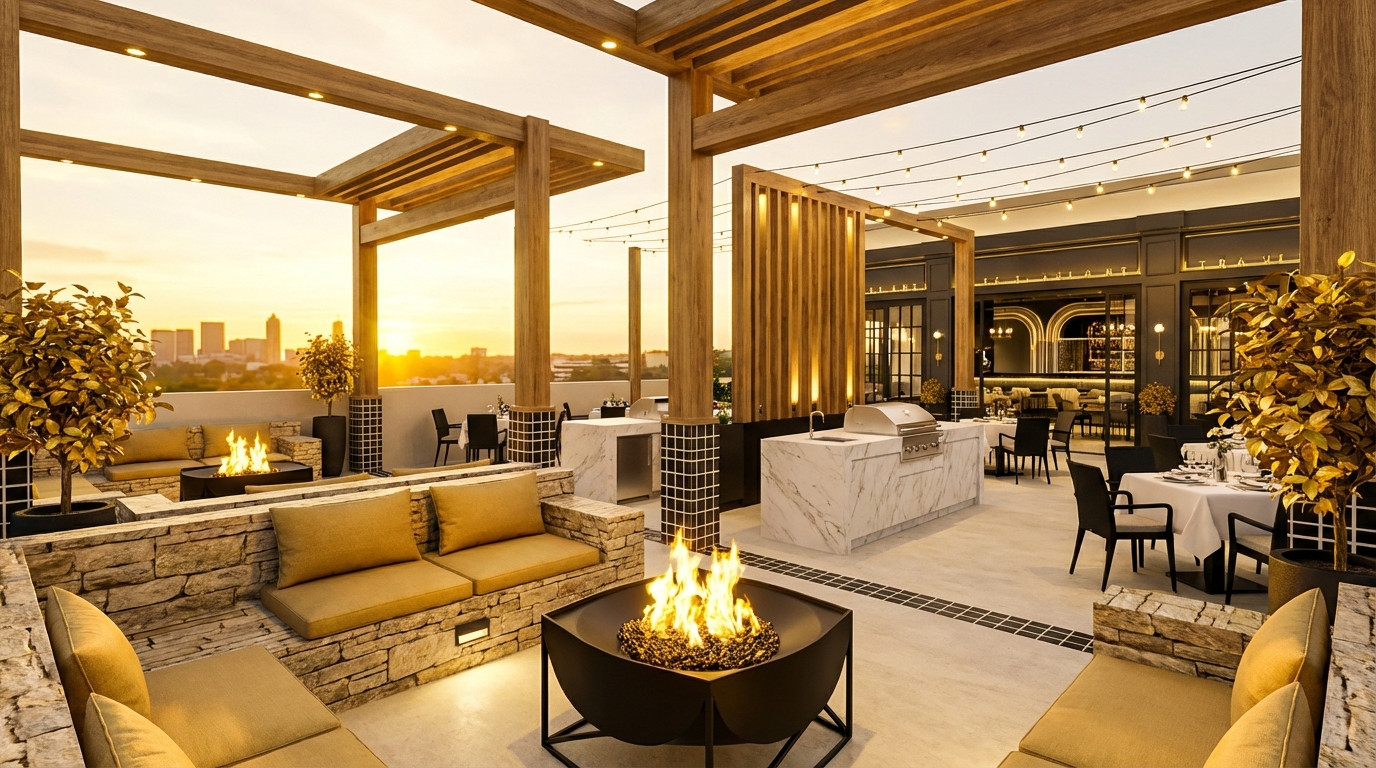
Restaurant worthy outdoor spaces start with solid concrete work, practical layout, and details that quietly support how people eat, move, and relax outside. If the patio is cracked, the grading is wrong, or the seating feels awkward, no amount of nice plates or great recipes will fix that. Companies like https://www.gkconstructionsolutions.com/ show how careful concrete planning, good drainage, and smart material choices can turn a basic yard into a space that actually works for cooking and dining, not just for photos.
So, if you care about food, it makes sense to care about the ground under your grill and the path to your outdoor table. Good construction does not have to feel technical or distant. It can be very practical. Where does the smoke go? Where does grease drip? Where do people set down a drink without worrying the chair will wobble?
I am going to focus on how a construction mindset can support the kind of space you see at a nice neighborhood restaurant. Something that feels intentional, but still relaxed. Not perfect. Not precious. Just a place where you want to linger over a plate of grilled vegetables or a simple steak and a glass of wine.
What “Restaurant Worthy” Really Means Outside
People often speak about restaurant style patios like they are about decor. String lights, plants, maybe a fire pit. Those details help, but they are not the foundation.
For an outdoor space to feel restaurant worthy, the surface, flow, and comfort need to support food, not fight it.
When you think about your favorite restaurant terrace, you probably remember three things:
- You could sit comfortably for a long time.
- Staff moved around you without bumping chairs.
- The floor felt solid, clean, and safe.
At home, you are playing the role of both owner and guest. You are the cook, the host, and in a sense the contractor who decided how everything fits together. That is a bit of pressure. But it can also be fun if you break it down into simple parts.
Key pillars of a restaurant style outdoor space
I would put it into four basic groups:
- Structure: Patio, paths, steps, retaining walls, drainage.
- Cooking: Grill, smoker, pizza oven, prep areas, utilities.
- Dining: Seating, table layout, shade, heating or cooling.
- Atmosphere: Lighting, sound, planting, small details.
Construction work, especially concrete and masonry, touches all four. A patio that is too small or slopes the wrong way will limit your grill choice and table layout. A path that puddles after rain will get tracked into your kitchen. So it is not just “nice to have” good construction; it shapes how you actually cook and eat outside.
Planning the Patio Like a Restaurant Floor Plan
Restaurants think in floor plans. They look at how far chairs sit from walkways, where servers turn, where bottlenecks happen. At home, you do not need a blueprint, but you can borrow the mindset.
Size and layout for real cooking and dining
A common mistake is building a patio that fits a table on paper, but not in real life. The chairs scrape the wall or planter. Someone cannot walk behind the chairs without guests pulling in their seats every time.
A simple rule: leave at least 3 feet of clear space behind every dining chair for comfortable movement.
Think about zones instead of just a big slab.
- Cooking zone: grill, smoker, or outdoor kitchen.
- Dining zone: table and chairs.
- Lounge zone: low seating, maybe a fire feature.
These zones do not need walls. The concrete finish, level changes, or even small planters can mark the shift. For example, a smooth, darker concrete pad under the dining area, and a slightly textured or stamped surface for the lounge area. That small contrast already feels more intentional, like a restaurant that has a bar area separate from main tables.
Table of useful patio sizing guidelines
| Use | Minimum comfortable size | Notes |
|---|---|---|
| Small café table (2 people) | 6 ft x 6 ft | Room for chairs and a bit of circulation. |
| Dining for 4 | 10 ft x 10 ft | Works for a standard table and chairs. |
| Dining for 6 to 8 | 12 ft x 14 ft | Allows more comfortable chair movement. |
| Grill + prep + small table | 12 ft x 12 ft | Enough room to cook without crowding guests. |
| Full “restaurant style” setup | 16 ft x 20 ft+ | For seating, cooking, and a lounge zone. |
These numbers are not perfect for every yard, but they are more realistic than trying to squeeze a full dining set into a tight corner just because you saw it in a catalog photo.
Concrete Choices That Matter When Food Is Involved
Concrete might not sound interesting to someone who loves cooking. It is not as engaging as a new grill. But if you have ever tried to bring out plates of food over cracked pavers or a wobbly deck, you already know how much the surface matters.
Surface texture and safety
Restaurant patios need surfaces that are safe when wet, easy to clean, and comfortable to walk on. At home, you want the same thing.
Look for a finish that gives enough grip for wet feet, but not so rough that chairs drag and catch every time they move.
Common choices include:
- Broom finished concrete: slightly rough, good traction, simple and usually cost friendly.
- Stamped concrete: can mimic stone or tile, offers more character, but needs careful sealing.
- Exposed aggregate: shows the pebbles in the mix; can be attractive but sometimes a bit harsh on bare feet.
If you do a lot of outdoor cooking, you want to think about grease, sauces, and drinks spilling. Smooth troweled finishes can look sleek, but they may be slippery and show stains more. A light texture is often a better match for real use.
Slope and drainage near cooking areas
Food spaces produce water, grease, and broken bits of food. Restaurants design floors so that spills do not collect where people walk. Your patio should have enough slope to shed water away from the house and away from heavy traffic paths.
Typical slopes are around 1/8 to 1/4 inch per foot of run. That sounds tiny, but over several feet it makes a big difference. Too flat and you get puddles under your dining chairs. Too steep and chairs feel off balance, and your drinks slide on the table surface.
Good contractors plan this carefully. Some even include small channel drains around cooking areas or at transitions to lawn. If you like to hose down your patio after a big cookout, these details save time and keep the area fresher.
Integrating Cooking Stations Into the Build
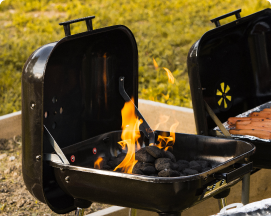
A restaurant would not just roll a grill into the corner. They think about clearances, ventilation, heat, grease management, and staff flow. It might sound overdone to think that way at home, but it really changes how pleasant it is to cook outside.
Where to place the grill or outdoor kitchen
Try to answer a few questions honestly:
- Will I cook outside a few times a month, or several times a week?
- How much prep do I want to do indoors versus outdoors?
- Do I like people hanging around me while I cook, or do I prefer space?
If you only grill now and then, a simple concrete pad near your main patio might be plenty. If you cook outside regularly, you may want a built in station with counter space and maybe storage. In both cases, the concrete work should support weight, heat, and repeated use.
Typical layout tips:
- Keep at least 3 feet of clear space around the grill for safe movement.
- Do not aim the grill directly at the dining area; smoke will drift that way more often than you think.
- If you add a roof or pergola, think about heat and smoke rising into it.
Some people regret placing their grill right by the patio door. It seems practical, but smoke can blow inside and grease stains the siding. A bit of separation, with a short concrete path, usually works better.
Built in elements and concrete
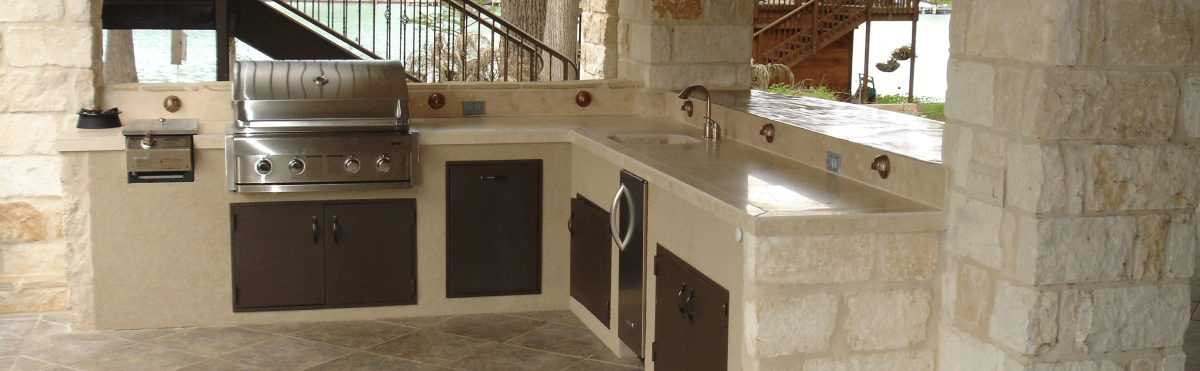
Outdoor kitchens often include:
- A grill insert or gas cooktop.
- Countertops, sometimes concrete, stone, or tile.
- Base cabinets built from concrete block or framed and faced with masonry.
- Refrigeration or a beverage cooler.
Concrete work under and around these pieces needs to handle weight and slight movement from temperature changes. If you are planning something heavy, like a pizza oven, tell your contractor so they can design the slab for that load. Restaurants do this automatically. Home projects sometimes skip it, then cracks show up later.
Seating, Comfort, and Flow For Long Meals
You can tell when a restaurant planned for people to linger. Chairs feel solid, the space between tables feels calm, and you do not feel rushed to finish your plate. At home, you may not have staff turning tables, but you still want guests to feel like they can stay for another coffee or dessert.
Seating types on concrete patios
Concrete gives a very stable base, which is great for furniture. You can mix:
- Movable dining chairs and tables.
- Built in benches or seat walls made from concrete or masonry.
- Low lounge seating with cushions near a fire feature.
Built in seating looks clean and uses space more efficiently, but it is less flexible. Restaurants sometimes use banquettes along a wall and chairs on the other side of a table. You can mirror that: a concrete or block seat wall along one edge, with a dining table and chairs facing it.
It is a tradeoff. Fixed benches save room and feel sturdy. Loose chairs adapt more easily to different groups. I think a mix feels the most human. You get structure but not rigidity.
How concrete design affects comfort
Two details get overlooked a lot:
- Heat retention.
- Glare.
Dark concrete absorbs heat in strong sun and can stay warm into the evening, which might be nice for cooler climates but uncomfortable in hot weather. Light concrete keeps cooler but can create glare at certain times of day, especially around shiny tableware and glassware.
Restaurants balance this with umbrellas, pergolas, and planting. You can do something similar at home:
- Use planters or low walls to block harsh light from certain angles.
- Add a pergola or retractable canopy above key areas.
- Choose a mid tone for your concrete color to avoid both extremes.
Lighting for Cooking and Dining
Outdoor food spaces live or die by lighting. Too bright and you lose the relaxed feeling. Too dim and you cannot tell if the chicken is actually cooked.
Good lighting lets you see your food clearly while keeping the background softer and more relaxed.
Types of lighting to plan into construction
Some lighting needs planning before the concrete is poured, such as:
- Conduit under the slab for power to islands or posts.
- Recessed step lights in concrete stairs.
- Embedded light fixtures in seat walls or pillars.
Then you have flexible pieces you add later:
- String lights on cables or from posts.
- Portable lanterns and table lamps rated for outdoor use.
- Accent lights in planters or under benches.
Try to separate task lighting for the grill and prep zone from softer dining lighting. A bright light right above the table can feel harsh, especially with reflective plates and glasses. Restaurants often push the main light a bit to the side or use diffused fixtures. You can copy that idea with indirect lighting that bounces off walls or from fixtures aimed down onto the floor, not straight at faces.
Dealing With Weather Like a Restaurant Does
Restaurants think in seasons. They know wind patterns, sun exposure, and local temperature swings. Outdoor dining areas are rarely random. At home, we sometimes put the patio where the sliding door already is and call it done, then later realize the wind channels through that spot or the sun is brutal at dinner time.
Wind, sun, and rain strategies that affect construction
Concrete, grade, and structure all affect comfort in bad weather:
- Wind: low walls, changes in level, and planting can break up stronger gusts.
- Sun: orientation of the patio, placement of pergolas, and shade sails matter.
- Rain: slope, drainage, and roof overhangs can keep key areas drier.
Sometimes a slight shift in patio location makes a big change. Moving a few feet closer to the house or tucking the cooking station beside a garage wall can reduce wind. Or turning the main dining area so it catches late afternoon light instead of harsh midday glare can change how often you use it.
Concrete work can also incorporate small overhangs, footings for posts, or raised planters that double as wind screens. These details come from the same mindset restaurants use when they add planters and railings to shape their patios.
Cleanliness and Maintenance With Food in Mind
If you cook and eat outside often, the space collects grease spots, dropped food, wine stains, and ash. Restaurant patios get cleaned every day. At home, that is not realistic, but you can design the space so that simple cleaning is enough.
Sealing, stains, and wear
Concrete sealers help resist staining. There are many types, and not all are equal around grills and hot surfaces. Some may discolor near high heat or become slippery when wet.
A few practical ideas:
- Choose a sealer that balances stain resistance with slip resistance, especially where people may walk with wet shoes.
- Expect to reseal every few years, more if the space gets heavy use.
- Keep a simple cleaning routine: quick sweep, occasional mild detergent wash, spot cleaning as needed.
Restaurant style means accepting a bit of patina. Some discoloration and small marks can make the space feel lived in rather than sterile. The goal is not a showroom, but a place you feel comfortable spilling a bit of sauce without panic.
Small Details That Make It Feel Like a Restaurant
Construction gets the hard parts right. Then the small choices finish the feeling.
Transitions between indoors and outdoors
If your patio connects directly to your kitchen or dining room, think about this transition like a restaurant entry:
- Is the step up or down clear and safe, even with a tray in your hands?
- Does the flooring inside meet the concrete outside in a clean, flush way?
- Can you carry food without worrying about a loose paver or awkward threshold?
Sometimes adjusting the concrete height even a small amount makes a big difference in comfort. I have seen homes where a 2 inch trip at the door caused endless annoyance until it was fixed. Restaurants usually avoid that by design.
Sound and neighbors
Food brings conversation, glasses clinking, maybe some music. Concrete reflects sound more than soil or grass, which can be both pleasant and a bit loud.
To soften it:
- Add outdoor rugs under dining areas to absorb some noise.
- Use planters or hedges along edges to break up sound reflection.
- Keep speakers aimed inward, not toward neighbors.
Good restaurants think about sound levels. At home, a bit of attention to this makes long dinners more comfortable for everyone, including people next door.
Common Mistakes When Building Restaurant Style Outdoor Spaces
Some mistakes repeat over and over. They might not ruin a project, but they limit how enjoyable it feels around food.
Underestimating circulation space
If guests cannot pull back their chairs without bumping someone, the space never fully relaxes. Make circulation a real priority, not an afterthought once the furniture is in place.
Ignoring shade and heat
You can have beautiful concrete and a great grill, but if the area bakes in direct sun at dinner time, you will not use it as often as you imagine. Consider sun angles at your usual mealtimes, not just the time of day you visited the showroom or took measurements.
Choosing finishes only by looks
A highly polished surface might look elegant, but if it is slippery or easily stained, it will cause stress every time someone walks out with a plate. Restaurants rarely pick finishes just for appearance. They think about cleaning and long term wear as much as style.
Bringing It All Together: A Sample Layout
To make this a bit more concrete, imagine a modest backyard where someone loves grilling and hosting small dinners.
They decide on:
- A 16 x 20 foot concrete patio, broom finished with a light stain.
- A 10 x 10 dining zone near the house, under a simple pergola.
- A 6 x 10 cooking zone off to one side, with a built in grill and small concrete counter.
- A 6 x 10 lounge area with a low masonry fire feature and two lounge chairs.
The contractor slopes the slab slightly away from the house, adds a small channel drain near the cooking area, and runs conduit for future lighting. Seat walls around the lounge zone double as overflow seating. The grill faces away from the dining table so smoke drifts aside, not straight through guests.
At dinner time, lighting over the grill is bright enough to see doneness, while the dining area is lit by softer string lights and one wall mounted fixture. People can stand near the grill and chat, or sit at the table without feeling blasted by heat. It is not perfect. Maybe the wind is annoying on some days or the fire feature does not get used as often as expected. But overall it feels similar to a small restaurant terrace: comfortable, flexible, and set up for real food, not just decor photos.
Questions To Ask Yourself Before You Build
If you are thinking about working with a contractor on a restaurant style outdoor space, a few honest questions can guide the choices:
- How many people do I realistically host most of the time? Not just that one big party I imagine.
- Do I prefer fast weeknight grilling or long weekend cooking sessions?
- Will children or older guests use this space often?
- How much upkeep do I accept? Resealing concrete, cleaning, seasonal tasks.
- What time of day do I usually eat outside?
Your answers point to size, layout, and finish choices more than any catalog or trend. A person who mostly cooks for two or three people may value intimacy and shade more than a huge slab. Someone who loves hosting large groups will sacrifice some planting for circulation space and extra seating.
Final Thoughts In A Simple Q&A
Q: Is it worth investing in concrete work just for outdoor dining?
I think it is worth it if you genuinely use the space. If you cook outside often, the comfort and safety underfoot matter as much as the quality of your grill. If you rarely step outside now, it might be better to start small, test your habits, and grow the space later.
Q: Does a restaurant style patio need a full outdoor kitchen?
No. A well placed grill with enough room to move, good lighting, and a sturdy, cleanable surface can feel just as enjoyable. Many restaurants work with relatively simple setups but careful layout.
Q: How do I know if my current patio is worth fixing or needs replacing?
Look for trip hazards, standing water, large cracks, or slabs that have tilted. If you see signs like these, especially around entry doors or seating areas, it might be smarter to repair or replace before you add more furniture or a grill. A stable, well planned surface is the quiet partner to every plate of food you carry outside.