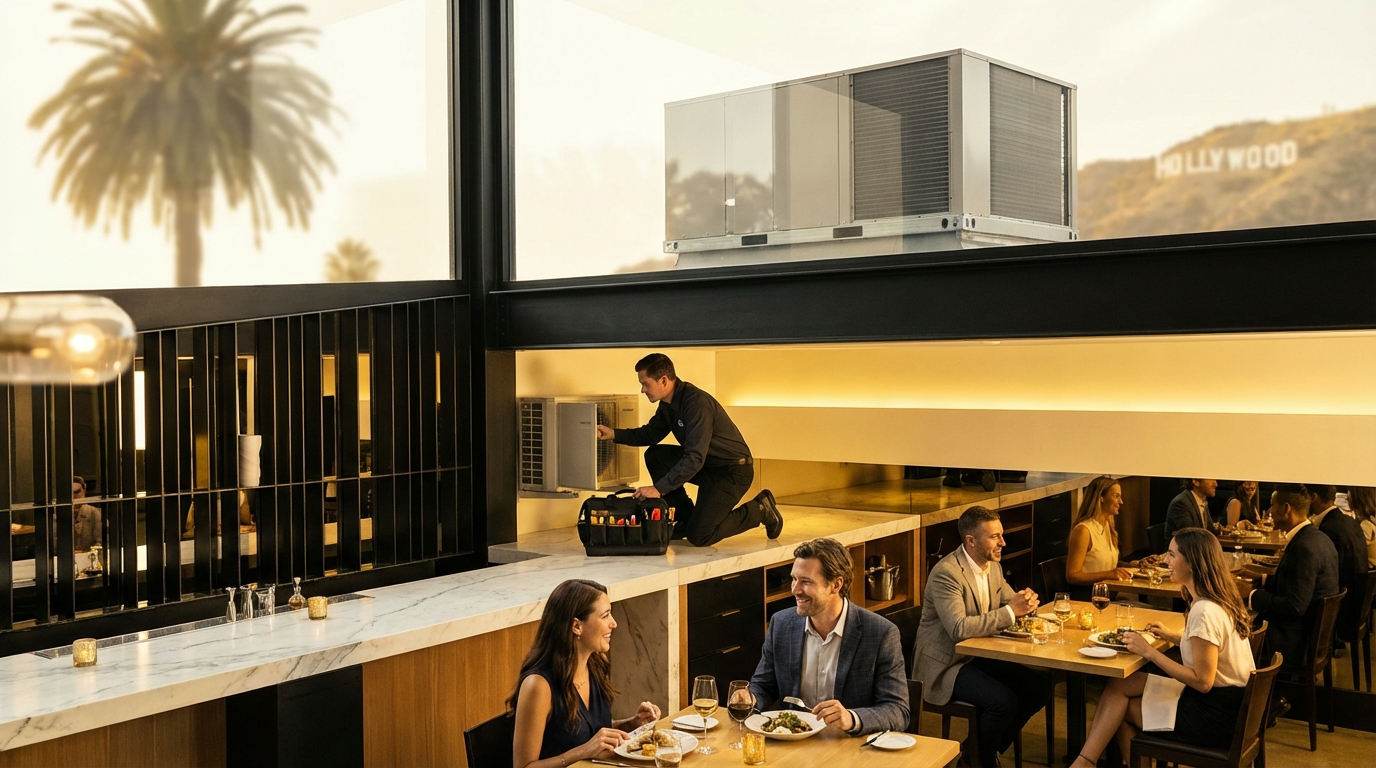
If you run a restaurant in California, you need a dedicated HVAC contractor California because your food, your staff, and your guests all depend on stable temperature, clean air, and reliable ventilation every single day. Without someone who really knows your equipment, your kitchen can overheat, your dining room can feel stuffy, and your refrigeration can struggle, which can quietly affect both safety and sales.
That is the short answer. The longer answer connects directly to cooking, comfort, and what guests remember when they leave your place.
Why HVAC matters more in a restaurant than in most other buildings
When people think about restaurants, they usually think about recipes, flavor, maybe decor. HVAC often feels like background. You only notice it when it is wrong.
In a restaurant though, heating, cooling, and ventilation are not just background systems. They affect:
- Food safety
- Cooking consistency
- Guest comfort and how long people stay
- Staff health and staff turnover
- Energy bills and long term costs
I remember sitting in a small California bistro on a hot day. The food was good, the service was friendly, but the air felt thick. The open kitchen was beautiful to look at, but the heat from the grill pushed into the dining room. Halfway through my meal, I stopped thinking about the seasoning and started thinking about leaving. I do not think that restaurant had a good HVAC plan, or at least not one that matched its menu and layout.
That is the hidden risk. People rarely tell you, “I will not come back because your AC felt weak.” They just quietly pick another place next time.
A restaurants HVAC system is part of the guest experience, even if guests never see it or talk about it.
Restaurants simply have more heat, more moisture, and more odors than a normal office or shop. You have:
- Ovens, grills, fryers, and dishwashers running for hours
- Doors opening and closing all day
- People walking in from hot sidewalks or cool evenings
- Steam and smoke that must go somewhere
So while many buildings can get by with a basic setup, a restaurant needs an HVAC system that is planned, installed, and tuned for that specific space. That is where a restaurant focused contractor matters.
Why California restaurants have special HVAC challenges
Cooking is already a hot job. Add California weather on top of that and you have a pretty rough mix if the HVAC is not designed well.
Here are some things that make California a bit tricky:
- Hot inland summers with long heat waves
- Cooler coastal areas with humidity and salt air
- Wildfire seasons that affect outdoor air quality
- Energy rules and building codes that change from time to time
One week you might be running AC hard during a 100-degree day. Another week, smoke from wildfires might force you to limit outside air or use better filtration. A system that is fine in a mild office setting might fail fast in a busy restaurant under these conditions.
A local HVAC contractor who works in California kitchens and dining rooms learns these patterns over time. They see what fails too early, what keeps up on the hottest days, and what type of filters or fresh air setups actually work when the outdoor air is not that great.
A restaurant in California does not just need cooling; it needs a plan for heat, smoke, humidity, and changing air quality through the year.
I think this is where many owners underestimate things. They focus on the visible parts of the restaurant, like tables and lighting, and leave HVAC for later. By the time they realize there is a problem, they are dealing with staff complaints, long ticket times, or even health inspector remarks about ventilation.
How HVAC affects cooking, plating, and food safety
You might not connect HVAC to cooking at first, but it plays a bigger role than people think.
Temperature and food safety
Hot kitchens and unstable dining room temperatures can have subtle effects on food holding and plating.
For example:
- If the kitchen is too hot, food on the pass can stay in the danger zone longer than it should.
- If cool air blows directly on a salad or dessert station, plates can dry out or chill in strange ways.
- Warm storage rooms can reduce the life of dry goods, chocolates, wines, and some sauces.
A good contractor will understand air patterns, not just temperature numbers. They can help you avoid direct airflow on sensitive stations and keep prep areas stable.
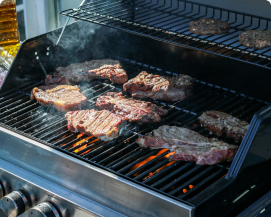
Smoke, grease, and ventilation near the cook line
Good ventilation is as important as good seasoning. Without it, the best menu can still feel heavy.
If exhaust hoods are not sized or balanced correctly:
- Smoke can drift into the dining room.
- Heat can build up around the cook line and prep areas.
- Grease can collect inside ducts faster, which can turn into a fire hazard.
A restaurant-focused contractor thinks about hood size, make up air, and airflow balance. They will look at how air leaves the kitchen and how it enters, so you avoid negative pressure that sucks hot air in through doors or pulls smells into the dining room.
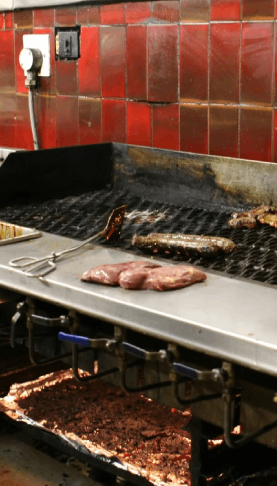
I once talked to a line cook who said the AC never seemed to reach the grill station. You could see sweat dripping on the floor near the fryer during rush, even though the dining room felt fine. That setup probably came from a generic commercial plan, not someone who walked the line and asked, “Where does the heat really build up?”
Balanced kitchen ventilation protects cooks, controls smells, and helps keep your hood and duct cleaning on a more predictable schedule.
Guest comfort: the quiet part of your brand
People will forgive a slow plate once in a while if they enjoy the feeling of the room. It is harder to forgive a space that feels too hot, too cold, or stuffy.
The dining room temperature sweet spot
Guests arrive with different expectations. Some like cooler rooms, others not so much. You cannot please everyone, but you can avoid extremes.
Common problems include:
- Hot booths near windows that catch afternoon sun
- Cold spots near vents that point directly at tables
- Drafts by doors where people walk in and out often
A strong HVAC contractor will not just look at a blueprint. They will walk through the space, stand in different seats, and think about sun patterns, door locations, and where guests are likely to sit longer.
They might suggest:
- Different vents for bar areas vs main dining
- Zoning so you can adjust front and back separately
- Changes to air direction so it does not blow straight at guests
These are not big glamorous changes, but they influence how long people stay for dessert, coffee, or a second drink.
Odor control and open kitchens
Open kitchens look great. They bring energy and transparency. But they also demand good control of smell and smoke. Some food smells nice for a short time, then becomes heavy if it lingers.
Without proper HVAC planning, open kitchens can:
- Fill the front with fryer or grill smell by the end of the night
- Spread steam that fogs up windows and glasses
- Send noise from hoods straight to the bar or lounge
A contractor used to restaurant work will think about both exhaust and make up air near an open kitchen. They can suggest ways to keep the experience pleasant for guests without strangling the cooks with too much airflow.
Staff comfort, safety, and performance
Kitchens are demanding places. High noise, hot surfaces, constant movement. Poor HVAC makes all of this worse.
If the kitchen feels like a sauna every service, you will see:
- Faster burnout for line cooks and dishwashers
- More mistakes on the line when people feel overheated
- Higher risk of heat exhaustion, especially during long shifts
A contractor who respects restaurant work will try to keep line conditions within a reasonable range. It will never feel like an office, of course, but it should not feel like a punishment either.
You might not see “lower turnover” listed on an HVAC estimate, but comfortable staff stay calmer during rush, move safer around hot oil and sharp tools, and tend to last longer in the job. That has real value.
Why you need a contractor, not just a one time installer
Some owners think of HVAC as a one time project. Install it, then forget it until something breaks. That approach usually costs more in the long run.
A restaurant benefits from an ongoing relationship with a contractor for a few reasons.
Preventive maintenance vs emergency calls
You can look at it this way:
| Approach | What happens | Typical result |
|---|---|---|
| Wait until it breaks | Call someone in a rush, often during service | Higher repair bills, stressed staff, possible lost sales |
| Regular maintenance plan | Planned filter changes, inspections, small repairs | More stable system, fewer surprises, better energy use |
Most HVAC failures do not come from one big shock. They come from slow wear, clogged filters, small leaks, or dirt on coils. A contractor who knows your place can spot these early during routine checks.
Fine tuning for different seasons and menu changes
Restaurants change. You might add a new oven, a smoker, or more indoor seating. Each change affects heat load and airflow.
A regular contractor can:
- Rebalance airflow after equipment changes
- Adjust controls before summer or winter shifts
- Suggest small upgrades rather than full replacement
This ongoing care is hard to get from a random one time installer who does not plan to see your space again.
What to look for in a California restaurant HVAC contractor
Not every HVAC company is the right fit for restaurants. Space is tight, health rules are strict, and you often cannot just shut down for days.
When you talk to potential contractors, do not just ask about price. Ask about experience with restaurants in California and listen for real, concrete answers.
Here are a few areas to check.
Experience with commercial kitchens and dining rooms
Try questions like:
- How many restaurant projects have you done in the last few years?
- Do you handle both kitchen and dining room HVAC, including hood systems?
- Can you give examples of tricky restaurant setups you have solved?
Look for answers that mention real issues, such as hood balance problems, hot spots near the pass, or code changes they had to work around.
Knowledge of local codes and health rules
California has its own building codes and energy rules. Cities and counties can add their own layers.
Good contractors keep up with:
- Ventilation and fresh air requirements
- Hood and exhaust standards for grease and smoke
- Energy rules that affect equipment choices
If someone cannot speak clearly about current local expectations, that is a warning sign.
Comfort with odd schedules and fast service needs
Restaurants do not like long shutdowns. You need people who understand that.
Ask:
- Can they schedule work during off hours or slower days?
- How fast do they respond in an emergency on a hot day?
- Do they stock common parts used in restaurant systems?
The answer does not need to be perfect, but it should show they work with real restaurant timelines, not just 9 to 5 office jobs.
Energy use, bills, and long term planning
HVAC can be one of the largest energy loads in a restaurant, right after cooking equipment. In California, where power costs can be high, this adds up each month.
A contractor who thinks beyond quick fixes can help you:
- Pick right sized units instead of oversizing “just in case”
- Set up zones so you are not cooling empty rooms
- Use smart controls for different times of day and seasons
- Keep coils clean so equipment runs closer to its design level
Many owners worry that anything energy related will be expensive. Some upgrades do cost money, but basic steps such as regular filter changes, proper refrigerant charge, and thermostat programming are not huge projects. They just need consistent attention.
Here is a simple comparison of two different approaches over a few years.
| Approach | Year 1 cost | Years 2 to 5 impact |
|---|---|---|
| No maintenance, only repairs | Lower at first | Higher bills, more breakdowns, shorter equipment life |
| Regular contractor relationship | Maintenance contract cost | Lower energy use, fewer surprises, longer system life |
It is not magic. It is just steady care instead of waiting for major failures.
HVAC and indoor air quality for guests and staff
People are more aware of indoor air quality now than in the past. Diners talk about ventilation, not just food. Staff spend long hours inside one space, often with limited breaks.
A California contractor with restaurant clients will often help with:
- Filter choices that balance air quality with normal airflow
- Fresh air intake setups that work even on bad outdoor air days
- Humidity control to reduce mold risk in storage areas
You do not need to turn your dining room into a medical lab. But cleaner, well circulated air can:
- Reduce lingering smells
- Help staff feel less tired
- Make guests more comfortable over longer visits
If you have ever walked into a place and felt stale air right away, you know how fast this can change your first impression, even before tasting anything.
New builds, remodels, and replacements
There are a few main times when a restaurant absolutely needs an HVAC contractor involved, not just a general builder.
New restaurant openings
During a new build or a big tenant improvement, HVAC design should sit next to kitchen layout and seating planning. If HVAC comes too late in the process, you can end up with:
- Supply vents placed where you later want lighting or decor
- Hood ducts that force awkward kitchen arrangements
- Units that are hard to access for future service
Good contractors will sit down with your kitchen designer, architect, and maybe even your chef. They try to understand your menu, your cooking style, and peak hours, then size and place equipment around real heat loads.
Remodels and concept changes
Say you change from a small cafe to a full service restaurant with a larger menu. Or you move from mainly lunch service to heavy dinner traffic. Heat patterns shift, door traffic changes, and seating fills at different times.
If you do not adjust HVAC, you might notice:
- Your system runs nearly all the time during new peak hours
- Some areas feel worse now than before the remodel
- Energy bills climb because the system was never tuned for the new setup
Involving a contractor at the planning stage helps avoid this. They can tell you what your existing system can handle and where you might need upgrades, extra zones, or new controls.
Replacement and end of life decisions
All HVAC equipment ages. At some point, repair costs and downtime outweigh the value of keeping old units.
A contractor who has serviced your place for years will have records of:
- How often your units failed
- How hard they run during peak seasons
- What parts are becoming hard to find
With that, you can make a clearer choice between one more big repair or a full replacement. You avoid guessing.
Common HVAC mistakes restaurant owners make
I think it is fair to say many owners are very strong in food and hospitality but less experienced in building systems. That is normal. Still, there are patterns that come up again and again.
Here are a few missteps that a good contractor can help you avoid.
- Choosing residential grade equipment for a commercial kitchen to save money. It usually fails faster and struggles to keep up.
- Ignoring make up air and only focusing on hood exhaust. This can cause doors to slam and hot air to be pulled from odd places.
- Skipping hood and duct coordination with HVAC. Kitchens end up under negative pressure and smoke moves the wrong way.
- Letting filters clog badly which strains fans and raises energy use.
- Placing thermostats in strange spots like near a door or in direct sun, which gives false readings.
None of these are dramatic issues on day one. They become problems slowly. That is another reason a stable contractor relationship helps.
How HVAC decisions affect the cooking and dining rhythm
Think about your restaurant during a typical service. Orders spike, the grill flares, dishwashers steam, guests fill the room, the bar gets noisy. All of that puts stress on HVAC.
If your system is just barely enough, you might see patterns such as:
- Temps staying fine at 5 pm, then climbing at 7 pm when the place is full
- Condensation on windows during dish peaks
- Servers wiping sweat after walking through swing doors into the kitchen
The impact on food can be:
- Cooks moving slower because they feel drained
- Timing on fried items slipping as oil temperatures fluctuate in a hotter room
- Cold plates warming faster as they wait on the pass
A contractor who understands these rhythms can design for the true peak, not just for average numbers. That might mean:
- Slightly more capacity in key zones
- Smarter controls that anticipate peak hours
- Better placement of returns and supplies around the line
It is not about overbuilding, it is about building for real use, which is something you can only really do when the contractor listens to how your kitchen actually runs.
Working with an HVAC contractor as part of your restaurant team
Restaurant work is already complex. You have chefs, servers, suppliers, health inspectors, landlords, maybe investors. Adding another relationship might feel tiring. But an HVAC contractor can be part of your support system, not just someone you call in a crisis.
Here is a simple way to think about the relationship:
- They learn your space, equipment, and habits.
- You give them honest feedback about comfort and problems.
- They suggest staged improvements over time, not just big one time projects.
You do not have to accept every recommendation. In fact, you should question them a bit. Ask why, ask what happens if you wait, ask what cheaper steps exist. A good contractor will not pressure you into shiny solutions you do not need. If they do, that is not a great match.
Treat your HVAC contractor like you treat a trusted food supplier: you want fair prices, clear communication, and steady quality over years, not quick deals.
Questions restaurant owners often ask about HVAC contractors
Is a dedicated HVAC contractor really necessary, or can my general contractor handle it?
General contractors usually manage many trades. Some are strong in HVAC coordination, others are not. For simple spaces, that might be fine. For a restaurant with heavy cooking, open kitchens, or complex seating, having a contractor that focuses on HVAC gives you deeper knowledge and more precise planning. Your general contractor can still oversee the project, but the HVAC part deserves its own specialist.
How often should my restaurant HVAC system be serviced?
Most busy restaurants in California benefit from at least quarterly maintenance. Some go with every two months during the hottest part of the year. Kitchen environments push more grease and dust into systems, and filters load faster than in offices. Your contractor can adjust the schedule after a year or so once they see how your equipment and usage behave.
What is one simple step I can take right now to improve comfort?
If you already have an HVAC contractor, ask for a quick review of:
- Filter condition and rating
- Thermostat placement and settings
- Airflow balance between kitchen and dining areas
Often, small adjustments in set points, fan schedules, or vent direction can improve both comfort and energy use without big investments. It is not a magic trick, but it is a practical first step.
Do I need a new system, or can my current setup be improved?
Not every uncomfortable space needs a full replacement. A good contractor will look at:
- Age and condition of current units
- Repair history and current performance
- Changes in your menu, seating, and hours since installation
In some cases, better balancing, duct adjustments, new controls, or added zones can bring real relief. In other cases, especially with very old or badly sized equipment, replacement is the honest answer. Either way, you should expect a clear explanation, not a vague push toward the most expensive option.
If you had to pick one hidden partner that protects your food, your staff, and your guests every day, would it be your HVAC contractor?