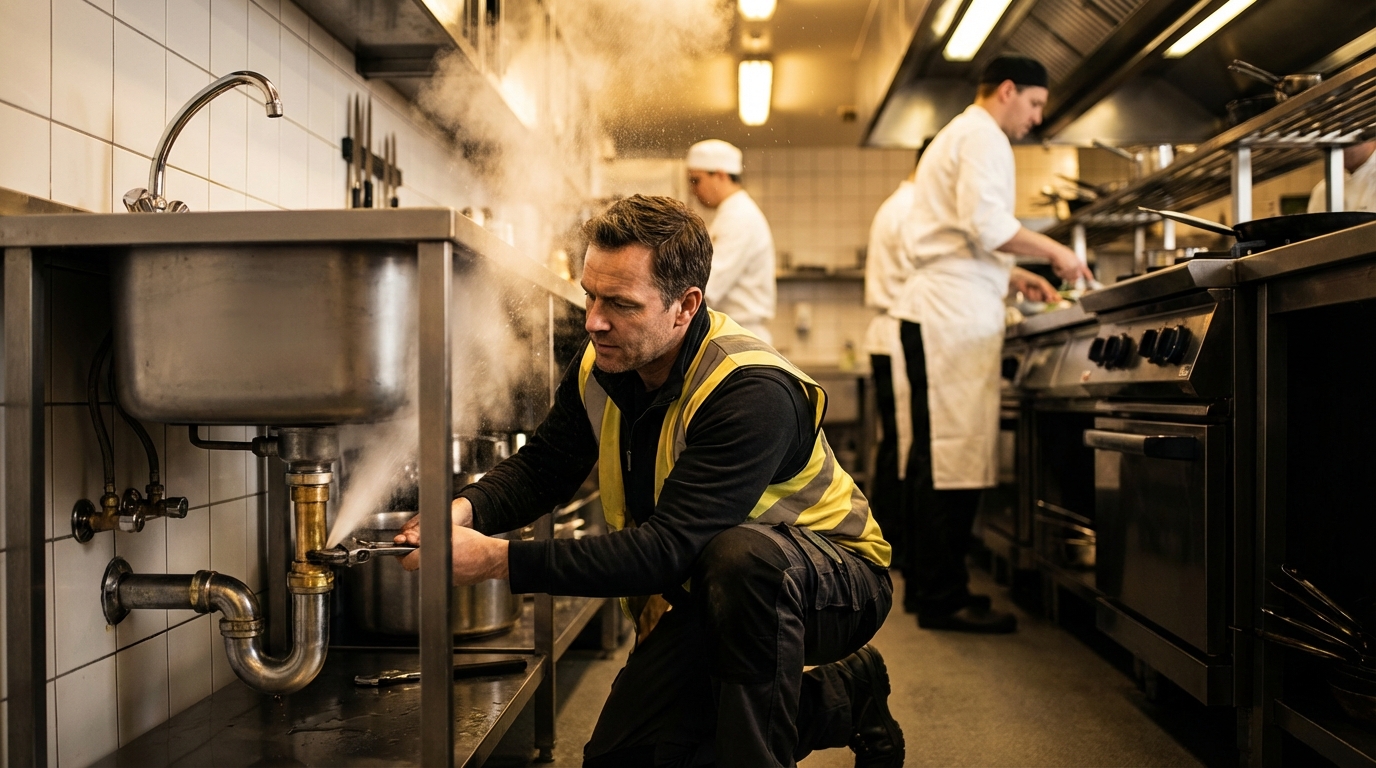
If you run a restaurant kitchen and something on the plumbing side fails, expert help from plumbers Thornton can keep you open, prevent food loss, and protect your staff and guests from health risks. They handle clogged drains, broken grease traps, low water pressure, gas line issues, and emergency leaks so your cooks can keep cooking and your service does not collapse in the middle of dinner.
I am going to walk through how a good local plumbing team can basically act as a behind-the-scenes partner for your kitchen. I will probably circle back to the same point a few times, because in real life the same issues keep showing up in different ways.
Why restaurant kitchens fail without strong plumbing support
Restaurant talk is usually about recipes, service, ambiance. That is what guests see. But in practice, many closures and bad nights come from issues behind the wall: water, drains, gas, hot water capacity.
Strong food and service need strong plumbing under them, or both will fail when the room gets busy.
I know that might sound dramatic, but think about a typical service flow. Every step touches plumbing somewhere:
- Rinsing and prepping vegetables and proteins
- Washing hands between tasks
- Running dish cycles nonstop
- Cleaning the line every turn
- Flushing floor drains when someone spills stock or oil
If water slows down or drains stop working, you feel it everywhere. And not slowly, but right away. Maybe you try to push through for 30 minutes, hoping it “fixes itself”, which it rarely does. By that time, the backup is worse.
An experienced Thornton plumber who understands restaurant systems looks at your kitchen differently than you do. You see prep stations and timing. They see pressure, load, waste flow, code rules, and where the system will break first on a heavy night.
The most common restaurant plumbing problems in Thornton
Thornton has plenty of small and mid-size restaurants, and many of them share the same issues. The buildings are often mixed-use or older shells with new buildouts inside. That makes plumbing a little strange sometimes. Lines bend where they should be straight. Drains share runs they should not share.
From what I have seen and heard from managers and cooks, a few problems keep coming back.
Grease traps that fail at the worst time
Grease traps are the quiet workhorses in most commercial kitchens. They catch fats, oils, and grease so they do not clog city sewer lines. When they are not cleaned or sized correctly, you get backups, smells, and sometimes surprise visits from inspectors.
Signs your trap is becoming a problem:
- Slow drains on the line, especially at the end of the night
- Strong, sour or rancid odors near sinks or dish areas
- Standing water in floor sinks or under dish machines
- Grease visible in places where water should be clear
If you can smell the grease trap in the dining room, the problem is already serious, not “starting”.
Local plumbers who work with restaurants in Thornton usually recommend a cleaning schedule based on your actual volume, not just a generic rule. A burger-heavy spot or a fry place will load a trap much faster than a small cafe, even if both have similar seat counts.
Good plumbers adjust the setup if they see that the current trap is too small or badly placed. Sometimes they suggest a bigger trap or a different layout so the line is not constantly at risk. It sounds a bit boring, but your grill cooks will never complain about fewer grease stink emergencies.
Drains that back up during peak service
This one hurts. Many kitchens live with “slow” drains for months. Then a busy Saturday pushes them past their limit, and suddenly you have a mini flood near the dish area or prep sinks.
Common causes in restaurant kitchens:
- Food particles and peels going down the sink
- Grease and oil slowly sticking to pipe walls
- Soap scum and detergent buildup from dishwashers
- Foreign objects, like cutlery or scrub pads, stuck in traps
From a plumbers view, most of these backups are predictable. The pipes can carry only so much, and restaurant use is heavy. When you bring in a plumber from Thornton who understands your type of cooking, they can suggest a drain cleaning schedule that fits your reality instead of waiting for an emergency.
They might also suggest simple changes, like different screens over drains or clear rules for scraping plates. It is not glamorous, but it works.
Low water pressure and temperature problems
If you have ever tried to run a busy dish station with weak water pressure, you know the frustration. The same for hand sinks that take forever to warm up, or a hot line that loses hot water halfway through the rush.
This hits:
- Dish machines, which need certain pressure and temperature to clean correctly
- Hand washing, which inspectors watch closely
- Prep sinks, especially if you handle a high volume of produce or seafood
Here is what plumbers usually check in these cases:
| Problem | What you feel in the kitchen | What a plumber looks at |
|---|---|---|
| Low water pressure | Weak sprayers, slow sink fill, poor dish results | Supply line size, valve settings, hidden leaks, pressure regulators |
| Inconsistent hot water | Water goes from hot to lukewarm, especially during rush | Water heater capacity, recirculation lines, mixing valves, scaling |
| Uneven pressure in different areas | Prep sink is fine, hand sinks are weak, or the reverse | Pipe routing, partial blockages, undersized branches |
Sometimes the fix is as basic as replacing a clogged aerator. Other times the restaurant has simply grown past what the original system can handle. When that happens, a Thornton plumber can plan upgrades in stages so you do not have to shut down for long.
Gas line and appliance hookups
Many kitchens worry more about gas than water, and that makes sense. Gas problems are serious. But I have seen plenty of places treat gas hookup as a one-time event: the range arrives, someone hooks it up, and that is that.
Over time, though, kitchens change. You add another fryer, move a grill, swap ovens. If each change is handled by a different person without a clear plan, the gas system can end up overloaded or patched together.
Whenever you add or move gas equipment, a licensed plumber should be part of the plan, not an afterthought once something smells off.
Experienced plumbers check:
- Whether the main gas line to the kitchen can handle new loads
- If shutoff valves are easy to reach in an emergency
- Whether flexible connectors and fittings meet local codes
- If new appliances are vented correctly
This is one area where guessing or “doing what worked at the last place” is not a good idea. Thornton has specific rules, and inspectors will look at them. A plumber who works in the area often will usually know what those inspectors focus on.
Emergency vs maintenance: how plumbers actually rescue your kitchen
There are two modes here. The first is the late-night emergency call when a key piece of plumbing fails. The second is the slower, quieter work that prevents those emergencies from becoming common.
When everything breaks during service
Let us start with the stressful one. A line cook kicks a floor drain cover loose and suddenly finds water backing up. The dish machine goes down right before a large party. A pipe starts dripping right over the prep sink. If you run a kitchen long enough, you probably have a story like this.
What an emergency-oriented plumber in Thornton brings in these moments:
- Fast assessment, so you know if you can stay open or need to cut seating
- Temporary fixes that are safe and code-compliant, not duct-tape tricks
- Clear communication with you, and if needed with your landlord
- Advice on preventing the same failure next weekend
I think the best plumbers in these situations treat your kitchen as a real-time system, not just pipes. They watch how the staff moves, what equipment you lean on most, and how long you can function with certain areas shut off. That changes their priorities. For example, they might keep your dish line running first, then handle a non-critical prep sink.
From your side, a bit of preparation helps too. Many kitchens do not have an up-to-date contact for a trusted local plumber posted anywhere. So when something breaks, people start searching on their phones, comparing reviews, asking “Does anyone know someone?” while the floor fills with water.
The quiet rescue: maintenance and planning
Emergency visits get attention, but steady maintenance can be more valuable over a year. Less dramatic, but better for your nerves.
A good Thornton plumbing company that works with restaurants will often propose a basic plan that covers:
- Scheduled drain cleaning at intervals that match your volume
- Regular checks of grease traps, with measured levels, not guesswork
- Inspection of water heaters, recirculation lines, and valves
- Review of gas lines and shutoff access, especially after equipment changes
Some managers push back on maintenance because it feels like an extra cost. I get that. Margins are thin. But if you compare two or three major emergencies in a year against a steady service plan, the math usually leans toward the steady side. Not always, but often enough that it is at least worth running the numbers.
You can also ask for clear reports after each visit. Quick, simple notes like “Floor drain near dish pit is 50 percent restricted, next cleaning in 3 months.” Those notes help you plan and also show inspectors that you take plumbing and sanitation seriously.
Designing or renovating a restaurant kitchen with plumbers in mind
Some readers might be at the planning stage. Maybe you are building a new space in Thornton, or renovating a kitchen that used to be something very different. This is the best moment to involve a plumber, before walls and tiles lock your choices in place.
Where plumbing design meets kitchen flow
Chefs and consultants usually plan the flow of the kitchen: where the line sits, how plates move, where dish returns go. If that layout fights existing plumbing, you will either spend a lot on new pipes or live with a system that never feels right.
A collaborative process looks more like this:
- Chef or manager drafts the desired layout.
- Plumber reviews water, drain, and gas needs for each station.
- Both adjust positions slightly so plumbing runs are shorter and more direct.
- Code and inspector expectations are checked before finalizing.
You might shift a prep sink a bit, or change which wall the dish machine sits on. These look like small moves on paper, but they can save money and reduce future problems. Long, twisting drain runs clog more. Gas lines with too many bends lose pressure.
Choosing the right fixtures and equipment connections
I have seen kitchens choose cheaper fixtures to save money in the buildout, then pay more later in repairs. Not always, but it happens. Plumbers who work with multiple restaurants see which brands and setups fail under heavy use and which survive the daily beating.
Ask them direct questions:
- Which pre-rinse sprayers clog or break the most?
- Do you recommend air gaps or direct connections for dish machines here?
- What floor drain style works best in our climate and with our menu?
- Are there materials that handle our cleaners better?
You might decide to spend a bit more up front on certain valves, traps, or drain covers. It is not always the right choice, but a plumber can give you real feedback from other kitchens around Thornton, not just catalog descriptions.
Health, safety, and inspection: where plumbing and compliance meet
People interested in restaurants often focus on flavors and plating, but behind every dish is a long list of hygiene rules. Many of those tie directly into plumbing.
How plumbing issues affect food safety
Health inspectors watch more than just fridge temps. They look at:
- Whether hand sinks work correctly, with hot water in the right range
- If wastewater backs up anywhere near food or clean dishes
- Whether there are leaks that can lead to mold or pest problems
- If cross connections between clean water and dirty water exist
A plumbing problem is not just a “back of house” annoyance; it can trigger violations, fines, or forced closures.
Good plumbers understand this and will often flag issues that might pass unnoticed day to day but will be a problem during an inspection. For example, missing vacuum breakers, wrong air gaps, or hand sinks that are hard to access because of clutter.
If you keep getting repeat notes from inspectors about the same issues, it might be time to bring a plumber and walk the space together. You can point to each citation and ask “What would fix this in a way that lasts?”
Staff safety: slips, burns, and air quality
Plumbing is part of staff safety too. Standing water increases slip risk. Poor drainage near hot equipment can mix with oil and cause burns when someone tries to clean in a rush. Gas leaks or partial combustion affect air quality and comfort.
A plumber can help by:
- Improving floor drain placement so spills have somewhere to go
- Fixing low spots where water constantly collects
- Checking gas lines and connections for leaks or undersized runs
- Confirming that certain appliances vent correctly
These changes are not always dramatic. Sometimes moving or resizing a single drain can keep an entire path dry during service. Sometimes adding a shutoff in a more reachable place can speed reaction during a gas issue.
Practical tips for working with plumbers in Thornton
If you are not used to working closely with trades, it can feel a bit strange at first. The language is different, and time pressure on both sides is real. A few small habits can make things smoother.
Keep basic information ready
When you call a plumber, the more clear info you share, the faster they can help. Try to have:
- Your exact address and any special access notes
- Building type and age, if you know it
- A rough sketch of your kitchen layout
- List of main appliances tied to water or gas
I know it sounds like extra work, but once you build a simple folder with this, you can reuse it. Even a phone photo of a hand-drawn floor plan is better than nothing.
Walk the plumber through a real service scenario
When they arrive for non-emergency visits, do not just show them the broken part. Walk them through how your kitchen runs.
You might say:
- “At 6 pm this dish machine runs nonstop for 2 hours.”
- “This floor drain floods as soon as we start breaking down.”
- “We added a second fryer last year and pressure felt weaker afterward.”
This context helps them see the system as you experience it. Sometimes what looks like a small annoyance during a quiet midday check turns into a major bottleneck during dinner.
Be honest about budget and timing
Here is where many owners and managers, in my view, take a slightly wrong approach. They ask for the perfect fix, then later reveal that the budget is half of what it needs to be. That causes frustration on both sides.
A better way is to say up front: “We have this much to work with right now. What is the best step we can take inside that limit?” A thoughtful plumber will usually offer phases:
| Phase | Focus | Typical examples |
|---|---|---|
| Urgent | Stop active leaks, clear backups, address safety issues | Drain clearing, temporary reroutes, key valve replacements |
| Short term | Reduce repeat problems over the next few months | Grease trap adjustments, selective pipe replacements |
| Long term | Update system to match future volume and growth | New drain lines, added hot water capacity, gas line resizing |
You may not be able to jump straight to the ideal solution, and that is fine. What matters is that each step moves you away from crisis mode and toward a stable kitchen.
A quick checklist for restaurant owners and managers
If you want a simple starting point, here is a basic checklist you can run through in your own kitchen. It is not perfect, but it can show you where to start talking with a local plumber.
Daily and weekly staff checks
- Do any sinks drain slowly for more than a day or two?
- Are there persistent smells around drains or the dish area?
- Do staff ever avoid a hand sink because it is “annoying” or slow?
- Is there any regular standing water on the floor after service?
- Are there visible drips from pipes, even if small?
Monthly or quarterly manager checks
- Review grease trap service logs (if you keep them).
- Check water heater settings and visible signs of corrosion.
- Look at floor drains for damage, missing covers, or strong odors.
- Confirm shutoff valve locations for main water and gas.
- Review any plumbing-related inspector notes from recent visits.
If several items on those lists worry you, it might be time to schedule a non-emergency visit from a plumber in Thornton. You can walk the space together and turn vague worries into clear tasks.
How this all connects back to cooking and guests
At first glance, plumbing talk feels far from food. But when you look closer, many details of good dining experiences rely on quiet, hidden systems working correctly.
For example:
- A spotless plate and glass affect how guests see every dish.
- Fast hand washing affects how safely your staff handles ingredients.
- Comfortable air and lack of odors in the dining room keep people relaxed.
- Steady water supply lets your team clean as they go, which shapes the whole rhythm of service.
When plumbing runs smoothly, your team has more energy and attention for what guests actually notice: flavor, timing, and hospitality.
You can think of plumbers as quiet partners in that goal. They rarely stand in the dining room, but their work shows up in every clean fork and every confident, calm service.
Common questions restaurant owners ask plumbers (and short answers)
Q: How often should a restaurant in Thornton clean its grease trap?
A: It depends on your menu and volume, but many full-service spots land somewhere between once a month and once every three months. A good plumber will measure buildup and help you set a schedule that matches your real usage, not a random guess.
Q: Can I wait until a drain fully clogs before calling a plumber?
A: You can, but it is usually more disruptive and sometimes more expensive. Slow drains are early warnings. Cleaning them before a full backup usually means shorter visits and less risk of downtime during service.
Q: Do I really need a plumber to move a single sink or appliance?
A: In many cases, yes. Moving a sink or gas appliance affects more than just the visible connection. It can impact drain slope, venting, gas load, and code compliance. Having a licensed plumber handle it reduces risk of hidden problems and failed inspections later.
Q: How do I know if a plumber actually understands restaurant needs?
A: Ask direct questions about peak service, health code issues, and equipment loads. A plumber familiar with restaurants will talk about cleaning schedules, inspector expectations, and how to stage work so you do not lose service hours. If their answers feel vague or generic, keep looking.
Q: Where should I start if my kitchen has many small plumbing problems at once?
A: Start by listing every issue you see, then ask a local Thornton plumber to walk the space with that list in hand. They can help you group problems by urgency and cause. Very often, several “small” issues come from a single underlying weakness that can be addressed in a planned way rather than as separate emergencies.