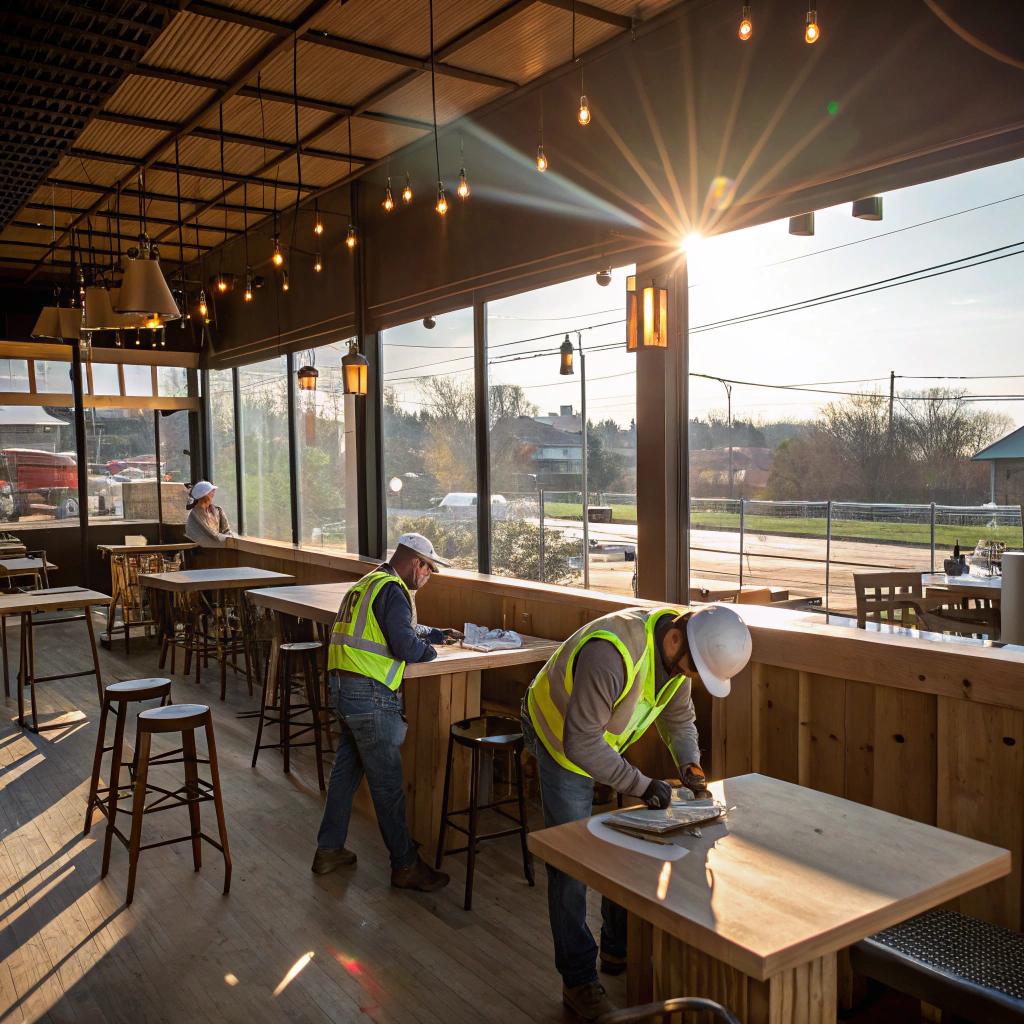
If you want to open or remodel a restaurant in Nashville, you usually hire a general contractor who has real experience with food service projects, not just houses or offices. Many General Contractors in Nashville TN can handle basic construction, but for a restaurant build you need one who understands health codes, kitchen equipment, exhaust hoods, grease traps, ADA rules, and tight service timelines.
That is the short answer. The longer story is a bit more complicated, and honestly, it is where many restaurant owners get stressed.
If you are more into recipes and menu ideas than floor drains and concrete footings, the whole construction side can feel like another language. I think that is normal. You do not need to become an architect, but you do need to know enough to pick the right contractor and ask the right questions.
Let us go through what matters for restaurant builds in Nashville, why the local code side is such a big factor, and how you can work with a contractor without losing focus on what you probably care about more: the food, the guest experience, and your staff.
Why restaurant projects are not just “another commercial job”
A restaurant build is different from an office, a retail store, or a simple tenant finish. If a contractor treats your kitchen like a break room with a bigger sink, that is usually a warning sign.
Think about what happens in a typical service:
- Multiple gas appliances running at once
- High heat and steam in the line and dish areas
- Constant hand washing and cleaning
- Grease, food waste, and heavy water use
- Frequent deliveries and trash runs through tight spaces
All of those things affect construction decisions. For example, your floor and floor drains affect how often you have to mop and how safe the back of house feels at 9 pm during a rush. Your hood and make-up air setup affect both comfort and energy costs. This is not just about looks.
Good restaurant contractors think about how the space works during a busy Saturday night, not just how it looks for photos on opening day.
I once walked through a new restaurant with a chef who had just taken over the space. The previous owner had sinks in odd spots, a low hood, and no place to stage plates before service. He said something like, “The food can be great, but this layout fights you every step.” That is what good construction planning tries to avoid.
What a general contractor actually does on a restaurant build
Some owners think the general contractor just “gets bids and manages people.” That is only part of it. On a restaurant project in Nashville, a contractor is usually involved in:
- Reviewing plans with your architect and kitchen designer
- Coordinating with Metro Nashville codes, fire marshal, and health department
- Scheduling trades like plumbers, electricians, HVAC crews, and concrete crews
- Ordering long-lead items such as hoods, walk-in coolers, and some fixtures
- Keeping the schedule on track while inspections, deliveries, and design changes collide
They also act as a kind of “filter” between your restaurant vision and the people who pour the concrete, hang the ductwork, and connect the gas lines.
A good contractor will push back on you sometimes, not just say yes to everything, because building codes and physics do not care about your Pinterest board.
You might want a certain kind of open flame in the dining room or a very low ceiling over the line. The contractor may say it is not possible under local code or that it will cause heat problems. That tension can be useful if you treat it as part of the process.
Local Nashville factors that affect restaurant builds
Nashville is not a small town anymore, and restaurant construction reflects that. There are some local conditions that make it different from building the same restaurant in a quiet suburb somewhere else.
Permits, inspections, and reviews
Metro Nashville has its own steps for plan review and permitting. For a restaurant, this often involves:
- Building permit
- Plumbing and mechanical permits
- Fire suppression and hood system review
- Health department review for kitchen and restrooms
Your contractor does not control the pace of city reviews, even though some people assume they do. What they can do is submit clear plans, respond quickly to comments, and schedule work in a realistic sequence so you do not sit idle for weeks.
Historic buildings and older structures
Many interesting restaurant locations in Nashville sit in older or partially renovated buildings. These spaces can have character, and also problems:
- Uneven or weak existing floors
- Old plumbing that is not ready for commercial kitchen loads
- Limited space for exhaust duct routes and make-up air
- Existing electrical service that is too small for modern equipment
I think this is where expectations sometimes clash. Owners want that “old brick building feel” but expect modern performance and comfort. A general contractor with restaurant experience in these types of spaces can explain what can be kept, what needs to be reinforced or replaced, and where costs are likely to rise.
Why concrete, drains, and structure matter more than you think
If you love food, concrete might sound boring. It is not the part you post on Instagram. But it affects how the kitchen feels every single day.
Floors and drainage in the kitchen
Restaurant kitchens use water constantly. If floors are not sloped correctly or drains are in the wrong place, you end up with standing water and slippery spots. That means more cleanup time and more risk for staff.
Some key details that a contractor has to manage:
- Locations of floor sinks and floor drains relative to equipment
- Proper slope of concrete toward drains without creating trip hazards
- Surface finish for both grip and cleanability, especially near fryers and dish areas
Bad drainage design will annoy your staff every single shift; good drainage almost disappears from your mind because it simply works.
Walk-in coolers and structural loads
Walk-ins, heavy cooking suites, dish machines, and bakery equipment can place a lot of weight in small areas. On upper floors or older slabs, a contractor has to check whether the structure can carry that load.
This affects where you put certain equipment. You might want your walk-in in a certain corner, but if the slab or framing cannot handle it, the contractor has to suggest a different location or reinforcement work.
How general contractors coordinate with your kitchen designer
Kitchen designers think about workflow, station layout, and menu needs. Contractors think about what can physically be built, vented, and drained.
You want them to talk to each other early, not argue on site while the hood is being installed.
| Kitchen Designer Focus | General Contractor Focus |
|---|---|
| Line layout, prep flow, service windows | Wall locations, structural needs, framing details |
| Equipment types and sizes | Power, gas, and water supply for each piece |
| Efficiency for staff movement | Code clearances, ADA routes, egress |
| Storage and prep zones | Floor slopes, drains, and waste routing |
I have seen layouts that looked great on paper, but when the contractor tried to route ductwork, the plan fell apart. A contractor with real kitchen experience will catch conflicts such as:
- Hood duct running through a structural beam location
- Drain lines fighting with existing foundations
- Equipment too close to walls or door swings for code clearances
What to ask when you interview general contractors
You do not need a perfect checklist, but some questions help you separate general commercial builders from restaurant builders.
Experience and reference questions
- How many restaurants have you built or remodeled in the last 3 to 5 years?
- Were they full-service, quick-service, or something in between?
- Can I visit one or two finished projects and talk briefly with the owners?
- What were the biggest problems on those jobs and how did you handle them?
If a contractor says, “We can do anything, we do all kinds of work,” but struggles to name recent restaurants, you might be a test case for them. That is not always bad, but you should know that.
Process and communication
- Who will be my main contact on site day to day?
- How often do you send schedule updates?
- How do you handle change orders and cost changes?
- How do you coordinate health, fire, and building inspections?
Pay attention to how clear or vague their answers feel. If they cannot explain their process plainly during an interview, you might feel lost once the job starts.
How construction decisions affect food, service, and staff
It is easy to think of construction as a one-time project, and operations as something separate. In practice, decisions made during construction affect daily work for years.
Kitchen layout vs ticket times
A few extra steps in the wrong spot can add seconds to every plate. Over a whole night, those seconds turn into longer ticket times and tired staff. For example:
- Location of expo relative to the pass and dish area
- Distance from prep to the line for frequent ingredients
- Where servers pick up and drop off plates and glassware
A contractor does not design the workflow, but they can flag when walls, doors, or columns might pinch key paths or create bottlenecks.
Noise and comfort
Open kitchens are popular, but they can be loud and hot. The contractor works with HVAC and acoustic details that affect:
- How much kitchen noise spills into dining areas
- How evenly the air moves through the dining room
- Whether staff feel constant drafts near doors or vents
If your dining room is too loud or too warm, guests stay shorter and order less. That is not just a comfort problem, it becomes a revenue problem.
Scheduling: how long a restaurant build usually takes
People often ask for a simple answer here, something like “12 weeks” or “6 months.” Reality does not always cooperate.
For a small tenant finish in a newer building, with clear plans, you might see construction in the range of 10 to 16 weeks once permits are in hand. For a larger or more complex restaurant, or for a space with major structural work, it can be much longer.
Some factors that stretch schedules:
- Late changes to layout or finishes
- Custom hoods, millwork, or imported fixtures
- Delays in electrical service upgrades
- Existing hidden issues in older buildings
- Slow responses during plan review or inspections
You will probably feel impatient at some point. Everyone does. The key is to know which delays are normal friction and which ones point to poor planning or weak management by the contractor.
Budget basics: where restaurant builds usually cost more
Restaurant construction often costs more per square foot than regular commercial space. Owners sometimes blame contractors for that, but much of it comes from the systems you need for cooking and health codes.
Major cost drivers
- Kitchen ventilation and fire suppression
- Grease waste handling and plumbing
- Electrical capacity for heavy equipment
- Floor finishes suitable for wet, greasy areas
- Walk-in coolers and specialized equipment
Many overruns come from items that were not clearly defined at the start. For example, if the original plans show “typical hood” and “typical line equipment” but you later choose a larger suite with heavier gas demand, the mechanical and gas piping scope changes too.
The more you decide early, before pricing, the less your budget will surprise you later.
How to reduce cost risk, without cutting what matters
Some owners try to save money by delaying design choices. That often has the opposite effect. A better approach is to:
- Lock in your core menu style early so kitchen needs are clearer
- Choose hood type, fuel type, and major equipment before final pricing
- Use finish options that match your concept but do not require rare materials
- Ask the contractor where simpler detailing would reduce labor without hurting function
You may have to compromise on some visual touches, but you probably do not want to compromise on ventilation, drainage, or electrical capacity. Those are hard and expensive to fix later.
Remodeling an existing restaurant vs building new
Renovating an older restaurant space can look cheaper at first, because some systems are already in place. In practice, remodels can be tricky and sometimes cost more than people expect.
Pros of using an existing restaurant space
- Existing hood and ductwork, if sized correctly
- Grease interceptors and main waste lines in place
- Some existing walk-in boxes and rough-ins
- Faster permitting in some cases, depending on scope
Cons and hidden problems
- Old equipment or systems not up to current code
- Worn-out kitchen floors that are hard to clean
- Mismatched layout that does not fit your menu or service style
- Unseen damage behind walls or under floors
A contractor with restaurant experience can walk the space with you and point out what is truly reusable and what is an illusion. Sometimes a “ready to go” kitchen is not really ready once you start looking closely.
How your priorities should guide contractor decisions
Some owners care deeply about the look of the dining room. Others care more about back-of-house function and ticket times. Ideally you balance both, but real budgets and real buildings force choices.
When you talk with contractors, be honest about your priorities:
- Is speed to opening your top concern?
- Is long-term durability more important than first impression?
- Are you planning to stay in the space for many years, or test a concept?
- Are you more worried about construction cost or about ongoing maintenance?
Contractors are not mind readers. If you do not explain your priorities, they may focus on things you do not care about, or skip details that matter to you a lot.
Working with a contractor without losing control of your restaurant vision
There is a balance here. Some owners try to control every screw and wire, which wastes time. Others step back completely and are surprised by basic layout choices they never reviewed.
A simple pattern that often works:
- Stay deeply involved in early layout and key system decisions
- Review drawings carefully for kitchen, bar, and restrooms
- Let the contractor handle typical details, like standard framing or backing
- Ask for regular walkthroughs during rough-in and before finishes
During walkthroughs, bring your chef or kitchen lead if you have one. They will notice small things that you might miss, such as outlet locations near prep zones or shelf heights that clash with daily tasks.
Common mistakes owners make when choosing a restaurant contractor
People sometimes repeat the same mistakes, even after hearing warnings. A few patterns come up a lot.
Choosing only on lowest price
Price matters, but the lowest bid is not always the best. Sometimes it reflects missed scope, overly optimistic scheduling, or weak allowances for mechanical and electrical work.
If one bid is far lower than the rest, ask:
- What assumptions did you make about kitchen equipment and hood size?
- What did you include or exclude for grease waste and interceptors?
- What are your allowances for finishes, fixtures, and lighting?
Ignoring restaurant references
Some owners are shy about calling other restaurateurs to ask how a project went. That hesitation can hurt you. Most people in the restaurant world will give you a straightforward view, because they know how hard the build process can be.
Ask prior clients about:
- Schedule honesty
- Quality of site supervision
- How the contractor handled mistakes or surprises
- Whether they would hire the same team again
Simple checklist before you sign with a contractor
Before you commit, it can help to run through a short mental checklist. Not a perfect science, but better than going on gut feeling alone.
- Have they built multiple restaurants of similar size and service style?
- Do they have someone on staff who knows local health and fire requirements for kitchens?
- Did they walk the site with you and talk about drainage, ventilation, and structure, not just paint colors?
- Do you understand how they handle change orders and schedule updates?
- Did they raise any tough questions you had not thought about yet?
That last one might be the most telling point. Contractors who only say “yes, no problem” to everything at the start sometimes struggle once real-world conflicts show up.
Quick Q&A: common questions about Nashville restaurant contractors
Q: Do I really need a contractor with restaurant experience, or can any commercial builder handle it?
A: Any licensed commercial builder can legally take the job, but restaurant projects have enough unique issues that experience matters a lot. Hood sizing, grease waste, health codes, and kitchen workflow all add layers that do not show up in regular office builds.
Q: Should I hire the contractor before my design is finished?
A: Many owners wait until drawings are close to complete, but involving a contractor a bit earlier can help catch constructability and cost issues. You do not need to hand over full control early, but having them review preliminary plans can save changes later.
Q: How closely should I involve my chef or kitchen manager in construction decisions?
A: Very closely for anything that affects workflow, storage, or equipment locations. Less for purely structural or code-driven choices. Kitchen staff live with the layout every day, so their input often catches small details that have big effects over time.
Q: If I already have a strong vision for the dining room, will a contractor try to change it?
A: They might suggest adjustments where your vision conflicts with code, structure, or budget. That does not mean your ideas are bad, just that some need to be adapted to real building conditions. The right contractor will explain the tradeoffs so you can decide where to hold firm and where to adjust.
Q: How do I know if my schedule expectations are realistic?
A: Ask each contractor to break the schedule into major phases and explain typical time frames they see in Nashville: permitting, rough-in, inspections, finishes, and final approvals. If your target dates are much tighter than their past projects, you might be taking on more risk than you realize.