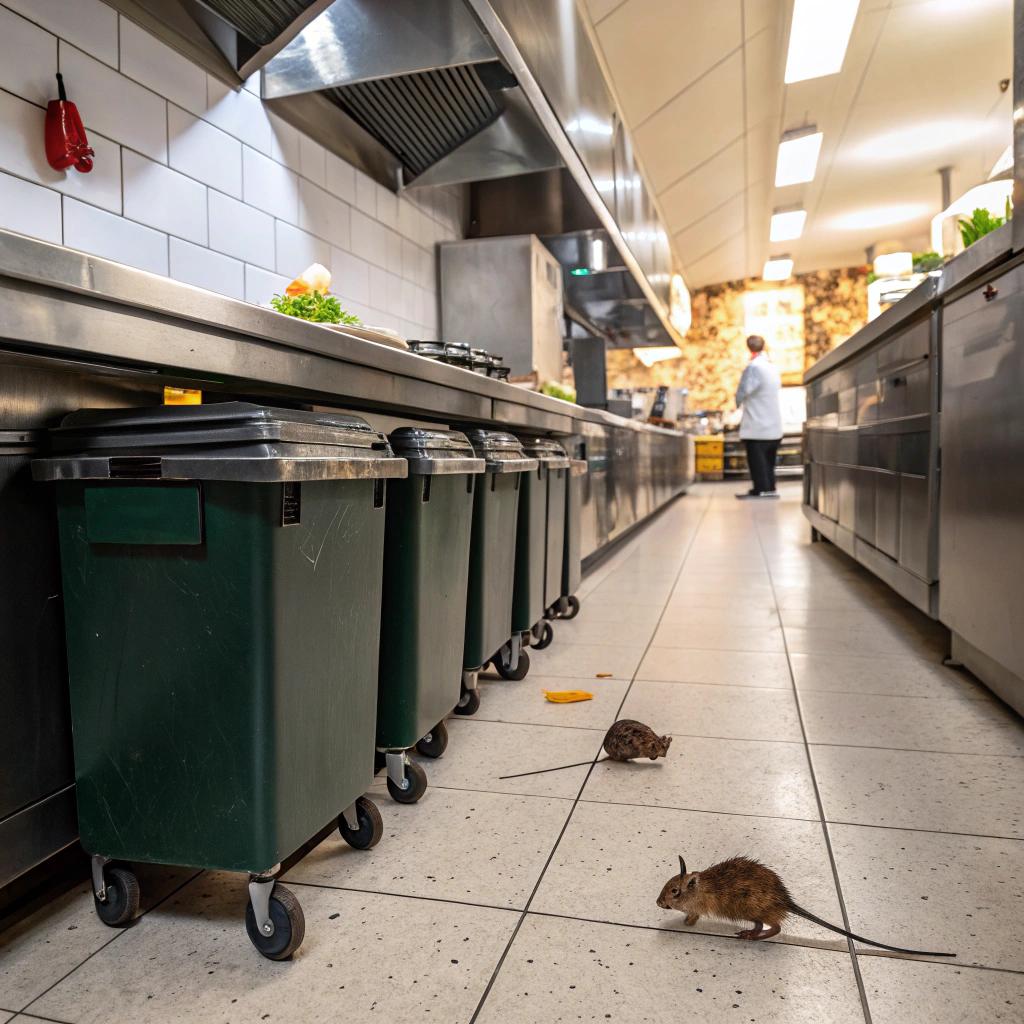
If you run a restaurant kitchen in Dallas and you are asking yourself how to keep rodents out, the simple answer is: seal every gap you can find, manage food and trash very tightly, train your team to spot early signs, and partner with a trusted rodent removal Dallas service when the problem is bigger than a few crumbs or one mouse. That is the short version. The longer version is a bit more complicated, and honestly, a bit less comfortable, because rodents love many of the same things your guests love: warmth, food, and quiet corners.
Why restaurant kitchens in Dallas are so attractive to rodents
Dallas has a mix of hot summers, mild winters, and heavy storms every now and then. Rodents adapt very well to that. They move in and out of buildings, find weak points, and settle close to food. A commercial kitchen, especially one that stays active for long hours, is almost like a permanent buffet.
Think about what your kitchen offers them:
- Regular food scraps and spills, often at predictable times
- Steam and heat that keep them warm, even in cooler months
- Cardboard boxes, insulation, and soft materials that are perfect for nesting
- Hidden areas behind equipment where people do not look every day
I remember walking into a late-night kitchen in a small bistro and seeing a single mouse dash behind a lowboy cooler. The chef shrugged and said, “It is just one.” A month later, they had droppings in the dry storage, and one of the line cooks saw a rat run behind the dish machine during service. That is how quickly it can grow when you treat one sighting as nothing.
Rodent problems in restaurants almost never stay small. One sighting means more are hiding.
So if you care about the food you plate, you have to care about what might be running behind the walls at 2 a.m.
Health risks that directly affect your menu and guests
Rodents are not only a “gross” issue. They create real health risks that can end up on your guests plates without anyone noticing.
What rodents can carry into your kitchen
Rats and mice can bring in:
- Bacteria like Salmonella and E. coli on their feet and droppings
- Parasites such as mites or fleas
- Urine and hair that contaminate surfaces and packaging
The problem is not always dramatic. You might not see a dead rat in the kitchen. It can be much quieter than that. A few droppings in a corner, a smear mark along a wall, or a bite mark on a rice bag can already mean contamination.
From a practical standpoint, that affects your menu and operations in a few ways:
- You may need to discard expensive stock, grain, and packaged food
- Cleaning times increase, which affects prep and staff fatigue
- Health inspectors can lower your grade, and that is public
Any sign of rodents in dry storage or prep areas means some part of your menu is at risk, even if you have not seen direct contamination on the plate yet.
That can sound dramatic, but it is realistic. And ignoring it because “no guest has complained” is risky thinking.
Common entry points in restaurant kitchens
Rodents do not need a big gap. A mouse can squeeze through a hole the size of a dime. A rat needs a bit more space, but not by much. In a busy kitchen, small gaps appear and stay unnoticed for months.
Typical weak spots you might be missing
From what I have seen, most restaurant kitchens in Dallas share a similar set of problem areas:
- Gaps around gas lines and water pipes
- Cracks at the base of walls, especially near mop sinks
- Unsealed floor drains or broken drain covers
- Holes where old equipment used to be installed
- Damaged door sweeps on back doors and loading doors
- Openings around HVAC lines and vents on the roof or side walls
It is very easy to focus on how clean your prep tables are and forget the 2-inch gap behind the walk-in where nobody ever crawls. I get why. You want to focus on food quality, not on the crack under the back door. But rodents focus on that crack.
How to inspect your kitchen for entry points
You do not need to turn into a contractor. You just need a basic plan. One practical approach is to walk the entire kitchen from floor to ceiling once a month and do a second walk from the outside of the building.
Here is a simple way to structure that check.
| Area | What to look for | Simple fix you can start with |
|---|---|---|
| Back doors / loading doors | Light showing under the door, gaps along the sides | Install or replace door sweeps, add weatherstripping |
| Under sinks and dishwashers | Open pipe holes, chewed wood or drywall | Fill gaps with steel wool and sealant, or metal plates |
| Behind coolers and ovens | Cracks in wall, droppings, grease trails | Clean, seal cracks with cement or caulk rated for pests |
| Dry storage walls and floor | Holes near corners, broken baseboards | Patch holes, install metal kick plates or new baseboards |
| Exterior walls and roof line | Gaps around vents, loose siding, openings near wires | Cover openings with wire mesh or metal flashing |
This is not glamorous work. It takes time, and sometimes you will feel like you are crawling around more than actually cooking. Still, that physical check is one of the strongest defenses you have.
Food storage habits that keep rodents away
If rodents cannot eat, they will not stay for long. Or at least they will not grow into a colony inside your kitchen. Many chefs already have strong food safety habits, but there are a few specific practices that matter a lot for rodent pressure.
Dry storage: not just about temperature and humidity
Dry storage is usually where rodents show up first, especially at night. You can keep it under control with a few rules.
- Keep all grain, flour, sugar, and rice in sealed containers, not in open bags
- Use food-grade plastic bins with tight lids or metal containers
- Raise containers off the floor at least a few inches
- Keep items 6 inches away from walls, so you can see behind them
- Rotate stock and avoid forgotten boxes in dark corners
I have seen places where a single torn rice bag on the bottom shelf turned into a nesting area. Staff swept around it for weeks, but nobody picked it up because they were in a rush every evening. That small pile of rice was all the food a family of mice needed.
Cold storage: still a factor
Rodents do not want to live inside your walk-in cooler, but they might run under it or behind it. The edges often collect food particles and water.
- Keep the edges around walk-ins clean and dry
- Check the rubber gaskets for chew marks or gaps
- Inspect insulation panels where they meet the floor
Even if rodents are not eating inside the cooler, those gaps can be entry spots into walls or ceiling spaces that connect to other parts of the building.
Trash, grease, and dish areas: your hidden attractors
Some kitchens are spotless on the line but chaotic near the dumpsters and dish pit. Rodents do not care about the plating station. They care about the food waste, soggy cardboard, and the grease smell by the back door.
Managing indoor trash
A few simple habits go a long way:
- Use trash bins with tight-fitting lids in prep and dish areas
- Empty trash on a planned schedule, not only when it is overflowing
- Wipe or rinse the inside of trash bins often, not once a month
- Clean any trash spills on the floor right away, even during a rush
It can feel annoying to stop and fix a leak from a ripped trash bag when you have tickets stacking up, but that extra minute may stop a nightly buffet for rats.
Outdoor dumpsters and grease traps
This is where many Dallas restaurants slip. The area behind the building becomes a quiet problem zone that no guest sees, but every rodent in the area knows very well.
- Keep dumpster lids closed; do not leave them propped open
- Place dumpsters on concrete if possible, not directly on soil
- Clean food spills around the dumpster daily
- Make sure grease trap lids are secure and not leaking
If the dumpster area smells like old food and grease, rodents already see it as a feeding ground, even if you have not spotted them yet.
It might help to walk that area as if you were a health inspector arriving unannounced. Ask yourself honestly: would you eat in your own restaurant after seeing this space?
Cleaning routines that actually reduce rodent risks
Most restaurants clean every day. The question is not if you clean, but how you clean. Rodent control needs more than a quick mop and wipe.
Daily cleaning priorities
Some tasks should be non-negotiable every night:
- Remove food from all prep tables and wipe them with detergent and sanitizer
- Pull out mobile equipment enough to sweep and mop behind and under
- Clean under the line, especially under fryers and flat tops
- Degrease floor edges where food might stick
- Rinse floor drains and remove trapped food bits
Is this always done perfectly? In reality, no. When service runs late, some corners get skipped. That is human. But if you skip behind the same piece of equipment three nights in a row, it starts to matter a lot more.
Weekly and monthly deep cleaning
Some tasks do not fit into a daily close, but still need structure.
- Moving heavy fixed equipment on a set schedule, even if it is hard
- Inspecting wall baseboards for cracks or chew marks
- Detail cleaning around electrical boxes, where food dust collects
- Checking ceiling tiles near the kitchen for droppings or noises
I think it helps to assign these tasks on a calendar and tie them to slow shifts. Otherwise, everyone says, “We will get to it soon,” and that “soon” never shows up until you call a professional because someone saw a rat at noon service.
Training your staff to be your early warning system
You cannot be in every corner of the restaurant at once. Your cooks, dishwashers, and servers are the ones who see things at odd times. If they feel like speaking up is complaining, they may say nothing.
What staff should watch for
Give your team a simple checklist of signs to report:
- Droppings that look like small black grains of rice
- Gnaw marks on baseboards, boxes, or bags
- Grease or dirt smears along lower walls
- Scratching sounds behind walls, especially at night
- Unusual smells in confined spaces, like stale urine
A quick five-minute chat during pre-shift once a week can be enough. Just ask, “Has anyone seen anything that looks like rodent activity?” Some people hesitate to mention it because they do not want to criticize the kitchen. You can change that by making it part of normal reporting, not a reason to blame someone.
How to respond when someone reports a sighting
This part matters. If a dishwasher says they saw a mouse and someone laughs it off, they probably will not mention the next sighting. Treat every report as real, even if you suspect it was a quick shadow.
- Thank the person for speaking up
- Ask them where and when they saw it
- Check the spot personally or send a manager
- Document it in a simple log, with date and time
You do not need a fancy system, but some written track of sightings and actions helps you see patterns. For example, three reports near the mop sink over two weeks might tell you there is a hidden entry behind a baseboard that looks fine from the front.
DIY traps and why they are not enough by themselves
Most restaurant owners will try some home-style fixes at first. A few snap traps in the corner. Maybe sticky traps near the back door. There is nothing wrong with that, but it can give a false sense of control.
What basic traps can and cannot do
Traps can help you:
- Catch a few rodents quickly
- Confirm that activity is present in a specific area
- Monitor whether your sealing and cleaning work is helping
But traps will not:
- Close entry points
- Reach nests inside walls or ceilings
- Handle large infestations safely and fully
Relying only on traps is a bit like mopping up a leak without fixing the pipe. It feels active, but it does not end the problem.
Placement tips if you still want to use traps
If you use traps as part of your plan, be careful and consistent.
- Place them along walls, not in the middle of open floors
- Put them behind equipment where rodents like to run
- Label a map of where each trap is, so staff know where they are
- Check and clean traps daily, before service
Also, be careful with poison baits in food areas. Those should really be managed by a professional, especially around a kitchen that serves the public.
Partnering with a professional service in Dallas
There is a point where calling a professional is not overreacting. It is just realistic. That point is usually earlier than many restaurant owners think. Once you have seen repeated droppings, heard activity in the ceiling at night, or staff have reported sightings more than once, the problem is often larger than what you see.
What a good service should offer you
If you talk to a professional rodent company, you can expect them to cover a few key areas:
- Full inspection inside and outside the building
- Identification of nesting areas and active travel routes
- Sealing entry points with materials that rodents cannot chew
- Safe trapping and removal methods designed for food businesses
- Regular follow-up visits instead of a one-time visit
I personally think the most helpful part is the fresh set of eyes. When you see your own kitchen every day, you stop noticing gaps or habits that look normal to you but stand out to a specialist.
Questions to ask before you sign a service contract
You do not have to accept the first quote. Ask a few direct questions:
- How often will you inspect and report on rodent activity?
- What materials will you use to seal entry points?
- How do you handle bait and traps around food areas?
- Can I see an example of the reports you provide?
A good provider should give you clear answers in plain language, not just technical jargon. If their reports are hard to read, you probably will not act on them, and then the benefit is smaller.
Building rodent control into your daily kitchen culture
You might be thinking that all this sounds like one more set of tasks on top of already long days. That is fair. Running a restaurant kitchen is already demanding. Still, when rodent control is treated as something you do “when there is time,” it often fades away.
Make it part of your existing routines
Instead of adding brand-new separate checklists, connect rodent checks to what you already do.
- During opening checks, add one quick walk to dry storage and the dumpster area
- During closing checks, verify that all food is stored and all lids are closed
- During weekly inventory, look behind shelves and under racks
These are small adjustments, but they help keep the topic active without feeling like a separate program that staff can ignore.
Use simple visual cues
You can mark problem areas with discreet stickers or colored tape in staff-only zones. For example, a small red dot near a known gap behind equipment can remind staff to check that spot and clean carefully. Some managers think this looks messy, but it can actually reduce “out of sight, out of mind” problems.
Rodent control works best when it is treated as part of kitchen discipline, not as an emergency project every time someone sees a tail.
Questions and straightforward answers
How often should I inspect my restaurant for rodent entry points?
A practical rhythm is a quick check every week and a deeper inspection every month. The weekly check can cover doors, dumpster areas, and obvious gaps. The monthly check should include moving equipment and looking at less visible corners. If your building is older or you have had problems before, you might lean toward more frequent checks for a while.
Do I really need a professional if I have only seen one mouse?
Can better food storage alone keep rodents away?
Good food storage helps a lot, but it cannot fully solve an active infestation. Sealed containers and clean shelves reduce the reward for rodents, so they are less likely to thrive. Still, if they already have a nest in your walls or ceiling, they may keep trying to find food. Storage, cleaning, and structural sealing all need to work together. Focusing on only one of these is not enough for long-term control.
Is it realistic to expect a restaurant kitchen to be completely rodent free?
In a city like Dallas, where buildings are close together and food businesses cluster, reaching absolute zero rodent presence forever is hard. What is realistic is to prevent infestations, keep sightings rare, and catch issues early when they appear. The goal is not perfection. The goal is control that protects your guests, your staff, and the food you care about serving every day.