If you love food and want profit from that interest without building a site from scratch, then yes, buying turnkey affiliate websites can work. It is not magic, and it will not run itself forever, but it gives you a ready site that can start earning faster than if you coded, designed, and wrote everything from zero.
That is the short answer. The longer answer is a bit messier, and I think more honest. Some people do well with these sites. Some do nothing after buying them and then blame the model. The difference often comes down to expectations, effort, and the niche you pick.
Why food lovers are unusually good fits for affiliate sites
If you already follow new restaurants, try recipes, or collect gadgets you never fully use, you are in a good position for this type of project. You already think about food a lot. That helps more than tech skills in many cases.
When people look for food content online, they often want to buy something in the same session. That might be:
- a pan
- a cookbook
- a knife set
- a pizza stone
- or just a bag of beans they saw on a coffee blog
This pattern makes the food niche friendly for affiliate sites. People search for problems and are open to products that solve them.
If you can explain clearly why a product helps in the kitchen or at the table, you already have half the skill you need for a food affiliate site.
You do not need to be a chef. You just need to understand what makes your own cooking easier and then talk about that in a way that feels honest.
What a ready affiliate site actually is (and what it is not)
There is a lot of confusion here, so it helps to be clear.
What you usually get
Most premade food affiliate sites share a few basic pieces. Parts and quality will differ, but the structure is roughly the same.
| Part | What it typically includes | Why it matters for a food niche |
|---|---|---|
| Domain | A registered domain tied to a food or cooking topic | Short, clear names are easier to remember and share |
| Design | A theme, logo, and basic layout | Helps images of dishes, tools, and recipes stand out |
| Content | Prewritten posts and product reviews | You start with something to edit instead of a blank page |
| Affiliate setup | Links to merchants like Amazon or food brands | Lets you earn when visitors buy through your links |
| Basic SEO | On page titles, tags, and simple structure | Helps search engines understand what your pages cover |
Some sellers also connect email tools, social accounts, or simple analytics. It depends on the package. The thing you should notice is that most of this is work you could do yourself. The point is speed and less trial and error, not mystery.
What these sites are not
This is where some sales pages are a bit misleading, in my view. A ready food affiliate site is not:
- a guarantee of income
- a substitute for writing or editing content
- a full business with a brand people already know
- a promise of ranking on the first page of Google
The site you buy is more like a base recipe. It saves time, but you still season it, fix what is off, and serve it your way.
People who treat it like a lottery ticket often get disappointed. People who see it as a head start usually do better.
Food niches that make more sense than others
Not every food topic is equal when it comes to affiliate earnings. Some are loaded with commercial intent, while others are more about inspiration or pure curiosity.
High intent topics
You can think about intent like this: if someone types a phrase into Google, how close are they to spending money?
Here are some food related themes where people often buy something soon after searching:
- Kitchen gear reviews, for example “best cast iron skillet for steak”
- Coffee and tea gear, for example grinders, kettles, espresso machines
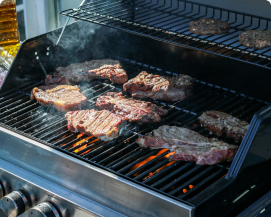
- BBQ and grilling tools, like smokers, thermometers, rubs
- Special diets, such as gluten free baking or keto snacks
- Meal prep containers and storage solutions
- High end ingredients, like truffle oil, specialty salts, or premium chocolate
These people are not just browsing. They have a problem. Their pan sticks. Their coffee is weak. Their bread does not rise. They want something that fixes it.
Lower intent topics
Some food niches get a lot of traffic but convert to sales much less. For example:
- General food quotes or funny memes
- Restaurant gossip or chef news
- Purely visual food art
You can still build a site around these, but you will likely need ads, sponsorships, or digital products at some point, not only affiliate links. For a first purchase of a premade site, I think picking a topic with clear shopping intent is safer.
Where food affiliate sites make money
Most ready sites for sale lean on a few common income channels. Knowing them helps you judge if a specific offer matches how you like to talk about food.
Affiliate programs you will see a lot
Typical sources of income on food related affiliate sites include:
- Amazon Associates for common kitchen tools, books, and gadgets
- Specialty shops selling coffee, tea, spices, or knives
- Meal kit or grocery delivery services that pay for referred customers
- Cooking course platforms paying per sale
Personally, I like sites that are not locked into only one merchant. If a cooking tool is cheaper somewhere else, you want the choice to link to that store. Readers notice when your recommendations match their wallets.
How content leads to clicks
The path from a reader visiting your page to clicking your links is not that complex. It usually follows a simple flow:
- They search for a question, like how to clean a cast iron pan.
- Your article explains the process in plain terms.
- While explaining, you mention a scrub brush or oil that helps.
- You link to that product on a merchant site.
- They click and buy. You earn a small cut.
The more honest and clear your explanations are, the more people will trust your links. Trust normally beats clever tricks over time.
That is another reason food lovers have an edge. You can sense which advice sounds fake. People can too.
Buying a premade site vs building your own
This is where many people struggle. Should you pay for a site or put in extra time and build it yourself? I do not think there is a single right answer, but there are real tradeoffs.
What you save with a ready site
You usually save:
- Time researching a domain name
- Time picking and tweaking a design
- Initial setup of WordPress or another system
- Basic structure like menus, categories, and key pages
- The pain of staring at an empty site with no content
This can remove a big mental barrier. Many people like the idea of a food blog or review site but never start because the tech feels heavy. A pre built option removes that first wall.
What you gain building from scratch
On the other side, building your own site teaches you skills that are hard to learn if everything is done for you. These include:
- How to install and manage themes and plugins
- How to structure content from the ground up
- How to pick a niche without anyone guiding you
Those skills help if you plan to build many sites later. The tradeoff is that your first site will probably be messier and slower to earn. That is not bad. It is just different.
Maybe a more honest question is: do you want to learn every step yourself right now, or do you mainly want something that can start earning while you learn on the job? If the second one sounds closer, a premade site begins to make sense.
Key things to check before you buy
Not every offer for an affiliate site is equal. Some are decent, some are lazy, and a few are very poor. Looking at a site the way you look at a new restaurant menu helps. Not everything on the list deserves to be ordered.
Content quality
Read several posts, not just one. Ask yourself:
- Would I send this article to a friend with a real question about cooking?
- Does it answer the title, or does it wander around?
- Are recipes clear and specific, or vague and rushed?
- Do product reviews explain pros and cons in simple words?
If the writing feels like it was spun by a machine, you will have extra editing work. That is not always bad, but the price should match the effort you will need to fix it.
Design and speed
Food content is visual. If the layout is cluttered or slow, you will lose people before they read your tips.
Open the site on a phone. Look at:
- How fast it loads
- How images look on a small screen
- Whether menus are easy to tap
- If ads or popups get in the way of recipes
Small flaws are fine. You can adjust themes and colors later. You just want to avoid a design that fights against you.
Traffic, earnings, and proof
If the site is described as “established” or claims past income, ask for proof. Screenshots are a start, but they can be edited. Access to read only analytics or a live screen share is better. If the seller refuses, I would be careful.
If it is a fresh site with no traffic and no income yet, that is different. Then you are mainly paying for setup work and research. In that case, judge more on niche choice and content quality.
Realistic expectations for profit
Some sales pages make it sound like you can buy a ready site and then sit back while money appears. That just does not match what most people see.
Profit depends on three main pieces:
- Traffic volume
- How well content converts to clicks and sales
- Your costs, including purchase price and any tools
Time frame
Search traffic in food niches can take months to build. Buying a site with existing posts helps, but you still need to:
- update old posts
- add new content
- earn links from other sites
I think a fair mindset is to look at the first 6 to 12 months as a building phase. Profit can appear earlier, but it is safer not to plan on that. If it happens, good. If not, you are not shocked.
How much is realistic
People often ask for income numbers, which is tricky. A small, focused food affiliate site might earn:
- nothing for a while
- then maybe tens of dollars a month
- then possibly hundreds, with work
Bigger numbers happen, but they usually come from many posts, strong links, and time. If someone claims you will replace a full salary in a month with no effort, I would walk away. That pitch is more fantasy than plan.
Simple steps after you purchase a site
Soon after you get access, you want to “make it yours”. Even if the site is done for you, it should not stay generic.
Step 1: Replace generic text and images
Start with your About page. Add a short note about who you are and why you care about food. Do not turn it into a life story. A few lines about your cooking style or restaurant habits are enough.
Swap stock images where you can. You do not need a perfect camera. Even phone photos of your own tools and dishes feel more real than generic pictures that appear on many sites.
Step 2: Read and edit top posts
Look at your most important posts, usually:
- product roundups, like “best blenders for smoothies”
- high traffic recipes or tutorials
- guides that link to many affiliate products
Read them out loud. Fix awkward sentences. Add missing steps. Maybe share a small mistake you made when trying that recipe or tool. People connect to that.
Step 3: Add one new high quality article per week
You do not need to post daily. Consistency matters more. One solid post per week that answers a real question is better than five rushed posts that say nothing new.
You can look for topics by thinking about your own kitchen problems:
- How did you stop rice from sticking to your pot?
- Which pan finally made searing steak easier for you?
- What tool solved your pasta draining spills?
These real problems turn into useful guides. You can then recommend products you use or have researched.
Traffic strategies that work well for food sites
Without visitors, even the best affiliate setup does nothing. Luckily, food content has several good ways to bring people in.
Search engines
Search traffic is slow, but stable once it grows. To help your posts show up:
- Use clear titles that match the question, like “How to clean a cast iron pan” instead of something vague
- Break recipes and guides into short steps
- Add alt text to images describing the dish or tool
- Link related posts to each other, for example from “best coffee grinders” to “how to store coffee beans”
You do not need fancy tricks. Simple structure and clear writing already put you ahead of many sites.
Social and visual platforms
Food content does well on visual channels because dishes and tools look appealing. You do not have to be everywhere. Pick one or two platforms you actually like using. That might be:
- Pinterest, with pins linking to your recipes and guides
- Instagram, with short tips and images of dishes or tools in use
- Short video platforms showing quick steps or results
I will say one thing that might sound odd. Do not let these platforms swallow all your time. Your site is the asset you own. Social profiles can help, but they should point back to longer content that lives on your site.
Where people go wrong with food affiliate sites
Seeing some common mistakes can help you avoid them. I have made at least half of these myself on various projects.
Too much focus on products, not enough on problems
Many sites push product links in every sentence. It feels like walking through a store where staff keep following you. Instead, start with real questions like:
- “Why does my sourdough not rise?”
- “How do I stop my pan from smoking?”
- “Which knife should I buy first for basic cooking?”
Then mention tools and ingredients naturally as part of the solution. People care less about the item and more about the result: better bread, cleaner pans, safer cuts.
Chasing every fancy gadget
It is easy to get carried away with the newest air fryer or smart oven. But your readers might be looking for simple things like a solid cutting board or a ladle that does not drip. High priced gear can pay higher commissions, but only if your audience actually needs it.
I think it helps to focus on tools that a normal home cook or small restaurant worker might use often. Premium items are fine, but sprinkle them in, do not build the whole site around them unless your niche is clearly luxury focused.
Ignoring local food and restaurant angles
This is a missed chance on many affiliate sites. People visiting a food site often care about where to eat, not just what to cook.
You can mix in:
- restaurant reviews in your area
- guides to local food markets or specialty shops
- interviews with chefs or bakers
These posts may not always send affiliate clicks, but they build your voice. They also give you angles for local partnerships later, like sponsored tastings or joint events. Profit is not only online clicks. Real world connections can lead to other income streams.
Are food affiliate sites passive income?
The phrase “passive income” gets used a lot in this space. Sometimes too much. Food affiliate sites can become low maintenance over time, but they are rarely fully passive.
Realistically, here is how the effort curve often looks:
| Phase | Typical duration | Your main tasks | Effort level |
|---|---|---|---|
| Setup and cleanup | 1 to 3 months | Edit content, fix design, connect affiliate programs | High |
| Growth | 6 to 18 months | Publish new posts, improve old ones, build traffic | Medium to high |
| Maintenance | After year 1 or 2 | Update key articles, test links, add occasional content | Low to medium |
Money can keep coming in even when you are not touching the site daily. That is where the passive feeling comes from. But reaching that stage usually requires real work up front.
Food lovers vs pure investors
There is one more angle that people do not talk about much. Some buyers treat these sites like any other asset. They buy, polish, and later sell them. Nothing wrong with that. But if you enjoy cooking or eating out, you have another type of gain besides profit.
You get to:
- test tools and ingredients you are curious about
- turn your kitchen experiments into content
- document your restaurant visits in a useful way
This mix of hobby and business can make work time feel lighter. It can also make your site sound more real because it grows from your own habits.
If you already think a lot about food, building income from that interest feels more natural than forcing yourself into a topic you do not care about.
Still, it is fair to say that not every food lover should buy a premade affiliate site. Some people will enjoy social media content more. Others might prefer a physical food business. You do not have to like websites to be serious about food.
Common questions about ready affiliate food sites
Can I run one if I am not great with tech?
Yes, as long as you are willing to learn basic tasks. If you can log into WordPress, edit text, upload an image, and copy paste a link, you can handle most of the daily work. You can always hire help later for more complex fixes.
Do I need to cook professionally?
No. Home cooks write many of the best guides because they know what other home cooks struggle with. Just be honest about your level. Do not claim to be a chef if you are not. People care more about clear, tested advice than perfect credentials.
What if my first site fails?
It might. That is the reality. Sometimes the niche is too crowded. Sometimes we lose interest. The useful part is that the skills you learn carry over. Your second site tends to be faster and cleaner, whether you buy it ready or build it yourself.
Is now a bad time to start, with so much competition?
I think this worry is half right and half wrong. Yes, there is more competition. It is harder to rank thin, weak content. That is good for people who care. Good recipes, honest reviews, and real stories still stand out. People never stop needing to eat, cook, and improve their kitchens. That gives room for new voices, even if the easy tricks stopped working.
How do I know if a specific site is right for me?
Try this quick test: read three of its posts and ask yourself if you feel like adding your name to them. If you feel proud or at least comfortable editing and sharing them, the fit is close. If you feel bored, confused, or a bit embarrassed by the tone, then you will fight the site instead of growing it.
So the real question is not only “Will this make money?” but also “Do I want to live with this topic and this style for the next few years?” Profit tends to follow when you can honestly answer yes to both.