If you love cooking, restaurants, or food content in general and you have been wondering where those ready-made food blogs making money from recipe links actually come from, the answer is simple: there are many affiliate websites for sale that are already set up, already monetized, and ready to grow. Some are basic starter sites with a few recipes and product reviews, others are full food brands with traffic and income history, and each type can work well if you choose carefully and treat it like a real project, not magic money.
Why food lovers and chefs are a good fit for affiliate sites
People who enjoy food content are different from people who just want a random side hustle. If you are reading a site about cooking and restaurants, there is a good chance you already:
- Experiment with recipes at home
- Talk about restaurants and kitchen gear with friends
- Have opinions about cookware, knives, or ingredients
- Follow chefs on YouTube or social media
All of that is raw material for an affiliate website.
When you write about food gear you actually use, or restaurants you visit, the content feels more real. People can tell when a review comes from someone who has at least touched the product. You do not need to be a Michelin-star chef. Basic cooking skills and honest reactions are enough.
If you already think about food all day, turning that habit into content is not a stretch, it is just a shift in how you share it.
Some food sites are just long shopping lists. You have seen them: ten affiliate links, no real story, no testing, no comments on taste or texture. These can make some money, but they are fragile. One search update or one new competitor and they fade.
When a food lover or chef owns the site, there is a better chance the reviews come from real use. That leads to returning readers, natural backlinks, and higher trust. Search engines tend to reward that over time, even if they move slowly and in strange ways.
Types of affiliate websites for food and cooking
Not every food affiliate site looks the same. If you are thinking about buying one, it helps to know the common types. Some are better for beginners, some need more time or budget.
Recipe blog with product links
This is the classic setup. You have recipes, photos, some cooking tips, and inside each recipe there are links to cookware, tools, or ingredients.
For example, a recipe for sourdough might link to:
- A specific digital scale
- A stand mixer
- A banneton basket
- The flour brand the author likes
Income usually comes from programs like Amazon Associates, grocery delivery partners, or specialty shops. The risk here is that simple recipes are everywhere. If the site only has very basic content, you will need to add your own twist: better step photos, tested timings for home ovens, or maybe pairing ideas for restaurants that serve similar dishes.
Kitchen gear review site
These sites focus on tools:
- Knives and knife sets
- Pots, pans, and Dutch ovens
- Small appliances like air fryers or espresso machines
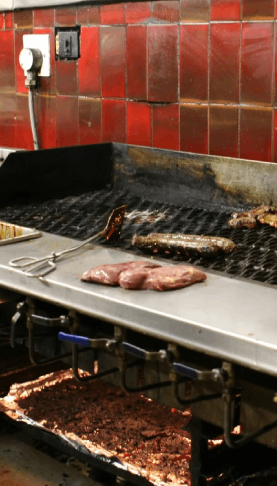
- Restaurant-style equipment for serious home cooks
The upside is that products like these can have higher prices, so commissions can be higher. The downside is that this space is crowded. If the site you buy only rewrites product descriptions, it will be hard to stand out. If you are actually a chef or work in a restaurant, you have an advantage here. You know how gear holds up in real use.
The strongest review content usually comes from someone who has burned a few pans and ruined a knife edge in a busy kitchen, then learned what actually works.
Restaurant and food experience site
Some affiliate sites focus less on home kitchens and more on:
- Restaurant reviews and local food guides
- Cooking classes or tasting tours
- Food subscription boxes and gourmet deliveries
The affiliate angles here might include vouchers, booking platforms, or subscription services. These sites can feel more like a food magazine. They work well if you enjoy going out, trying new places, and writing about them. The challenge is that they often need good photos and some travel or at least consistent local exploration.
Hybrid food lifestyle site
Many food sites mix recipes, gear reviews, and restaurant content. This can feel messy, but it is how people actually live. You cook, you go out, you buy things, you talk about it online. A hybrid site gives more room for personality. It also gives more directions for income streams.
If you buy a hybrid site, check whether it has a clear main topic. For example, “Italian home cooking with restaurant-style techniques” is clearer than “random food stuff.” You can always expand, but a strong center makes planning easier.
Where do these affiliate websites come from?
Many people build sites to flip later. They write initial content, get some traffic, and then list the site for sale to free their time or get a lump sum. There are also agencies that build premade sites on popular topics like air fryers, meal prep, or vegan recipes.
You might see terms like:
- Ready made websites for sale
- Premade affiliate websites
- Pre built affiliate websites
- Turnkey affiliate websites
- Turnkey niche websites
Some are true “starter” sites with no traffic yet. Others are “established websites for sale” with visitors and income history. Both can work, but in very different ways.
Starter vs established food affiliate sites
To keep things concrete, here is a basic comparison.
| Type | Typical price range | Traffic | Work needed | Who it suits |
|---|---|---|---|---|
| Starter / premade site | Low to medium | Little or none | High | People who want to shape the site from scratch |
| Established site with income | Higher (multiple of monthly profit) | Steady or growing | Medium | People who want something already working |
With starter sites, you are paying for structure and design. Maybe some initial content, logos, basic SEO, and monetization set up. Think of it like getting an empty restaurant that already has the tables, chairs, and kitchen installed, but no customers and no regulars yet.
With established sites, you are buying the “regulars” as well. There is traffic, some income, maybe an email list. You pay more because the risk is lower, at least in theory. You still need to check the numbers carefully.
Paying extra for a food site with stable traffic can save you months or years of slow growth, but only if that traffic is real and not artificially inflated.
How food affiliate sites usually make money
These sites do not all rely on a single income source. Several options tend to show up again and again, especially around cooking and restaurants.
Product affiliate links
The classic route is product links to platforms such as:
- Amazon (kitchen tools, books, gadgets)
- Specialty food stores (spices, imported goods)
- Cookware brands and direct-to-consumer tools
You might see phrases like “buy Amazon affiliate website” or “money making websites for sale” in listings. The real question is simpler: do readers actually click and buy, and is the commission rate decent?
Digital products and courses
Some food affiliate sites promote:
- Online cooking classes
- Meal planning apps
- Recipe e-books
These often pay higher commissions than physical products. They fit well with chefs who already teach or plan to teach. You can start by promoting other people’s products, then someday offer your own if that feels natural.
Restaurant and travel partnerships
If the site leans toward restaurant guides or dining, there may be links to:
- Booking platforms
- Food tours
- Hotel and travel services linked to food trips
This usually suits people in large cities or popular tourist areas, but even small regions can work if you become a trusted local voice.
Display ads
Many food blogs run ads from networks. Income here depends on traffic volume and audience location. It is often less personal than affiliate income, but it adds up when you publish more recipes and guides.
How to read a listing without getting lost
If you look at sites for sale, you will see a lot of numbers and phrases that sound impressive but may not matter for your goals. You do not need to be an investor to make sense of them, but you should be a bit skeptical.
Key things to check
- Traffic sources: Is traffic from search, social media, or paid ads? Search traffic is often more stable for food content, but no source is perfect.
- Traffic trend: Flat, rising, or falling? A sharp drop may mean a search penalty or lost rankings.
- Income proof: Screenshots from affiliate dashboards or ad networks are common. Ask for more if something feels unclear.
- Content quality: Are recipes tested? Are instructions clear? Do reviews sound human, or like generic text?
- Branding: Does the site have a name and feel that you like, or does it feel like a throwaway project?
I think people sometimes focus too heavily on short term monthly profit and forget to ask: would I be happy spending my evenings inside this site? For a food lover or chef, that question matters a lot.
Where to find food affiliate websites for sale
You probably know about big marketplaces where people list sites, including food and kitchen niches. Some people like them, some are tired of auctions and bidding wars. This is why you see more talk about “Flippa alternatives” and curated brokers.
In general, your options look something like this:
| Source type | Advantages | Drawbacks |
|---|---|---|
| Open marketplaces | Many listings, wide price range | Mixed quality, lots of competition |
| Specialized brokers | Pre-vetted sites, more guidance | Higher prices, more steps in the process |
| Direct from builders | Simpler deals, potential for support from builder | Smaller selection, quality depends on builder |
None of these is automatically better. If you are careful, all can work. If you rush, all can go wrong.
What food-focused buyers often forget to ask
People who like food sometimes concentrate on recipes and ignore the boring parts. That makes sense, but the boring parts decide if your project survives.
Hosting and technical side
Most turnkey affiliate websites come on WordPress or similar platforms. Before you buy, check:
- Which host the site uses and how easy it is to move
- What theme and plugins are installed
- Whether everything is updated or outdated
- Page speed, especially for image-heavy recipe pages
Food content is visual. If pages load slowly because of heavy pictures, people leave. You do not need advanced technical skill, but you should be ready to learn basic tasks like compressing images and running updates.
Content ownership and licenses
Ask if the photos are original, stock, or AI generated. Some food listings use stock images for every recipe, which can create problems if those images are not licensed correctly. If you are a chef or a home cook with a camera, this is where you can improve the site quickly by shooting your own dishes.
Affiliate program stability
Programs change commissions, close accounts, or adjust terms. A site that earns only from one program is fragile. Two or three income sources are safer. You can add more after buying, but check how dependent the site is on its current program.
What a realistic path looks like for a food lover
There is often a gap between how these websites are advertised and how they actually play out. Some people expect “passive income websites for sale” to act like a vending machine. You buy, you wait, and money drops out. That might work for a while with a rare gem, but it is not a reliable plan.
For most food lovers and chefs, a more honest path looks like this:
- You buy a site that already matches your interests, not just the highest current profit.
- You spend weeks or months learning where traffic comes from and which pages matter.
- You start replacing weak content with better recipes, clearer steps, and real photos.
- You add new posts that reflect your experience with cooking or restaurants.
- You slowly test new affiliate partners and maybe some digital offers.
Income in the first months may stay the same or even dip if you change a lot at once. Over time, if you keep publishing and improving, the site can grow beyond its starting point. There is no fixed timeline, and anyone who gives you one is guessing.
Ideas for chefs and restaurant people
If you work in a professional kitchen or own a restaurant, you bring a different type of credibility. You also have different constraints. You are probably tired and low on time. Still, there are angles you can use without turning your life upside down.
Behind-the-scenes content
People are curious about how restaurant food actually works. You could focus your site on things like:
- Tools that survive daily use on the line
- Prep tricks that home cooks can borrow
- Ingredient choices that matter versus ones that do not
You can link to tools you use, from basic chef knives to specialty pans. Your stories will likely sound different from generic “top 10 kitchen tools” articles, because you have real shifts behind you.
Menu-inspired home recipes
If you have signature dishes, you could share adapted versions for home kitchens. Not everything on a professional menu converts well, but elements often do. Sauces, marinades, sides, dessert bases. For each, you can talk about:
- The gear you prefer for that technique
- The ingredients that affect flavor the most
- The mistakes you see home cooks make
This is where your site can become more than a list of affiliate links. It becomes a place where people learn how restaurant-level thinking applies at home.
Ideas for serious home cooks
You might not work in a restaurant, but you cook a lot. You probably know what gear you trust and which recipes you repeat. That is enough to drive a focused affiliate site if you are honest about your level.
Specialized niches that still have room
Rather than trying to cover all of food, many people do better by narrowing down. For example:
- Gluten free baking with realistic ingredients
- Weeknight dinners for two in small kitchens
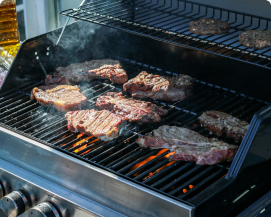
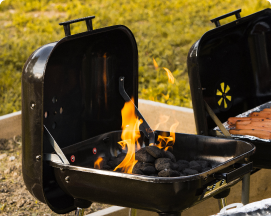
- Outdoor cooking on grills and smokers
- Budget-friendly cooking tools that last
When you buy a site, ask whether it already has a clear angle or if you will need to steer it in that direction. A narrow but deep topic can attract loyal readers, even if the total traffic is smaller.
Your own testing and honest notes
One simple way to stand out is to do what most people skip: test. For example, you might buy a food gear review site and decide to actually cook with each pan you mention, then write what went well and what annoyed you. Mention the flaws. Readers appreciate that, and search algorithms often pick up signals of real testing, even if it is not perfect.
Red flags when you look at food affiliate sites
Not all “done for you affiliate websites” are equal. Some are just shells filled with generic text. A few warning signs:
- Almost all posts have the same structure and similar wording, even on different topics
- No author info, no about page, no voice at all
- Stock images on every recipe, no consistency in style
- Very aggressive product linking with little actual instruction
- No social presence, no comments, no sign anyone reads the site
That does not mean such a site cannot be saved, but you should pay a “project” price, not a “fully working business” price. If a seller markets it as a passive income business opportunity but cannot show stable traffic or income proof, walk away or negotiate hard.
How much time do you really need?
This is where many people, including smart ones, are a bit unrealistic. They say they want a food site because they love cooking, then they plan to spend one hour each week on it. That rarely matches the work involved, especially in the first year.
A more honest rough guess for a small affiliate food site might be:
- 2 to 5 hours per week for maintenance and one simple post
- 5 to 10 hours per week if you want strong growth with photos and deeper guides
Shooting recipe photos, writing, editing, and formatting posts takes time. Writing restaurant reviews after a long shift also takes energy. Buying a done site saves you from technical setup, but not from ongoing content work.
Turning a purchased site into your own voice
One concern you might have is: if I buy a pre built site, will it always feel like someone else’s project? Not if you deliberately reshape it over time.
Steps to add your personality
- Write a real “About” page that explains who you are and why you care about food.
- Update one or two key posts each month with your own tips or clarifications.
- Add new photos where you can, even if they are not award-winning.
- Introduce simple stories, like a quick note about cooking a dish for family.
This does not need to happen all at once. Think of it like slowly re seasoning a cast iron pan. Each small update adds a bit of your flavor.
Is an automated food business realistic?
Some listings talk about “automated online business for sale” and promise very low involvement. Food is a tricky niche for that promise. Automation might help with:
- Social media posting
- Basic email sequences
- Formatting or internal linking with plugins
What it cannot replace, at least not well yet, is real cooking experience and taste. AI generated recipes and reviews exist, but they often miss nuance. If you care about food, you will probably want to read and adjust anything generated for your site anyway.
There is nothing wrong with using tools to save time. Just be honest with yourself: full automation rarely produces food content that readers trust long term.
Should you buy first or build from zero?
This is where some people disagree strongly. Some say you should never buy, only build. Others chase any money making websites for sale they see and flip repeatedly. For food lovers and chefs, the answer sits somewhere between those extremes.
- If you hate technical setup, a turnkey site can get you past the boring first hurdle.
- If you enjoy tinkering, building your own from zero might feel better and cost less.
- If you want income sooner and have some budget, an established site might make sense.
Personally, I think buying only works well if you treat the site as the starting point, not the final product. You still need to bring your taste, experience, and time. If you feel allergic to any ongoing work, then neither buying nor building is a good fit.
Common questions from food lovers thinking about affiliate sites
Q: Do I have to show my face or use my real name?
A: No, but it often helps. Food is personal. People feel more comfortable when they know who is behind the recipes or reviews. You can use a pen name if privacy matters. At minimum, give some consistent personality so the site does not feel like a generic catalog.
Q: What if my photography is not great?
A: You can start anyway. Good lighting and simple plating go a long way. Many readers care more about clear steps and reliable results than perfect styling. As you practice, your photos will improve. You can also mix your own photos with some licensed images, as long as the core content is yours.
Q: Is it too late to enter food niches now?
A: No, but it is more crowded. Generic “recipe sites” are hard to grow. Focus on a niche or angle where your experience actually helps. For example, a line cook’s guide to budget gear, or a home baker’s site about bread with limited ingredients. There is still space for clear, honest voices.
Q: Can a small food site really help my main career?
A: It can. A focused food site can act like a portfolio for chefs, restaurant owners, or food writers. It can show your style and thinking. It might bring side income, but it can also back up your reputation when people search your name or your restaurant.
Q: What is one simple step I can take this week?
A: List three food topics you never get tired of talking about. Then look at existing affiliate sites in those niches. Do not rush to buy. Just notice what you like and dislike. That small bit of research can clarify whether a purchased site feels right for you, or if you would rather start from an empty page.