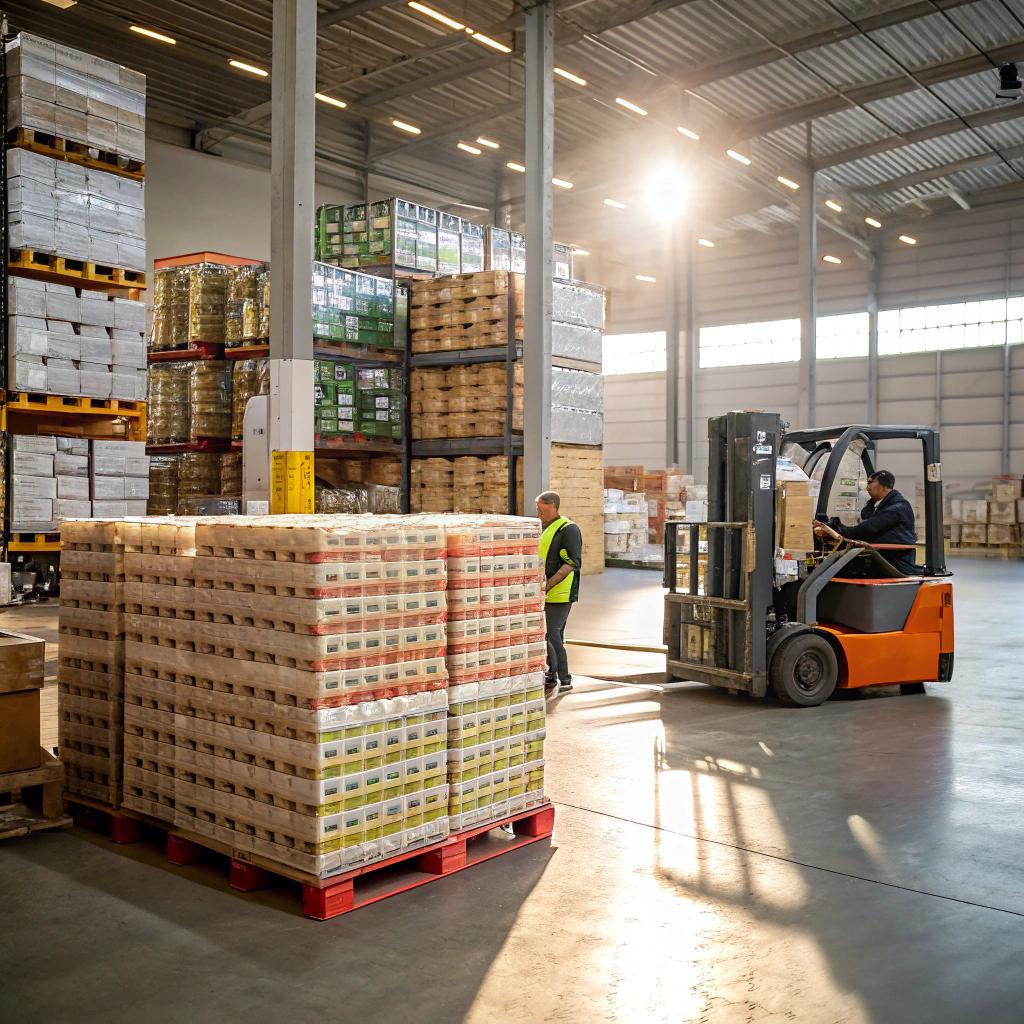
If you run a food brand, the three biggest 3PL warehouse costs you need to understand are storage fees, pick and pack fees, and freight / shipping related fees. Those three buckets, more than anything else, shape your margins, your menu prices, and how much cash you have left to spend on better ingredients or new recipes.
That is the short answer.
Now the longer one. If you are used to thinking about food cost, labor, and rent for a restaurant or a kitchen, 3PL pricing feels like a new language at first. It sits in the background, far away from your stove, but it still decides what you can charge for a jar of sauce or a frozen meal. And if you misread it by even 20 or 30 cents per unit, the numbers start to hurt pretty fast.
I will walk through these costs in plain terms, with a focus on how they connect to actual food products: sauces, snacks, frozen meals, bottled drinks, baking mixes, or meal kits. Think of it less like a finance lecture and more like a prep list for your logistics budget.
Why 3PL costs matter as much as food cost
In a restaurant, you probably know your food cost almost by heart. You can tell when saffron or butter goes up in price. But many food founders I talk to cannot say the same about their logistics cost per unit. They know they pay a 3PL, but not how that cost breaks down per jar or per case.
If you do not know your cost per unit including 3PL, you cannot price your product with confidence.
This is not just about saving money. It affects very practical questions:
- Can you offer free shipping without losing money?
- Should you sell single units online, or only in bundles?
- Does it make sense to run a promotion on your website?
- Is subscription a good model for your product?
To answer any of those, you need to understand how your 3PL bill is built. That bill usually revolves around three pillars:
- Storage
- Pick and pack
- Freight and shipping related fees
There are other charges, and I will touch on them, but these three do most of the damage or most of the help, depending on how you manage them.
1. Storage fees: what it really costs to sit on inventory
Storage looks simple at first glance. Your 3PL charges you to keep your products in their building. But food brands face a few twists that other brands do not deal with in the same way.
How storage fees are usually structured
You will typically see storage charged one of three ways:
- Per pallet per month
- Per shelf or bin per month
- Per cubic foot per month
For a food brand, pallets are very common, especially if you are shipping in from a co-packer or a food plant. Smaller direct to consumer products might use bins or shelves.
A simple example:
| Storage unit | Typical charge range | When food brands see this |
|---|---|---|
| Pallet (per month) | $10 to $30 per pallet | Cases of sauces, drinks, frozen boxes on pallets |
| Bin / shelf (per month) | $1 to $5 per bin | Small SKUs, spices, snacks, condiments |
| Cubic foot (per month) | $0.50 to $1.50 per cubic foot | Mixed products, irregular cartons |
Prices vary a lot by city, temperature needs, and how much space you take. But the structure looks similar.
Ambient, refrigerated, and frozen: different cost worlds
Food complicates storage because of temperature. A shelf stable spice mix does not live in the same part of the warehouse as frozen dumplings.
- Ambient storage is for shelf stable items like chips, canned goods, dry pasta, or sauces that do not need refrigeration before opening.
- Refrigerated storage is for chilled products, often fresh items, dairy, or some drinks.
- Frozen storage is for ice cream, frozen meals, frozen meat, and similar products.
As you go from ambient to refrigerated to frozen, storage cost usually goes up. Freezer space is expensive to build and maintain, and power costs are not small.
A frozen brand that misjudges storage cost can lose more margin on warehouse rent than on ingredients.
If you are planning a frozen or refrigerated line after running a shelf stable one, do not assume the same storage math will work. It will not.
How slow inventory punishes your margins
Think about a pallet of your product that sits in the warehouse for four months instead of one. You pay storage each month. If your pallet fee is $20, that pallet now costs you $80 instead of $20. Spread across the units, your cost per unit changed a lot.
A quick example:
| Units per pallet | Months in storage | Storage per pallet per month | Storage cost per unit |
|---|---|---|---|
| 1,000 | 1 | $20 | $0.02 |
| 1,000 | 4 | $20 | $0.08 |
Six cents per unit might not sound scary, until you realize your margin was maybe $0.50 per jar before that. Then it is more than a 10 percent hit, just because inventory moved slower than expected. For chilled or frozen, those numbers climb faster.
Expiry dates, FEFO, and food waste
Food products have expiry or best by dates, which adds another twist. Many 3PLs will use FEFO (First Expired, First Out) instead of simple FIFO (First In, First Out). That is good, it reduces waste. But it also means that if you carry too much inventory, you might end up paying storage on items that you later cannot ship at all.
This is one area where food brands can learn from restaurant prep habits. You would not prep three weeks worth of fresh herbs because you know they will spoil. With 3PL inventory, the same idea applies, just on a slower time scale.
Questions to ask your 3PL about storage
If you are talking to a 3PL, here are some useful questions you can ask to get past the surface numbers:
- How do you measure my storage usage: pallet count, average daily volume, or peak volume?
- Is there a different rate for ambient, refrigerated, and frozen storage?
- Do you bill storage on calendar month or 30 day cycles?
- What happens if my inventory grows a lot for seasonal demand, like holiday food gifts?
- How do you handle products that near expiry?
It might feel like too much detail. It is not. These answers change your cost per unit, sometimes by more than your packaging or your label design.
2. Pick and pack fees: the cost of getting a product into a box
Storage is about space. Pick and pack is about labor. This is where your food actually gets pulled from a shelf or pallet, checked, packed into a box, and made ready to ship.
Typical pick and pack structure
Most 3PLs charge pick and pack in some mix of:
- A base fee per order
- An extra fee per item picked
- Box and packing material costs
A common pattern looks like this:
- $1.50 per order
- +$0.20 per unit picked
- +$0.50 to $1.00 for the shipping box and materials
So an order with 1 jar might cost you $1.50 + $0.20 + $0.75 = $2.45 in pick and pack, before you even pay for shipping. An order with 6 jars might be $1.50 + (6 x $0.20) + $0.90 = $3.60.
Which one is better for you? The second one, by far, at least per jar. Your per unit handling cost is much lower.
Small food orders feel cute and friendly to the customer, but they are usually the most expensive per unit for you.
Why food brands often pay more per order
Food products bring a few extra handling needs:
- Fragile glass jars, bottles, or cartons that need careful wrapping
- Temperature sensitive products that need cold packs or insulated liners
- Special inserts like allergen cards, instructions, or recipe cards
- Multi component kits, for example a meal kit with sauces, toppings, and a main item
Each extra step takes time. Time is money in a warehouse. If your packaging is hard to handle, your pick and pack cost will quietly creep up, even if the base rates look the same on paper.
Impact of order design: single unit vs bundles vs cases
This is where your menu design, in a sense, meets your logistics. The way you set up your online store shapes your 3PL bill.
Consider three order types for a sauce brand:
| Order type | Units in order | Pick & pack cost (example) | Cost per unit |
|---|---|---|---|
| Single jar | 1 | $2.45 | $2.45 per jar |
| 3 jar bundle | 3 | $3.05 | $1.02 per jar |
| 12 jar case | 12 | $4.90 | $0.41 per jar |
Again, numbers vary by 3PL, but the pattern holds in most real setups. Larger orders are cheaper per unit on handling.
This is why many food brands:
- Push bundles instead of single units
- Offer free shipping above a certain cart value
- Give subscriptions a better discount
They are not just being nice. They are trying to get the average order value high enough to cover both handling and shipping cost.
Cold chain handling and insulated packaging
If you ship frozen or refrigerated products direct to consumer, pick and pack becomes more involved. Workers need to pack gel packs, insulated liners, sometimes dry ice, and in many cases use special boxes.
This can show up as:
- Higher pick fee for cold shipments
- Separate line items for cold packs and liners
- Higher box costs because you use thicker or insulated cartons
For a premium frozen product, your packing materials alone can cost $3 to $5 per shipment. That is before labor and shipping. If your product sells for $12, the room for error is small.
Packaging design mistakes that raise pick and pack cost
Some packaging choices look great on the shelf in a store but behave badly in a warehouse. A few common patterns:
- Odd shaped bottles that do not stack well in shipping boxes
- Very heavy glass jars that break easily if not padded a lot
- Outer packaging that is easy to crush
- Many small components in one kit that need manual counting
I once watched a warehouse team pack a holiday food gift set with 8 different small items, custom tissue, a branded box, and a note. It looked nice, but the worker spent several minutes on each box. That brand paid heavily in labor. A simpler design could have cut handling time in half with almost no change in the customer experience.
Questions to ask your 3PL about pick and pack
Here are some questions that can help keep surprises away:
- What is your base pick and pack fee per order?
- How do you charge for additional items in the same order?
- Is there a different rate for cold chain orders?
- Can we see time studies or examples for similar food brands?
- Are there packaging formats that would make handling easier and cheaper?
You might not like all the answers, but at least you will have a clear view before you commit to long term pricing with your customers.
3. Freight and shipping related costs: UPS, LTL, and everything in between
The third major cost pillar is the movement itself: inbound freight into the warehouse, outbound shipping to your customers or retailers, and sometimes transfers between facilities.
Inbound freight to the 3PL
Every pallet that reaches your 3PL had to get there. You might be paying:
- Full truckload or less than truckload (LTL) from your co-packer
- Small parcel deliveries if you receive smaller quantities
- Import freight from overseas production
These costs are often forgotten when brands talk about 3PL spending, but they belong in your per unit calculation. For food brands that manufacture in a different state or country, inbound freight can be a big slice of cost.
Think of a pallet of bottled drinks moving from a midwest plant to a coastal 3PL. If you pay $250 for that shipment and have 1,000 bottles on the pallet, you just added $0.25 per bottle before any storage or handling.
Outbound parcel shipping for DTC orders
This is the part that most founders feel: the UPS, FedEx, or postal bill. Outbound shipping costs depend on:
- Weight of the order
- Box size
- Shipping distance and speed
- Carrier discounts your 3PL passes through
Food products can work against you on weight. Glass jars, metal cans, and liquids are not light. A small box with 3 jars of sauce can weigh more than a box with 3 t shirts. So even if the carton looks small on the outside, the carrier charges more.
Dimensional weight, which blends size and weight, can be a problem if your packaging is large but light, like big bags of chips in puffy bags. Then you are paying for air. Literally.
Zone shipping and warehouse location
Carriers divide the country into zones. The farther your shipment travels, the higher the zone, the higher the price. This is why warehouse location matters a lot for national food brands.
A brand with a single 3PL on one coast will often pay high zone charges to reach customers on the other coast. A two warehouse setup, east and west, can reduce average shipping distance, but of course you now pay for two sets of storage and inbound freight.
Sometimes adding a second warehouse saves money, sometimes it just adds complexity. Run the math, not just the theory.
I have seen brands rush into multi warehouse setups because it sounded more advanced, then realize their volume was not high enough to justify the extra complexity and safety stock.
Freight to retailers, distributors, and food service
If you sell to grocery stores, restaurants, or distributors, you might ship full cases or pallets via LTL or truckload. The cost structure is different from parcel, but the basic concern is similar: distance, weight, and how often you ship.
Some 3PLs can help you combine orders, schedule efficient pickups, and hit retailer routing rules. Others are more hands off. If retail is a big part of your plan, you should ask clearly how they handle this, especially for chains with strict delivery windows or penalties.
Extra fees that hide inside shipping
Many 3PL invoices contain extra line items around freight. A few common ones:
- Residential delivery surcharges
- Fuel surcharges from carriers
- Liftgate or appointment fees for pallet deliveries
- Address correction fees
- Saturday delivery upcharges
Individually these seem tiny. Together they can be meaningful. If you see strange little charges on every invoice, you are not crazy if you ask for a clean breakdown and examples. Some brands ignore these, then later find they quietly removed several percentage points of margin.
Other 3PL costs food brands should not ignore
So far we covered the big three. But food brands also run into a handful of other warehouse costs that touch the P&L more than people expect.
Receiving and intake
Most 3PLs charge for receiving inbound goods. For food, receiving might include:
- Counting and checking pallets and cases
- Recording batch or lot numbers
- Scanning expiry dates for FEFO tracking
Some 3PLs price receiving by the pallet, some by the hour. If you have a lot of different SKUs, or if your suppliers pack irregularly, receiving can take longer and cost more.
Special projects: labeling, rework, and kitting
Food brands often need small projects outside the daily routine:
- Adding new nutrition labels or stickers for different markets
- Building variety packs from existing single flavor cases
- Reboxing damaged cartons into new cases
These are usually billed by the hour or per unit. If you plan to run frequent promotions or change packaging often, you should expect a line in your budget for these projects.
Disposal and write offs
If products expire or cannot be sold, someone has to dispose of them. Many 3PLs charge disposal fees, especially for food waste, which has to follow local rules. It is not just the lost product cost. It is also the fee for removing it.
Again, the best way to reduce this cost is upstream: better demand planning, smaller production runs at first, and more honest sales forecasts.
How to think about total cost per unit
All of these numbers can feel scattered. A more helpful way is to build a simple cost per unit model that includes everything from factory gate to customer doorstep.
A simple per unit cost breakdown
Let us take a jarred sauce sold direct to consumer and see how a full per unit cost could look. These numbers are rough, but they show the structure.
| Cost element | Example cost per jar |
|---|---|
| Manufacturing (ingredients + labor + packaging) | $2.00 |
| Inbound freight to 3PL | $0.15 |
| Storage (average 2 months) | $0.05 |
| Pick & pack (3 jar bundle, per jar) | $1.02 |
| Shipping (customer pays part, you cover part) | $0.75 |
| Packaging inserts, recipe card, etc | $0.10 |
| Total landed cost per jar | $4.07 |
If you sell that jar for $7.99, then every discount, promo, or free shipping offer has to work around that $4.07 base. Many brands focus only on the $2.00 ingredient and packaging cost and forget the rest, which can more than double the true cost.
Common blind spots
Food brands, especially early ones, often underestimate:
- How much shipping boxes and packing materials cost, especially for cold chain
- How slow moving SKUs raise storage cost
- How painful single unit orders are on handling
- How discounts on retail cases do not always translate well to direct to consumer bundles
If you are about to launch, I would suggest building a spreadsheet that breaks out each cost like in the table above, then playing with scenarios. What happens if you sell only single units? What if shipping prices increase by 10 percent? What if demand is half what you expect and inventory sits longer?
Choosing a 3PL that fits a food brand, not the other way around
There is no single right 3PL for every food brand. A snack brand that ships only cases to grocery chains has very different needs than a frozen meal company that ships direct to consumer every day.
Questions beyond headline pricing
When you talk to potential 3PL partners, it is tempting to compare only the base rates. But there are some softer questions that matter just as much:
- Do they already handle food products, and which ones?
- How do they manage lot tracking and expiry?
- What is their damage rate for glass or fragile products?
- Can they handle seasonal spikes, like holiday gift boxes or summer BBQ sauces?
- How often do they adjust pricing, and why?
Sometimes a cheaper 3PL on paper ends up more expensive in practice, because of higher damage, slower shipping, or more frequent mistakes.
Thinking about service levels vs cost
There is always a tradeoff between cost and service. Faster, more careful handling usually costs more. For some products and brands, that is worth it. For others, a more basic service is fine.
A specialty chocolate brand that melts easily may need a 3PL with strong cold chain and careful handling, even if the rates are higher. A shelf stable pantry brand with tough packaging might be able to use a simpler setup and focus more on low cost.
The key is to match your needs to the right cost structure, not chase the lowest price on every individual fee.
How 3PL costs show up in restaurant and food service channels
If your background is in restaurants, you might be wondering how all this connects to your world. There are a few overlaps worth calling out.
Central kitchens and 3PL thinking
Many restaurant groups now use central kitchens or commissary models to prep key items, then ship them to locations. The cost structure starts to look a lot like a small 3PL:
- Storage of prepared items and dry goods
- Picking and assembly for each store or event
- Local freight to restaurants
If you think this way, it can change how you plan menus. Dishes that use shared prep items across many locations tend to lower your logistics cost per plate.
Food brands selling into restaurants
If you run a packaged food brand that also sells to food service, like a sauce or a dessert component, the same 3PL costs affect your pricing to restaurants. Chefs often react strongly to small jumps in price per unit on ingredients. Understanding your logistics cost helps you explain price changes with more clarity and honesty.
Practical steps to get control over your 3PL costs
All this theory is only useful if you can act on it. Here are some direct steps you can take, whether you are new to 3PLs or already using one.
1. Build one clean cost per unit model
Take your most popular SKU and build a full per unit cost picture that includes:
- Manufacturing cost
- Inbound freight
- Storage
- Pick and pack
- Boxes and packing materials
- Average shipping subsidy per order
Do not guess. Ask your 3PL for the last three months of invoices and work from those numbers. It might take a few hours the first time, but once you have the template, you can adjust easily.
2. Track slow movers and expensive SKUs
Look at which SKUs sit longest in storage and which orders cost the most per unit to fulfill. You may find that a beloved but slow moving flavor costs more in storage and handling than its margin justifies.
Sometimes the hard choice is to retire a SKU, not because nobody likes it, but because the logistics math does not work.
3. Nudge customer behavior with your online store
Your website is one of the best tools you have to shape logistics cost, if you sell direct to consumer. Simple changes can help:
- Show bundles more prominently than single units
- Set free shipping thresholds a bit above your current average order value
- Offer perks for picking subscription or larger sizes
None of these are tricks. They just align your customers wishes with what keeps your cost per unit healthy.
4. Review invoices regularly, not once a year
3PL pricing is not something you can set and forget. Carriers change rates, fuel costs move, your volume pattern shifts across seasons. If you only review costs once a year, you will likely miss slow drifts that hurt you.
A monthly 30 minute review of your 3PL invoice can save far more than it costs in time.
Look for strange new fees, rising storage for certain SKUs, or steady increases in packing materials. Then ask specific questions. Most 3PLs respond better to concrete, data backed questions than to vague complaints.
Questions food founders often ask about 3PL warehouse costs
Q: What is the single biggest 3PL cost I should watch first?
A: For most food brands, outbound shipping plus pick and pack for direct to consumer orders is the largest combined cost. If you only have energy to dig into one area this month, start there. Storage matters, but shipping and handling usually move faster and hit your P&L harder.
Q: Is it cheaper to self fulfill from my kitchen or small warehouse?
A: Sometimes yes, sometimes no. Self fulfillment can be cheaper at very low volume, especially if you already pay rent and can store product on site. But as you grow, the hidden costs of labor, packaging, carrier negotiations, and mistakes add up. A 3PL spreads those costs across many clients. The best way to know is to price out your true per order labor and material cost in your own operation, then compare with actual 3PL quotes.
Q: How often should I renegotiate or revisit 3PL pricing?
A: I think once a year is a reasonable target for a deeper review, with lighter monthly checks on invoices. If your volume changes by 30 percent or more, up or down, that is another good trigger to revisit pricing. Carriers adjust often, so your 3PL may be willing to look again, especially if your volume or order profile has shifted in a way that helps their operation.