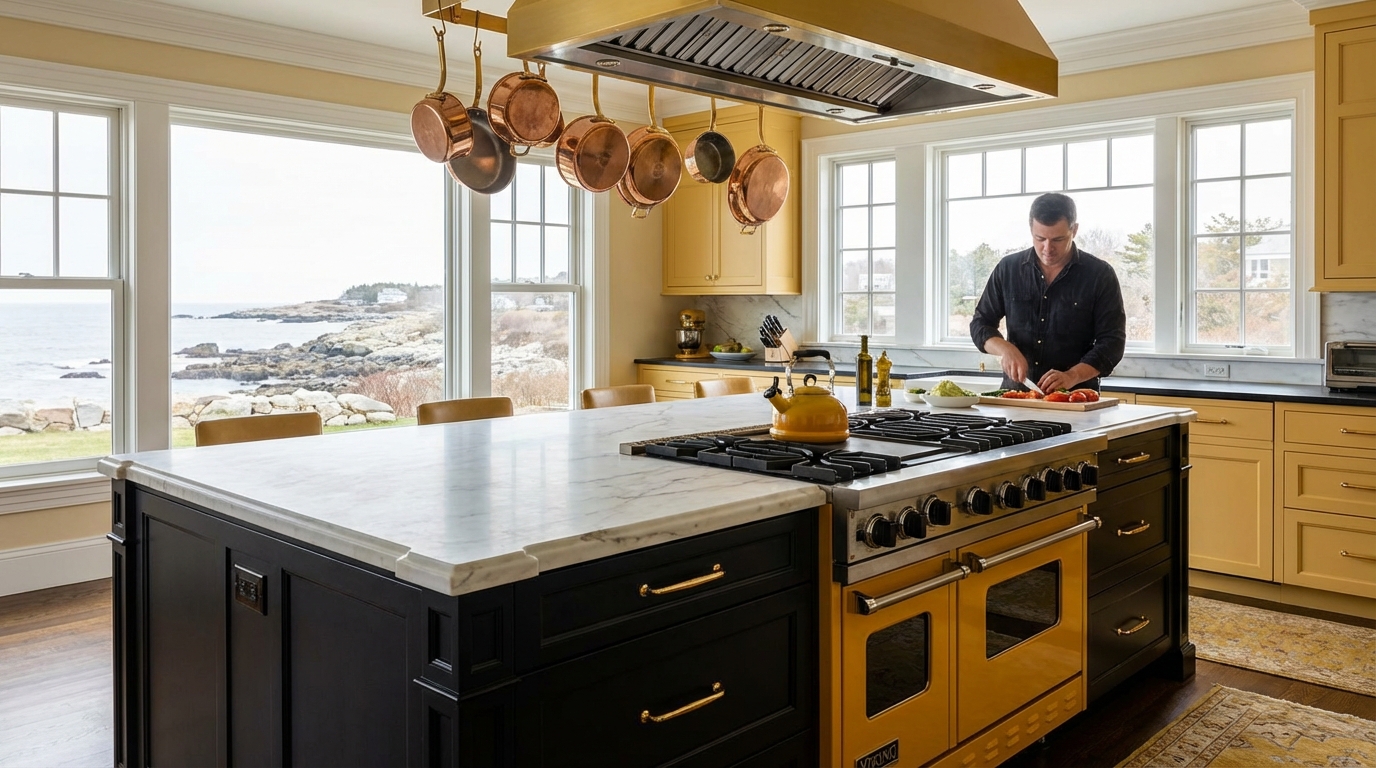
If you love to cook and you live in or near Rockport, then yes, Rockport residential remodeling can absolutely make your home work better for serious cooking. The right layout, storage, appliances, and even small details like lighting and outlet placement can change your daily routine in the kitchen in a very real way. When a project is planned well, your kitchen stops fighting against you and starts to feel like a tool that helps you cook.
That sounds a little dramatic, but if you have ever tried to make a big holiday meal on a tiny bit of counter space, you know what I mean. And if you are looking at Rockport bathroom remodeling for a full home project, not just a small facelift, your choices in the kitchen can drive the whole design of the house.
Cooking first, everything else second
Many kitchen remodels focus on looks. New cabinets, new countertops, fresh paint. It is nice, but if you really cook, function comes first. You care about where the knives go more than you care about the door style.
Strong kitchen design for home cooks starts with how you move, not how the room looks in a photo.
Ask yourself a few blunt questions:
- Where do you put hot pans when they come out of the oven?
- How many cutting boards do you use in a normal dinner?
- Do you bake often, or are you mostly searing and sautéing?
- Do you shop once a week or almost every day?
- Do guests hang around while you cook, or do you like to be alone?
These answers should steer the remodel more than cabinet brochures. If you bake a lot, you probably need a big, cool surface and storage for pans, not just an impressive range. If you roast and sear more, maybe you care about a strong hood and a sturdy cooktop.
I think too many people start with “I want an island” when the better starting point is “how do I actually cook right now and how do I want that to feel different a year from now”. The island might still make sense, but the order of thinking matters.
Planning the layout for real cooking
You can cook well in a small galley kitchen and you can struggle in a huge open one. Size helps, but layout matters more. The old “work triangle” idea (sink, fridge, stove) is fine, but if you cook a lot, you need more detail than that.
Zones instead of a simple triangle
Think of your kitchen in zones. It sounds a bit formal, yet it matches how your body moves.
- Prep zone: where you cut, peel, season, and assemble
- Cooking zone: the range or cooktop, oven, and nearby tools
- Cleanup zone: sink, dishwasher, trash and compost
- Storage zone: pantry, fridge, dry goods, bulk staples
- Baking zone: if you bake often, this can be its own area
In Rockport homes, kitchens often open toward a view or a living area. That can be great, but it can also pull the sink or range far away from good prep space. When you plan a remodel, try to place at least one large, clear prep area between the sink and the range. Even a 36 inch run of open counter can change how calm your cooking feels.
If you can chop, season, and slide food right into the pan without walking around someone or something, the layout is working.
Island or no island
People ask for islands a lot. Sometimes they help, sometimes they turn into a traffic jam. If your kitchen is narrow, a peninsula with seating on one side might work better. If people often gather while you cook, you want a clear line that separates the cooking path from the sitting path.
A quick test: take your current kitchen and imagine one extra person in it during a busy meal. Where do you bump into each other? That spot often needs more space in the remodel, or a different flow.
Walkways and clearances that actually work
A few useful numbers, not as rules, but as checks:
| Area | Comfortable width | Why it matters for cooking |
|---|---|---|
| Walkway behind cook | 42 to 48 inches | Lets someone pass behind you without you stepping away from the stove |
| Main prep counter length | 36 to 60 inches | Enough room for cutting board, ingredients, and a landing area |
| Space between island and cabinets | 42 inches | Lets dishwasher door open while someone walks by |
| Landing space near cooktop | At least 12 inches each side | Place for hot pans, oils, and utensils |
These targets help, but I would not treat them like a strict code. Some Rockport homes have odd walls, or windows you do not want to lose. You work with what you have. Just do not let fancy cabinets squeeze out basic movement space.
Storage that matches how you cook
Storage is the part people like to talk about, but I think it is often planned backward. Many designs start with long top cabinets and then you try to fit your gear in. For a serious home cook, it should be the opposite. List your gear, your staples, and your habits, then design storage around that.
Make a real inventory
This is boring, but useful. Before you plan cabinet interiors, write down or at least walk through what you actually have:
- Pots and pans: how many, what sizes, and where they live now
- Small appliances: stand mixer, food processor, air fryer, etc.
- Knives and cutting boards: your daily set plus backups
- Spices and condiments: how many jars do you reach for weekly
- Baking gear: sheet pans, cake pans, racks, molds
- Bulk items: rice, beans, flours, oils, vinegars
Once you see the list, you can plan for it. If you own five heavy cast iron pans, you probably need deep drawers with strong slides. If you buy rice in 25 pound bags, you need a dedicated bin, not a random bottom shelf.
Drawers vs doors
For people who cook a lot, deep drawers often beat big lower cabinets with doors. You can pull drawers out and see everything at once. No bending sideways with a flashlight trying to find a lid.
You might still want a few standard cabinets, perhaps for tall stock pots or trays, but if most of your lower storage becomes drawers, daily cooking feels smoother. It is a small quality of life upgrade that you feel every day.
Pantry choices in Rockport homes
In some Rockport houses, there is room for a walk in pantry. In others, you need to be more careful, especially in older houses that sit closer to the water or have awkward walls.
| Puck pantry type | Good for | Watch out for |
|---|---|---|
| Walk in pantry | Bulk storage, backup ingredients, big appliances | Can be too deep, items lost in back if shelves are not planned |
| Cabinet style pantry with pullouts | Small kitchens where every inch counts | Hardware cost can add up, needs careful sizing |
| Hybrid: shallow pantry wall | Visual order, short reach, clear labels | Takes wall space that might be used for windows or art |
I like shallow pantry shelves, maybe 10 to 12 inches deep, so nothing hides behind anything. But if you buy in bulk, you might still need deeper zones, maybe at floor level for heavy items.
Appliances with a cook’s mindset
There is a lot of pressure to buy the biggest, flashiest range you can afford. It is not always wrong, just not always necessary.
The range and oven question
Instead of thinking “pro style”, think about what you cook most.
- If you stir fry often, you want strong, steady heat and a good hood.
- If you bake more than you sauté, the oven quality matters more than burner count.
- If you host big groups, a second oven or a large single oven saves you from juggling trays.
Sometimes a 30 inch high quality range with a separate wall oven fits better than a huge 48 inch range in a small Rockport kitchen. Bigger is not always better. It can steal counter space that you miss later.
Ventilation for real cooking
This part gets ignored a lot, but it matters. When you sear steaks or fry fish, you want smoke and smell to leave fast. That needs a real vent hood that sends air outside, not a tiny recirculating fan that just makes noise.
Think of the hood as part of your cooking equipment, not just a box with a light.
Size, power, ducting, and position all matter. For Rockport houses near the water, salt and humidity also affect metal and fans over time, so quality can pay off.
Refrigeration that fits your habits
If you cook almost every day, your fridge is usually full. Door storage, drawer layout, and how deep the shelves are make a big difference.
Some cooks like a separate fridge and freezer, especially if they freeze stock, bones, or bulk meat. Others prefer a wide French door fridge for easy access to trays. There is no single right answer, though I think counter depth units help keep things visible and within reach, even if they hold a bit less.
Surfaces, sinks, and the feel of the room
Looks still matter. You live in the house. You see the kitchen more than any other room. But there is a quiet way to plan finishes that support cooking without feeling like a commercial kitchen.
Countertops you are not afraid to use
If you bake, roll, knead, and slide pans all the time, you want counters that do not scare you. If you worry about every small mark, cooking feels tense.
Here are some common choices with a cook’s view of them:
| Material | Good for cooks who | Tradeoffs |
|---|---|---|
| Quartz | Want low maintenance, lots of color choices | Can mark with very high heat, seams matter in long runs |
| Granite | Want strong, fairly heat tolerant surfaces | Needs sealing, pattern can hide crumbs but also clutter |
| Wood / butcher block | Like a warm, forgiving surface for prep | Not ideal near sink, needs oiling and care |
| Stainless steel | Want a tough, easy to clean working area | Shows scratches and fingerprints, colder feel visually |
Some cooks mix surfaces. For example, stone for most counters with a butcher block section near the baking area. That can work well if planned from the start.
Sinks for serious cleanup
If you cook real meals, you dirty real pots. Shallow double sinks feel cramped. Many home cooks prefer one large, deep basin where you can soak a roasting pan flat.
When you look at sinks, think about:
- Single vs double: a single large basin supports big pots, a small side basin can help with quick rinses
- Depth: deeper sinks hide dishes but strain your back if they are too low
- Accessories: grids, cutting boards, and drying racks that fit on top
Water quality in Rockport can also shape fixture choice. If you plan to add a filtered water tap or a whole house system, talk about that while planning plumbing, not after cabinets go in.
Lighting that helps you cook, not just pose for photos
Many remodels install pretty pendant lights and forget about actual working light. If you cook at night or in early morning, you need clear, even light on your counters and stove.
Layers of light
Think about three layers:
- General light: ceiling lights that fill the room
- Task light: under cabinet strips, range light, focused spots
- Accent light: pendants over the island, cabinet lighting if you want it
Under cabinet lighting is almost non negotiable for someone who cooks a lot. It aims right at your cutting board and reduces shadows. LED strips or bars work much better than single puck lights.
Material choices for Rockport’s climate
Rockport has its own conditions. Salt air, storms, heat, and humidity affect building materials over time. For a serious cook, that matters because you want a kitchen you can use hard without watching it fall apart in a few years.
You might lean toward:
- Moisture resistant cabinet boxes or finishes
- Hardware that handles corrosion better
- Tile or LVP floors that handle spills and sand from outside
- Good weather sealing around doors and windows near the kitchen
Some people like open shelves for easy access to plates and spices. It is nice in photos. In coastal areas, open shelves can collect a light film of moisture and salt, which means more cleaning. If you cook often and keep things moving, it may not bother you. If you like everything spotless, long open runs might frustrate you over time.
Blending kitchen and dining for serious home cooks
If you enjoy restaurants, you probably notice how the best ones manage workflow. There is a clear line between the working side and the guest side, even in open kitchens. You can borrow that idea when you remodel a Rockport home, especially if you entertain.
Where guests sit, where you move
Think about where people will naturally gather. Often it is the island or a bar top. That spot needs a little visual shelter from your main mess.
Ideas that help:
- Raise the dining side of an island a bit to hide dirty dishes
- Use a small half wall between range and seating without closing the room
- Place the sink so soaking pans are not the first thing guests see
You want guests to feel part of the action, but you also want space to move without someone in your way every time you turn with a hot pan.
Beyond the kitchen: pantry rooms, beverage zones, and outdoor cooking
When people talk about Rockport residential remodeling, they often think kitchen only. For serious cooks, the picture is wider. Support spaces matter a lot.
Secondary spaces that quietly help
A few ideas that can fit into a full home plan:
- A small pantry room with a work surface for bulk prep
- A beverage station away from the main cooking area, so guests can pour drinks without blocking you
- An appliance garage to hide mixers and toasters while keeping them plugged in
- A chest freezer or second fridge in a nearby utility room or garage
These zones keep clutter out of your main counters and give you more working space for actual cooking.
Outdoor cooking in Rockport
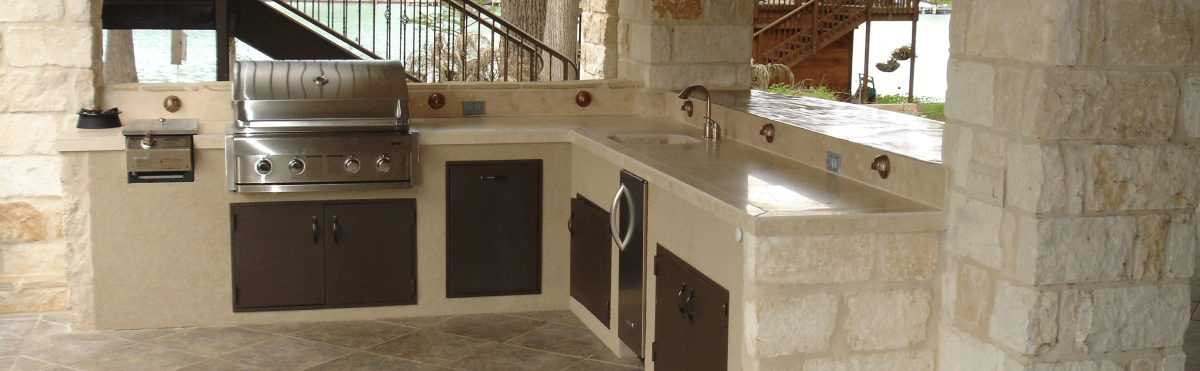
In Rockport, outdoor cooking is more than a grill on a slab. For someone who loves food, it can be an extension of the kitchen. That might mean a built in grill, a side burner for pots, maybe even a sink or outdoor fridge.
The trick is to keep indoor and outdoor kitchens connected enough that carrying food, gear, and plates does not feel like a workout. A door close to the main prep area helps. Covered paths and thoughtful lighting make evening cooking outside easier.
Budget choices when you cook a lot
Money always shapes remodeling choices. For serious home cooks, I think some things are worth spending on and some are nice but not critical.
Places where spending more pays off
Spend money where your hands and eyes interact with the kitchen every day.
- Quality drawer slides and door hinges
- Durable counters in your main prep area
- Vent hood that actually clears the air
- Lighting that lets you see what you are doing
- Plumbing fixtures that feel solid and do not wobble
These items affect your daily cooking more than intricate cabinet moldings or rare tile. Strong mechanical parts like good hardware and a quiet, strong dishwasher help keep the kitchen pleasant under heavy use.
Places where you can be modest
- Fancy cabinet interiors you will barely use
- Exotic wall tile behind the fridge or in low visibility spots
- Excessive open shelving that adds constant cleaning work
- Very large appliances that exceed your actual cooking needs
Sometimes a simple, sturdy kitchen with a clear layout beats a high end showpiece that does not match how you cook. Visibility on social media is not everything. Comfort during weeknight dinner is.
A quick example: turning a small Rockport kitchen into a serious cook’s space
To make this less abstract, picture a compact single story Rockport house with a narrow, dated kitchen. Shallow cabinets, a tiny sink, old appliances. The owner loves to cook, hosts friends for seafood boils, and bakes bread on weekends.
A realistic remodel might include:
- Removing a partial wall to open a view into the dining area, but keeping a clear work side
- Adding a 36 inch deep peninsula instead of a full island, with seating on the dining side
- Installing a single large sink with a high, solid faucet and pull down sprayer
- Switching lower cabinets to deep drawers for pots, pans, and bulk ingredients
- Building a shallow pantry wall for flours, grains, and baking tools
- Upgrading to a good vented hood over a modest but solid range
- Adding strong under cabinet lighting and simple ceiling fixtures
Nothing in that list is wild. Yet for the person cooking there, the kitchen would feel almost like a different house. Movements shrink, stress drops a bit, meals become easier to pull off, especially complex ones.
Questions to ask before you remodel
Planning a remodel is a bit tiring. It is easy to get lost in samples and forget why you started. So it can help to keep a small set of personal questions in front of you.
If my new kitchen made one regular meal feel easier, which meal would that be, and why?
Some other questions you might write down for yourself:
- What three dishes do I cook most often?
- Where do I get annoyed in my current kitchen?
- What storage feels too far from where I use it?
- Do I cook alone, with a partner, or with kids helping?
- When during the day do I cook most, and how is the light at that time?
Your answers will be very specific. That is good. Rockport houses differ a lot by street and age. Your cooking style is also your own. A strong remodeling plan respects that and tries to support your habits instead of forcing you to copy someone else’s idea of the perfect kitchen.
One last thing: is remodeling worth it if you just like to cook at home?
There is a fair question sitting under all of this. Is a serious remodel worth the effort and cost if you are “only” a home cook, not a restaurant chef?
Short answer: sometimes yes, sometimes no
If you cook three or four times a week, enjoy it, and plan to stay in your Rockport home for a while, a well planned remodel can shape your daily life in a good way. It can also raise the home’s general appeal if you ever move, although that is not the only factor to weigh.
If you rarely cook, order out most days, and feel zero interest in standing at a stove, then a big kitchen project might not give you much return, beyond resale hopes. A modest refresh may suit you better.
So the next question is yours:
Q: How do you know if your Rockport home is ready for a serious cook’s remodel?
A: Pay attention for a week. Notice when you feel cramped, when you stack cutting boards on top of each other, when you run out of landing space, or when guests crowd the stove. If those moments are rare, maybe small changes will do. If they happen every time you cook a proper meal, that is a sign your house is quietly asking for a better layout. And then a thoughtful remodel, centered on how you cook rather than how a catalog looks, might be exactly the shift you need.