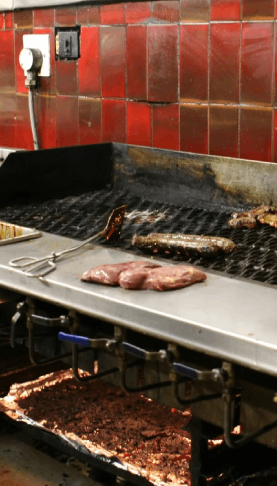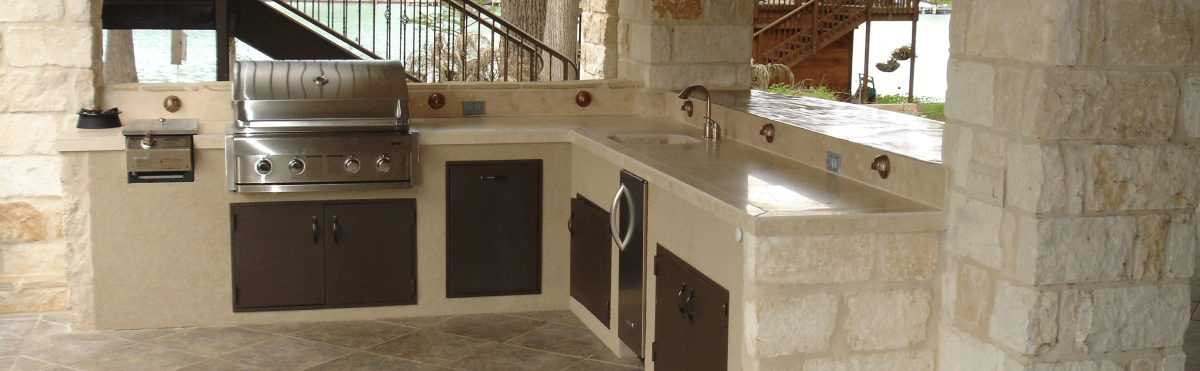
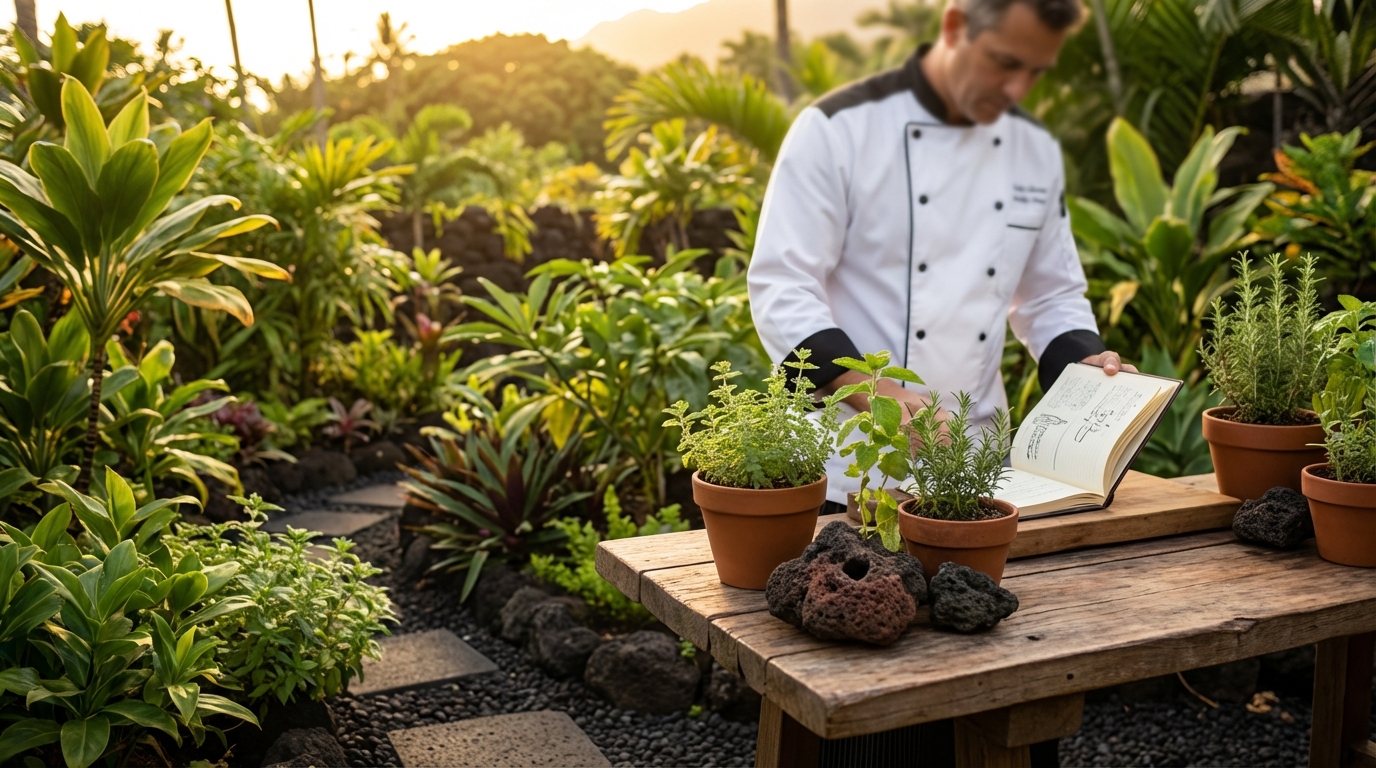
If you are a chef, or just someone who cooks a lot at home and loves fresh flavors, the short answer is yes: you should visit Oceanic Landscaping for Oahu landscaping ideas, because seeing real gardens, real layouts, and real plant choices can help you design an outdoor space that actually supports how you cook and eat, not just how you want your yard to look in photos.
I think many cooks underestimate how closely a garden can fit into their daily routine. Not as a pretty background, but as a low-stress ingredient station that happens to live outside your door.
So let us look at Oahu style gardens from a cook’s point of view, not a landscaper’s. What matters for a plate, for prep, for service. What helps, what does not, and what you might want to borrow for your own space, even if you live far from Hawaii.
Why chefs should care about Oahu-style outdoor spaces
When you look at photos of Oahu gardens, you might just see palm trees, lava rock, and bright flowers. Nice, but not very “kitchen”. If you look closer though, there are patterns that actually fit how many chefs like to work.
You often see:
- Layered planting, from low herbs to medium shrubs to tall shade trees
- Clear paths and edges that keep feet clean and movement quick
- Defined gathering zones for cooking, eating, and hanging out
- Plants chosen for both food and looks, not one or the other
For anyone who cooks, that mix is helpful. You need:
- Sun where food plants grow well
- Shade where you stand and prep
- Paths that keep you from trampling your own ingredients
- Enough structure so the yard does not steal your time and energy
A good outdoor space for a chef is less about drama and more about how fast you can move from chopping board to grill to herb bed without thinking too hard about it.
When you scroll through Oahu landscaping projects, try this: ignore the fancy angles for a moment and track the flow a cook would use.
Where would you stand to season meat?
Where would you wash herbs?
Where would you set a hot pan down outside?
If the space works for those things, there is something useful to copy, even if you do not copy the tropical plants themselves.
Seeing a yard as an extension of your kitchen
I think many chefs already imagine the kitchen as a system. Prep area here, fire here, cold storage there. Every station has a role.
Outside, you can treat your yard the same way, just with different tools.
Three “stations” to plan outside
You can keep this simple. Think in three rough zones.
| Zone | Main purpose | Examples that fit Oahu style |
|---|---|---|
| Grow | Produce flavor and garnish | Raised beds, herb borders, papaya or citrus trees, chili bushes |
| Cook | Handle heat and smoke | Grill pad, stone or concrete counter, sink, built-in bench |
| Gather | Serve food and relax | Lanai or patio, small table, moveable chairs, string lights |
On many Oahu properties, these three zones are tightly packed. Space is often limited, so everything has to multitask. That is not a bad thing. For a chef, short distances are a gift.
You might grow herbs along the path to the grill. A small citrus tree might shade a prep area. Seating might double as storage. It feels casual, but there is a kind of logic under it, the same way a well-run kitchen looks calm but has strict habits behind the scenes.
If you can walk from your stove to your basil in five steps, and from there to your dining table in five more, you will probably use that basil a lot more often.
Plants that match how you cook
Oahu gardens often mix native plants, Polynesian-introduced crops, and newer imports. For a chef, the interesting part is which ones pull double duty: food and design.
You do not need to copy the full plant list. Climate, soil, and water are different where you live. But you can copy the thinking: plant choices should match your menu and your habits.
Herbs and aromatics worth borrowing as ideas
Many Oahu gardens include herbs you probably already know, but used in smart ways.
- Basil as a low hedge near paths, easy to pinch on the way to the grill
- Mint in contained beds close to seating, handy for drinks
- Thyme or oregano as groundcover around stepping stones
- Lemongrass as a visual screen that also works in broths and marinades
None of that is very fancy. Still, the placement matters. Herbs next to a back fence that you never visit will not change your cooking much. Herbs in a strip right outside your kitchen door might.
If you cook a lot of seafood, Asian dishes, or fresh salads, you can build zones:
| Flavor focus | Plants to group together | Why this works for a chef |
|---|---|---|
| Seafood | Dill, parsley, lemon balm, chives | Fast garnish, gentle flavors, easy to snip last minute |
| Asian-style dishes | Lemongrass, Thai basil, cilantro, chilies | Core aromatics in one reach, consistent supply |
| Grilling | Rosemary, oregano, thyme, sage | Hardy herbs that hold up to smoke and heat |
If you look at Oahu garden photos with this in mind, you can almost “map” the flavor zones. A rosemary hedge near a grill. Citrus near seating. A dense herb bed near the door. That structure is very friendly for cooks.
Tropical fruit trees as slow but steady pantry items
On Oahu, fruit trees are everywhere: lime, calamansi, banana, papaya, avocado. Not every property has all of them, of course, but they are common enough that many home cooks pick fruit rather than buy it.
You might not be able to plant those exact trees where you live. The idea still holds:
Tall plants that carry flavor, like citrus or bay, can anchor a garden while giving your kitchen slow but steady ingredients year after year.
If you are in a warm climate, citrus and herbs underplanting can work very well. In a cooler climate, maybe it is apples and perennial herbs. The key is to think like this:
- What do you actually use every week, month, and season
- Which plants can deliver that with low effort once they are established
- How can those plants also shape the yard, give shade, or create privacy
That type of thinking shows up in many Oahu gardens. They are often practical by necessity. Space costs money. Water costs money. So things often earn their place.
Hardscape that respects shoes, knives, and plates
Chefs have specific enemies outside: mud, uneven stone, and poor lighting. Many Oahu-style outdoor spaces deal with those in clean, simple ways, partly because of the wet climate.
You do not need anything elaborate. But some details matter a lot if you cook.
Surfaces that handle spills and heat
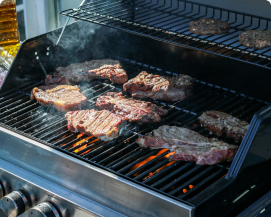
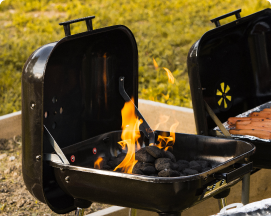
For cooking areas outside, think about what falls: oil, salt, citrus juice, hot pans. A grill that sits in the middle of a lawn is just annoying.
You want:
- Hard surfaces around cooking zones, like concrete, stone, or pavers
- Enough room to put down cutting boards and trays
- Material that can take a bit of grease and scrubbing
Many Oahu yards show simple rectangular pads for grills, sometimes with a low wall or counter attached. It is not glamorous. But it accepts reality: cooking is messy.
If you bring restaurant habits home, you might also care about having:
- A bin nearby for trash or compost
- A hose or small sink to rinse knives and boards
- Hooks or shelves for tongs and towels
These are small details, but when you see them in project photos, you can tell the yard is used, not just staged.
Paths that keep your mise en place clean
Walking through wet grass with plates in both hands is fine once. Then you slip a little, or splash mud on your pants, and you start to understand why good paths matter.
Common Oahu solutions:
- Stepping stones set in groundcover
- Gravel paths with firm borders
- Concrete strips from door to grill or outdoor sink
If you cook outside a lot, you might want a main “service” path from the kitchen door to the cooking zone. That path should be:
- Non-slippery after rain
- Wide enough for one person with a large tray
- Clear of low branches and thorny plants
This is where many gardens that look nice in photos fail in real life. The path looks pretty but fights your movement. Oahu designs that come from long use often show wear patterns that match how people actually walk with food. That is what you want to copy.
Shade, light, and heat from a chef’s point of view
Outdoor lighting and shade are often discussed in design terms. For a cook, the questions change slightly.
Can you see if chicken is done without carrying a flashlight in your mouth?
Can you read the tiny timing notes you wrote?
Can guests relax without squinting into the sun?
Light where the knife is
You do not need a full lighting plan with diagrams. You just need honest answers to:
- Where do I cut and plate outside
- Where does smoke go when I grill
- Where do people actually sit after dark
From what I have seen in Oahu gardens, three simple light types often carry most of the work:
| Light type | Use for cooking | Notes |
|---|---|---|
| Task lighting | Above prep counters and grills | Bright, focused, avoids glare in your eyes |
| Ambient lighting | Near seating and paths | Softer, helps guests move without harsh shadows |
| Accent lighting | On key plants or trees | More mood than function, but can mark edges |
If you like to cook late, task lighting deserves more attention than it usually gets. A single, strong, well-placed light over a counter can change how often you use the space at night.
Shade that respects smoke and steam
Outdoor shade in a humid, sunny place like Oahu is usually non-negotiable. The question is where and how.
From a kitchen point of view:
- Shade where you stand, not right above dense smoke
- Some overhead coverage near prep so boards do not dry too fast
- Gaps or height so steam and grill smoke can escape
Many Oahu yards use:
- Light pergolas with climbing plants
- Strategic placement of small trees
- Umbrellas that can be moved away from smoke
Solid roofs over a grill can trap smoke and heat. You might want the cooking area slightly offset from fully covered seating. That split often appears in Honolulu outdoor kitchens: grill in the open, prep and seating under cover nearby.
Water, drainage, and kitchen habits
This is the less charming part, but it affects how often you actually enjoy the space.
If you rinse vegetables outside, handle raw meat, or rest hot pans in the yard, you should think a little about where water goes, and how cleaning works.
Why many Oahu yards favor simple drainage lines
Oahu gets real rain. Good outdoor layouts often include:
- Gentle slopes away from seating and cooking zones
- Gravel strips or drains where water collects
- Raised beds so plants do not drown
For chefs, the benefit is indirect but real. A surface that dries quickly means:
- You can cook soon after rain without slipping
- Wood and tools near the grill last longer
- Food waste rinsed outside is less likely to sit in puddles
You might not copy the exact drainage details, but watching how Oahu landscapers position patios and beds can give you ideas on where to place your own cooking station so it stays clean and dry most of the time.
Outdoor sinks and washing zones
I am not going to tell you that everyone needs a full outdoor sink. Many designs show them, and sometimes they never get used. But if you cook a lot, even a small wash station can change your routine.
A simple setup:
- A cold water tap with a short hose
- A small, durable table or stand
- A bucket or tub where you can wash vegetables or soak grill grates
That way, you can:
- Rinse soil off herbs before bringing them indoors
- Scrub sticky tools outside instead of clogging the indoor sink
- Fill pots or water baths without carrying them long distances
Oahu gardens that serve serious cooks often tuck such areas along the side of the house, not in the center of the yard. Out of sight, but on the shortest path from kitchen to garden beds.
Borrowing the “indoor-outdoor” feel without forcing it
One thing that stands out when you look at enough Honolulu and Oahu outdoor spaces is how often doors just open straight to a usable outdoor room. No long transition, no wasted strip of dead lawn.
This can be helpful for anyone who cooks at home, even in another climate. The more direct the connection, the more your yard becomes part of how you operate.
What an “indoor-outdoor” setup actually means for a cook
Not every home can have large folding glass doors. That is fine. The core idea is smaller and more practical.
You want:
- A direct line from kitchen to outside, without tight corners or clutter
- A surface outside the door where you can safely put hot or heavy items
- Visual continuity so you can see what is growing while you cook
In many Oahu homes, that might look like a small lanai with:
- A modest table right outside the kitchen
- Herbs in planters along the rail
- A grill a short distance away on a slightly lower pad
I have seen the same pattern in cooler places too, just with different materials and plants. The point is not the climate. It is the habit of walking outside as part of cooking, not as a separate hobby.
Designing your yard around your real cooking patterns
You might be tempted to design a yard around how you wish you cooked: ten-person dinners twice a week, long grill sessions, homemade pizza every Friday. There is nothing wrong with ambition, but it can mislead where you put your time and money.
Better to ask:
- What do I actually cook most days
- What parts of that could move outside with less stress
- Which ingredients would I honestly use a lot if they were in my yard
Then you can look at Oahu projects with a filter. For example:
- If you cook fast weeknight meals, focus on herbs near the door and a small, reliable grill.
- If you host brunch more often than dinner, think about morning shade, coffee seating, and fruit near the patio.
- If you love slow barbecue, check where smokers or large grills sit relative to neighbors and seating.
There is no single right answer. Some Oahu yards are almost all lawn with one mango tree. Others are tight, terraced beds full of taro and greens. Both can serve good food, if they match the cook.
Letting the garden shape the menu a little
This may sound backward, but a good outdoor space will slowly train you. If chili bushes keep producing near your grill, you may start using more fresh chilies. If basil threatens to flower every week, you might make more pesto.
Oahu cooks know this pattern well. Abundant limes change how you think about acidity. Constantly available green onions influence garnishes and broths.
Instead of forcing your garden to match a static menu, you can let what grows easily nudge your cooking in directions that feel natural for your climate and space.
The result can be subtle but strong over time. A few reliable plants that love your yard will show up on plate after plate, in small ways. That is probably more realistic than chasing a long list of “must-grow” chef plants that struggle.
Balancing beauty against work, from a busy chef’s view
Here is where I think some people go wrong. They want a showpiece yard that also functions as a kitchen garden, and they underestimate the maintenance. Regular pruning, pest control, irrigation checks, deck cleaning. It all adds up.
If you are already working long hours in a restaurant, or juggling home cooking with a full-time job, your future self will thank you for something more modest.
When looking at Oahu landscaping examples, ask:
- How much trimming does this really need each month
- What happens if I skip a week of weeding
- Do these plants drop messy fruit or sticky leaves where people walk
You might find that the most impressive garden is not the best match for your schedule. A smaller, simpler herb strip and a couple of sturdy shrubs could serve your kitchen better than an elaborate tiered planting that needs constant shaping.
There is a quiet honesty in some of the more humble Honolulu yards. A grill, a few planters, one good tree, a small table. They are not magazine-ready, but they get real, regular use. For a cook, that might be the right place to aim.
Questions a chef should ask before changing a yard
To make this more practical, here is a short set of questions you can run through when you look at any Oahu-style design and think about copying it.
1. Where do I prep and where do I fire?
Are they too close, so that smoke and heat hit your face while you chop?
Too far, so that you keep walking back and forth with plates?
Try to sketch something where you can pivot between prep and grill in a few steps, not many meters.
2. Can I reach fresh ingredients in under 30 seconds?
If the herb bed is isolated at the far end of the yard, you will forget it when you are in a rush.
Aim to put your most-used plants within easy reach of the kitchen door or grill. The less you think about the path, the more that harvest becomes automatic.
3. What fails first when the weather turns bad?
Heavy rain, strong sun, wind, cold. What happens to:
- Your main cooking station
- Your favorite seating area
- Your most fragile plants
Oahu designs often show how to work with sun and rain rather than fight them. Copy that mindset. Maybe that means a simple tarp, a better gutter, or choosing tougher herbs.
4. If I had only 30 minutes a week for the garden, what would survive?
This is a hard question, but it keeps things honest. You may love the idea of heavy planting, but if all your free time already goes into menu planning or prep, your yard should respect that.
Try to design so that your core cooking plants can handle some neglect. Then, if you have more time later, you can add more decorative items.
One last question and answer
Q: I cook a lot but my yard is small and not in a tropical climate. Is there still any point in studying Oahu landscaping ideas?
A: Yes, but not because you will copy the palm trees or lava rock. The useful part is the way many Oahu yards combine growing, cooking, and gathering in tight spaces. Pay attention to how they:
- Keep herbs and key flavor plants very close to the kitchen
- Use small, durable hardscape zones around grills and prep areas
- Create short, clear paths so food moves easily from stove to table to garden
Then translate those patterns into your own climate and style. Maybe your tropical fruit tree becomes a dwarf apple, your palm becomes a hardy shade tree, and your lanai becomes a simple concrete pad with two chairs. The details change, but the goal stays the same: a yard that quietly supports how you cook, day after day.